10 Signs You're a People Pleaser & 10 Reasons That's a Problem
Being Nice Shouldn’t Cost You Yourself
Being kind, thoughtful, and considerate is a wonderful thing. People-pleasing, though, is different because it often means ignoring your own needs so nobody else feels disappointed, uncomfortable, or mildly inconvenienced. At first, it can look like generosity, flexibility, or being “easygoing,” which is why it can be hard to recognize. But when keeping everyone happy becomes your full-time emotional job, it can quietly drain your energy, confidence, and sense of self.
 Yuliia Martynovych on Unsplash
1. You Say Yes When You Want to Say No
A classic people-pleasing habit is agreeing before you’ve checked whether you actually want to do something. You may say yes to favors, plans, extra work, or emotional support because disappointing someone feels worse than overextending yourself. The problem is that your body may know the answer before your mouth catches up.

2. You Apologize for Everything
People pleasers often apologize even when they haven’t done anything wrong. You might say sorry for needing clarification, taking up space, asking a question, having a boundary, or existing near someone in a hallway. Apologies are useful when you’ve caused harm, but they get blurry when they become a reflex.

3. You Worry Too Much About Being Liked
It’s normal to care what people think, but people-pleasing turns that concern into constant monitoring. You may replay conversations, analyze facial expressions, or panic if someone’s tone seems slightly different. This can make ordinary social interactions feel like performance reviews.

4. You Avoid Conflict at Almost Any Cost
Conflict may feel so uncomfortable that you’d rather swallow your feelings than risk tension. You may agree with opinions you don’t share, stay quiet when something bothers you, or pretend everything is fine when it very much is not. Avoiding conflict can seem peaceful in the moment, but it often creates resentment later.

5. You Feel Responsible for Other People’s Emotions
People pleasers often believe it’s their job to keep everyone calm, happy, and comfortable. If someone is upset, you may immediately wonder what you did wrong or how you can fix it. That can make you overly careful around other people’s moods, even when those moods have nothing to do with you.

6. You Change Yourself Depending on Who You’re With
Adapting to different situations is normal, but people-pleasing can make you feel like you have no stable version of yourself. You may soften your opinions, hide your preferences, or mirror someone else’s personality to avoid rejection. Over time, this can make it harder to know what you actually think or want.

7. You Feel Guilty When You Set Boundaries
A boundary can be perfectly reasonable and still make a people pleaser feel terrible. You may feel guilty for saying you’re unavailable, asking for space, or declining a request. Even when the other person responds calmly, your brain may treat the boundary like a crime scene.
8. You Overexplain Your Choices
People pleasers often feel they need to justify every decision. Instead of saying, “I can’t make it,” you may offer a full documentary about your schedule, health, family, workload, and emotional state. Overexplaining usually comes from fear that a simple answer won’t be accepted.

9. You Struggle to Ask for Help
If you’re used to being the helpful one, needing help can feel awkward or even selfish. You may worry that your problems will burden people or make you seem needy. As a result, you handle too much alone and then wonder why you’re exhausted.
10. You Feel Resentful but Keep Smiling
Resentment often appears when you keep giving more than you genuinely want to give. You may say yes, smile, and act fine, then feel annoyed that nobody noticed how much you sacrificed. That frustration is a clue that your outer agreement and inner truth aren't matching.
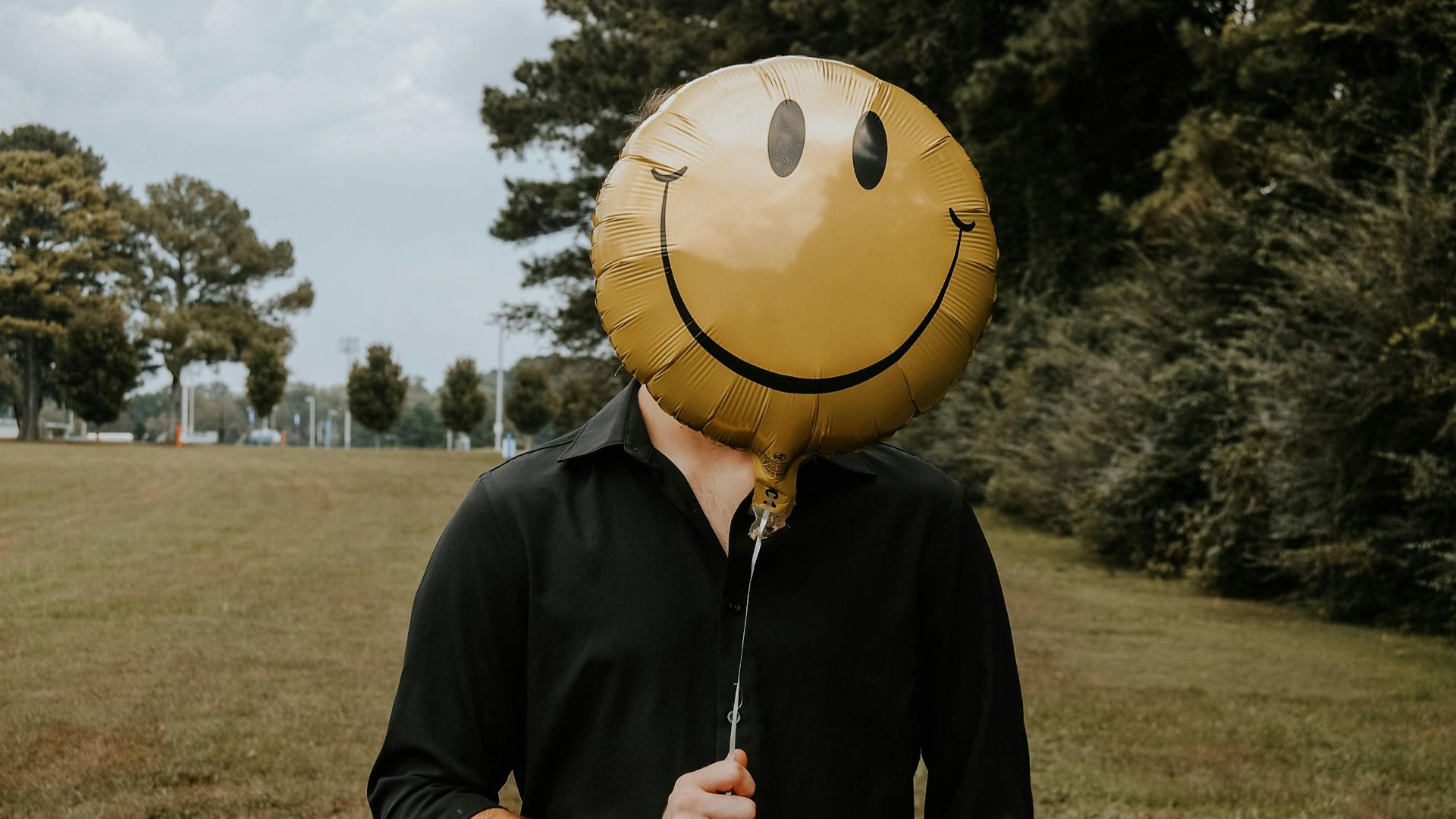
Now that we've talked about the signs you're a people pleaser, let's go over why that's a bad thing.
1. It Leads to Burnout
People-pleasing can make your life feel overbooked, even when your calendar doesn’t look dramatic. You’re not only doing tasks; you’re also managing expectations, moods, reactions, and possible disappointments. That constant emotional labor can leave you drained.

2. It Makes Your Relationships Less Honest
When you hide your real feelings to keep the peace, people don’t actually get to know you. They get the edited version that agrees, accommodates, and keeps difficult truths off the table. That may prevent conflict, but it also prevents real intimacy.

3. It Attracts People Who Take Advantage
People who enjoy taking more than they give often notice people pleasers quickly. If you rarely say no, some people will keep asking until you have nothing left to offer. Not everyone will exploit your kindness, but the wrong people may treat your limits like suggestions.

4. It Weakens Your Sense of Identity
When you constantly shape yourself around other people, your own preferences can start to blur. You may forget what you like, what you believe, or what you’d choose if nobody else had an opinion. This can make life feel strangely disconnected.

5. It Creates Hidden Anger
People pleasers often avoid direct anger, but that doesn’t mean the anger disappears. It may come out as sarcasm, withdrawal, passive-aggressive comments, or sudden emotional explosions after a long period of pretending everything is fine. Anger isn't always bad; sometimes it’s information that a boundary has been crossed.

6. It Makes Decisions Harder
If you’re always trying to predict what will make everyone else happy, even simple choices can become stressful. Picking a restaurant, choosing a weekend plan, or making a career move may feel loaded with other people’s reactions. Your own preference gets buried under imagined disappointment.
 Javier Allegue Barros on Unsplash
7. It Teaches Others That Your Needs Come Last
When you consistently put yourself last, people may start assuming that’s where you prefer to be. They may not even realize how much you’re giving up because you’ve trained them to expect constant flexibility. This can create unfair dynamics without anyone openly meaning harm. I

8. It Can Make You Feel Lonely
People-pleasing can leave you surrounded by people and still feeling unseen. Everyone may like your helpfulness, but fewer people may understand your real thoughts, fears, or needs. That kind of loneliness is especially frustrating because it happens inside relationships.

9. It Keeps You From Growing
Growth often requires disappointing people a little. You may need to leave a role, set a boundary, change a pattern, take a risk, or stop being available in the same old way. If pleasing others controls every move, you can stay stuck in a life that feels safe but too small.

10. It Turns Kindness Into Obligation
Kindness is healthiest when it comes from choice, not fear. If you’re helping because you’re afraid of rejection, guilt, anger, or abandonment, the act may look generous but feel heavy inside. Real kindness leaves room for your needs, too.