
Say Goodbye To Stressful Square Footage
Every home tells a story, and over time, that story shifts. Spaces once filled with energy can slowly grow quiet, while the responsibilities keep growing louder. At some point, the balance between comfort and effort tilts, and that's when decisions surface. Downsizing can feel daunting, but it often makes life lighter. First, let's find out if the time has come. Then, move to the simplest ways to downsize.

1. Storage Overflowing With Extra Items
Open a closet and ask yourself if most of those items are truly useful. Chances are, only a handful of pieces actually are. The rest just piles up, like in many American homes. That's a clear signal you own more things than you need.

2. Significant Increase In Maintenance Costs
Repairs and upkeep become more expensive with larger properties. Roofing, plumbing, landscaping, and even seasonal fixes demand extra time and money. When these recurring expenses begin to outweigh the joy of living in the home, downsizing can restore balance.
 Photo By: Kaboompics.com on Pexels
3. There’s One Or More Unused Rooms
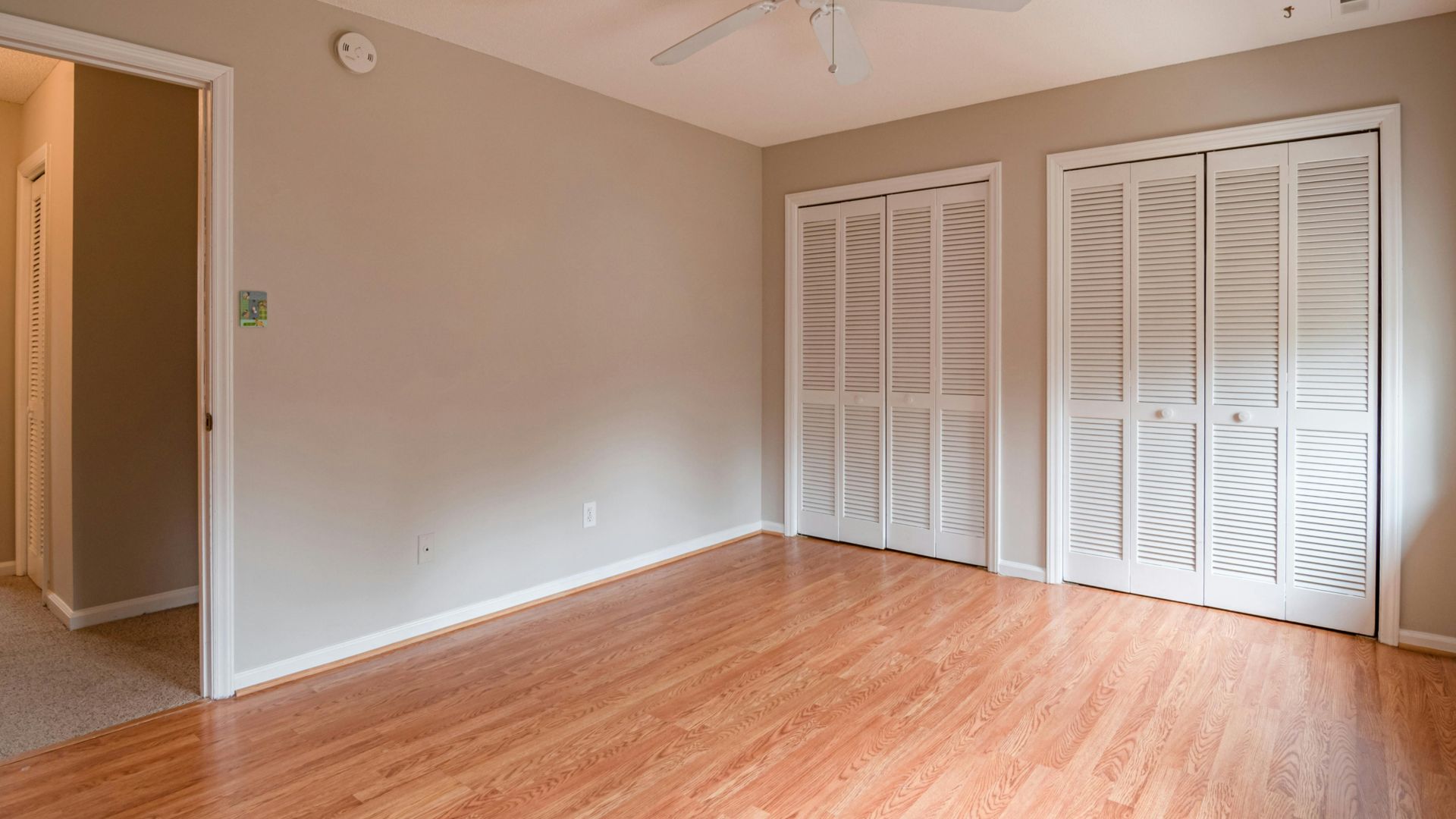
It’s common to see a spare room slowly fill with old furniture or forgotten items. Many Americans admit to having at least one room so cluttered it feels unusable. However, those spaces still add to property taxes and even reduce buyers’ interest when selling.
4. Utility Bills Are Too High
Monthly bills climb for a simple reason: the bigger the space, the greater the energy demand. If you feel your costs rising, the house itself may be the culprit. Downsizing brings relief, and pairing that with smart systems improves efficiency significantly.
 Photo By: Kaboompics.com on Pexels
5. Cleaning The House Is Exhausting
If cleaning takes up more than six hours out of your week, and you can’t afford that, take the hint. Bigger homes push that commitment even higher, which leaves less freedom in your schedule.

6. Risky For Kids Or Senior Members
Multi-level homes carry a higher likelihood of falls. Both children and older adults face increased risks within these kinds of layouts. With that in mind, it’s best to downsize and avoid a daily routine of moving up and down the stairs.
7. It’s An Empty Nest
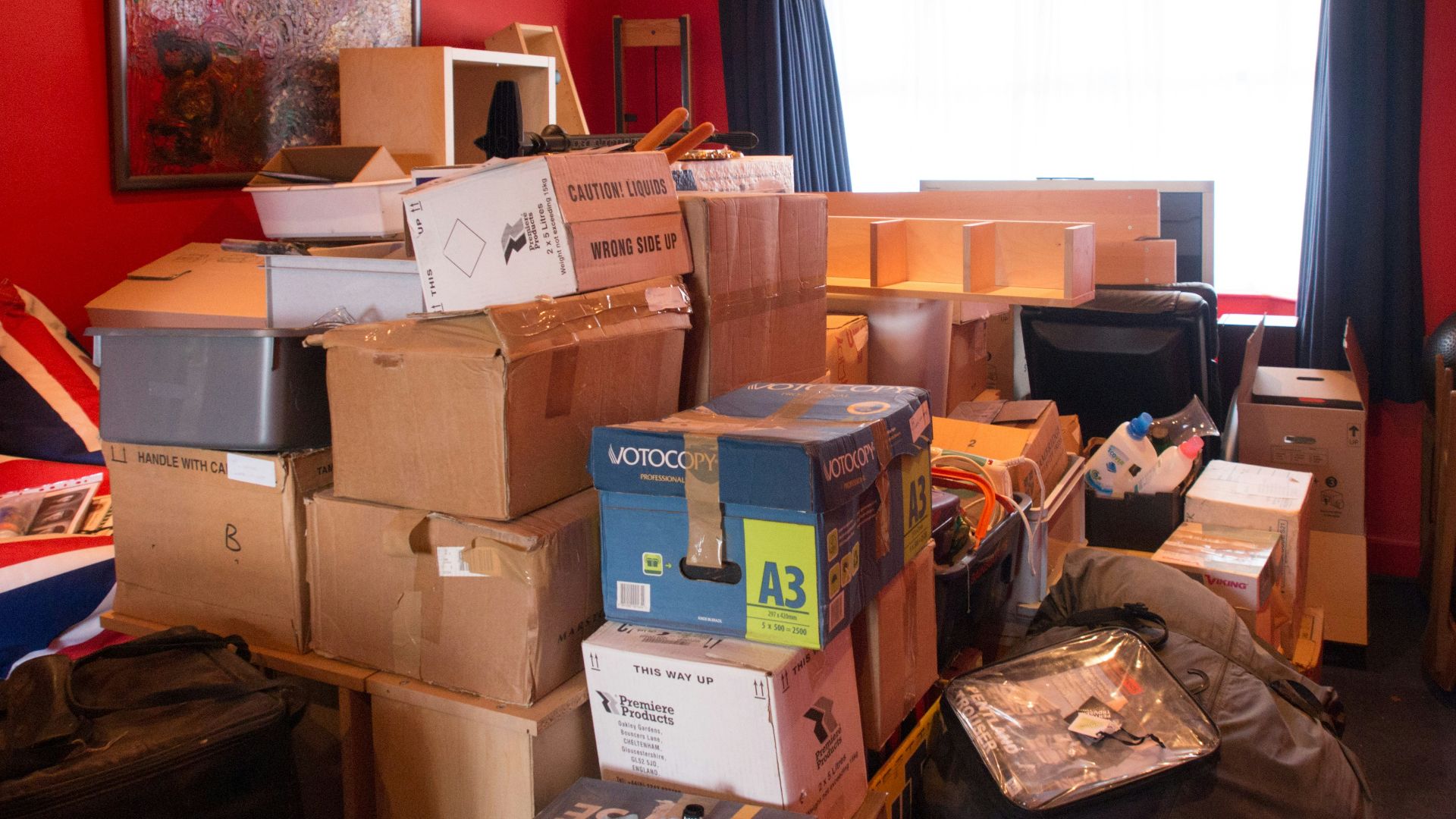
When children move out, whole sections of a house can fall silent. Today, more than 20 million people aged 55 and above own homes with at least two well-kept bedrooms that are simply filled with their kids' old stuff.

8. When There's Financial Pressure
Check your monthly budget to find out your total housing cost. For many families, it accounts for approximately 30% of their monthly income. That amount leaves little flexibility for savings or financial security. If it feels heavier than any other regular obligation, you know it’s time to downsize.

9. If You Enjoy Simplicity
Minimal living isn’t just about style—it’s about freedom. Smaller spaces discourage unnecessary accumulation and highlight what matters most. If streamlined living appeals to you, downsizing aligns perfectly. Fewer rooms, fewer chores, and fewer distractions.

10. When You’re Preparing For Retirement
Retirement brings new priorities, and housing plays a central role. A smaller space can make it easier for you to live on a fixed income. Many people plan this in advance. Some retirement communities also offer shared amenities that reduce costs while improving quality of life.

Now, if this makes you feel it's time to downsize, here are 10 practical ways to make the process easy.
1. Start By Labelling The Essentials
Begin with what you absolutely need—clothing you wear often, kitchen tools you actually use, and furniture that serves daily life. Place these in a “must keep” category. Everything else becomes easier to evaluate once your essentials are clearly defined.

2. Digitize Your Memories
Stacks of papers and boxes of photos quietly build up over the years. Once you convert them to digital form, those memories stay secure and easy to access. Online albums are simple and instantly shareable with others

3. Sell Or Donate Unused Items
The resale market is thriving at $204.7 billion. Collectibles may even triple in value when resold. Even yard sales add up—many families earn a few hundred dollars from things they no longer need. If you have a golden heart, donating unused items is simpler and more rewarding.

4. Rent A Storage Unit Temporarily
Transitions don’t always line up perfectly, and that’s where storage can help. Around 11% of households currently rent facilities for this reason. Temporary storage creates space to decide what truly matters. Portable pods also make the process flexible.

5. Choose Multi-Functional Furniture
Convertible furniture is no longer a niche choice. Pieces like ottoman beds provide storage, while Murphy beds transform whole rooms. As demand rises, multi-functional designs prove valuable in homes where efficiency and comfort depend on making every square foot count.

6. Measure Before Moving
One common mistake when downsizing is assuming everything will fit. Large furniture overwhelms smaller rooms, and misjudgments can be costly. So, carefully measure new rooms and your belongings before the move. These days, digital floor-planning tools make it easier to visualize space.

7. Prioritize Location Over Size
Would you trade some space for a better location? Wise families do, because they know daily convenience is worth more than a few extra square feet. Walkable neighborhoods lower commuting expenses and limit the need for multiple cars. Smaller city homes also gain support from nearby amenities.

8. Involve Each Family Member
Sorting through belongings often feels emotional, and family involvement can ease the process. Children may want heirlooms or keepsakes. Plus, conversations about what matters to each person can build stronger connections. You can also bond and have fun while doing so.

9. Hire Professional Help
As the days pass, the workload feels daunting. Downsizing specialists and professional organizers exist to simplify the process. The industry even includes "move managers," who coordinate everything from sorting to reselling items.

10. Create A Moving Timeline
Most people underestimate the need for preparation by two or three weeks, which turns out to be the biggest reason for stress and increased expenses. So, set a timeline with spaced-out deadlines. It will help you avoid any last-minute problems.