10 Industries Experiencing the Greatest Number of Layoffs in 2026 & 10 With the Fewest
10 Industries Experiencing the Greatest Number of Layoffs in 2026 & 10 With the Fewest
The Layoff Picture Isn’t One-Size-Fits-All
The job market these days feels almost more volatile than ever, but layoffs in 2026 haven't hit every part of the economy equally. Some industries are dealing with heavier turnover, restructuring, automation pressure, weaker demand, or seasonal shifts, while others are seeing fewer cuts because they’re smaller, more specialized, or supported by steadier public or consumer need. Here are the 10 industries currently experiencing the greatest number of layoffs, and 10 that are still showing high demand.

1. Accommodation & Food Services
Accommodation and food services have been one of the clearest high-layoff areas in the latest 2026 labor data. This category includes restaurants, hotels, bars, and similar businesses where staffing can change quickly with tourism, seasons, local demand, and consumer spending. Even when customers are still going out, employers may adjust schedules, cut shifts, or reduce staff when costs rise.
 Sebastian Coman Photography on Unsplash
2. Retail Trade
Retail trade continues to see notable layoffs and discharge activity. This includes clothing stores, grocery stores, department stores, car dealerships, home goods retailers, and other businesses tied closely to household budgets. When consumers pull back, stores close locations, or sales shift online, workers often feel the effects quickly.

3. Health Care & Social Assistance
Health care and social assistance may sound too essential for layoffs, but the sector still shows significant movement. It includes hospitals, outpatient care, nursing facilities, home health, child care, and social service organizations. Demand for care remains high, but staffing models, reimbursement issues, mergers, budget pressure, and administrative changes can still lead to cuts.

4. Construction
Construction remains a major layoff category because the industry moves with projects, weather, financing, and demand. When a job ends, a permit is delayed, or borrowing costs slow new development, workers can be let go even if the broader economy looks fine. Residential, commercial, and infrastructure work can all shift at different speeds.

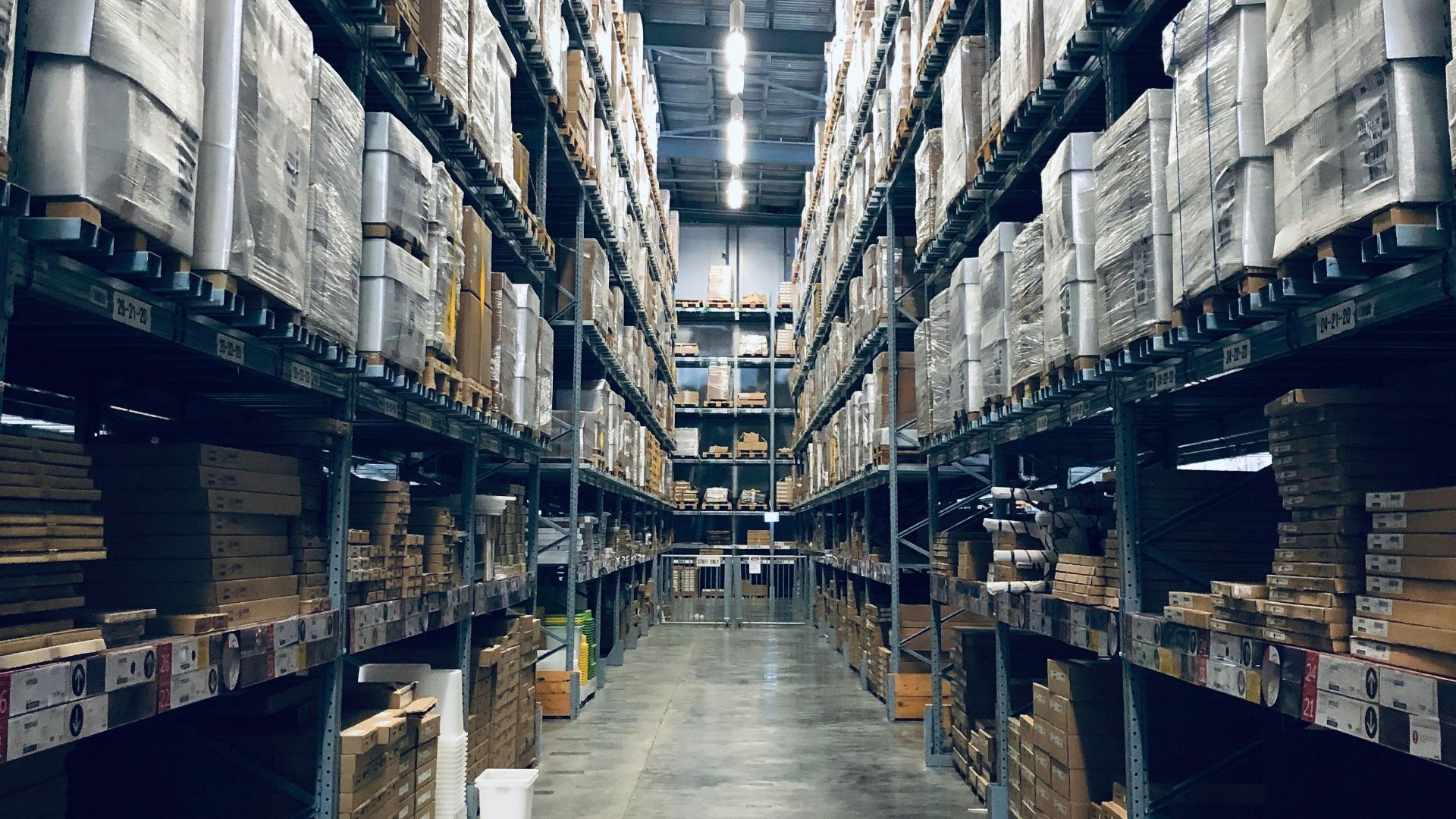
5. Transportation, Warehousing, & Utilities
Transportation, warehousing, and utilities saw significant layoffs and discharge activity in the latest data. This category includes trucking, delivery services, warehouses, storage facilities, air transportation, and utility-related work. It depends heavily on shipping volumes, fuel costs, online shopping patterns, and supply-chain decisions.

6. Arts, Entertainment, & Recreation
Arts, entertainment, and recreation is another industry where layoffs can run high because demand is often discretionary. This category includes performing arts, spectator sports, museums, amusement parks, fitness centers, gambling venues, and recreation businesses. When people trim extras, fun is unfortunately one of the first departments to hear about it.

7. Repair & Maintenance
Repair and maintenance saw notable layoff and discharge activity in the latest 2026 labor snapshot. This category includes auto repair shops, equipment repair, electronics repair, machinery maintenance, and similar businesses that depend on household and business spending. When customers delay repairs, companies cut maintenance budgets, or operating costs rise, staffing can shift quickly.

8. Wholesale Trade
Wholesale trade sits behind the scenes, but it plays a major role in how goods move through the economy. It includes businesses that sell products in bulk to retailers, manufacturers, restaurants, and other organizations. Layoffs can happen when inventory piles up, orders slow, or companies adjust to weaker demand.
9. Information
Information remains a pressure point in 2026. This category includes publishing, broadcasting, telecommunications, data processing, web-related services, and other information-driven businesses. Advertising shifts, streaming disruption, AI, consolidation, and changing consumer habits can all affect employment.

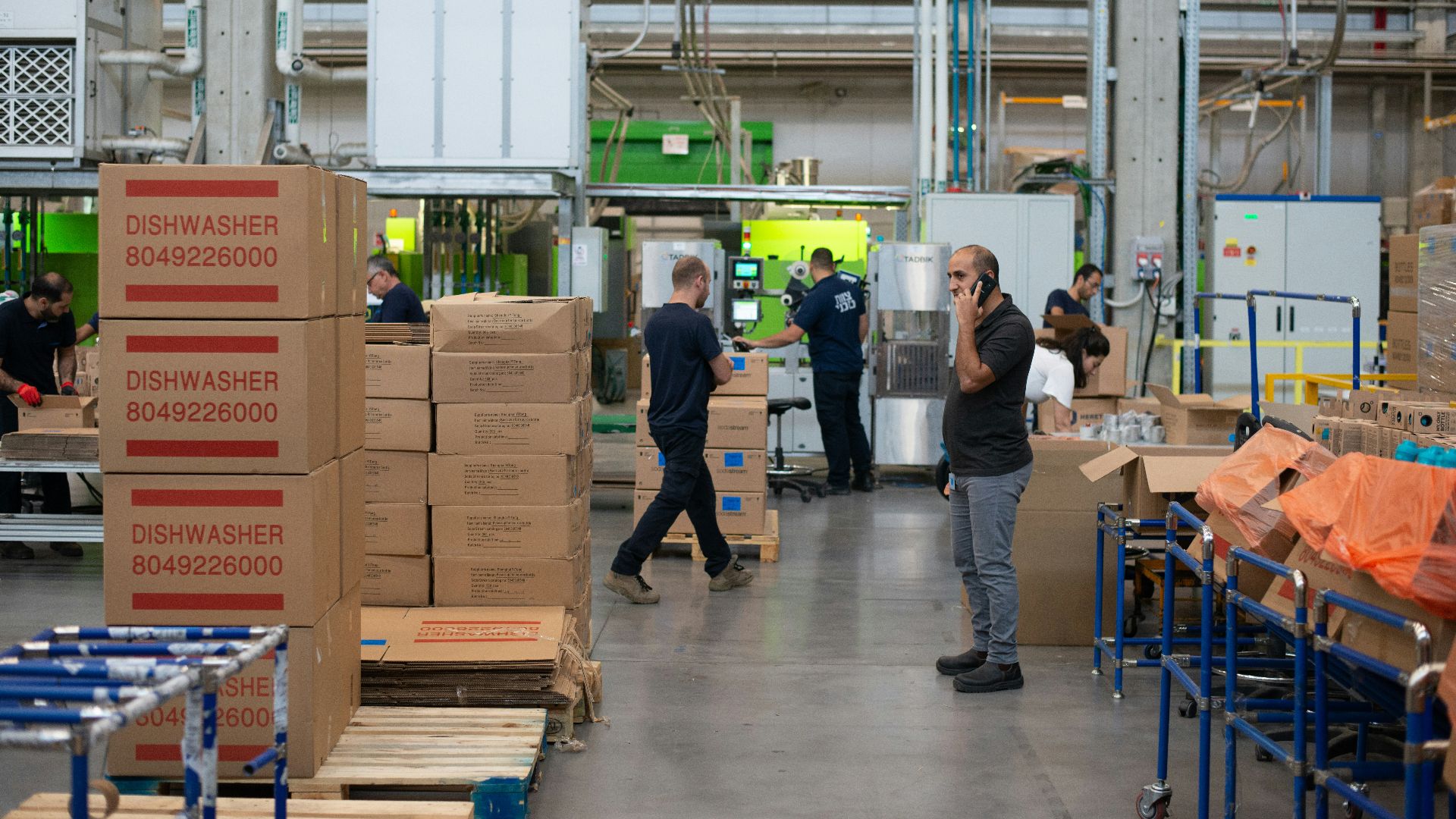
10. Durable Goods Manufacturing
Durable goods manufacturing includes longer-lasting products such as vehicles, machinery, appliances, electronics, furniture, and fabricated metal goods. Layoffs can rise when consumers delay big purchases, businesses reduce investment, or supply chains become unpredictable. This part of manufacturing is especially tied to financing costs and confidence because many of these types of products are expensive and easy to postpone.

Now that we've covered the industries experiencing the greatest number of layoffs this year, let's talk about the safer ones.
1. Federal Government
The federal government has shown one of the lowest layoff and discharge counts compared with many private industries. Public-sector employment tends to be more insulated from quick changes in consumer demand. That doesn’t mean federal jobs are immune to budget fights, restructuring, or policy changes, but they usually don’t move like restaurants or retail stores.

2. Mining & Logging
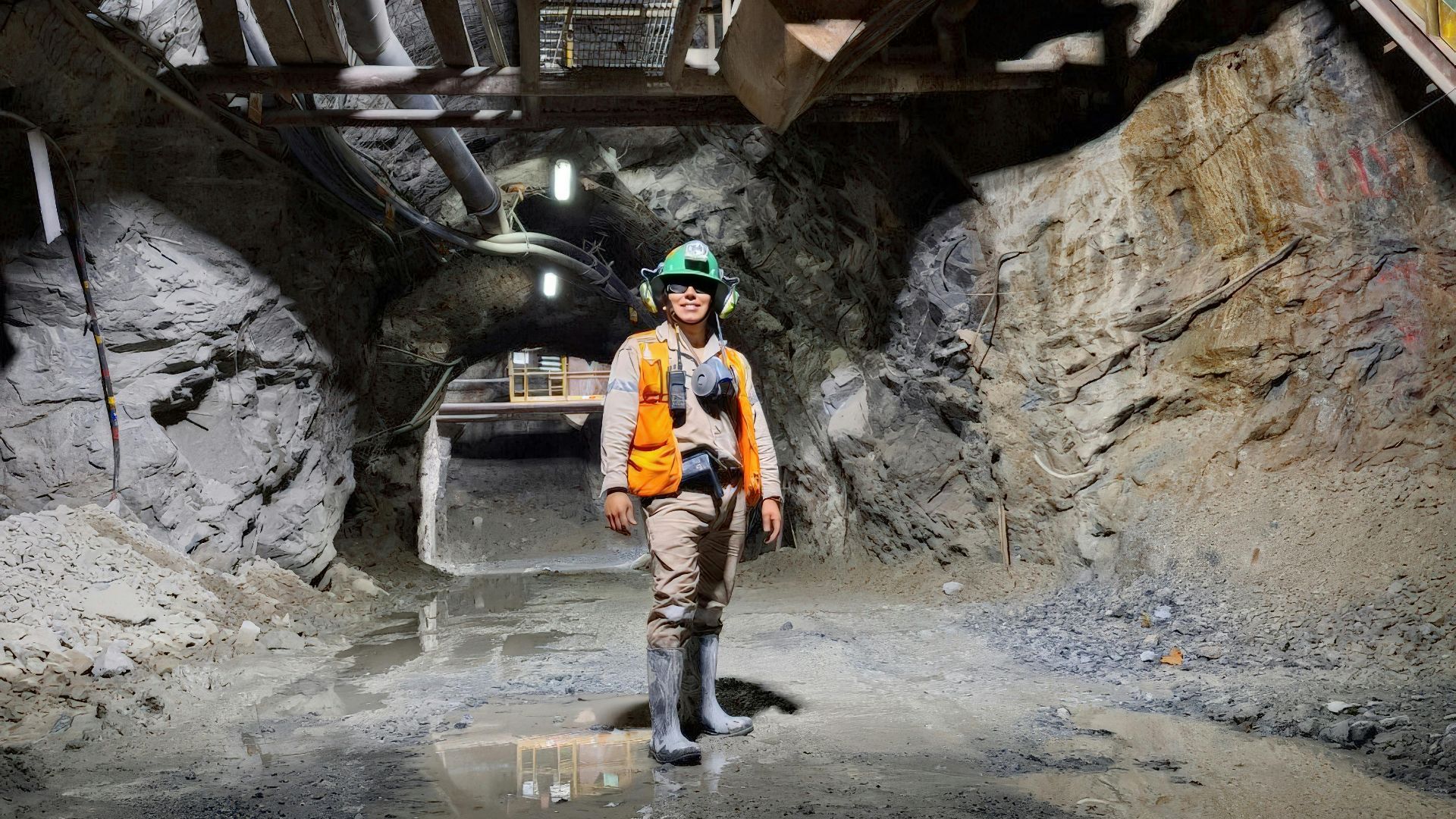
Mining and logging had one of the smallest layoff totals in the latest 2026 snapshot. Part of that is because the sector is much smaller than giant service categories such as retail, health care, or food services. It can still be volatile because commodity prices, energy demand, environmental rules, and global markets matter a lot, but in raw layoff numbers, though, it remains near the low end.
3. Real Estate, Rental, & Leasing
Real estate, rental, and leasing showed relatively low layoff activity compared with many larger sectors. That doesn’t mean the industry is carefree, especially when interest rates, housing affordability, and commercial real estate pressures are major issues. Still, the number of layoffs and discharges has been lower than in more labor-intensive industries.

4. Finance & Insurance
Finance and insurance also fall on the lower end in this more specific breakdown. The industry still faces pressure from automation, credit conditions, consumer debt, market cycles, and changing demand for financial products. Even so, it hasn't shown the same raw layoff volume as larger service-heavy categories.

5. State & Local Education
State and local education has had fewer layoffs than many private industries. Public schools and education systems often operate on more predictable funding and staffing cycles than restaurants, stores, or construction sites. Layoffs can still happen because of budget cuts, enrollment changes, or policy decisions, but this category generally moves more slowly than sectors tied closely to daily consumer spending.

6. Private Educational Services
Private educational services also sit among the lower-layoff categories in the current snapshot. This includes private schools, training programs, tutoring services, and other education-related employers outside the public system. Enrollment, tuition pressure, and family budgets can affect hiring, but the sector hasn't posted one of the largest layoff counts.

7. State & Local Government, Excluding Education
State and local government outside of education has shown relatively modest layoff numbers. This category includes many public administration and local service roles, which tend to be more stable than highly cyclical private-sector jobs. Budget pressure can still lead to cuts, especially at the local level, but compared with consumer-facing industries, the movement is usually less dramatic.

8. Nondurable Goods Manufacturing
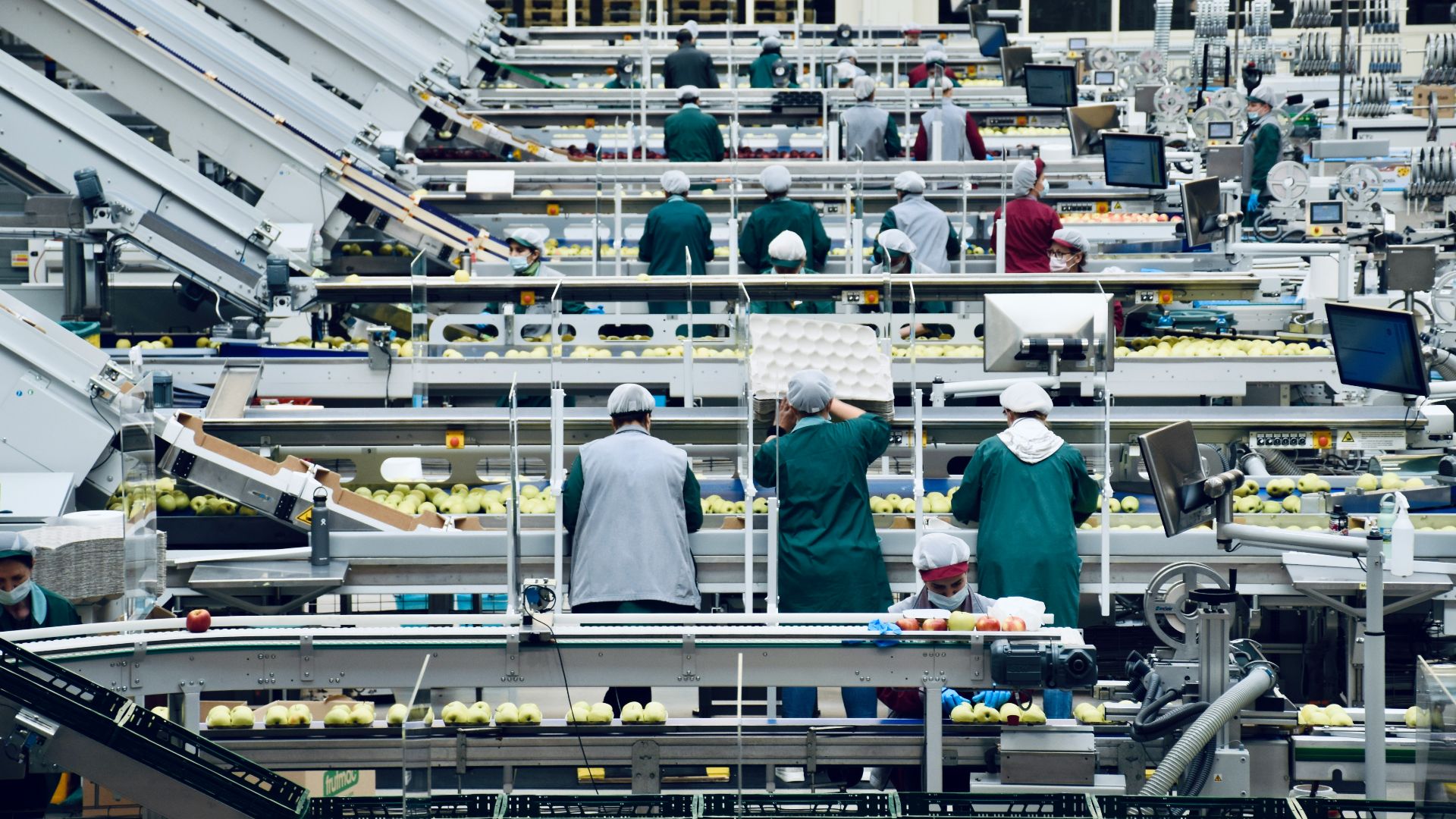
Nondurable goods manufacturing has seen fewer layoffs than the more heavily affected sectors. This category includes products that are used up more quickly, such as food, beverages, paper goods, chemicals, and textiles. Demand for these items tends to be steadier because people still need basics even when they cut back elsewhere.
9. Utilities
Utilities tend to have fewer layoffs because people and businesses still need electricity, gas, water, and related services regardless of the economic mood. The sector is also heavily regulated and often built around long-term infrastructure rather than quick consumer trends.
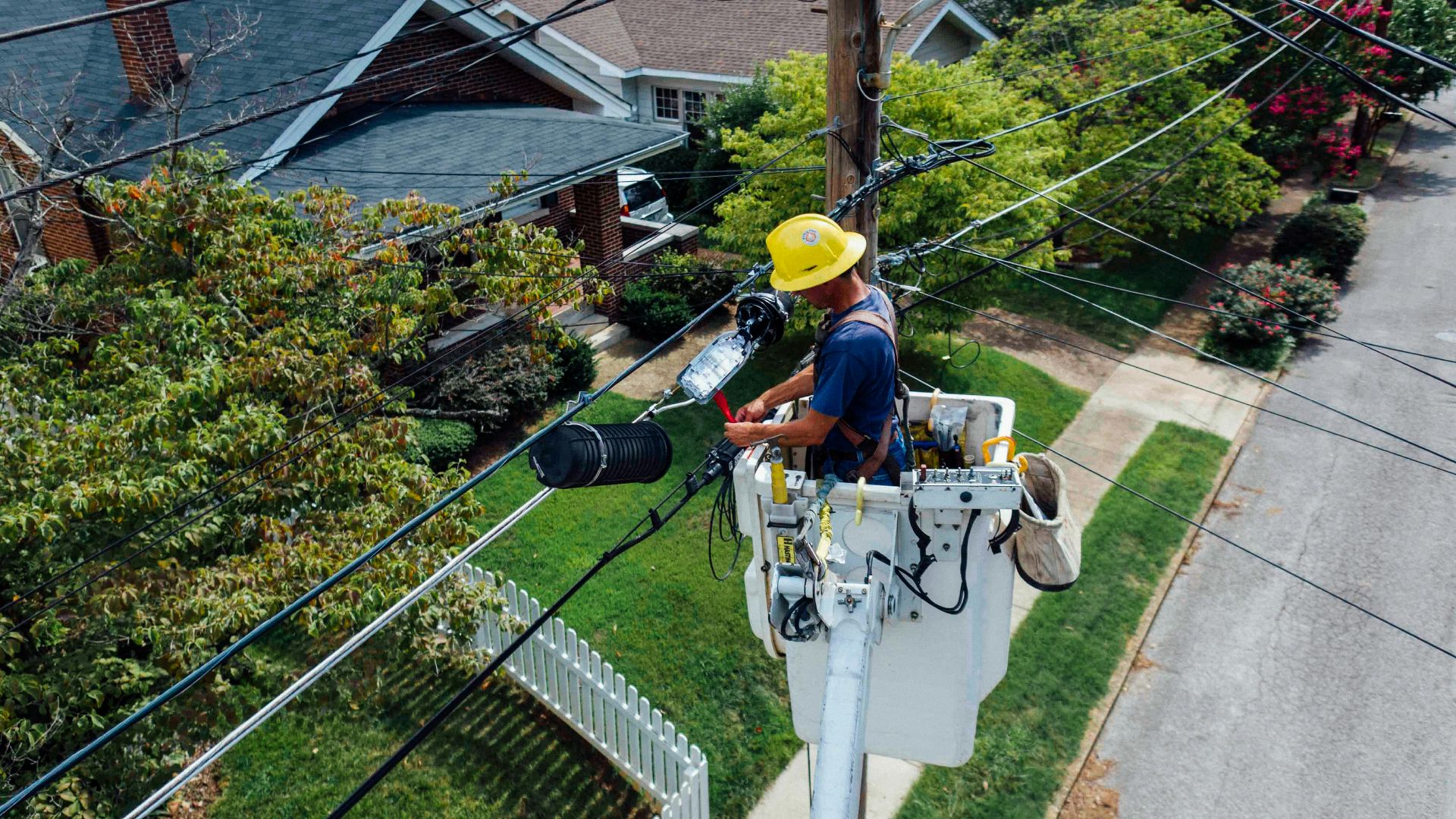
10. Warehousing & Storage
Warehousing and storage can fluctuate with e-commerce, shipping demand, and supply-chain decisions, but it can also be steadier than more public-facing parts of the economy. Many warehouses are tied to long-term logistics networks, inventory management, and business contracts rather than a few weekends' restaurant traffic or retail sales.