Meaningful Words In Mourning
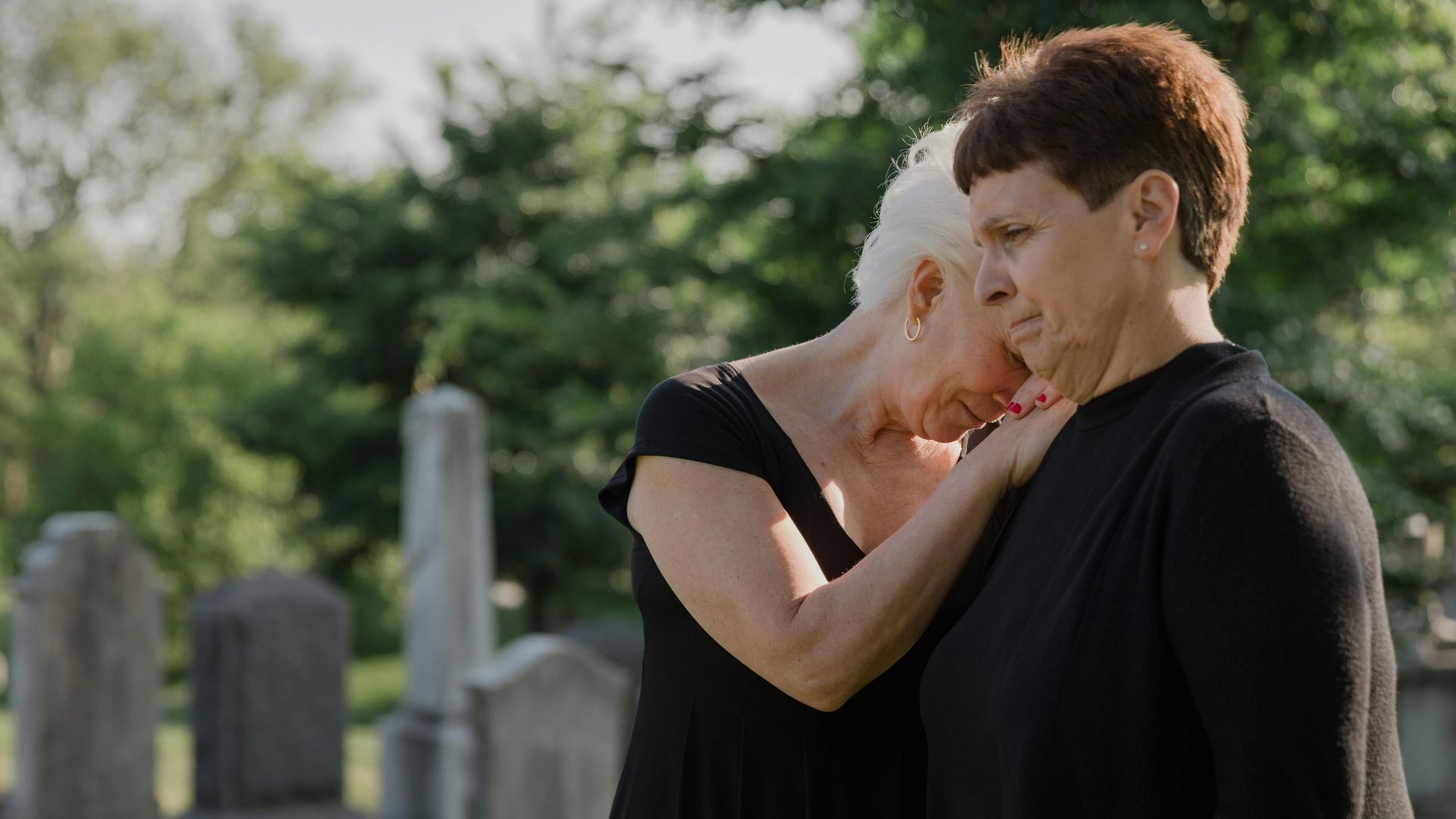
Finding the right words during grief isn't easy, especially when you're speaking in front of everyone who loved them. You're balancing your own emotions with the need to honor someone's entire life in just a few minutes. Certain elements connect people and bring comfort, while others can unintentionally cause pain or awkwardness that nobody needs right now. Understanding what works helps you deliver something meaningful. Let's look at what makes a eulogy genuinely heartfelt and respectful.
1. Start With A Poem Or A Quote
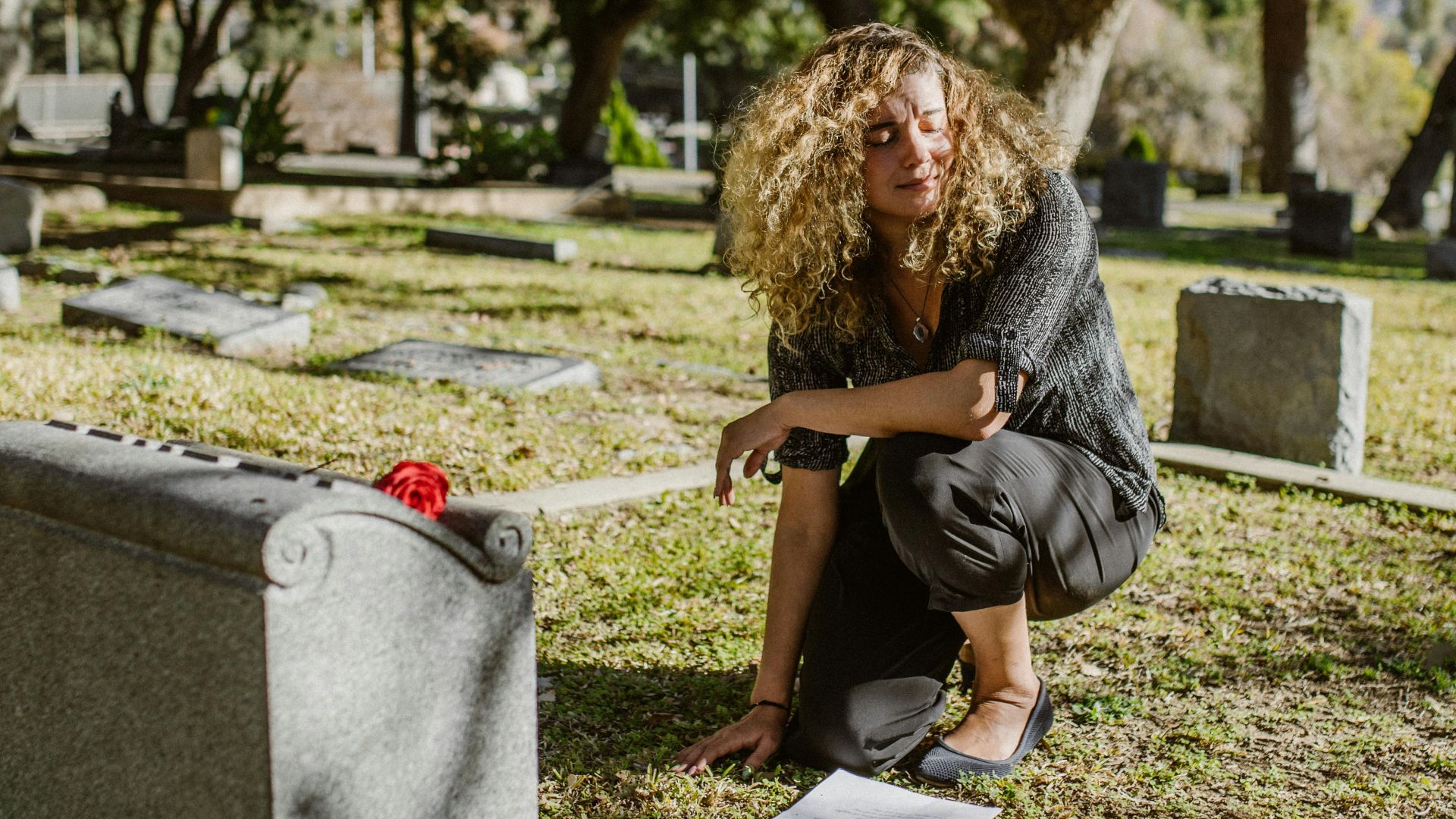
Sometimes the right poem captures feelings better than anything we could say ourselves. Familiar verses give mourners something to hold onto when emotions run high. They create a shared moment of reflection that brings everyone together.
 Antoni Shkraba Studio on Pexels
2. Share Childhood Memories
Those early years reveal who someone was at their core. Before careers and obligations took over, their true nature shone through. Families especially treasure these glimpses of the person they knew and loved from the beginning.

3. Highlight Big Achievements
Talk about the moments that mattered most to them. Whether graduating, starting a family, or reaching career goals, these milestones shaped their journey. Celebrating accomplishments shows you understood what they worked hardest to achieve and valued deeply.

4. Mention Their Work Life
Work was more than a job; it showed who they were. The way they treated coworkers often mattered more than promotions or titles. Their career reflected values and passions that shaped lives far beyond the office walls.

5. Describe What Made Them Unique
Maybe they had a contagious laugh or always wore mismatched socks. These little quirks help everyone picture them clearly again. Specific details spark memories that general descriptions never could, bringing smiles through tears.

6. Talk About What They Loved Doing
The things someone chose to do in their free time show what truly mattered to them. Whether it was gardening, painting, or coaching little league, those passions revealed their true self. Families often carry on these hobbies to keep their spirits alive.

7. Share What They Believed In
Their values guided every decision they made. Maybe they prioritized honesty above everything or believed in giving second chances. Understanding these principles helps explain the choices they made and the life they built for themselves and others.

8. Remember Acts Of Kindness
Small gestures often leave the biggest impact. That time they stayed late to help someone or sent an unexpected care package. Those moments of generosity get remembered long after everything else fades, defining how people felt around them.

9. Discuss Their Family Role
Every family has someone who holds things together, brings laughter, or solves problems. And that role shaped daily life in ways only loved ones truly know. Honoring it means recognizing the unique space they filled, irreplaceable in family memories forever.
10. Celebrate Their Friendships
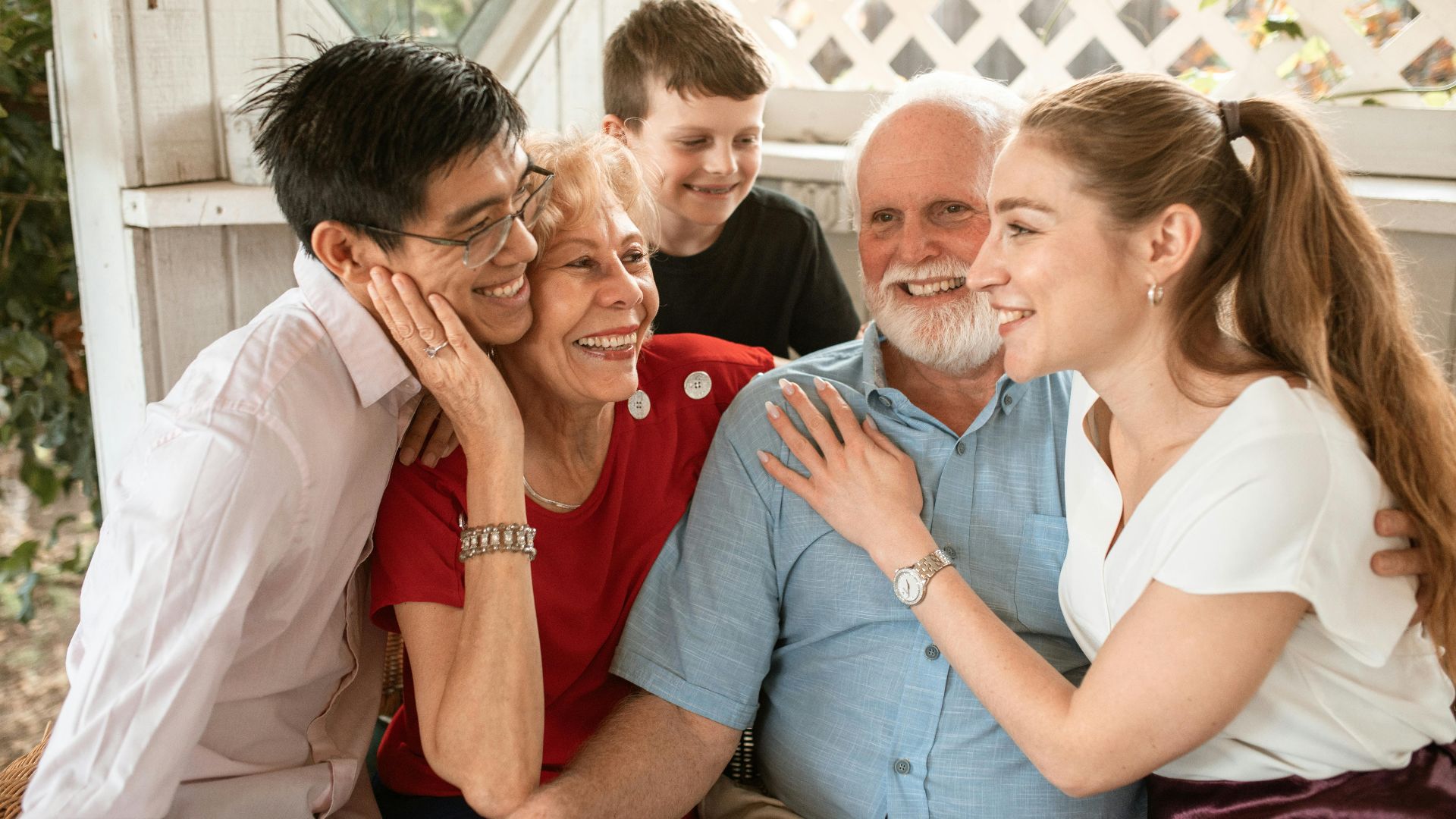
Deep friendships sustained them through everything life threw their way. Some bonds lasted longer than marriages, proving their importance. They brought laughter, support, and companionship that enriched their entire life beyond measure and created lasting memories.

To ensure a eulogy remains respectful and healing for everyone present, it’s equally important to understand what should be carefully avoided. Let’s take a look.
1. Don't Share Embarrassing Secrets
Private conversations should stay private, even after someone passes. Revealing secrets at a memorial hurts surviving family members who must deal with the fallout. Everyone deserves dignity in death, and exposing vulnerabilities crosses a line that shouldn't be crossed.

2. Skip The Criticisms
Nobody's perfect, but funerals aren't the time for constructive feedback. People came to remember good times, and not hear about character flaws. Save honest assessments for therapy or private conversations, not in front of grieving loved ones.

3. Keep Jokes Appropriate
Gentle humor works beautifully at memorials when done right. Crude or offensive jokes, however, make people uncomfortable and feel disrespected. Read the room carefully. What seems funny to you might genuinely upset someone who's already struggling emotionally with this loss.

4. Don't Mention Money Issues
Whether they owed you money or borrowed tools, this isn't the moment. Financial complaints sound petty and small when everyone's focused on bigger losses. These practical matters can wait for another day when emotions aren't so raw and vulnerable.
5. Avoid Putting Words In Their Mouth
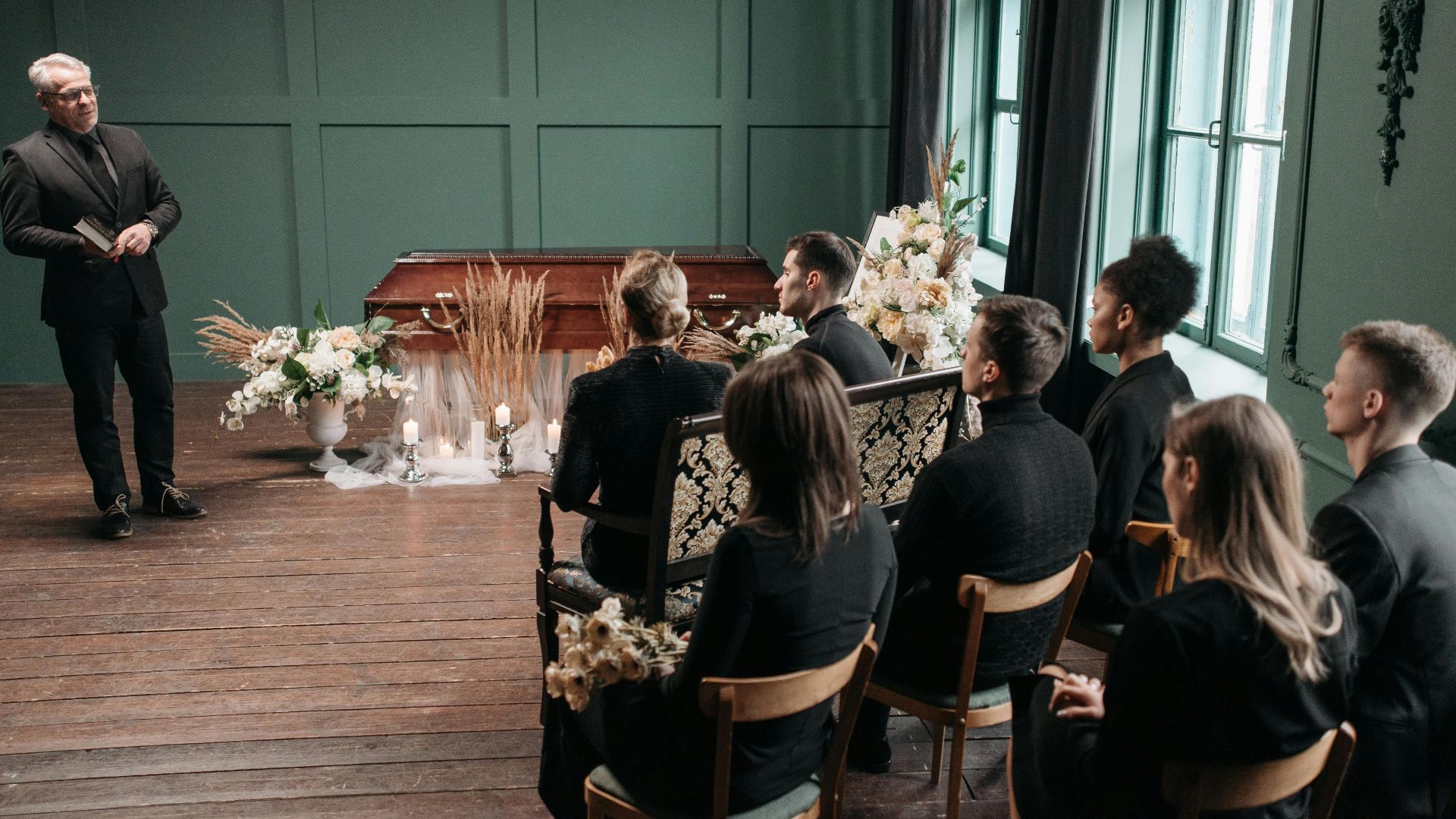
You can't know what they would've said about current events or situations. Guessing risks completely misrepresenting their actual beliefs and values. Let their real words and actions speak for them instead of creating fictional statements they never actually made or believed.
6. Don't Make It All About You
Your grief matters, but today's about them. Brief personal reflections work beautifully when balanced with stories about the person everyone came to honor. Too much focus on yourself shifts attention where it doesn't belong right now.
7. Leave Family Drama At Home
Every family has complicated dynamics and old wounds that haven't healed. Airing these conflicts publicly helps nobody and makes existing tensions worse. Memorials should unite people in shared remembrance, not resurrect arguments that divide and hurt even more than before.
 The Good Funeral Guide on Unsplash
8. Respect Private Health Struggles
Addiction, mental illness, and other battles are deeply personal topics. Even after death, sharing them without permission feels invasive. These struggles don't define someone's entire story, so focus on the fuller picture of who they were beyond challenges.

9. Skip The Soapbox Moment
This isn't your platform for political views or personal causes. Using someone's memorial to push agendas feels exploitative and wrong. Keep the focus on genuine remembrance and celebration of their life rather than advancing your own beliefs or convincing others.
10. Avoid Empty Clichés
Phrases like "they're in a better place" often ring hollow during grief. Not everyone shares the same beliefs about what happens after death. Be specific and personal instead of reaching for overused sayings that don't honor their unique life or acknowledge real loss.