10 Body Changes That Are Normal With Age & 10 That Are Worth Checking Out
In Case You've Been Wondering, "Is This Normal?"
Getting older comes with all kinds of changes, and not all of them are reasons to panic. Some shifts are just part of how the body moves through time, even if they’re a little annoying. Others are worth paying attention to because they can signal that something more than ordinary aging is going on. Knowing the difference can help you worry less about the usual stuff and speak up sooner about the things that deserve a closer look. Here are 10 body changes that are normal and 10 that are worth talking to your doctor about.
1. More Aches After Activity
It’s pretty common to notice that your body doesn’t bounce back quite as quickly after a long walk, a tough workout, or even a day of yard work. Muscles and joints tend to feel stiffer with age, especially if you’ve been sitting a lot or haven’t warmed up much. That doesn’t automatically mean something is wrong, even if it’s not exactly fun.

2. Needing Reading Glasses
At some point, a menu in dim lighting starts to feel like a personal attack. Trouble focusing on close-up text becomes more common with age because the lens in your eye gets less flexible over time. This change, often called presbyopia, is very common and usually sneaks up gradually. If it’s mostly about near vision and not sudden blurriness, it’s generally a routine part of getting older.

3. Gray Hair Showing Up
Gray hair is one of the most visible signs of aging, and it’s also one of the least mysterious. Hair follicles produce less pigment over time, so strands gradually lose their color. Some people go gray early, while others hold onto their original shade for years. Either way, silver strands on their own are usually just doing what hair does.

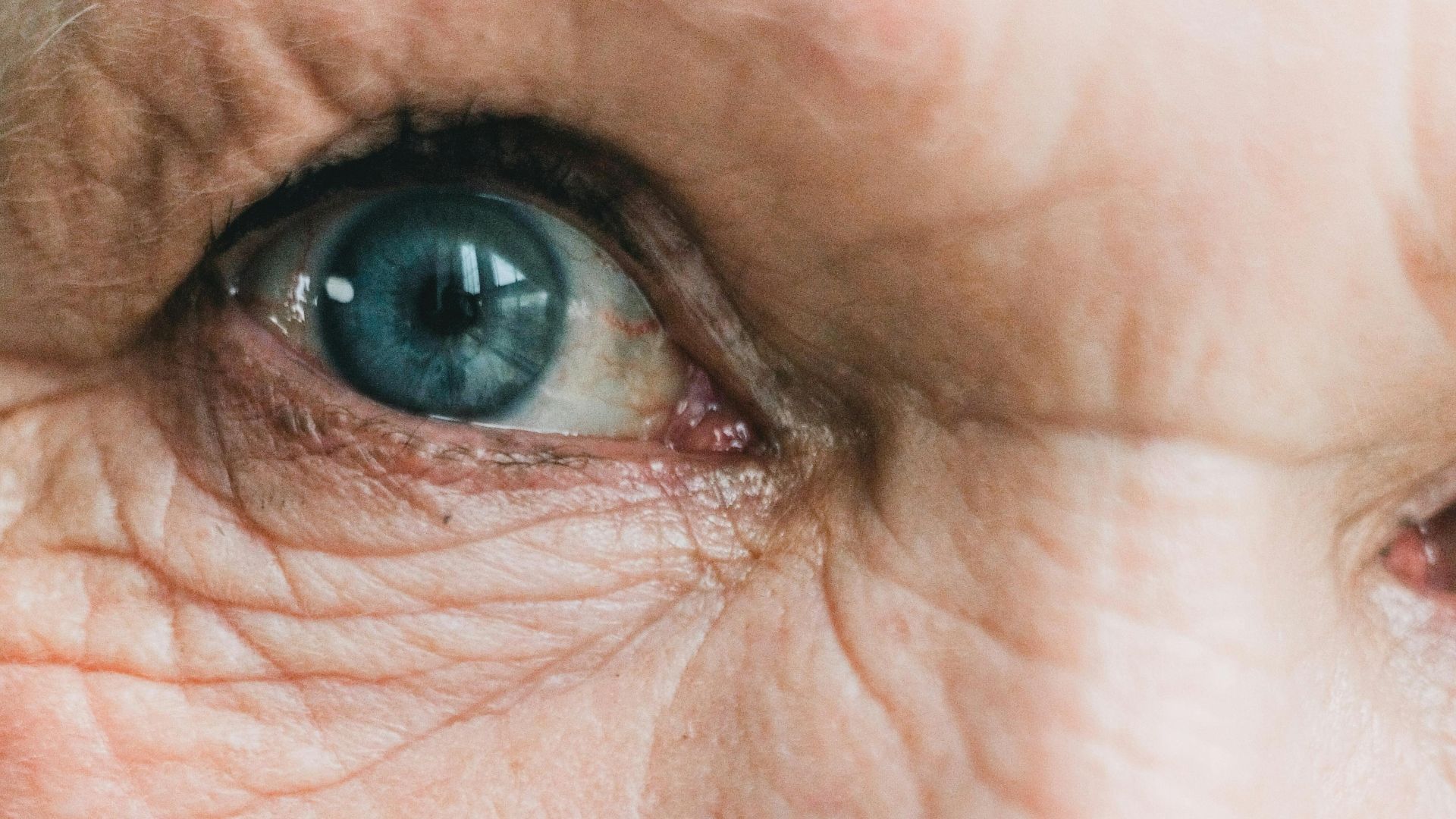
4. Skin Feeling Drier
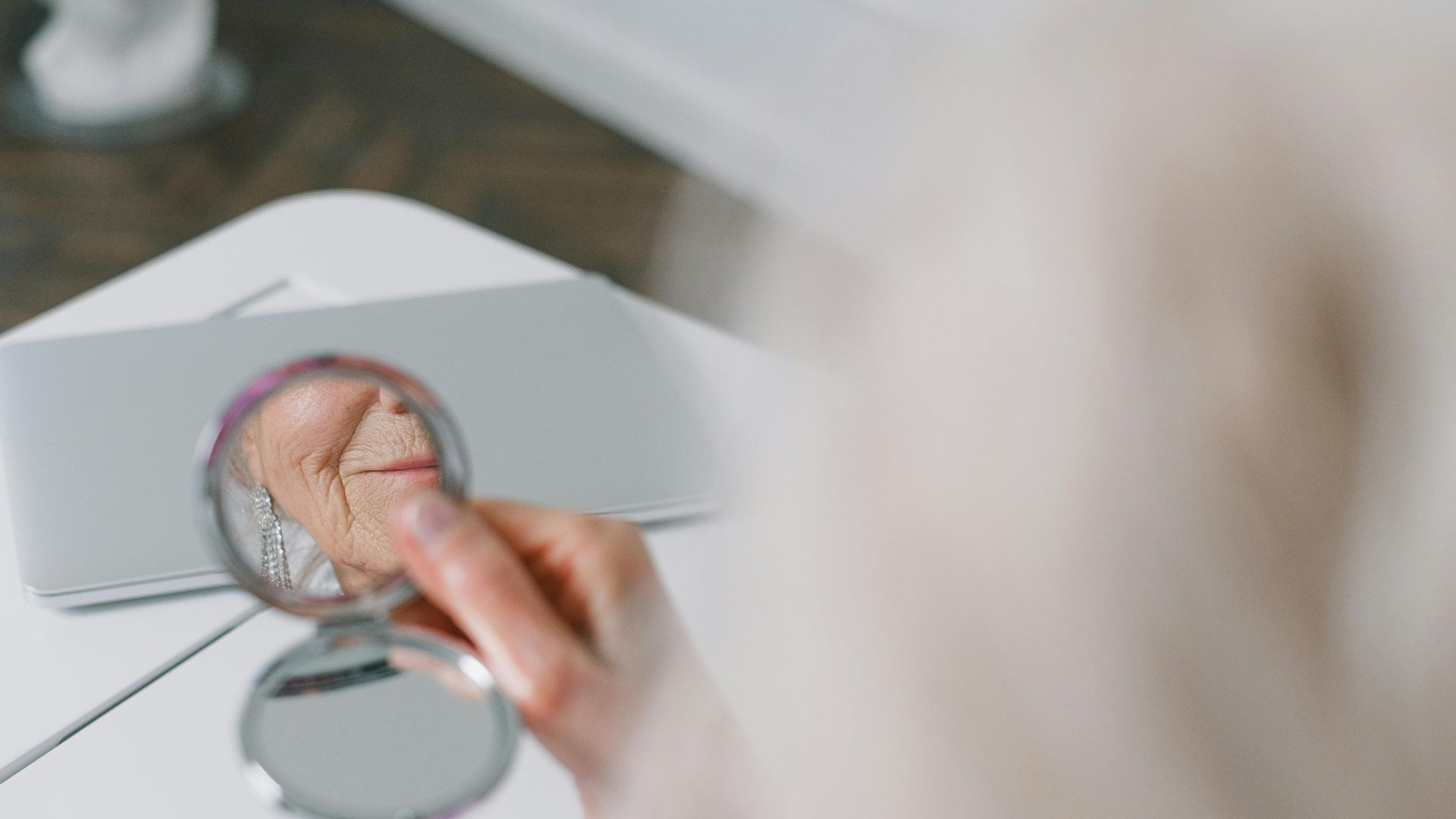
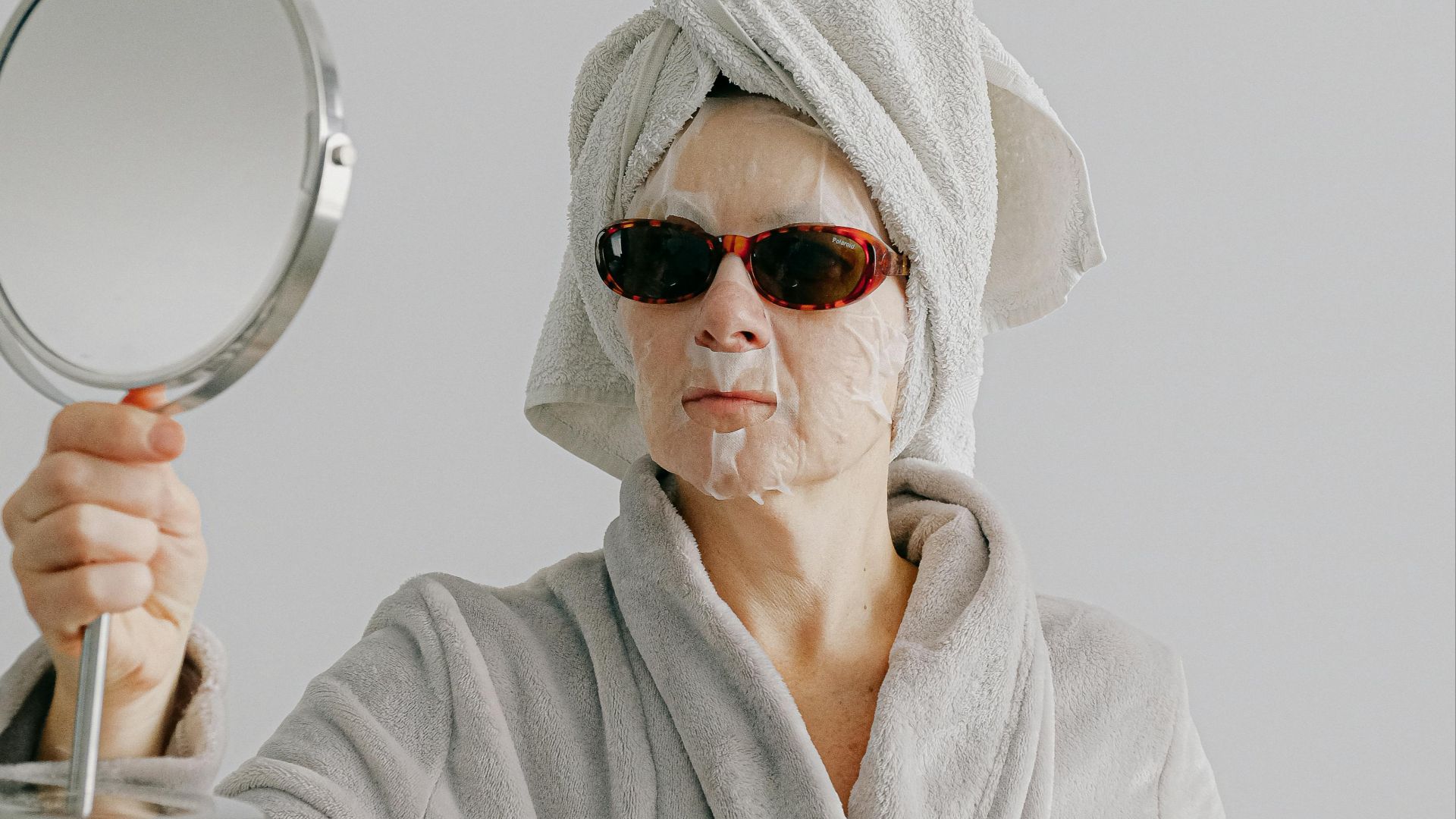
You may notice that your skin starts asking for moisturizer more often than it used to. As you age, your skin produces less oil, which can leave it feeling drier, thinner, or a little less plump. While it can be irritating, it’s often a standard change rather than a sign of trouble.
5. Losing a Bit of Muscle Tone
Even if your weight stays the same, your body composition can change over the years. Muscle mass tends to decline gradually with age, especially if strength training hasn’t been part of your routine. That can make you feel a little less firm or a little less powerful doing everyday tasks. It’s common, and it’s also one of the reasons movement matters more as the years go on.

6. Sleeping Lighter
Aging doesn’t always mean sleeping less, but it can mean sleeping differently. Many people find they wake up more easily, drift off earlier, or feel less thrilled by late-night plans than they did in younger years. Changes in sleep patterns can happen as your body clock shifts with age. As long as you’re still getting enough rest overall, lighter sleep alone isn’t always a red flag.
7. Hearing Becomes Slightly Less Sharp
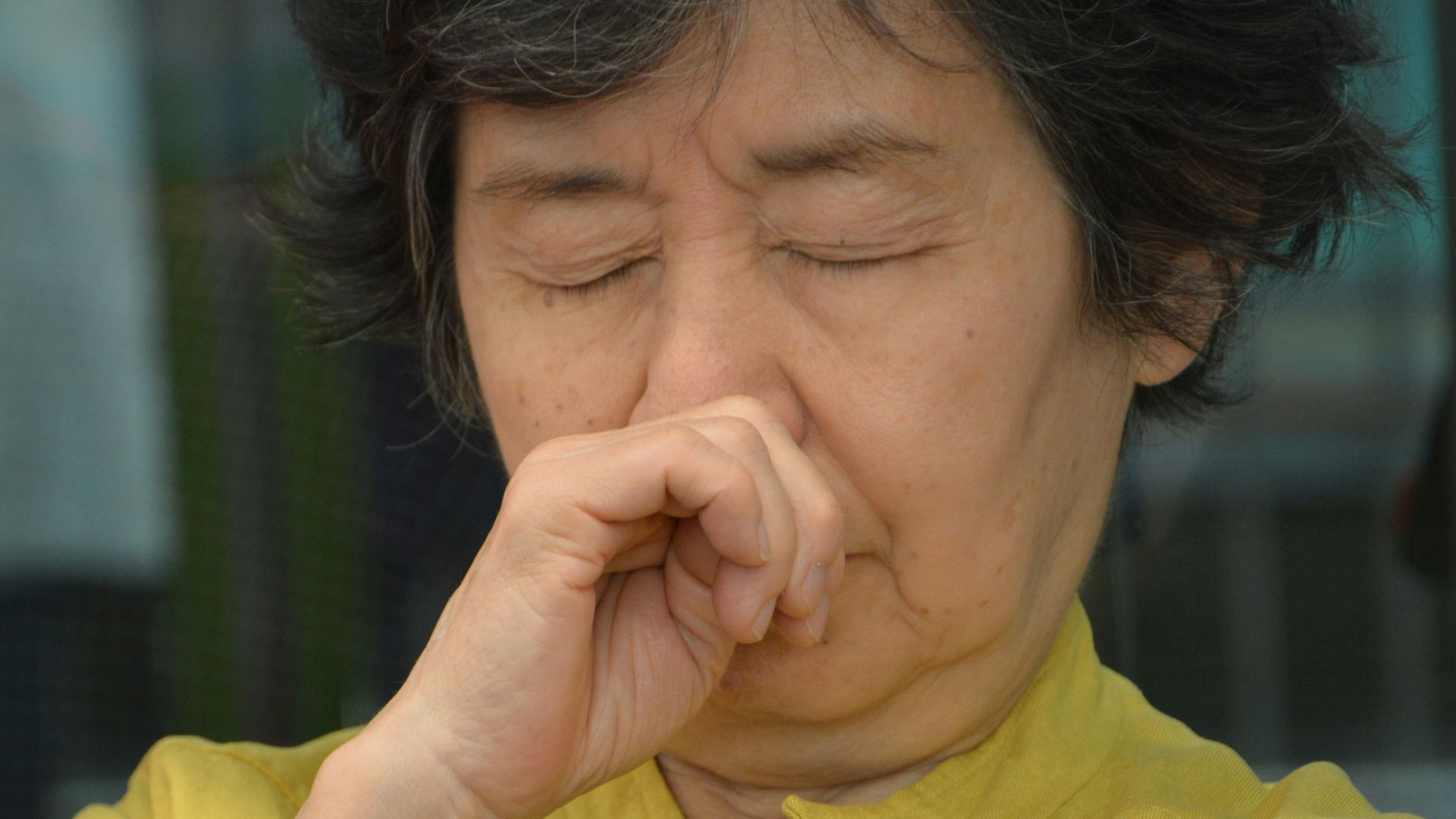
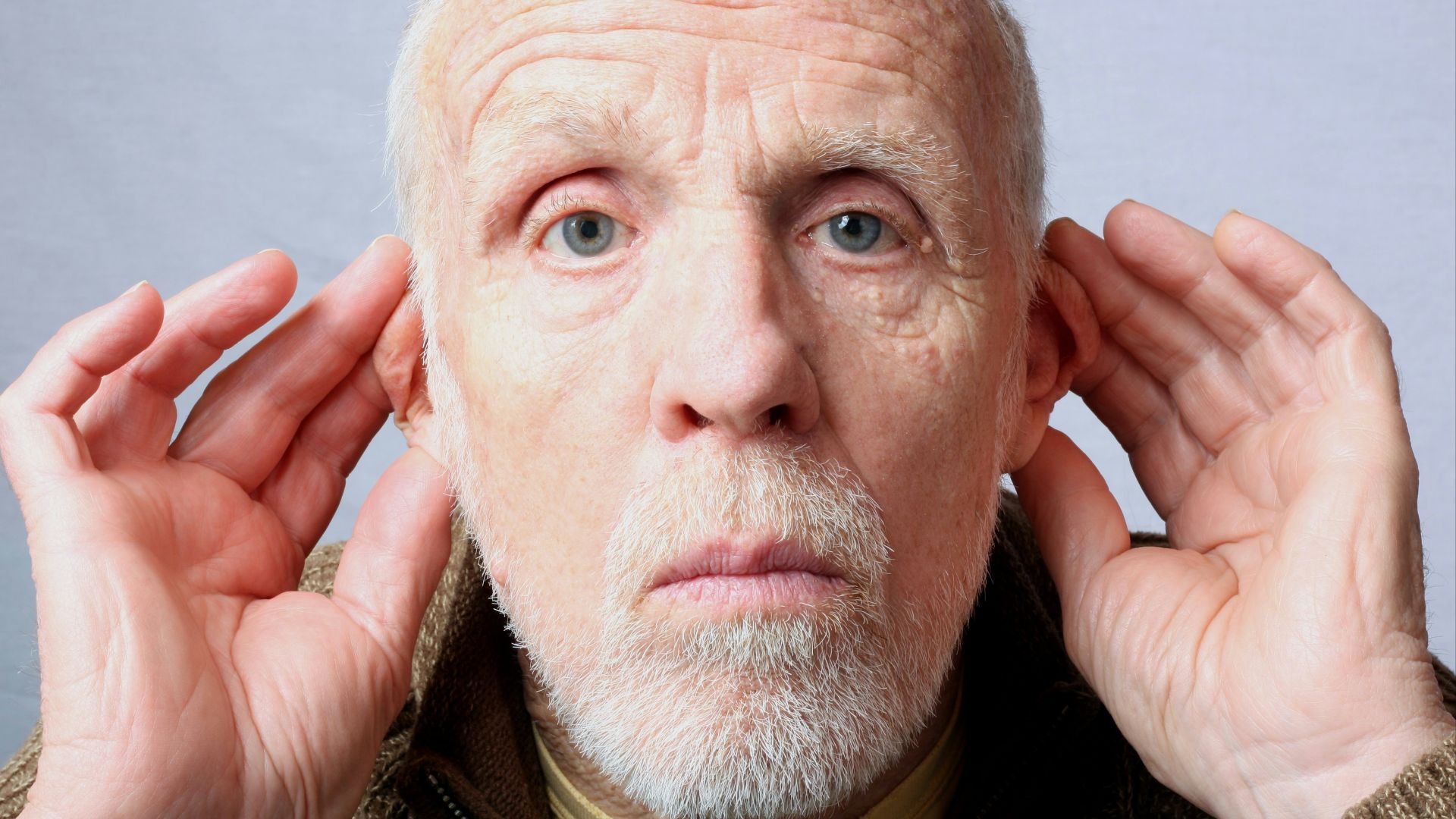
Sometimes it starts with turning up the TV a little more than everyone else wants. Age-related hearing changes often affect higher-pitched sounds first, which can make conversations in noisy places feel harder to follow. It may be inconvenient, but it's generally normal.
8. Balance Feeling Less Automatic
You might notice that standing on one foot, climbing down stairs, or moving quickly on uneven ground doesn’t feel quite as effortless as it once did. Small changes in vision, muscle strength, and inner ear function can all affect balance as you get older.
 Christophe Hautier on Unsplash
9. Metabolism Slowing Down
A lot of people find that the habits that worked in their twenties stop being quite so forgiving later on. Metabolism can slow with age, and lower muscle mass often plays a role in that shift. You may gain weight more easily or have to be more intentional about staying active. That change is common, even if it feels unfair.

10. Recovery Taking Longer
Cuts, bruises, and post-workout fatigue may stick around a bit longer than they used to. The body’s repair processes tend to slow down with age, so healing can become less speedy over time. If things are healing more slowly but steadily, that can still fall within the normal range.

Now that we've talked about the normal body changes that happen with age, let's cover the ones that may not be so normal.
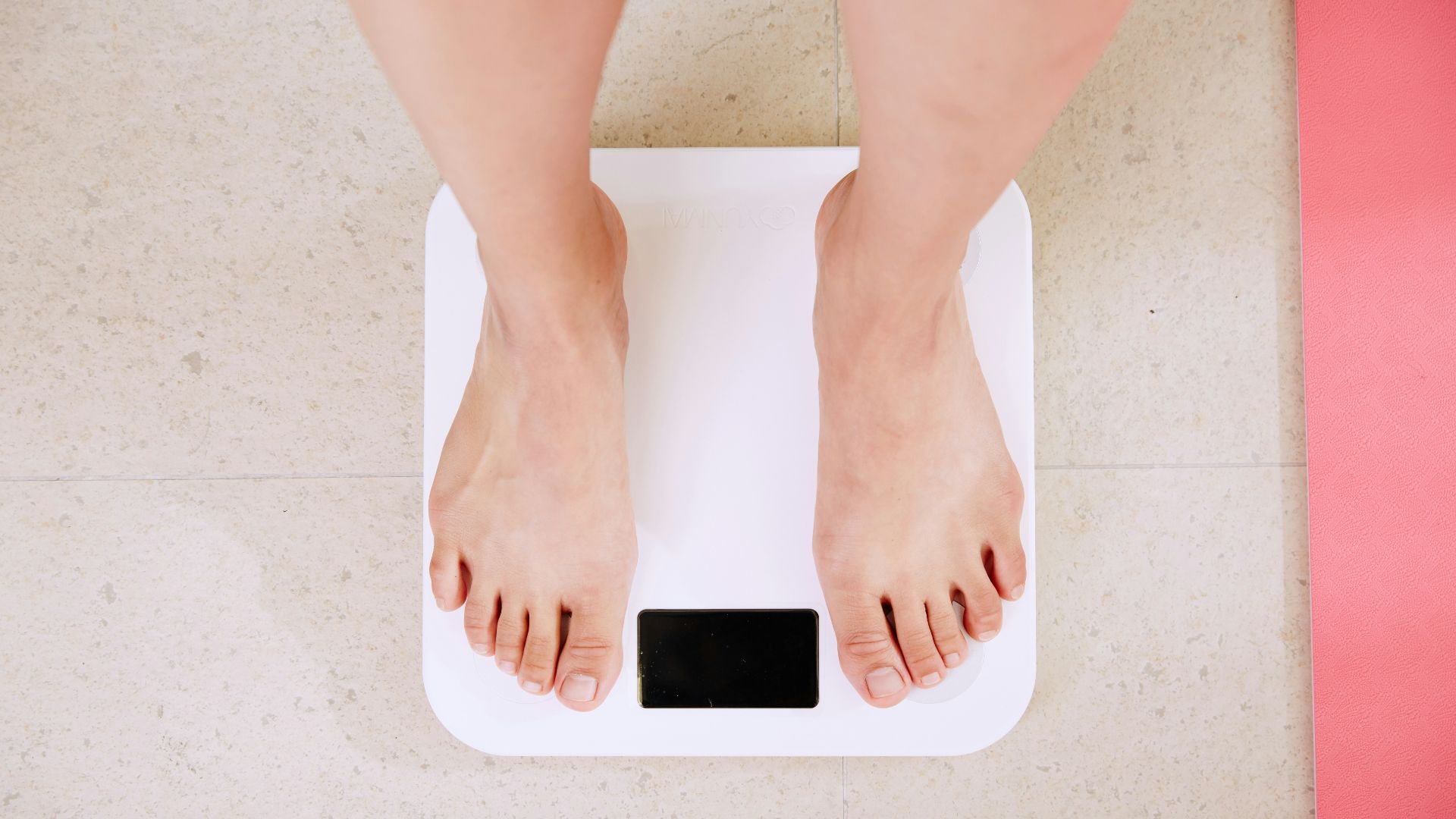
1. Unexplained Weight Loss
Losing weight without trying might sound appealing in theory, but it’s not something to shrug off. When pounds drop without changes to your eating or activity, it can point to issues such as thyroid problems, digestive conditions, diabetes, or other medical concerns. The key word here is unexplained. If your body is changing in a way you didn’t plan and can’t account for, it’s worth bringing up with a doctor.
2. Chest Pain or Pressure
Pressure, pain, tightness, or a strange, heavy feeling in the chest can sometimes signal heart or lung problems, and it shouldn’t be brushed off as just getting older. Even if it comes and goes, it deserves attention. This is especially true if it happens with shortness of breath, sweating, nausea, or dizziness.

3. New or Worsening Shortness of Breath
It’s one thing to get winded after sprinting for a bus, and it's normal not to be in the same shape you were when you were 20. However, if you're breathless doing activities that used to be easy, like walking across a room or climbing a few steps, it may be worth checking out. Shortness of breath that’s new, persistent, or getting worse can be related to heart, lung, or other health issues.

4. Sudden Memory Problems
Misplacing your keys once in a while is ordinary human behavior, not a medical mystery. What deserves more attention is sudden confusion, major memory decline, or trouble managing familiar tasks that used to be routine. When cognition changes quickly or starts interfering with daily life, going beyond the usual “where did I put my glasses” moment, a healthcare professional should weigh in.
 Antoni Shkraba Studio on Pexels
5. Blood in Stool or Urine
This is one of those symptoms that should not get the “I’ll just keep an eye on it” treatment for too long. Blood in stool or urine can have a range of causes, from infections to hemorrhoids to more serious conditions, but none of those are things that should be shrugged off. Color changes can matter too, especially if stools look black and tarry. If you notice it, get medical advice.

6. Persistent Fatigue
Feeling tired after a busy week is normal, but ongoing exhaustion that doesn’t improve with rest is a different situation. Lingering fatigue can be tied to sleep issues, anemia, thyroid problems, depression, infections, or other health conditions. It’s also easy to miss because people often assume being worn out is just part of adult life. If your energy has clearly taken a dive and stays there, it deserves more than a shrug.
7. A New Lump or Unusual Swelling
Bodies are full of quirks, but a new lump, bump, or area of swelling shouldn’t be ignored without at least some attention. Many causes are harmless, yet it’s still important to know what you’re dealing with rather than guessing. If something is growing, feels firm, looks unusual, or doesn’t go away, it’s time to get it checked.
8. Frequent Falls or Major Balance Changes
A slight dip in balance can happen with age, but frequent falls are a different matter altogether. Falling more often can be related to medication side effects, nerve problems, inner ear issues, vision changes, or other health concerns. It also raises the risk of injury, which can be dangerous, so talk to your doctor if your balance changes sharply.

9. Ongoing Changes in Bathroom Habits
Everybody’s digestion has its moments, but lasting changes in bowel or bladder habits deserve attention. That includes constipation, diarrhea, urgency, leakage, or having to pee far more often than usual without a clear reason. When a pattern shifts and stays shifted, it can point to infections, medication effects, pelvic floor issues, or other medical problems.
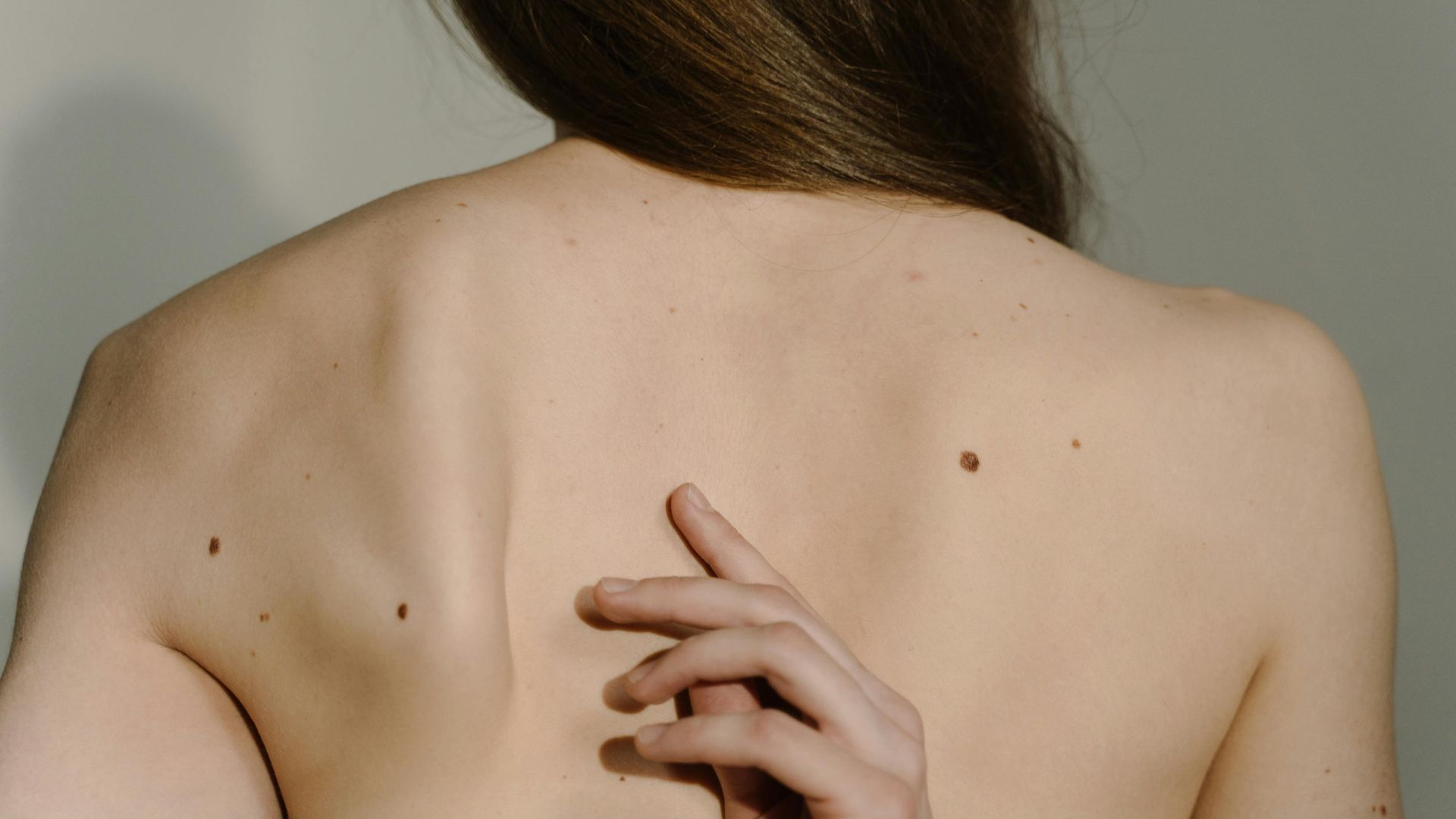
10. Unusual Skin Changes
Aging skin naturally develops wrinkles, spots, and texture changes, but some skin changes shouldn’t be lumped in with the ordinary stuff. A mole that changes shape or color, a sore that won’t heal, or a spot that starts bleeding or crusting is worth having examined. Skin cancer and other conditions can show up quietly, which is why paying attention matters.