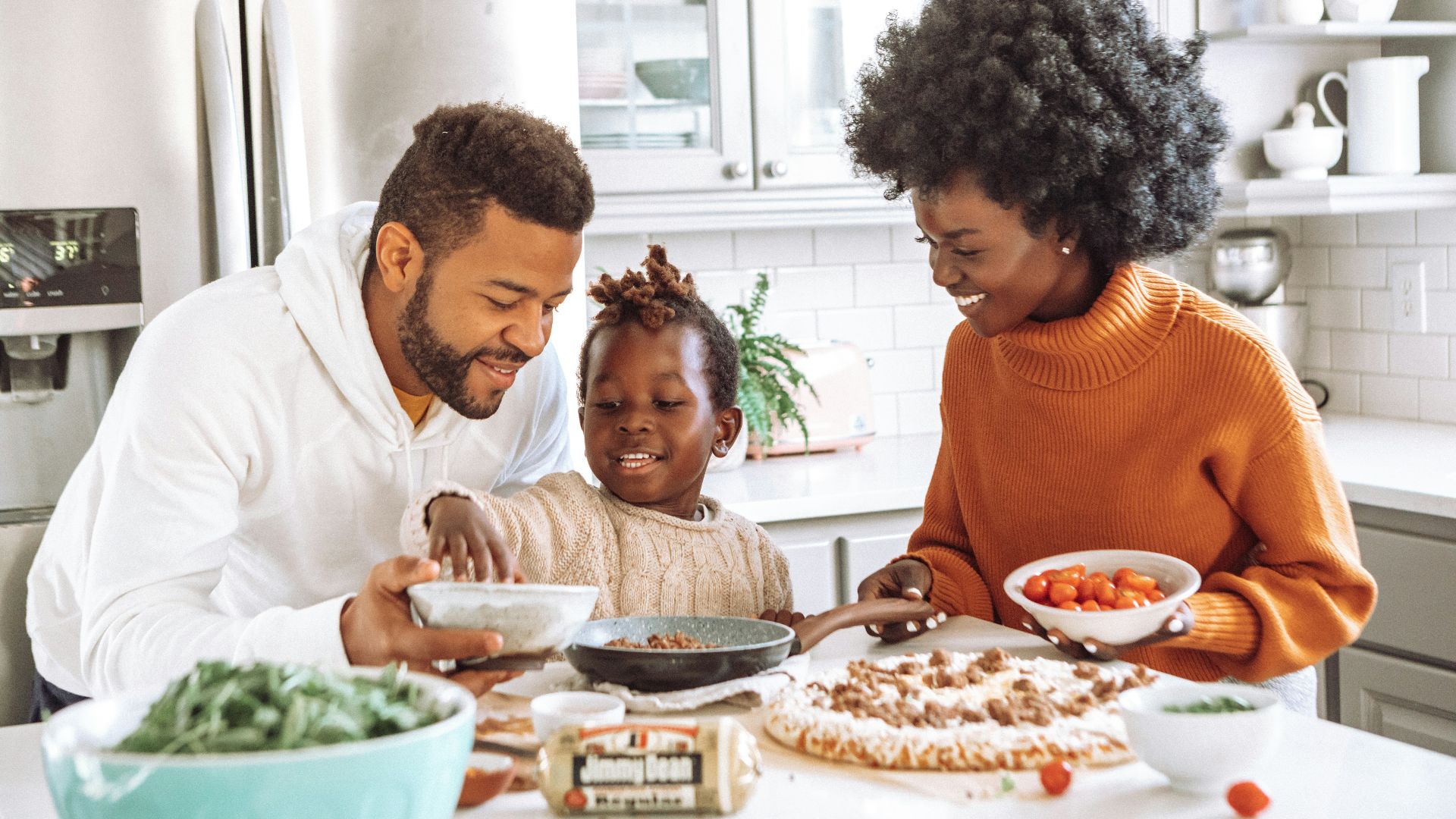
Life has become busier than ever, and finding time for everyone to sit down together can feel surprisingly difficult. Between work schedules, school, extracurricular activities, and endless notifications, it's easy for meals to become something everyone grabs on the go. Yet despite those challenges, sharing dinner around the same table remains one of the simplest ways to stay connected.
Family dinners don't have to be elaborate or happen every single night to make a difference. Whether it's homemade pasta, takeout pizza, or leftovers from the night before, the conversation often matters far more than what's on the plate. Those regular moments of connection can strengthen relationships in ways that are difficult to replace elsewhere.
A Daily Opportunity to Stay Connected
For many families, dinner may be the only time everyone is in the same room without rushing somewhere else. Sitting together creates a natural opportunity to talk about the day's successes, frustrations, and funny moments. Even brief conversations help family members stay involved in one another's lives without feeling forced.
Children especially benefit from having a predictable time when they know someone will listen. Instead of asking broad questions, parents can naturally learn about teachers, friendships, and new interests as the conversation unfolds. Those small discussions often reveal much more than planned check-ins ever could.
Adults gain just as much from these gatherings. After a long day, sharing a meal gives everyone permission to slow down and shift their attention away from work emails and daily responsibilities. That simple routine helps create a stronger sense of belonging within the household.
Building Healthy Habits That Last
Family dinners also encourage healthier routines beyond simply eating together. Meals prepared at home often include more balanced ingredients than fast food or heavily processed convenience meals. While no family eats perfectly all the time, cooking and sharing food regularly can make nutritious choices feel more achievable.
Children also learn valuable life skills simply by watching and participating. Setting the table, helping prepare dinner, or cleaning up afterward teaches responsibility while making everyone feel like they contributed. Those everyday tasks may seem small now, but they often become lifelong habits.
The dinner table is also where many families pass along traditions that might otherwise disappear. Favorite recipes, holiday customs, and stories about grandparents naturally find their way into conversation while everyone eats. Over time, those shared experiences become part of a family's identity and create memories that last long after the meal is over.
A Break From Constant Digital Distractions
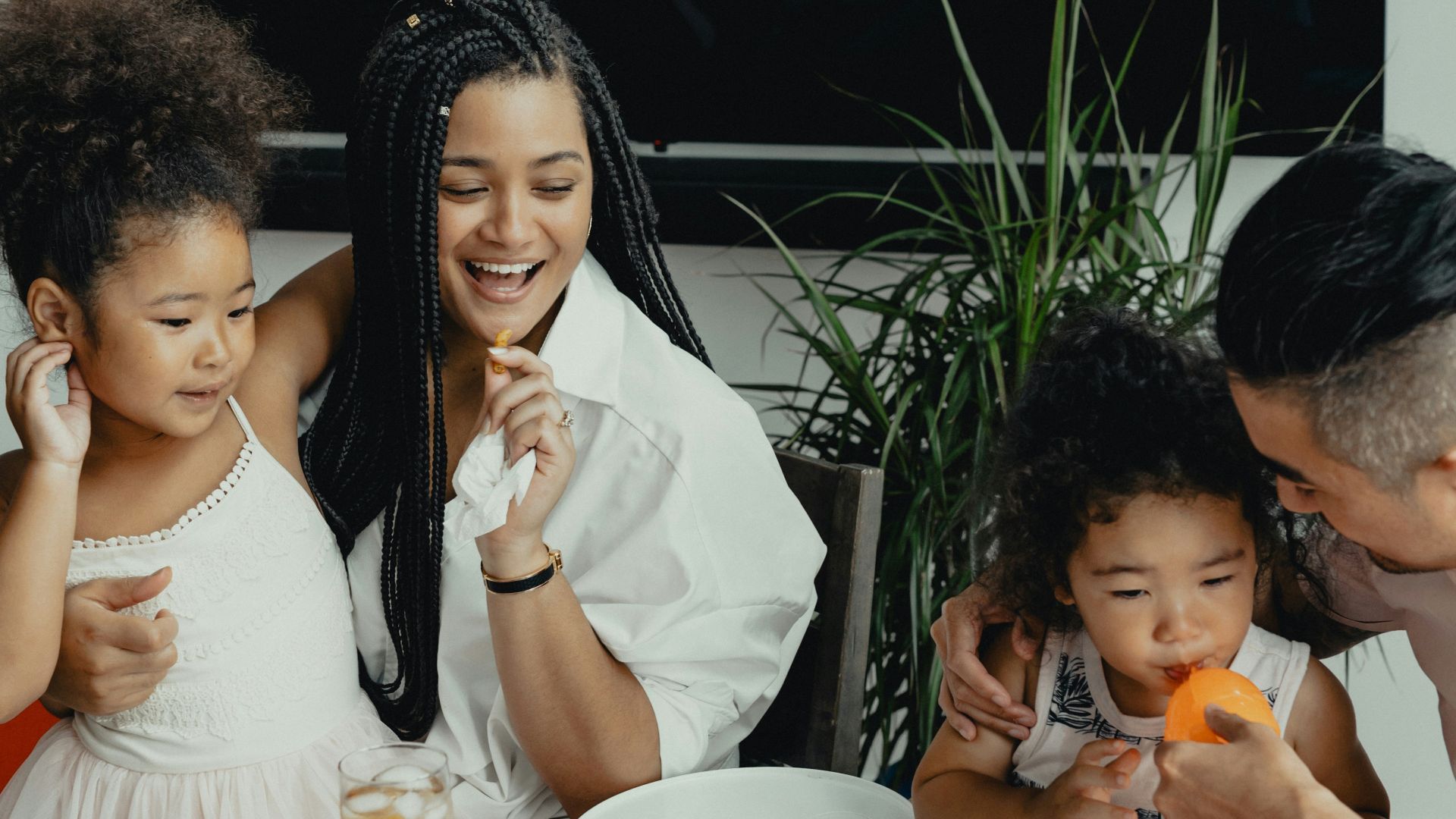
Technology has made it easier than ever to stay connected with people across the world, yet it often pulls attention away from the people sitting right in front of you. Phones, tablets, televisions, and laptops compete for everyone's focus throughout the day. Making dinner a screen-free time allows genuine conversations to happen without constant interruptions.
Children also notice when adults put their devices aside. Parents who model attentive listening and engaged conversation show that face-to-face interactions deserve their full attention. That example often has a greater impact than repeatedly reminding children to spend less time on screens.
Why It Matters More Today Than It Did Before
Modern life pulls families in countless directions, making uninterrupted time together increasingly rare. Both parents often juggle demanding jobs while children balance school, sports, clubs, and social activities, leaving little room for meaningful conversations. Even when everyone is home, phones and streaming services can quietly replace face-to-face interaction. Sitting down for dinner creates one of the few opportunities to reconnect without competing distractions.
That consistency becomes even more valuable as daily life grows busier. Research has repeatedly linked regular family meals with stronger communication, better emotional well-being, and healthier eating habits among children and teens. While no single tradition can solve every challenge, sharing dinner provides a dependable space where family members can check in, celebrate successes, and support one another. In a fast-moving world, that sense of connection is something many households need now more than ever.
Creating Stability During Uncertain Times
Life inevitably brings stressful seasons, whether they're caused by job changes, financial pressures, health concerns, or busy schedules. During those periods, familiar routines become especially valuable. Knowing that everyone will gather around the dinner table provides a sense of consistency even when other parts of life feel unpredictable.
Regular meals also create opportunities to recognize when something seems different. A child who suddenly becomes unusually quiet or an adult who appears overwhelmed may open up naturally during dinner instead of during a formal conversation. Those subtle moments allow families to offer support before problems grow larger.
Perhaps most importantly, family dinners remind everyone that they belong to something bigger than themselves. Spending even thirty minutes together reinforces the idea that home is a place where people listen, encourage one another, and celebrate everyday victories. In a world that often feels increasingly rushed and disconnected, that simple tradition may be more meaningful today than ever before.