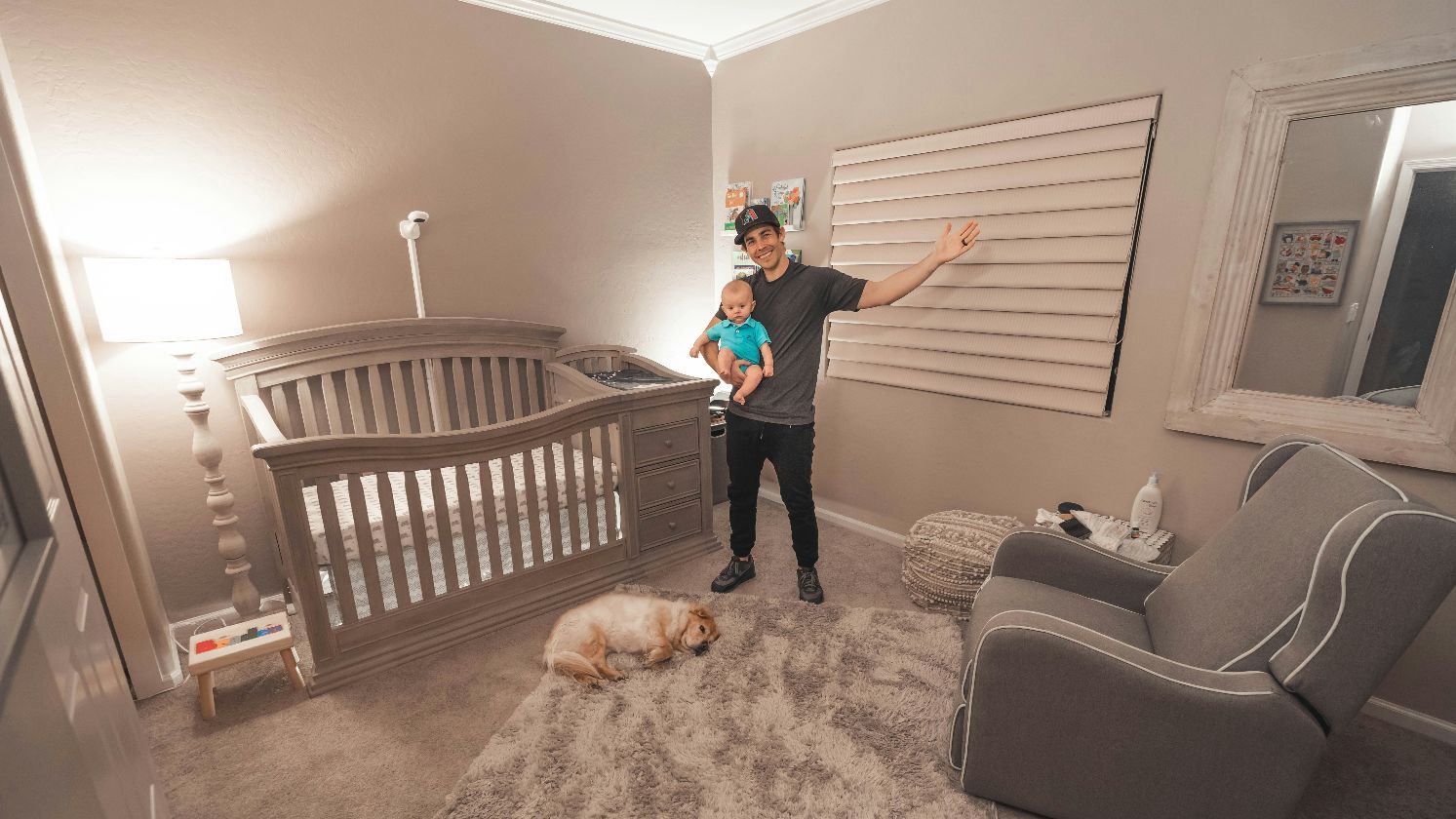
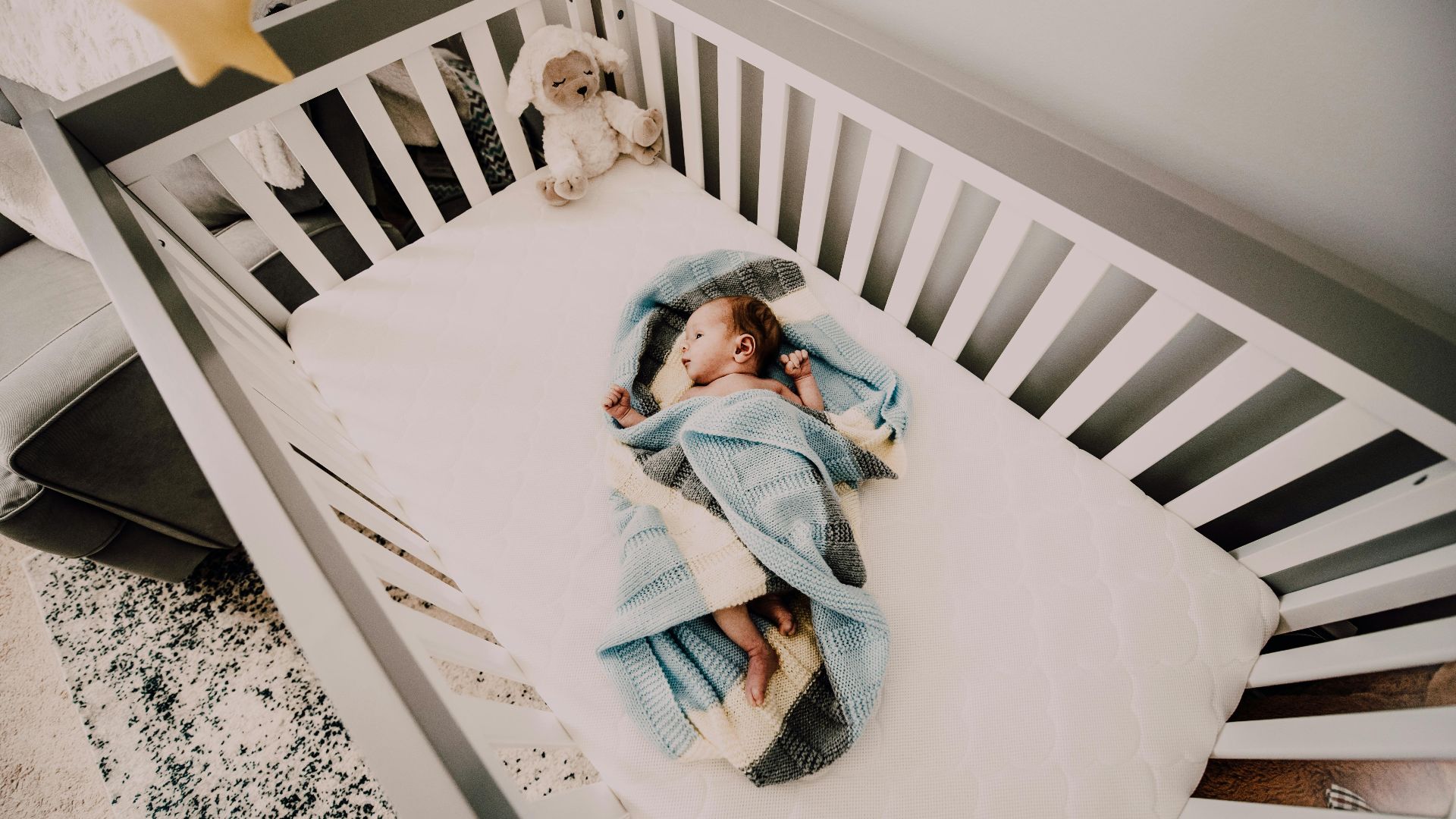
At some point, most parents start wondering when their baby should sleep in a separate room. The question often comes up during late-night feedings or after weeks of broken sleep. Some families feel eager for the change, while others hesitate because of safety concerns or emotional comfort. On top of everything, advice online can feel overwhelming, especially when different timelines appear everywhere.
The truth sits somewhere in the middle. Medical guidance offers a starting point, but every baby and household works a little differently. Understanding what experts recommend, why those guidelines exist, and how babies change over time helps parents decide without pressure or guilt.
What Sleep Safety Guidelines Actually Say
Sleep safety drives most official recommendations about where babies should sleep. Health authorities agree that babies should sleep on a firm surface, free of loose blankets, pillows or toys. During early infancy, experts also encourage keeping babies close at night rather than placing them in a separate room right away.
Pediatric sleep guidance from the American Academy of Pediatrics encourages families to have infants sleep in the parents’ bedroom, using a crib or bassinet of their own, during the first six months. This setup makes nighttime feeding and comforting easier while supporting safer sleep during a vulnerable stage. However, room sharing does not mean sharing a bed. Babies should always have their own crib or bassinet designed for infant sleep. These recommendations focus on reducing sleep-related risks while recognizing the realities of caring for a newborn at night.
Why Many Families Transition Around Six Months
Around six months, many babies begin sleeping for longer stretches and develop more predictable routines. Parents often notice fewer overnight feedings and easier settling after brief wake-ups. At the same time, babies gain better head and body control, which changes how they move during sleep.
This stage often feels like a natural point to consider a nursery move, but it is not a requirement. Some babies still wake frequently or need nighttime feeds well past six months. Others may sleep better with a bit more distance from household noise. Pediatric guidance allows flexibility as long as safe sleep practices stay in place. The goal is not independence on a schedule, but rest that works for both baby and caregivers.
How To Make The Change Feel Less Stressful
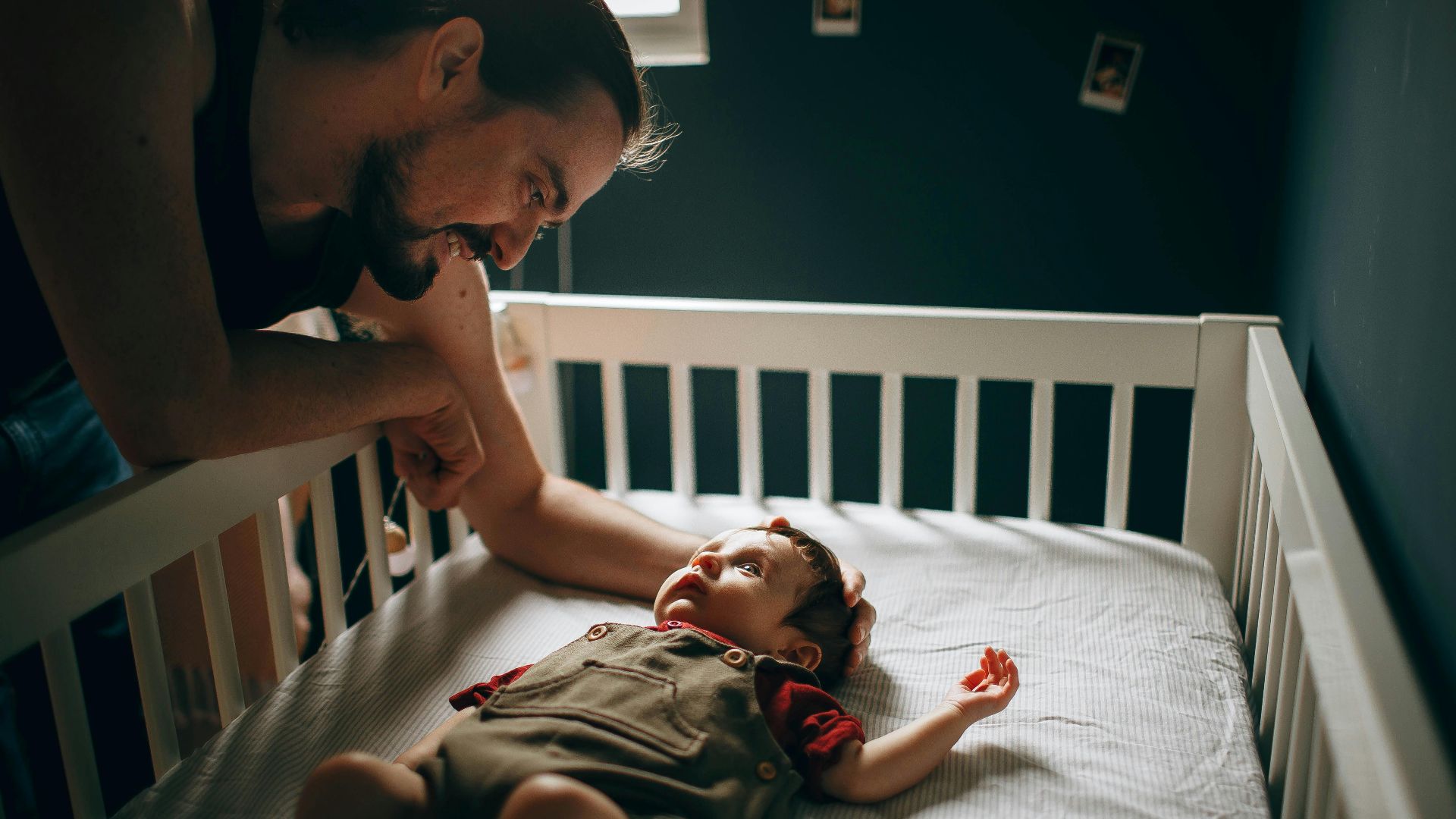
When families decide to move a baby into a separate room, small steps help the transition feel smoother. Spending time in the nursery during the day builds familiarity, while short naps in the crib can help the baby adjust before sleeping there overnight. These quiet introductions often reduce disruption once nighttime sleep begins.
Keeping the same bedtime routine also matters. Familiar steps like feeding, reading, or dimming the lights signal sleep even in a new space. A baby monitor offers reassurance without constant check-ins. If sleep becomes unsettled, it is fine to pause or adjust the plan. Moving a baby to their own room is not a one-way door. The process works best when parents stay flexible and respond to how the baby handles the change.