20 Ways Parents Accidentally Teach Kids to Hide Their Feelings
Kids Learn What Feels Safe to Share
Most parents don't set out to teach their children to hide sadness, anger, fear, embarrassment, or disappointment. It usually happens in tiny everyday moments, when adults are tired, busy, stressed, or trying to keep the day moving. A child may learn that certain feelings create trouble, slow everyone down, or make the adults uncomfortable. Over time, they may decide it's easier to look fine than to explain what's really going on inside. Here are 20 ways parents accidentally teach their kids to hide their feelings.
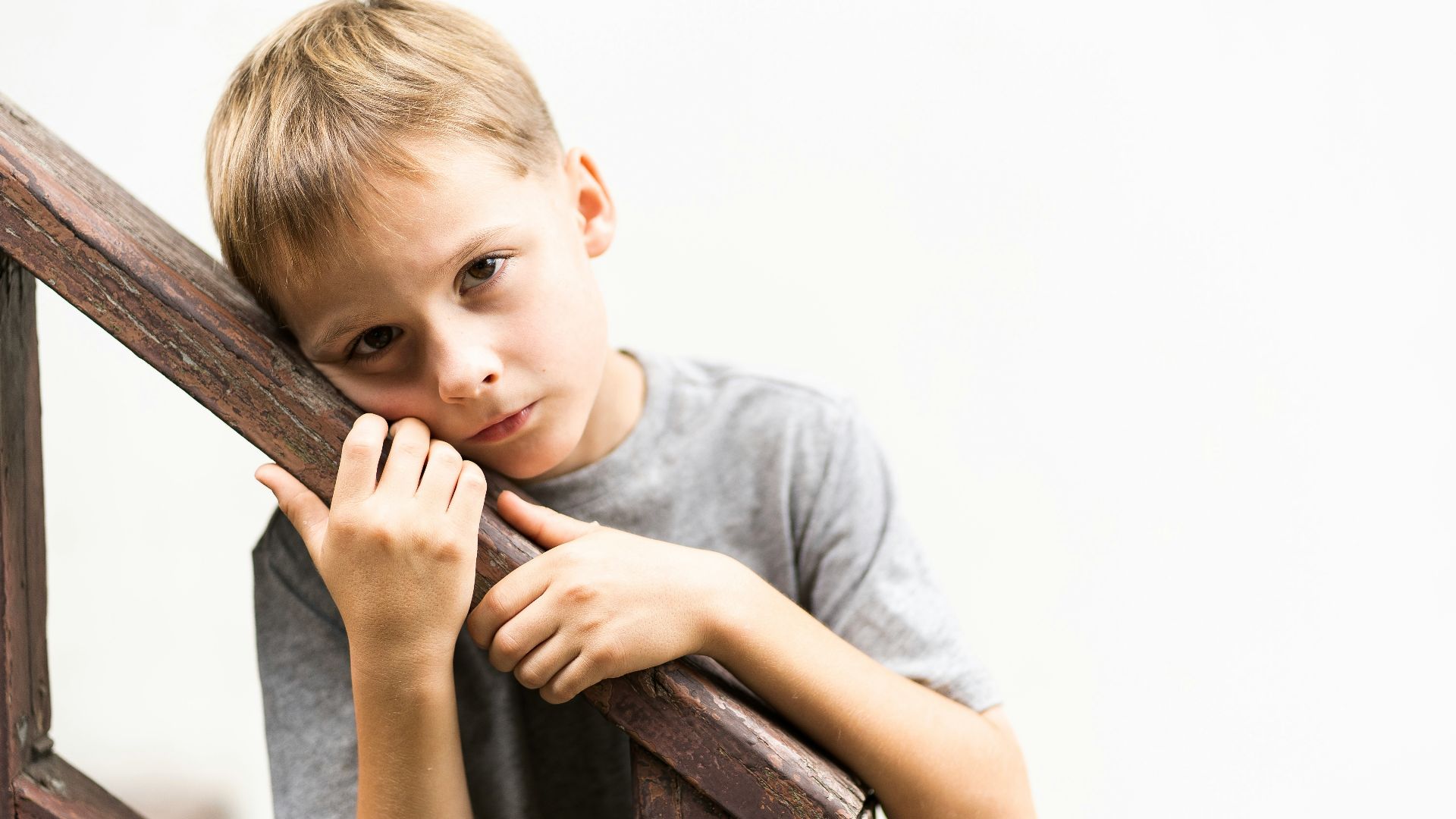
1. Telling Them “You’re Fine”
Saying “you’re fine” can come out automatically when a child falls, cries, or gets upset. Parents often mean it as reassurance, but it can sound like the feeling is being dismissed. A child may start to think they're supposed to ignore pain or embarrassment instead of naming it.
 Xavier Mouton Photographie on Unsplash
2. Rushing Them Through Tears
Busy parents sometimes want crying to end quickly because dinner, bedtime, school, or errands are waiting. The problem is that kids can hear urgency as disapproval. If they're repeatedly hurried through sadness, they may begin hiding it to avoid being inconvenient.
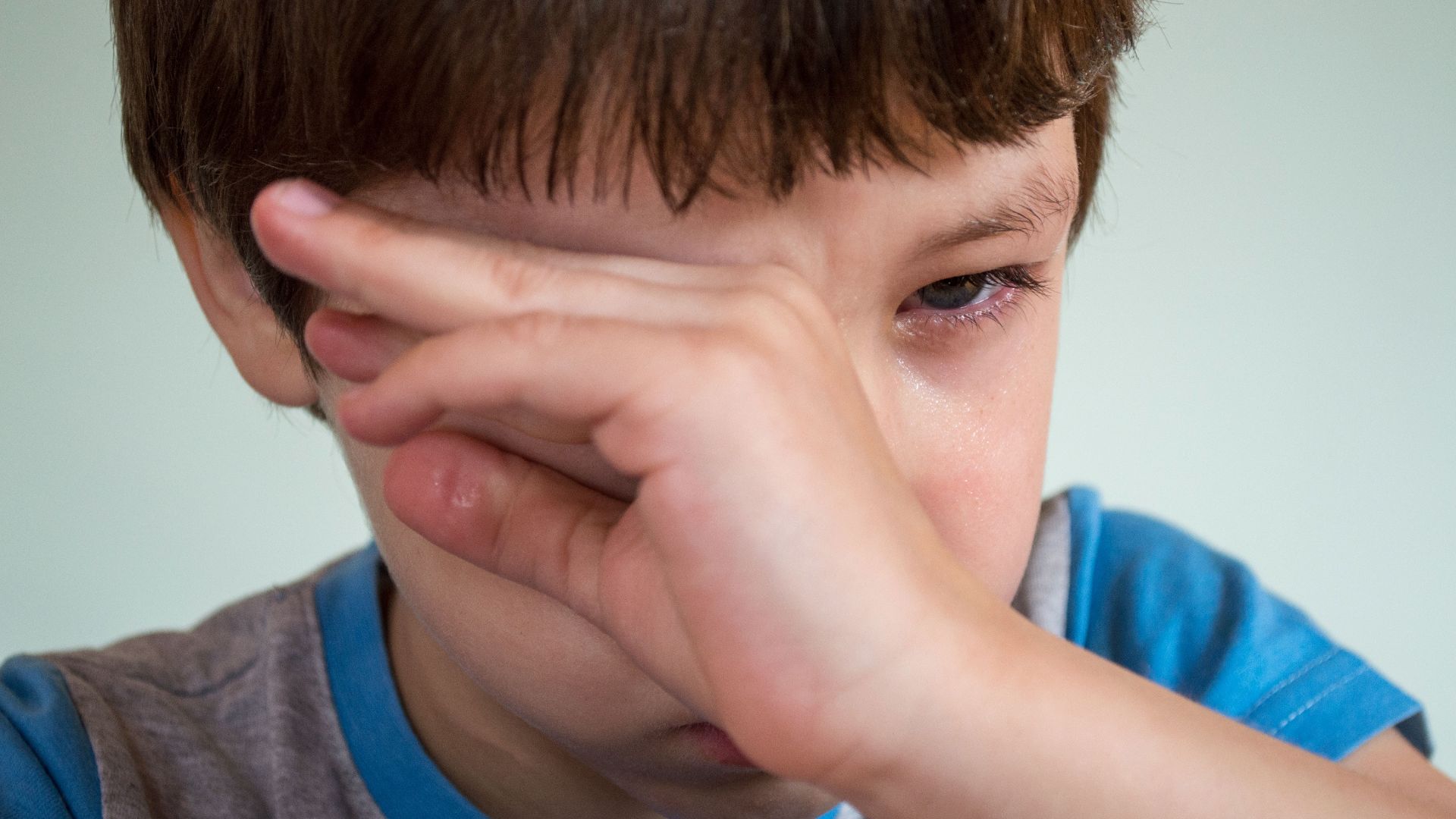
3. Praising Them Only for Being “Easy”
Calling a child “so easy” or “never any trouble” can sound positive, but it may create pressure. Some kids learn that being loved means being low-maintenance. They may stop sharing hard feelings because they don't want to lose the identity adults admire.

4. Reacting Strongly to Their Anger
A child’s anger can be loud, messy, and very poorly timed. When parents respond with shock, punishment, or fear, the child may decide anger is unsafe to show. That doesn't make the anger disappear; it just teaches the child to bottle it, disguise it, or let it leak out sideways.
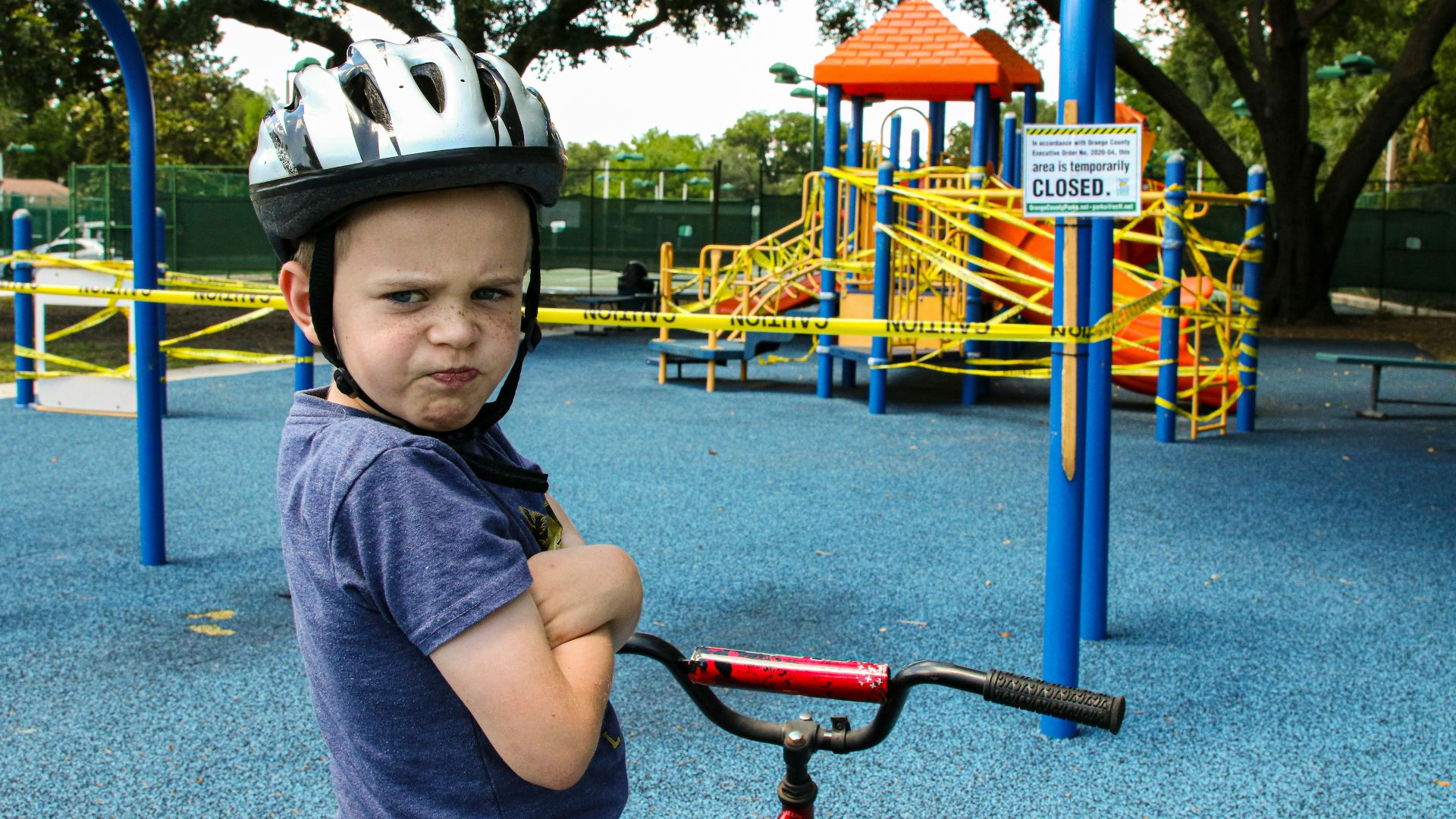
5. Making Fun of Their Worries
Adults can forget how big small worries feel to children. A fear of the dark, a school presentation, or a friendship problem may seem minor from the parent side. If a child gets laughed at or teased for worrying, they may stop bringing those worries forward.
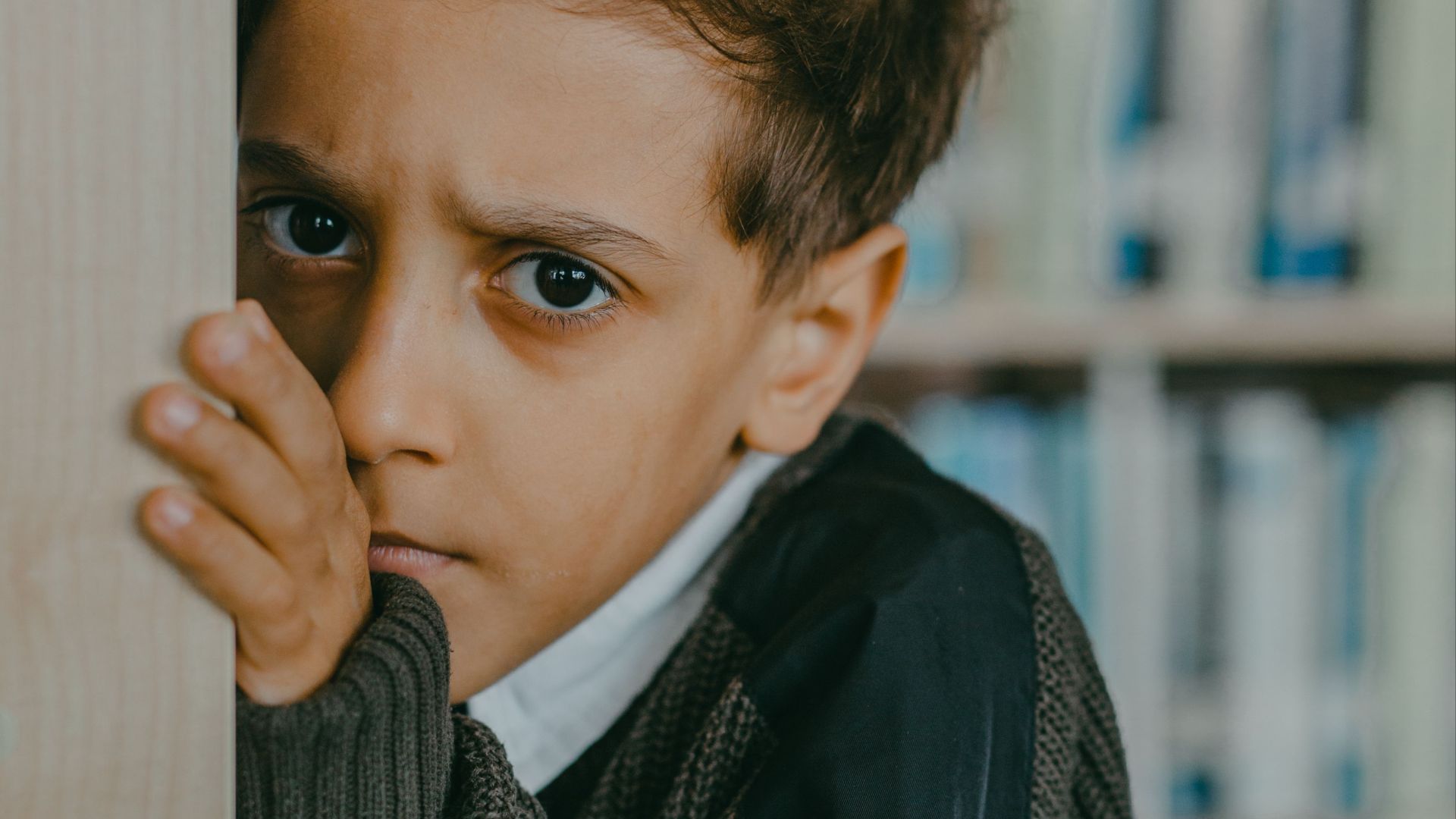
6. Comparing Them to a Calmer Sibling
Saying “your sister doesn’t act like this” rarely helps. It can make a child feel defective for having a stronger emotional reaction. Instead of learning regulation, they may learn shame and competition.

7. Treating Sensitivity Like a Flaw
Some children feel things deeply, notice tone quickly, and react strongly to disappointment. If parents call them dramatic, fragile, or too sensitive, the child may start hiding their reactions. They may believe their natural emotional style is a problem that other people have to tolerate.
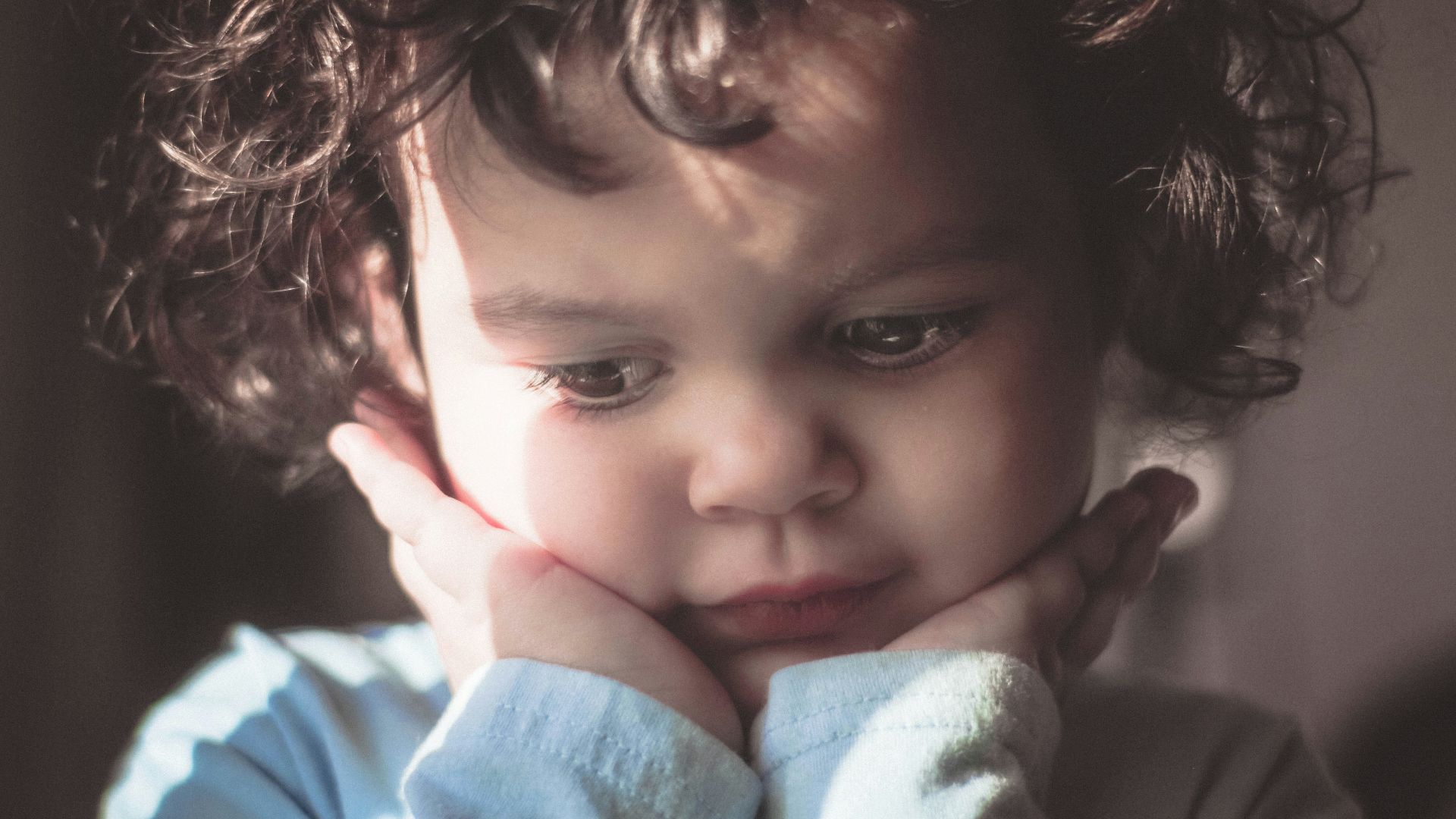
8. Only Listening When They Explode
If a child’s smaller signals are missed, they may learn that big reactions are the only ones that get attention. A quiet “I don’t want to go” may be ignored, while a meltdown finally stops the room. Over time, the child may not know how to share feelings before they reach the breaking point.
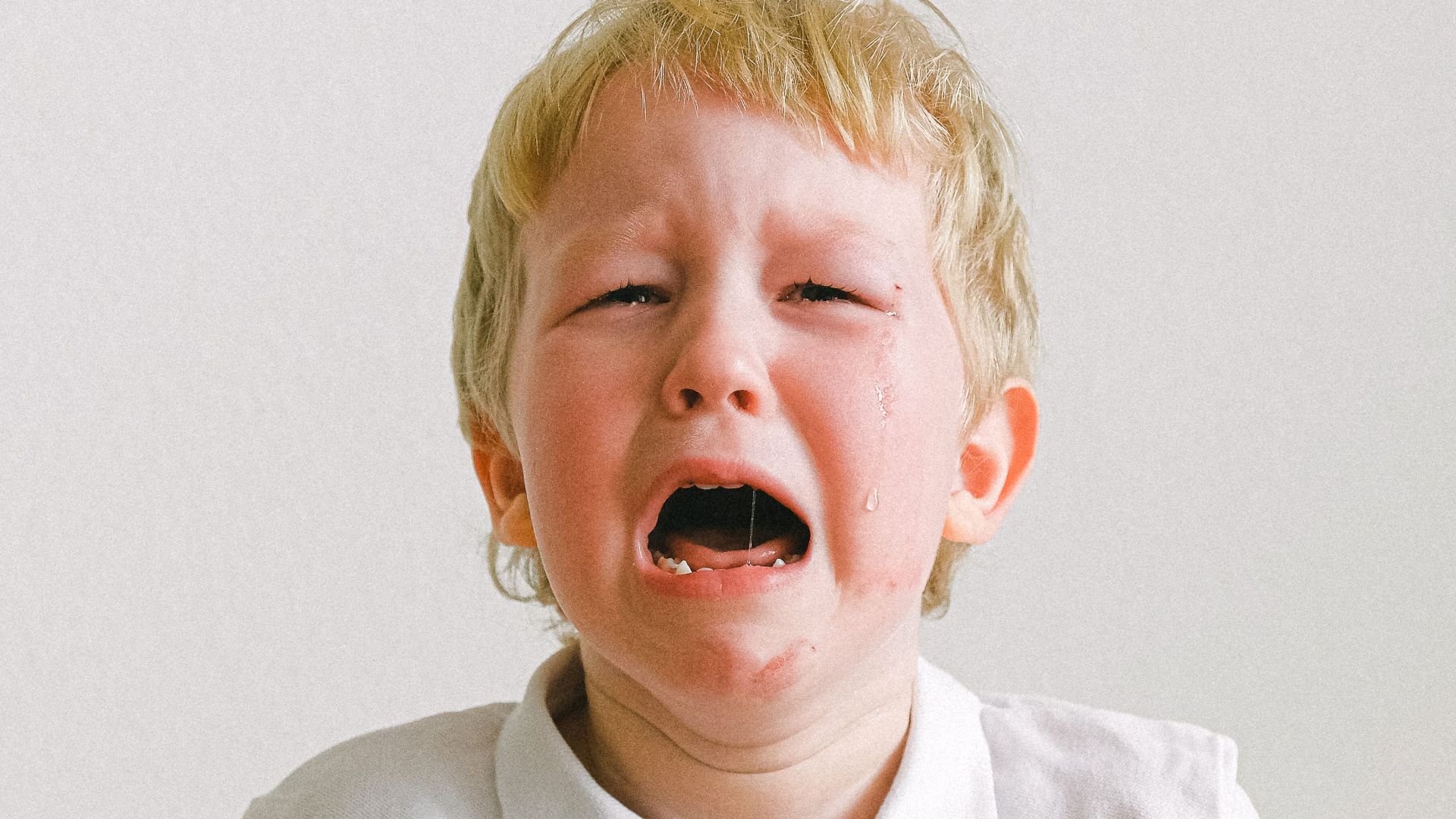
9. Turning Every Feeling Into a Lesson
Parents often want to teach, and that's understandable. Still, if every feeling immediately becomes a lecture, a child may stop sharing. Sometimes they need comfort before wisdom, especially when they are already overwhelmed. There will be time for the lesson after their nervous system has had a chance to calm down.

10. Expecting Instant Apologies
Apologies matter, but forced apologies can make children perform remorse before they understand it. If they're pushed to say sorry while still angry or hurt, they may learn to hide the real feeling and say the acceptable words. That can create polite behavior without honest repair.

11. Getting Uncomfortable With Sadness
Some parents can handle practical problems but struggle when a child is simply sad. They may try to distract, cheer up, fix, or minimize the feeling right away, which is understandable but not always the best approach. Sitting with sadness quietly can teach children that difficult feelings are survivable.
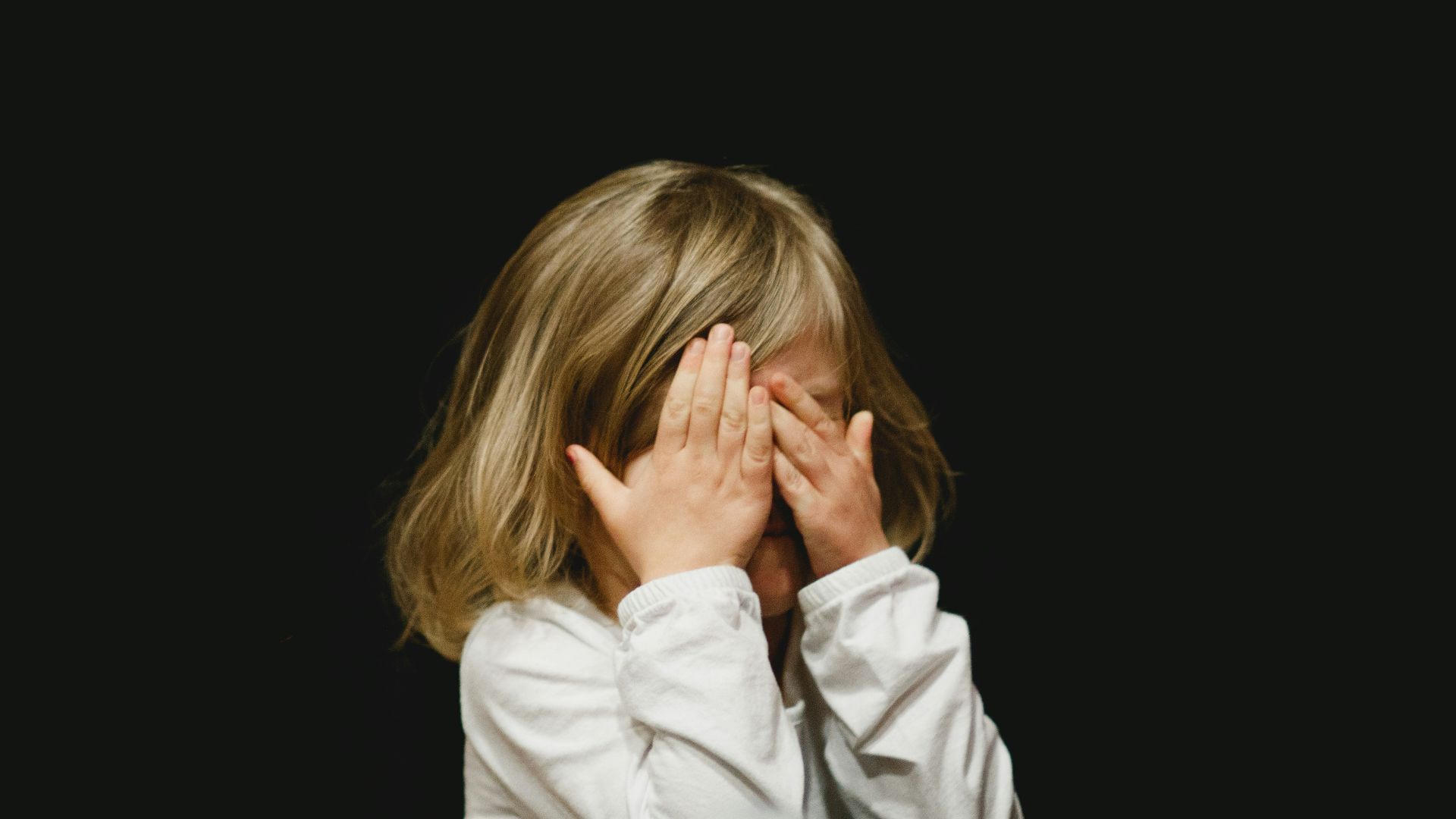
12. Sharing Their Private Moments Publicly
A funny tantrum story, an embarrassing fear, or a tearful confession may seem harmless to share with relatives or friends. To a child, it can feel like their private emotional life isn't protected. If they worry their feelings will become entertainment, they may stop trusting adults with the full story.
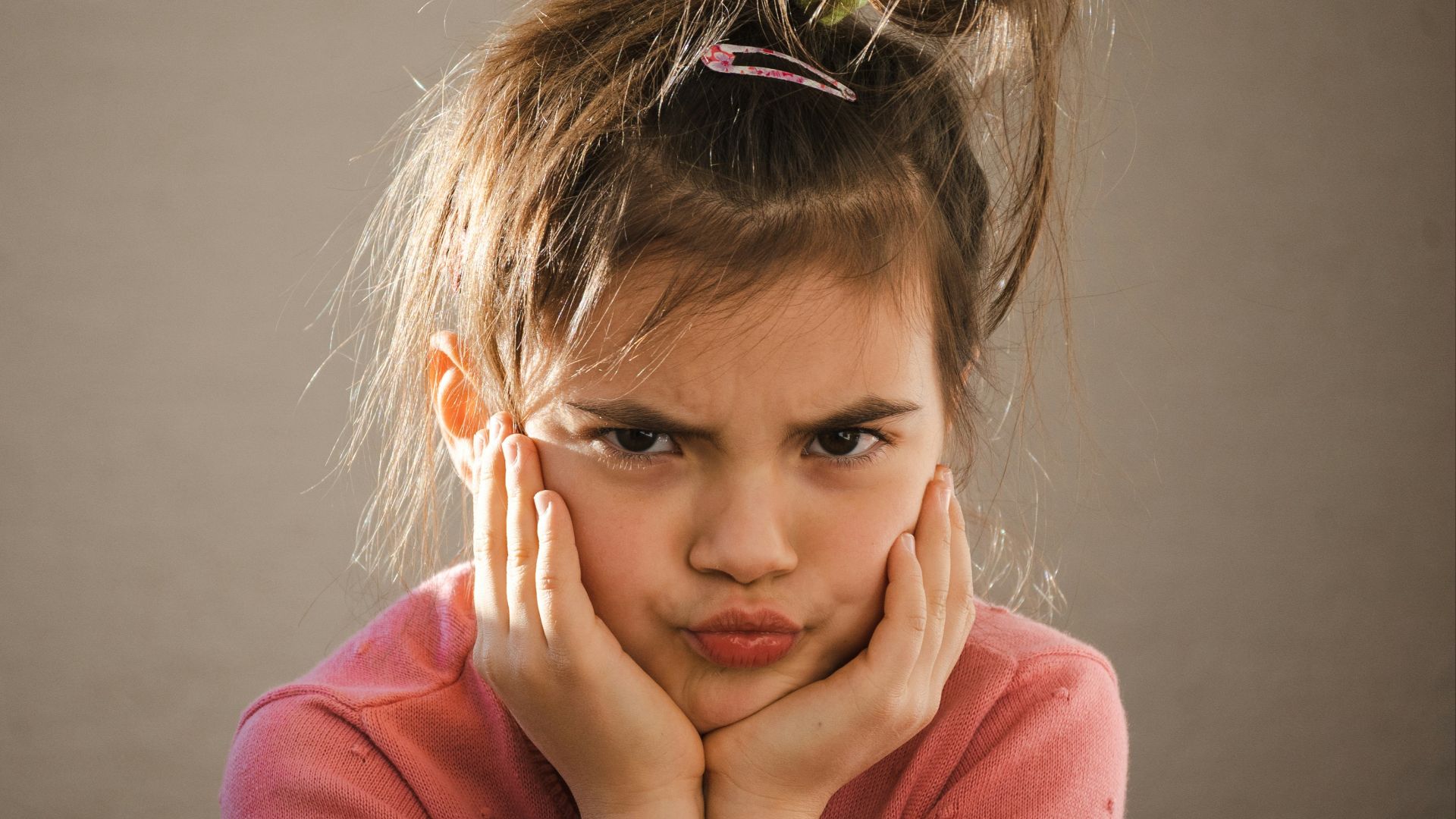
13. Labeling Them by Their Worst Moments
Calling a child “the dramatic one,” “the angry one,” or “the shy one” can stick harder than parents realize. Kids often grow into the labels they hear, or they hide parts of themselves to escape them. A rough moment shouldn't become a permanent identity.

14. Using Guilt to Stop Emotions
Phrases like “after all I do for you” or “you’re making me sad” can make children feel responsible for adult feelings. They may begin hiding their own emotions to protect the parent from discomfort. That's a heavy job for a child, even if the parent didn't mean to hand it over.

15. Rewarding Toughness Too Much
It's natural to praise a child for being brave, strong, or grown-up. The tricky part comes when toughness is praised more than honesty. A child may start believing that tears, fear, or neediness are disappointing.

16. Dismissing Friendship Pain
Adults know many childhood friendship dramas will pass, but children live them in real time. Saying “you’ll get over it” or “that’s not a big deal” can make a child feel silly for caring. Friendships are one of the main places kids learn belonging, rejection, trust, and repair.
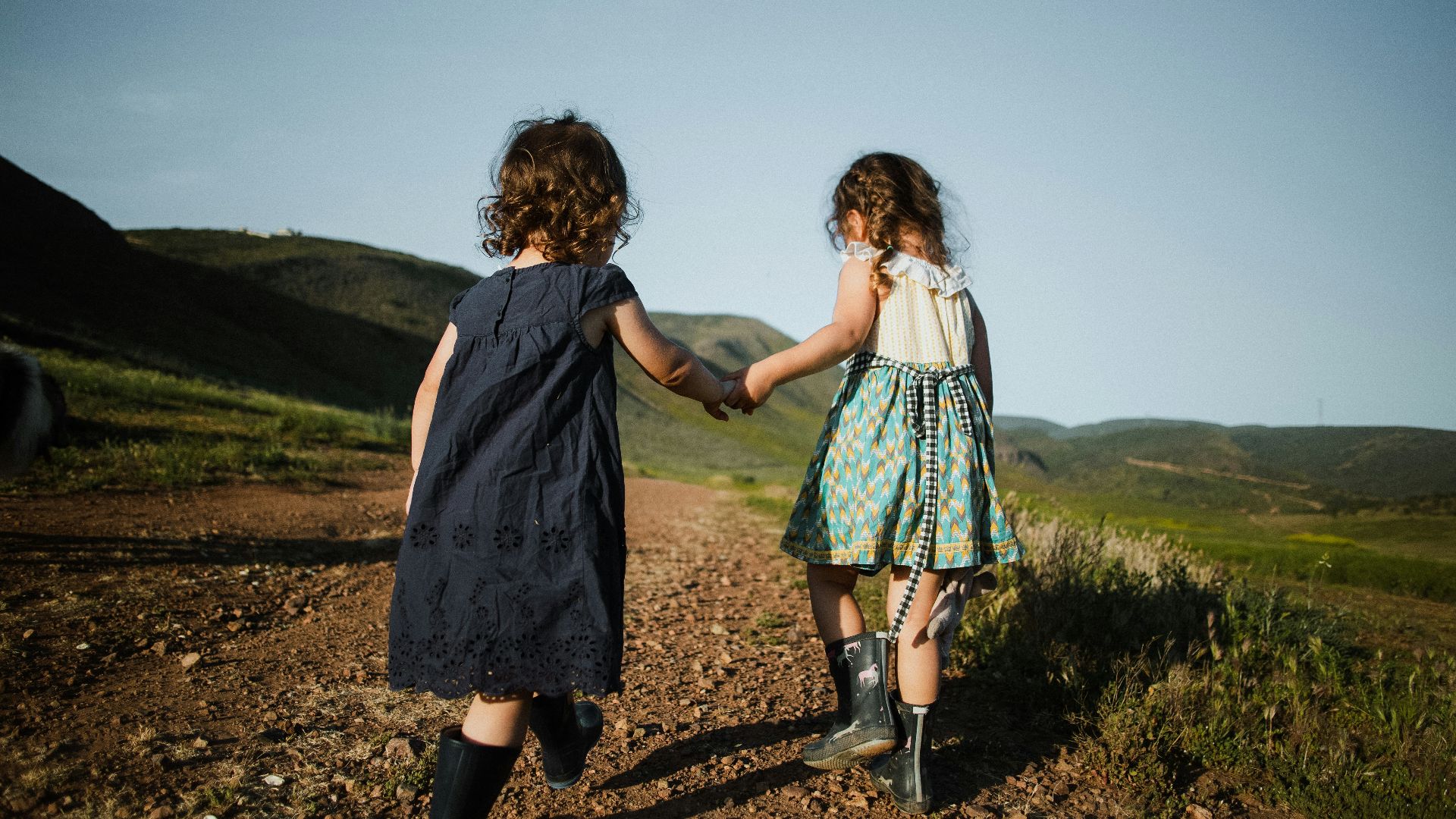
17. Expecting Them to Be Grateful Instead
Gratitude is important, but it shouldn't be used to erase difficult feelings. A child can be lucky and disappointed, loved and angry, safe and sad. When parents respond to complaints with reminders of how much the child has, the child may learn that negative emotions are ungrateful.
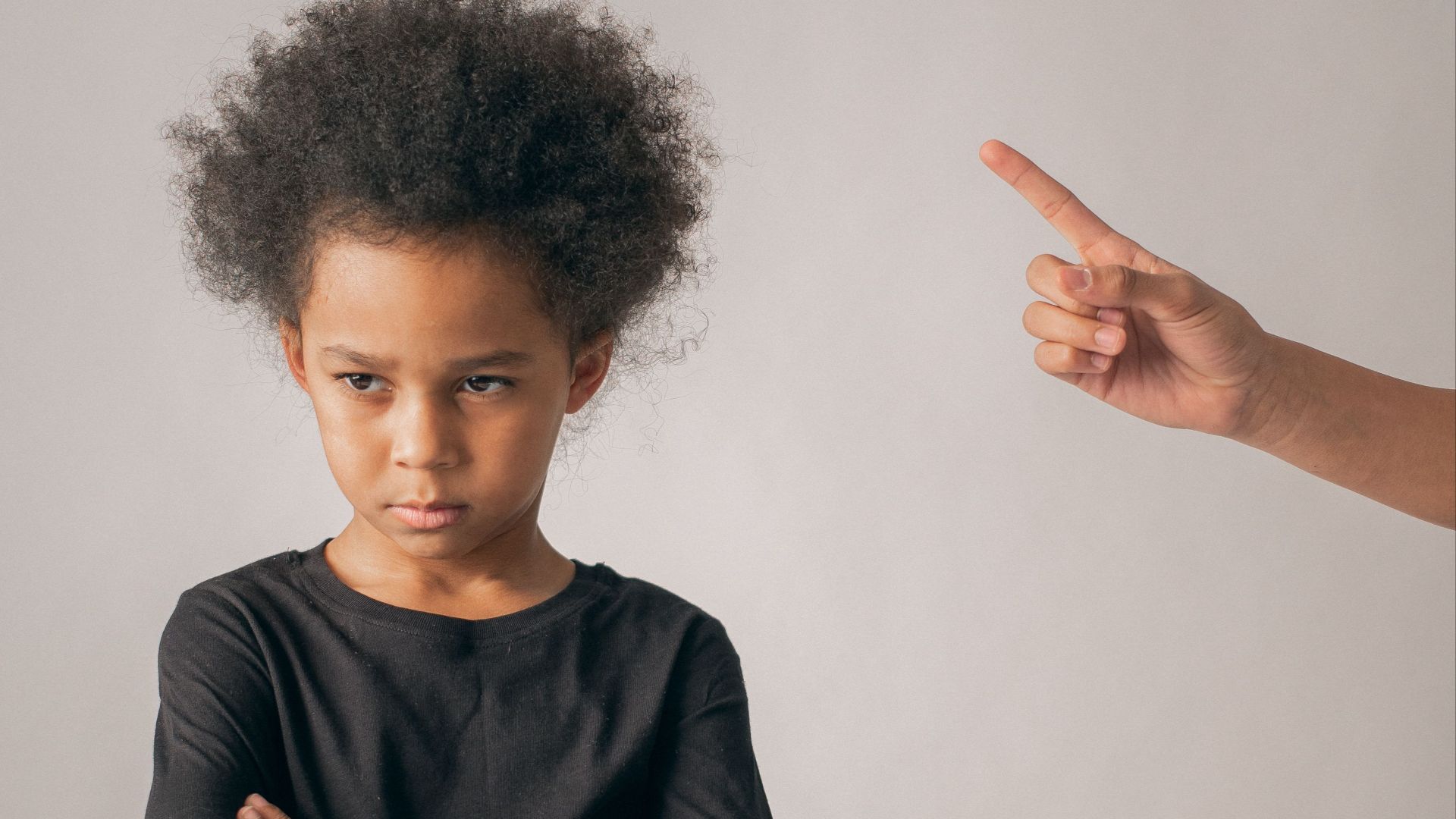
18. Staying Too Busy to Notice
Parents are often juggling work, bills, meals, messages, schedules, and a dozen small emergencies. Still, kids may interpret constant busyness as a sign that their feelings aren't worth an interruption. They might stop trying to talk because the timing never seems right.
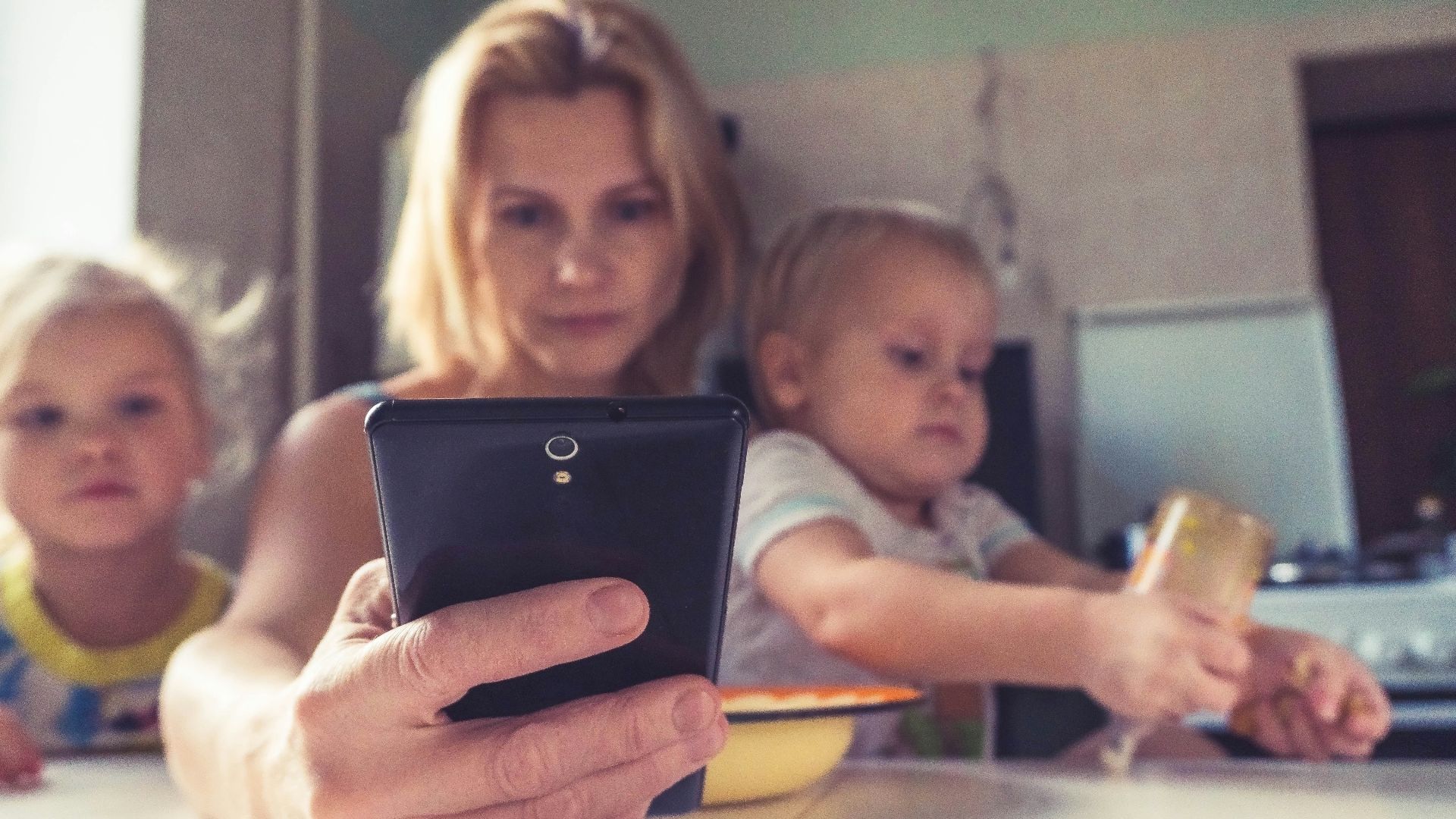
19. Punishing Honesty Too Harshly
If a child tells the truth about a mistake and gets a huge reaction, they may think honesty is dangerous. Consequences can still happen, but the response needs to leave room for future truth-telling. When parents make confession feel unsafe, children may start hiding both the behaviors and the feelings.

20. Never Showing Their Own Healthy Emotions
Children learn from what parents model, not just what parents say. If adults never admit sadness, fear, regret, or stress in healthy ways, kids may assume those feelings should stay hidden. They don't need parents to overshare or fall apart in front of them, but they benefit from seeing adults name emotions, handle them, and repair when needed.