
A Thoughtful Path To Senior Living
Choosing a retirement home for your parents is one of life’s most meaningful decisions. It’s about comfort, dignity, and preserving connections that matter most in later years. With thoughtful attention, you can find a place where your parents feel truly at home, surrounded by support and the chance to thrive. Let's explore 20 practical insights to ensure families approach the process with confidence and care.

1. Check Proximity To Family And Friends
Being close to family makes visits natural and frequent, which supports seniors emotionally and socially. Homes in familiar neighborhoods help parents feel more connected instead of isolated, and frequent visits even encourage longer life for many older adults.

2. Evaluate Medical Support Availability
Access to immediate medical care should be a deciding factor. On-site doctors and nurses mean faster responses during emergencies, while regular checks ease family concerns. Some homes offer stroke recovery gyms, and 24/7 staff often prevent hospital trips.

3. Assess Staff Quality, Training, And Resident Ratios
The quality of care often reflects the training and availability of staff. A strong caregiver-to-resident ratio ensures attention, and trained eyes catch health issues before they worsen. Families sometimes meet staff before deciding, which builds trust.

4. Inspect Overall Cleanliness And Tour Living Spaces
Cleanliness speaks volumes about a retirement home’s standards. Fresh-smelling dining areas and spotless hallways are good signs. Touring living spaces also shows whether seniors can bring personal furniture, turning a facility into something warmer and more familiar.

5. Review Safety Measures And Emergency Preparedness
Every retirement home should be ready for the unexpected. Clear evacuation plans and safety features like grab bars protect seniors. Backup generators keep lights on during outages, and motion-sensor lighting in hallways adds both convenience and protection.

6. Look Into Meal Quality And Nutrition Options
Balanced meals do more than fill plates—they keep energy steady and help manage chronic health conditions. Poor nutrition, however, raises the risk of weakness and falls. Some homes make dining fun with themed dinners, while others let residents vote on menus.

7. Assess Accessibility And Mobility Features
For parents with mobility challenges, the right features can change daily life. Ramps, elevators, and wide hallways improve ease of movement, and some homes even supply electric scooters for residents. Simple additions—like automatic doors—offer seniors confidence and independence in their surroundings.

8. Verify Licensing And Accreditation Status
Licensed retirement homes must meet strict government safety and care standards. Accreditation takes this further, showing that facilities passed extra quality checks. Some display certificates in the lobby for transparency, and homes without proper certification risk penalties or closure.

9. Observe Social And Recreational Activities
Activities prevent isolation and keep minds engaged, and a strong calendar often means residents are happier and healthier. Homes may host talent shows, offer painting classes or yoga, and organize day trips to museums or shopping centers.
 Centre for Ageing Better on Pexels
10. Compare Costs And Review Contracts For Hidden Fees
Costs differ greatly from one retirement home to another, and hidden charges add up quickly. Understanding contracts protects families from financial surprises, and they must be read carefully. Some facilities charge extra for laundry or cable.
 Photo By: Kaboompics.com on Pexels
11. Understand Visiting Hours And Guest Policies
When families have busy schedules, flexible visiting hours make time together possible. Clear guest policies help everyone feel welcome without confusion. Overnight stays are sometimes an option, and some homes even provide guest dining so meals can be shared.

12. Explore Transportation Services Offered
Getting to important places matters. On-site transportation takes away the hassle of doctor visits, while shuttles keep residents connected to their community. Vans with wheelchair lifts make travel safe, and many residents even plan group outings together with the facility bus.

13. Inquire About Personalized Care Plans
For parents to thrive, care plans must match their unique needs. Personalized programs balance medical, emotional, and lifestyle support while still encouraging independence. Residents may design routines with staff, and families are often invited to take part in reviews.

14. Ask Residents About Their Daily Experience
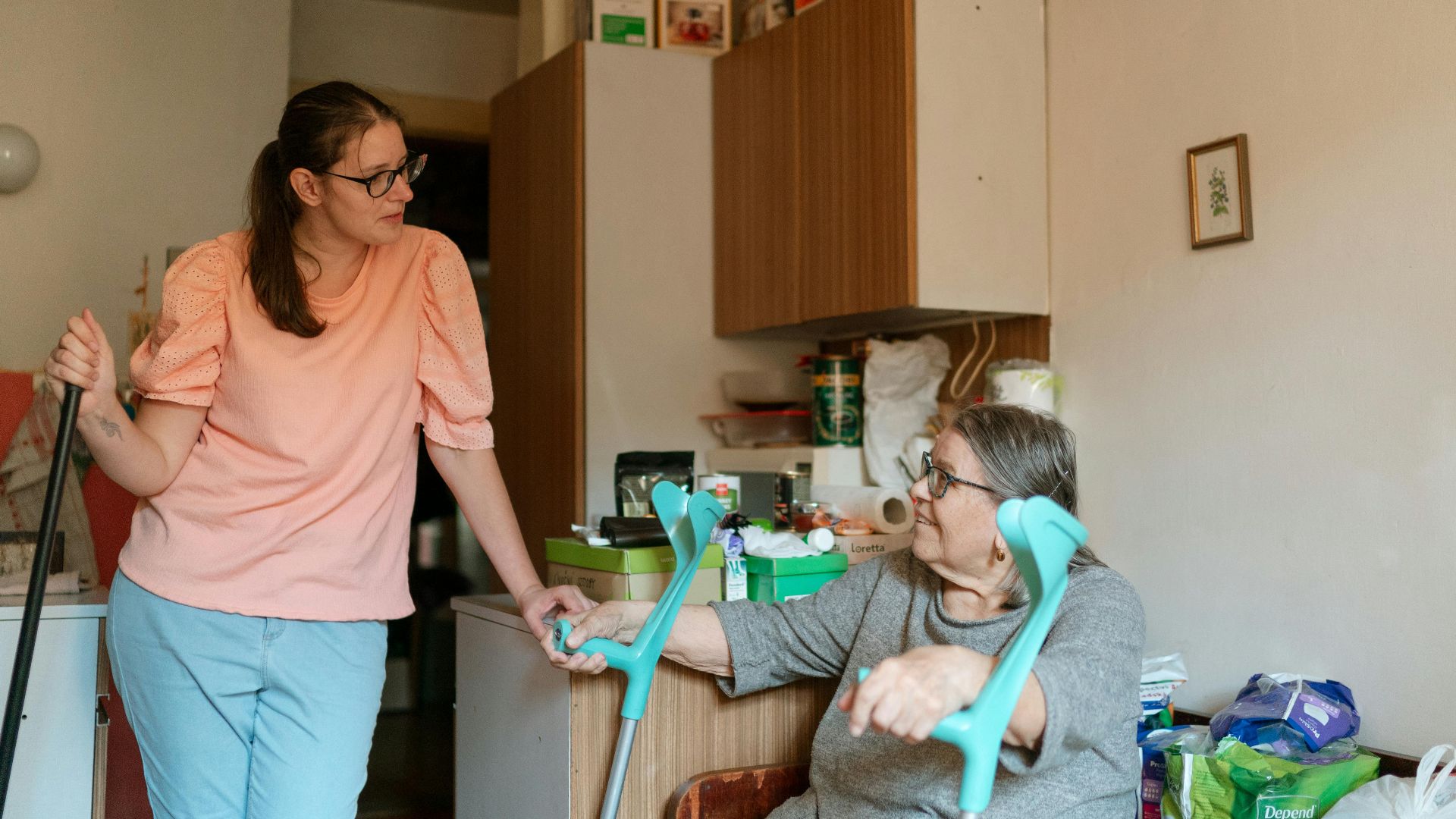
Honest insights often come directly from the people living there. Residents share what daily life feels like, revealing details brochures cannot. Many proudly explain why they enjoy their home and how long they’ve stayed. Laughter in common spaces and cheerful conversations are good signs.
15. Consider Cultural And Religious Accommodations
Tradition and faith play a big role in comfort. Homes that respect cultural practices make parents feel accepted, while on-site services allow spiritual routines to continue. Some homes celebrate cultural festivals with music and food, and others provide multilingual staff for easier communication.

16. Check Technology Access And Wi-Fi Availability
Internet access keeps parents connected to family through calls and messages, making distance feel smaller. Strong Wi-Fi also lets residents enjoy movies, music, and games with ease, and some retirement homes even provide tech classes for seniors.

17. Evaluate Outdoor Spaces And Green Areas
Access to outdoor spaces encourages activity and relaxation. Walking paths and gardens promote fresh air and movement, while natural settings improve mood and reduce stress. Bird feeders, when included, bring colorful life to the grounds, and garden clubs foster community.
 Centre for Ageing Better on Pexels
18. Learn About Pet-Friendly Policies
Allowing pets gives seniors the comfort of keeping beloved companions, and this boosts overall happiness. Some facilities also have communal pets such as cats, dogs, or parrots. Visiting therapy animals brighten days, and a few homes even arrange small-pet adoptions locally.

19. Investigate Reputation Through Reviews And Ratings
Online reviews and ratings reveal more than polished brochures. A strong reputation reflects steady care and satisfied residents, while a sudden ratings drop may point to recent issues. Community forums also provide unfiltered opinions, offering families extra insight.

20. Plan For Future Care And Aging-In-Place Options
Homes that offer progressive care help parents remain in one place as needs shift. Planning ahead eases the stress of future relocations. Some facilities provide seamless transitions from independent living to memory care, and couples should be able to stay together despite different care levels.