They’re Paying More Attention Than You Think
Kids may not understand every detail of a marriage, but they notice the mood, habits, and small interactions that shape life at home. They can tell when affection feels genuine, when tension is hanging in the air, and when one parent is carrying more than the other. Even ordinary moments, such as how you speak during dinner or handle a disagreement, can leave a lasting impression. What children observe often becomes part of how they later understand love, trust, and partnership. Here are 20 things kids notice about their parents' marriage.
1. How You Speak to Each Other
Children quickly pick up on tone, even when the words themselves sound harmless. They notice sarcasm, impatience, warmth, and whether one parent often talks over the other. A respectful tone can make the home feel steady, while constant sharpness can create tension.

2. Whether You Show Affection
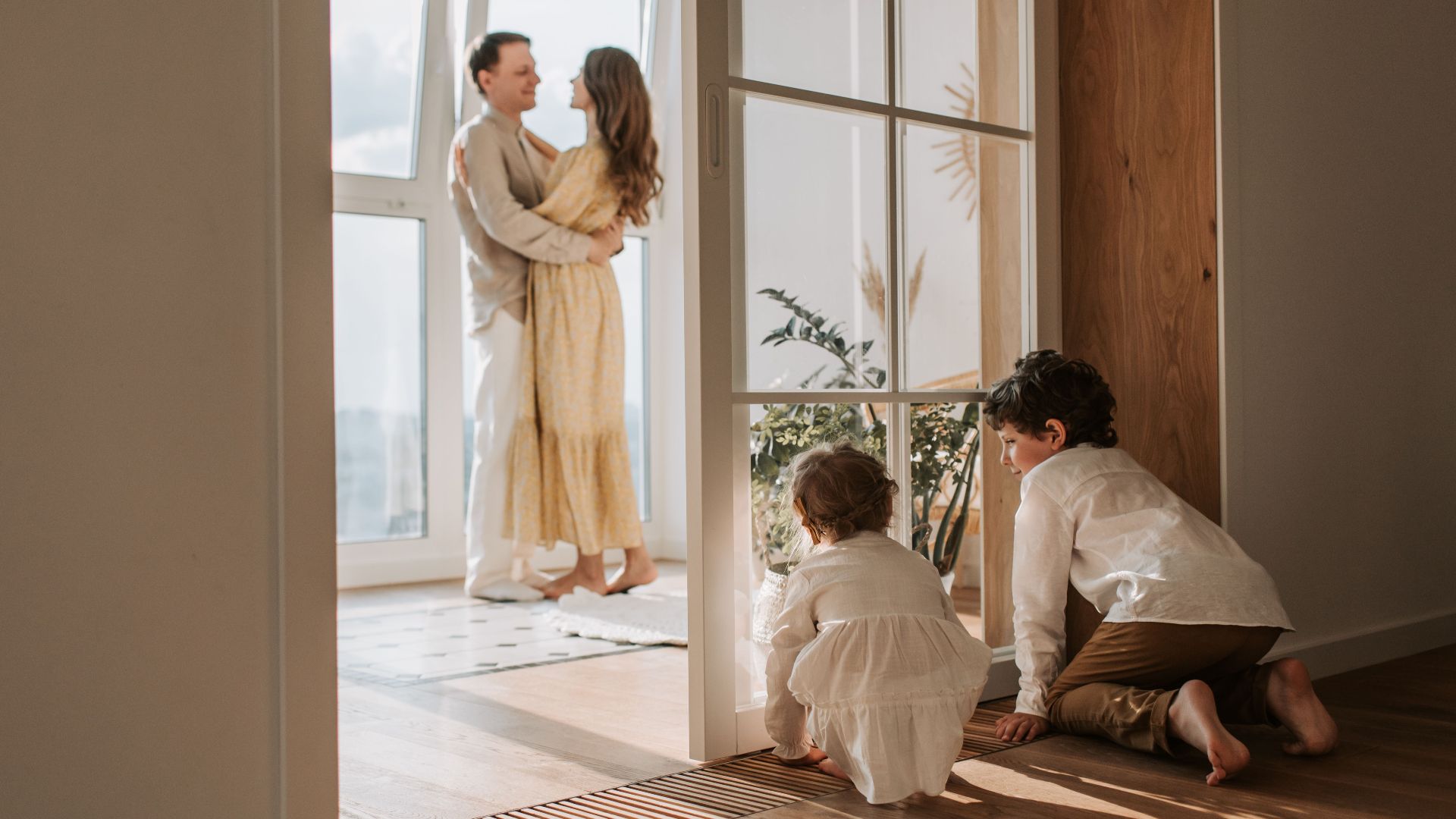
A hug in the kitchen, a hand on the shoulder, or a warm greeting after work can say a lot. Kids notice when their parents genuinely enjoy being near each other. They don’t need dramatic displays, but small signs of closeness help them see that affection can be part of everyday life.

3. How You Handle Disagreements
Arguments are normal, and children don’t need to believe happy couples never disagree. What stands out is whether you insult each other, shut down, or eventually work toward a solution. Seeing a conflict end with respect can be more reassuring than pretending nothing ever goes wrong.

4. Whether You Apologize
Kids pay attention when one parent admits being wrong instead of making excuses. A sincere apology shows that pride doesn’t have to control a relationship. It also teaches them that taking responsibility can repair trust.

5. Who Does the Most Work
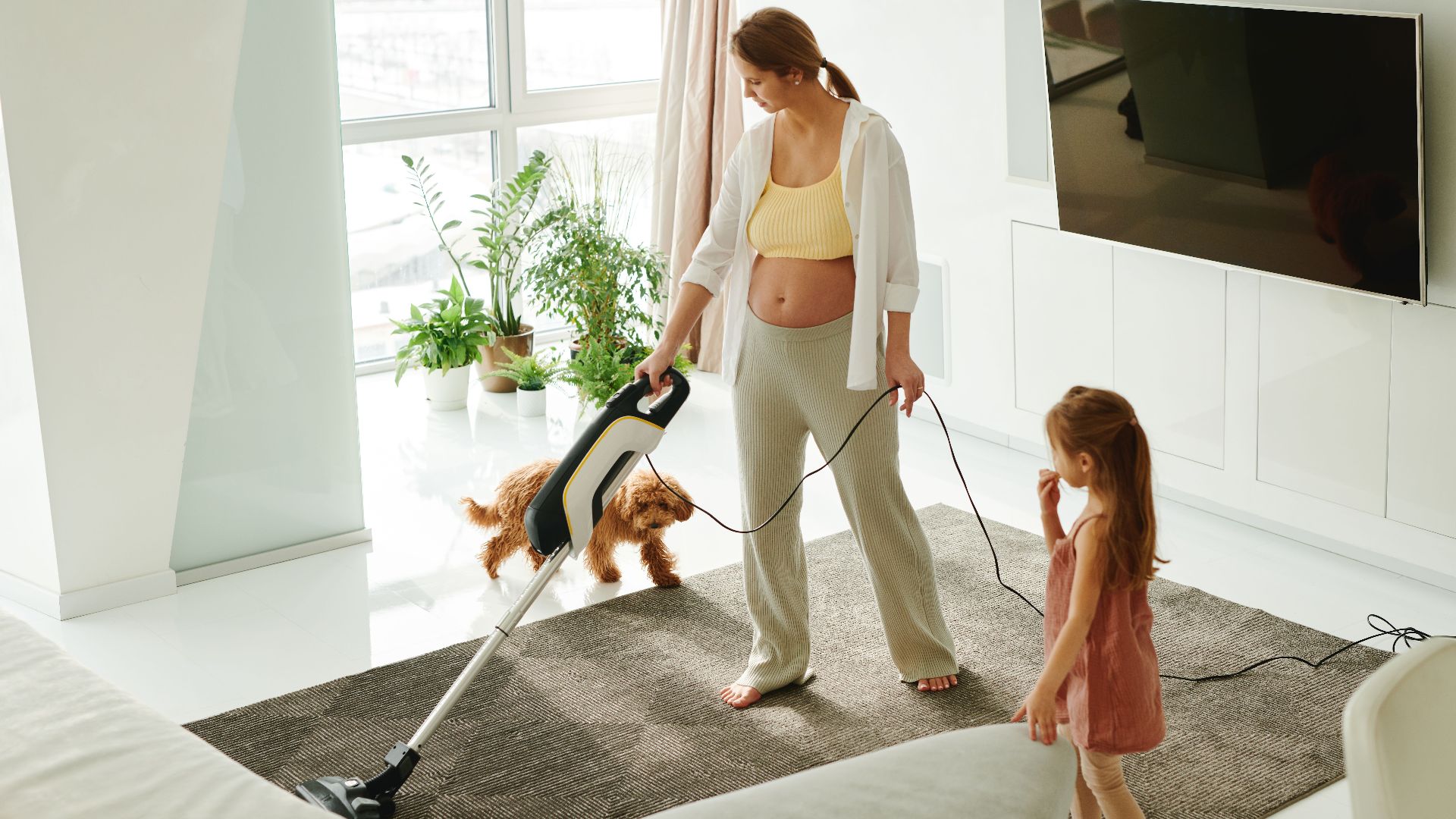
Children often notice who cooks, cleans, schedules appointments, remembers birthdays, and keeps the household moving. They may not have the words for emotional labor, but they can tell when one parent seems constantly overwhelmed. A fairer balance sends the message that partnership involves shared responsibility.
6. How You Talk About Each Other
What you say when your spouse isn’t in the room matters just as much as what you say face-to-face. Kids hear complaints, jokes, praise, and little comments that adults assume will be forgotten. Speaking with basic respect helps protect both the marriage and the child’s relationship with each parent.
7. Whether You Make Time for One Another
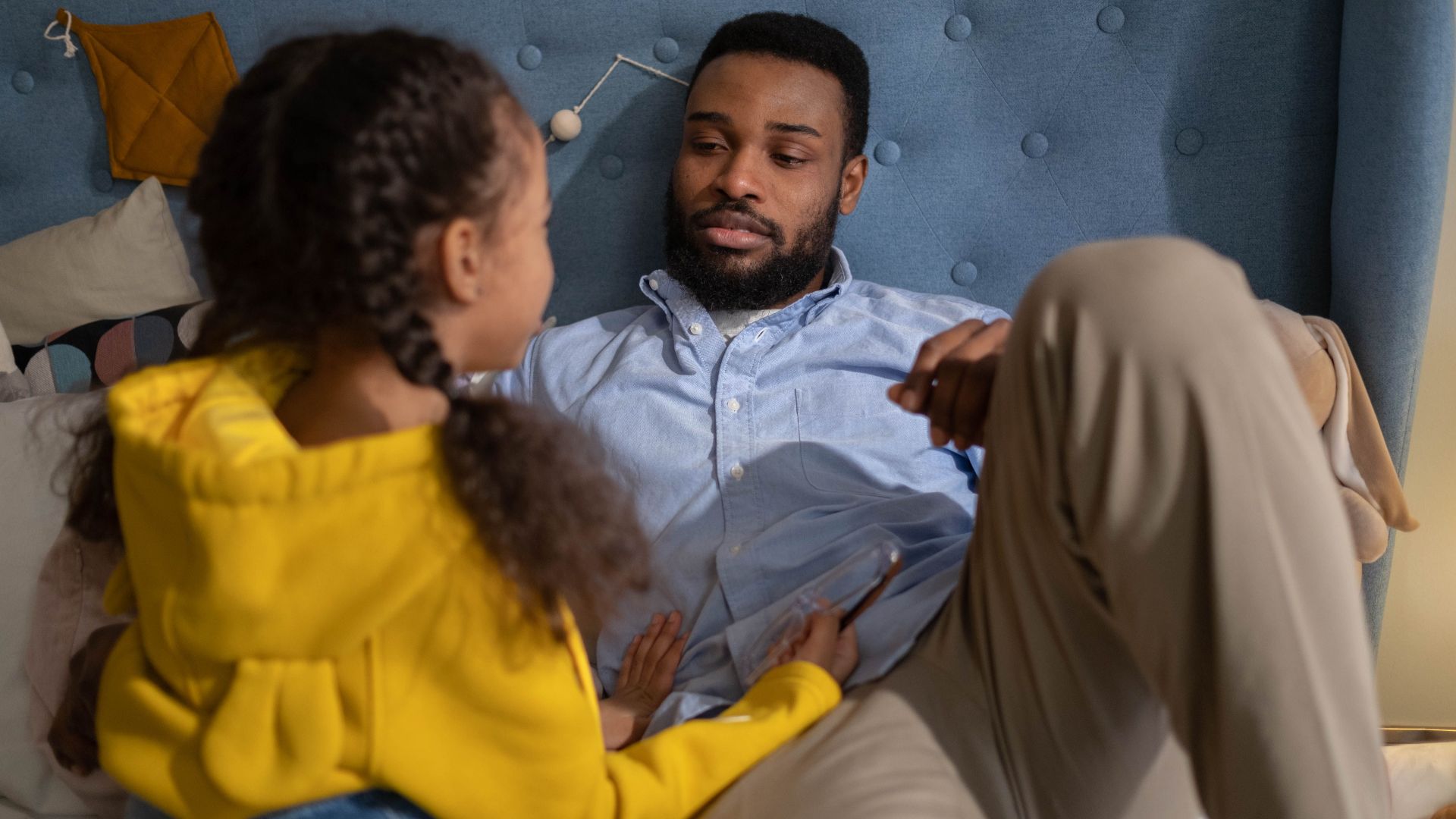
Children recognize when their parents act like roommates who only discuss errands and bills. They also notice when you sit together, share a laugh, or plan something without the whole family involved. Making room for the relationship shows that marriage needs attention.

8. How You React Under Stress
Busy mornings, money worries, and unexpected problems reveal a lot about a couple’s dynamic. Kids watch whether stress turns into blame or brings out teamwork. Calm cooperation can make difficult moments feel manageable, even when the situation itself isn’t easy.
 https://kaboompics.com/ on Pexels
9. Whether One Parent Seems Afraid
A child can sense when someone is constantly careful, quiet, or worried about upsetting the other person. They may not fully understand controlling behavior, but they notice the discomfort it creates. Feeling safe at home depends on more than the absence of shouting.

10. How Often You Laugh Together
Shared humor makes a relationship feel warmer and more relaxed. Kids remember when their parents tease kindly, enjoy private jokes, or find something funny at the same time. Those moments help show that long-term love can still include playfulness.
 Priscilla Du Preez 🇨🇦 on Unsplash
11. Whether You Support Each Other
Children see who encourages a new job, celebrates a success, or steps in when the other parent is struggling. Support doesn’t have to be dramatic to make an impression. A few thoughtful words can show that marriage is about helping each other grow and being there for each other during hard times.

12. How You Divide Your Attention
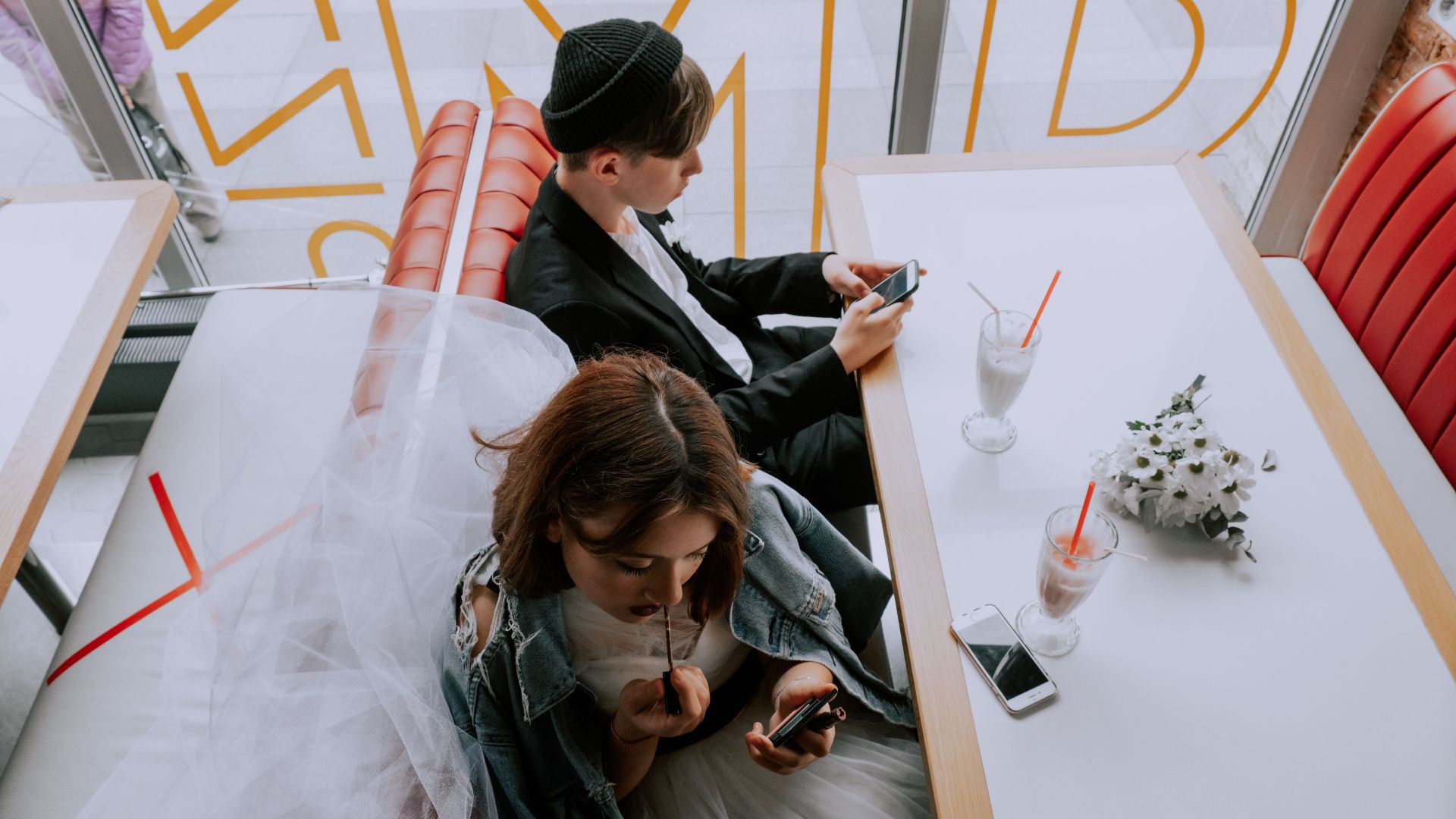
Kids notice when one parent is always on a phone, distracted, or more engaged with work than with the family. They also recognize when both adults make an effort to listen. Being present with each other teaches them that attention is one of the clearest forms of care.
13. Whether You Keep Promises
Following through builds trust, whether the promise involves a family outing or handling a household task. Repeatedly forgetting or changing plans can make the relationship feel unreliable. Children often learn what commitment means by watching how consistently their parents show up.

14. How You Treat Each Other in Public
A couple may act differently around friends, relatives, or strangers, and children usually catch the shift. They notice when one parent becomes dismissive, overly critical, or suddenly affectionate in front of an audience.

15. Whether You Listen to Each Other
Listening involves more than staying quiet until it’s your turn to speak. Kids can tell when one parent is genuinely interested in the other’s thoughts or simply waiting to correct them. A marriage where both people feel heard models a healthier kind of communication.

16. How Decisions Get Made
Family choices reveal whether both parents have a voice. Children observe if one person controls the money, plans, and rules while the other goes along reluctantly. Seeing discussion and compromise teaches them that partnership isn’t supposed to mean one person always wins.
17. Whether You Protect Each Other’s Dignity
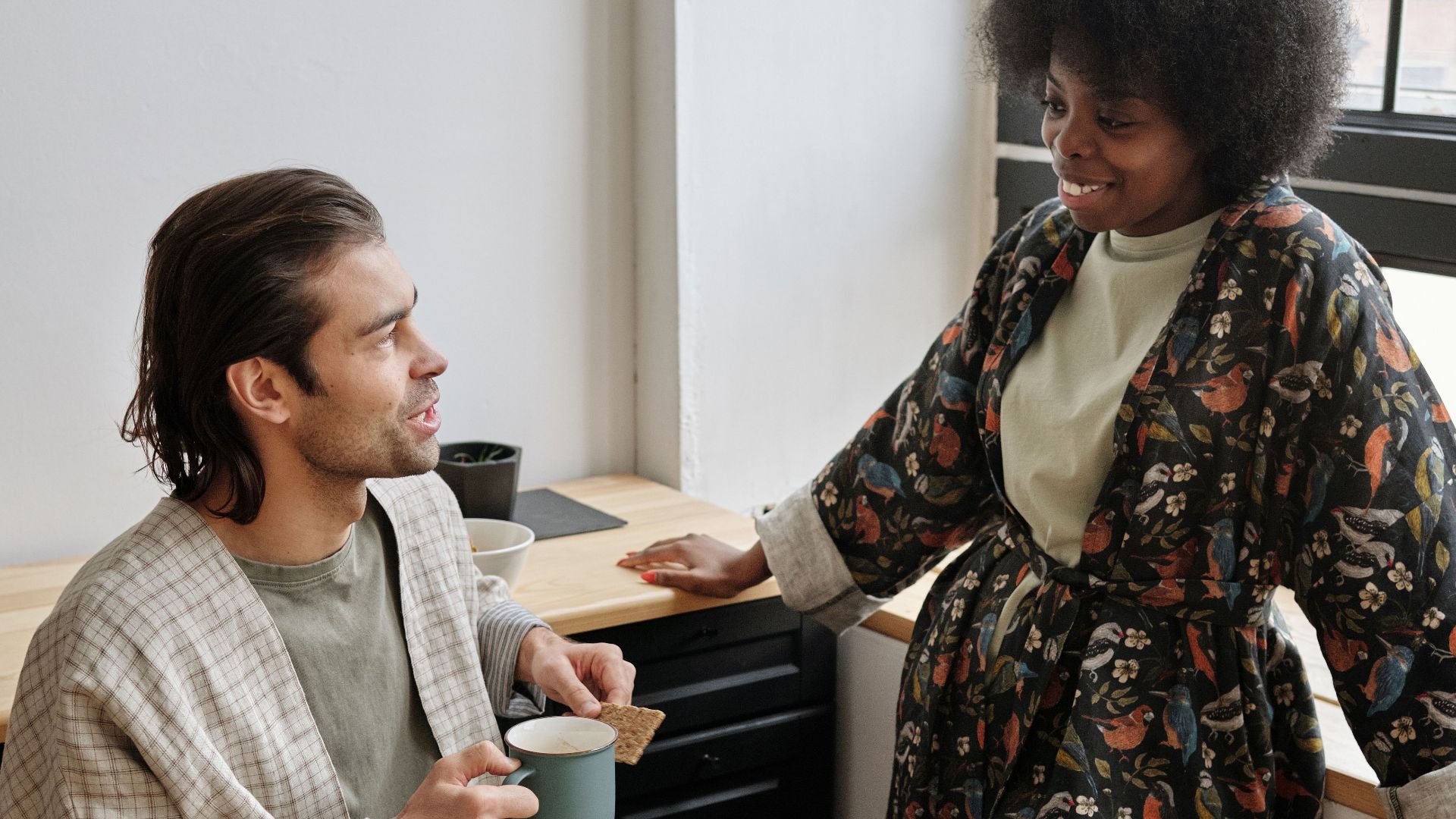
Embarrassing a spouse in front of the children can leave a deeper mark than adults realize. Kids remember mocking comments, personal stories shared without permission, and jokes that clearly hurt. Protecting each other’s dignity creates a sense of loyalty that children can recognize.

18. How You Reconnect After Conflict
Children often remain uneasy even after an argument seems to be over. They notice whether their parents continue avoiding each other or gradually return to warmth and normal conversation. Visible repair helps them understand that conflict doesn’t always mean the relationship is falling apart.

19. Whether the Marriage Feels Like a Team
A strong partnership usually shows up in small, practical ways. Kids see when parents back each other up, solve problems together, and avoid making them choose sides. That sense of teamwork can make the whole household feel more secure.

20. Whether You Seem Happy Together
Children don’t expect constant happiness, but they can tell whether their parents generally like and respect each other. They notice the difference between a relationship that feels alive and one that seems drained of warmth. The everyday atmosphere tells them what marriage looks like.