
Same House, Different Rules
Families rarely announce the rules out loud. They settle in quietly through who gets heard first, who gets corrected gently, and who learns to adjust. Over time, siblings grow up in the same house, but experience very different emotional climates, and those differences don’t disappear with age. If certain moments still feel oddly sharp or familiar, this list might explain why.

1. One Child Was Made The Family Interpreter
Dinner conversations stalled until one child stepped in. Feelings passed through translation before landing safely. Years later, that habit stopped feeling helpful. Carrying adult meaning too early bends sibling balance, because authority settles quietly where responsibility first takes root.
 Antoni Shkraba Studio on Pexels
2. Secrets Were Shared With One Sibling and Not the Other
When information flows unevenly, trust shifts with it. Being left out quietly signals who is considered reliable or included, and even without open conflict, exclusion triggers threat responses. Resentment grows because silence is often interpreted as judgment rather than neutrality.

3. A Sibling Was Allowed to Leave Conflict; You Were Not
One sibling walked away mid-argument while another stayed seated, absorbing tension. Both learned something different. Autonomy teaches confidence. Containment breeds irritation. Those lessons settle deep and resurface later, usually during adult disagreements that feel oddly familiar.

4. One Child Was Used as Proof of Good Parenting
Some children become reference points rather than individuals, where their achievements reassure parents that everything functions properly. That role limits freedom and flattens identity. Siblings sense the imbalance early, especially when praise serves reassurance instead of recognition.

5. Parents Apologized to One Child and Never to the Other
Apologies arrived with conditions, while accountability quietly favored one child. Silence filled the space for the other, framed as maturity. Years later, resentment lingers because repair never occurred, yet forgiveness kept getting requested as though it were an obligation rather than a choice.

6. A Sibling Was Encouraged to Express Anger, While You Were Discouraged
Anger followed different rules at home. One child could snap or raise their voice without much pushback, and that split teaches early lessons about who gets space to react and who learns to swallow feelings instead.

7. One Child Was Consulted on Adult Decisions
Serious talks sometimes included a child who was asked for input, where opinions carried weight early. That access quietly reshapes family balance, because being heard as a grown-up matters, and changes how authority feels long before anyone notices it happening.

8. A Sibling’s Personality Was Treated as “Normal”; Yours Was Treated as a Phase
“This is just who they are,” offers stability. “You will grow out of it” creates doubt. One sibling settles into themselves while the rest keep adjusting. Over time, constant correction teaches a child that acceptance has conditions attached.

9. Parents Publicly Joked at One Child’s Expense
Family stories drew laughter from guests, and the same sibling carried the punchline each time. Everyone called it harmless, but the embarrassment felt personal, and years later, those moments still sting because public teasing quietly ranks whose comfort matters less.

10. One Sibling Was Allowed to Fail Without Commentary
Mistakes passed quietly for some, where every slip from someone else brought explanations and advice. Silence gives room to recover, but constant attention, on the other hand, tightens the chest. That difference shapes how failure feels, even long after childhood ends.

11. You Were Asked to Give Things Up “For The Family”
Plans changed quickly when duty entered the room. One child adjusted schedules, goals, or opportunities to keep peace, and that habit sticks. Sooner or later, giving up ground feels automatic, while watching siblings move freely brings a quiet sense of loss.
12. A Sibling Was Defended to Outsiders While You Were Explained
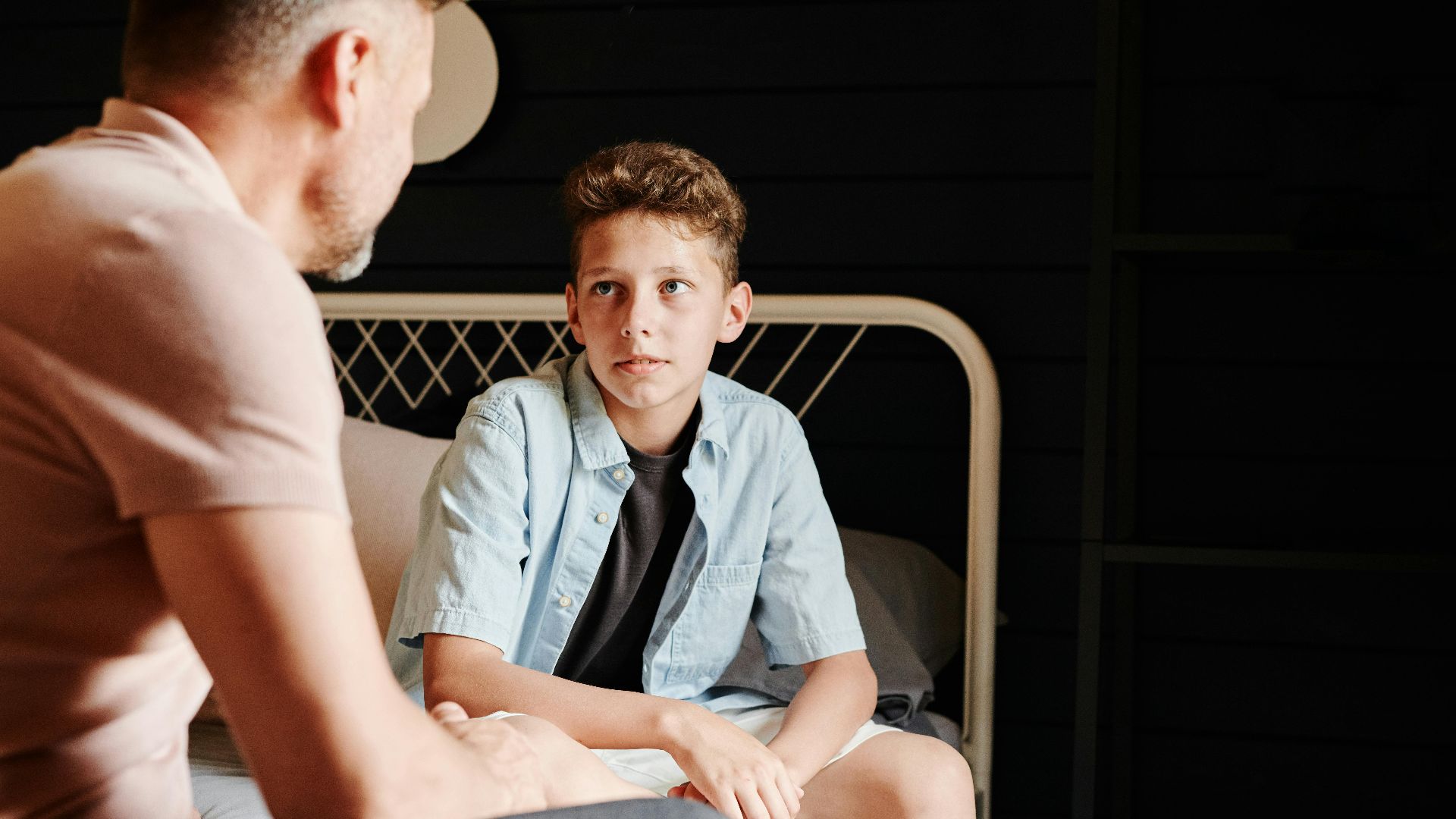
Parents spoke firmly when someone criticized a sibling. However, quick explanations replaced defense elsewhere. That difference matters because public loyalty signals worth. Being corrected instead of protected teaches a child that support has limits once attention shifts beyond the home.

13. One Sibling Had Privacy While You Were Closely Watched
Doors stayed open. Questions followed closely. Personal space came with rules. Growing up under watch changes behavior fast. Trust grows unevenly when freedom belongs to one sibling and scrutiny shapes daily life for someone else.

14. A Sibling’s Intentions Were Trusted By Default
Mistakes landed softly for one child because motives were assumed to be good. Explanations became necessary elsewhere. That gap largely affects confidence. Being believed without proof builds ease, while constant justification teaches caution and guardedness that linger into adulthood.

15. A Sibling Was Allowed More Time to Grieve
Loss did not follow the same timeline at home; one received patience and softness with the reason that healing took longer. Someone else, however, was expected to move forward quickly. That uneven pacing teaches whose pain deserves space and whose feelings must stay contained.

16. One Sibling’s Success Raised the Bar for Everyone
After one sibling succeeded, expectations shifted across the household. Standards rose without discussion, and praise slowly turned into comparison. For some children, achievement felt rewarding, while for others it carried pressure, because someone had already raised the bar.

17. You Were Labeled “Sensitive” in a Dismissive Way
Sensitivity became shorthand for excess. Feelings got reduced. And that label teaches restraint rather than trust. Turns out, growing up and learning to dull emotional responses changes how siblings relate, especially when openness feels safer for only one person.

18. Childhood Stories Always Framed You as the Problem
Family stories repeated the same roles during gatherings where one sibling appeared difficult or dramatic every time, and that version never shifted. Hearing that narrative year after year shapes identity, since correction never comes, and the story keeps getting reinforced in public.

19. One Sibling Was Prepared For Independence Before You
Practical skills arrived early for some children, which allowed confidence to grow with guidance close by. Learning came later for someone else, often through mistakes. That gap shows up in adulthood, when uneven preparation quietly shifts how siblings relate once responsibility becomes unavoidable.
20. The Past Was Never Revisited
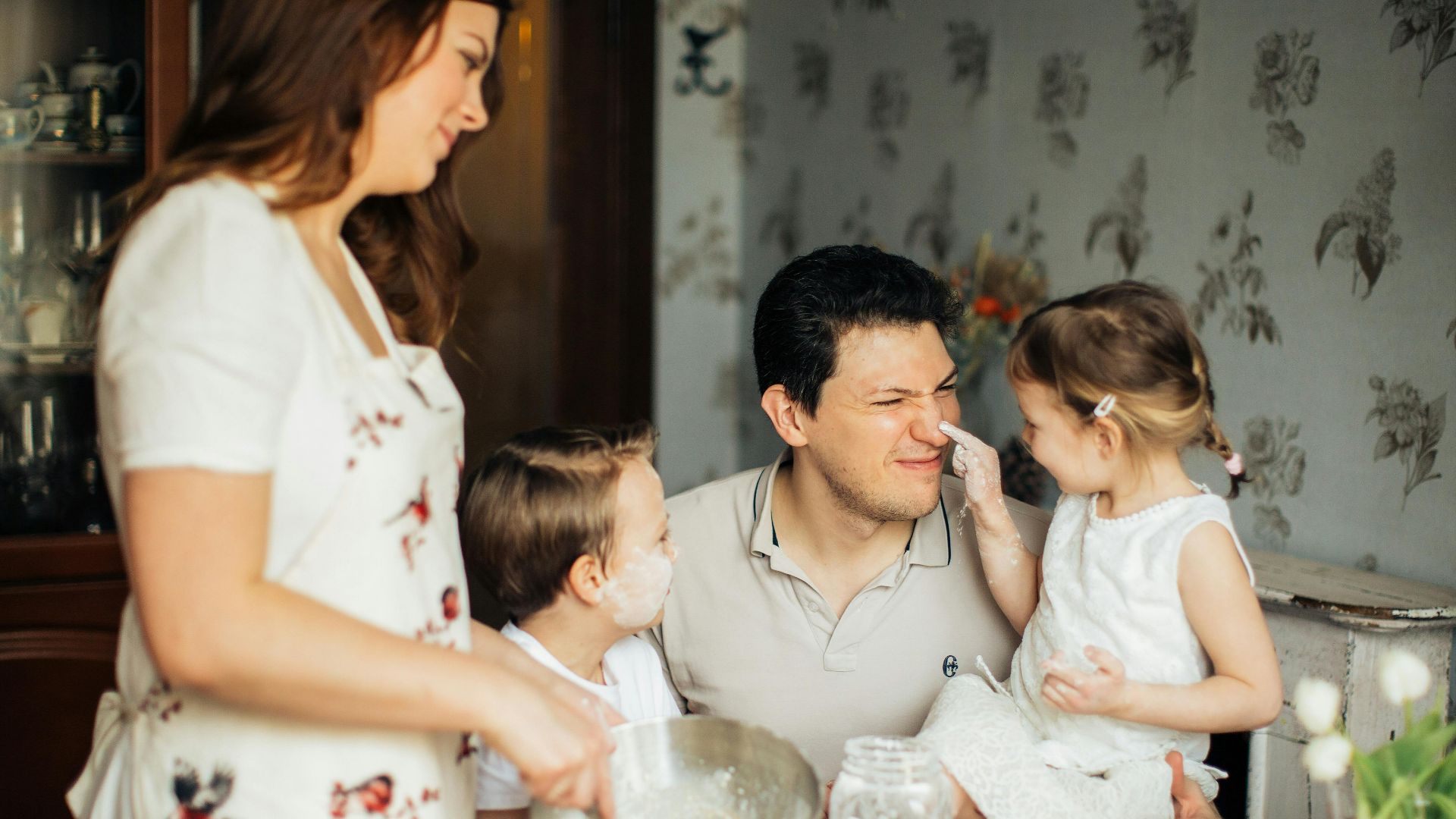
Years passed while childhood remained untouched, leaving questions without answers. Silence settled in as a habit. Without reflection or repair, early patterns continue shaping adult interactions, and distance grows when shared history stays fixed instead of being acknowledged.