
How to Start the Morning Well
You might not put much thought into it, but how you wake your kids up for school can shape the tone of the entire morning. Think back to how your parents woke you up when you were young. What methods did they use? What did you like about how they did it, and what did you not like? Children usually respond better when they're not being scolded at or feel pressured to scramble out of bed first thing in the morning, so it helps to adjust your technique to make the a.m. better for everyone. Here's how you shouldn't wake your kids up, and what to do instead.

1. Shouting from The Next Room Over
Calling out from the hallway or downstairs may seem efficient, but your tone of voice can really set the tone of how the morning will go. No one likes to be yelled at first thing in the morning, so don't be surprised if your kids don't respond well to it, either. When the first contact feels harsh or distant, cooperation usually becomes harder.

2. Turning on the Lights Without Warning
Flipping on bright lights all at once can feel jarring, especially if your child was in a deep sleep. That abrupt shift may wake them physically, sure, but they probably won't be very cooperative. In many cases, it leads to irritability right away.

3. Yanking the Blanket Off
Yanking away the covers might get an immediate response, but most kids will likely fight back to be stubborn. Put yourself in their shoes: what would you feel if someone yanked your blanket off when you were in the middle of a deep sleep? Probably not very happy.

4. Starting the Day with Criticism
If the first thing your child hears is a complaint about being slow, messy, or hard to wake, the morning begins on a negative note. Criticism first thing in the morning can make a child feel discouraged before they've even gotten out of bed. That doesn't usually motivate better behavior, and will more likely make them more withdrawn or argumentative.

5. Waking Them at the Last Possible Minute
Letting a child sleep until the absolute latest moment may seem like a good idea, but it often backfires. Without enough transition time, the morning routine gets rushed, and every task starts feeling stressful. Kids usually need a few minutes to become fully alert, especially on school days, so take that into account.

6. Using Threats Right Away
Telling your child they'll lose privileges before they've even sat up can escalate tension fast. Threats may push them to move, but they rarely create a cooperative mindset. Your child is more likely to respond out of stress than understanding, which doesn't help build a healthier routine.

7. Sending in Siblings to Nag Them Awake
Asking one child to wake another can quickly create irritation between siblings. The child doing the waking may become bossy, and the child being woken may feel annoyed before the day has started. It also shifts a parenting task onto another child, which isn't really fair.

8. Using Loud Sounds as a Shock Tactic
Blasting music, clapping loudly, or making sudden noise may scare your child out of sleep, but it can also leave them upset. A startled wake-up doesn't teach consistency or responsibility; it simply forces a reaction, and that reaction is often a bad mood.

9. Flooding Them with Instructions Immediately
The moment your child opens their eyes is usually not the best time to deliver a long list of reminders and things to do. If you start by telling them to get dressed, wash up, go down for breakfast, pack their bags, and put on their shoes, all at once, they may feel overwhelmed before they've even had the chance to fully wake up. Too much information at the start can lead to more forgetfulness, not less.

10. Making Every Morning Feel Urgent
When the wake-up is always urgent and full of panic, kids begin to expect stress as part of getting ready. Even on mornings when there is enough time, they may still feel tense because that's become the household pattern. Constant urgency can make children less responsive, and it might get harder for them to develop steadier habits.
Now that you know how not to wake your kids, let's jump into some better methods instead, so nobody has to start out stressed first thing in the morning.
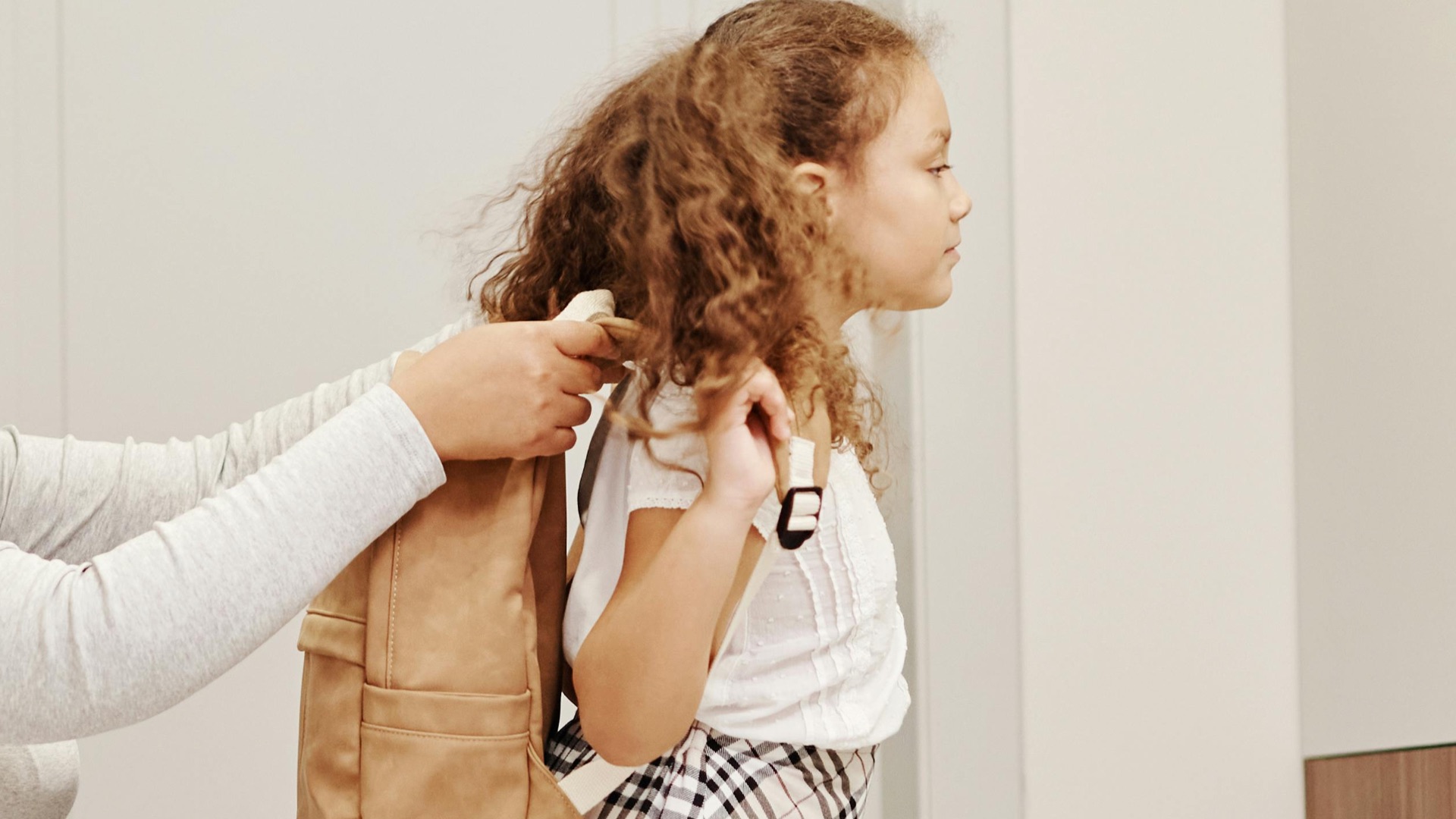
1. Wake Them Calmly
Instead of scaring your child awake by yelling at them, switching on the lights, or yanking off their covers, have you tried maybe just... calmly waking them up? While you might think this will only make your child less cooperative, shaking them gently awake usually works better than any other method.

2. Give Them a Few Minutes to Adjust
Many children don't go from fully asleep to fully ready in an instant, and expecting that can create unnecessary conflict. It helps to wake them gently, then allow a short buffer before expecting them to stand up and start moving. Children often handle the rest of the routine better when they aren't constantly being rushed.

3. Open the Blinds Instead of Forcing a Sudden Wake-Up
Natural light can help your child wake up more gradually; opening the blinds or curtains gives the body a clearer signal that the day is beginning without creating a harsh interruption by, say, switching on the bedroom lights. If the room begins to feel like morning, it makes getting up feel more natural.

4. Use the Same Routine Each School Day
Children tend to do better when mornings are predictable. If the wake-up routine happens the same way at the same time each school day, your child is more likely to know what to expect and respond with less resistance. Over time, that structure can make the whole process easier for both of you.

5. Watch Your Tone
The words you choose matter, especially first thing in the morning, so keep your tone calm and kind. Children are more likely to respond well when they don't feel like they're being scolded or threatened as soon as they wake up, and you'll benefit from their cooperation.

6. Build in Enough Time Before They Need to Leave
A better wake-up starts before the morning itself, with a schedule that allows enough room for getting ready. When your child has time to wake up, get dressed, eat, and gather what they need without pressure, the entire routine becomes much more manageable. This doesn't mean mornings will always be easy, but it does help reduce preventable stress.

7. Pair Wake-Ups with a Clear Next Step
Once your child is awake, it helps to guide them toward one manageable action instead of a bajillion at once. Tell them to wash up first, for example, or get dressed before going down for breakfast. A single next step is way easier to follow than a word-vomit to-do list.
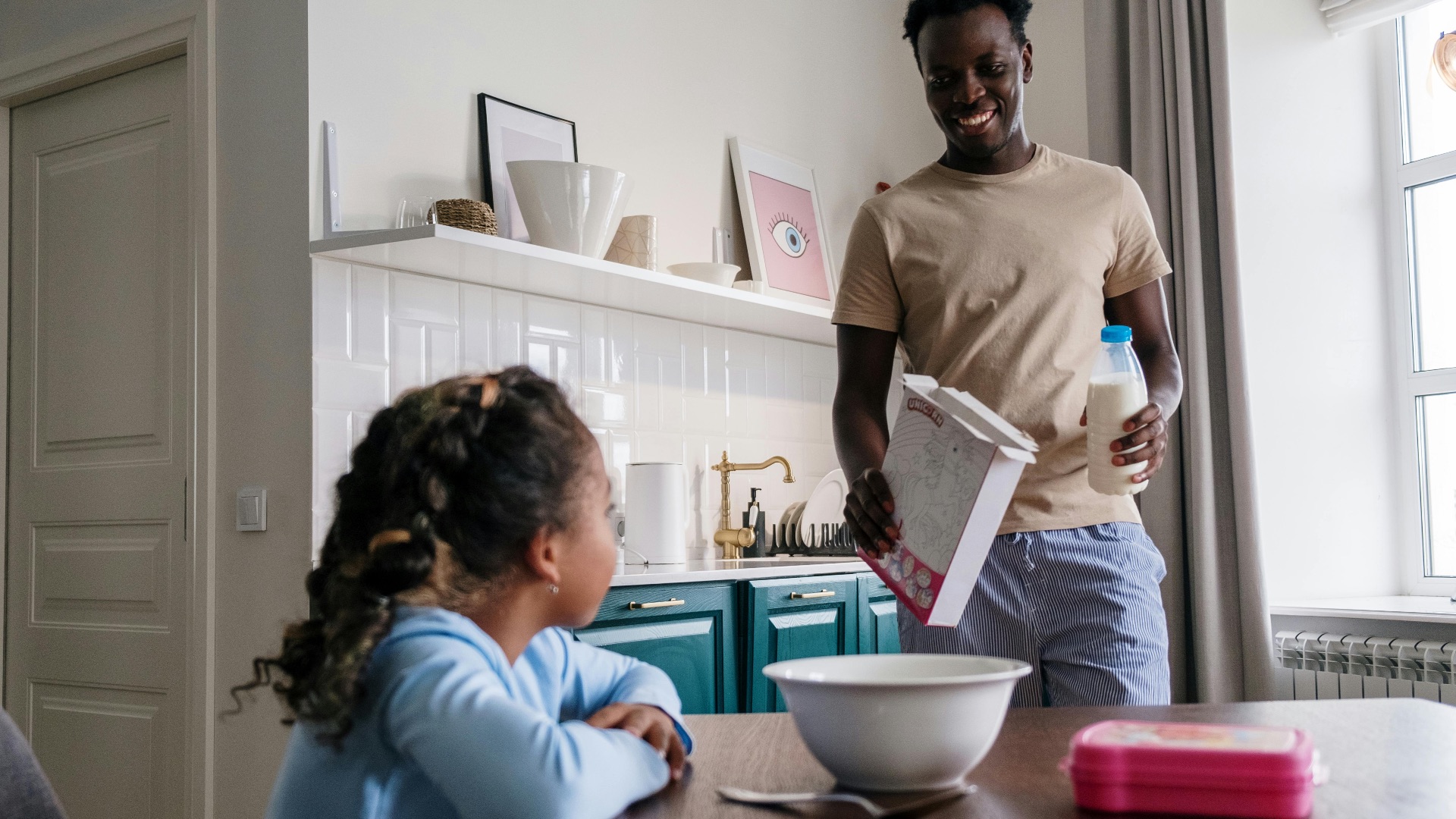
8. Let Older Kids Exercise More Responsibility
As children get older, it can help to involve them in the wake-up process rather than doing everything for them. Some kids respond better to their own alarm, or maybe getting a second reminder from you for when they should be out of bed. This approach supports independence while still giving structure, and helps them exercise more responsibility.

9. Prepare as Much as Possible the Night Before
A smoother wake-up is easier when everything is already prepped beforehand. So, during the night before school days, set out your child's clothes, backpack, and anything else that needs to be ready in advance; that way, the routine isn't so hectic at 7 a.m. That makes it easier for them to focus on getting moving instead of feeling buried in numerous tasks.

10. Notice What Helps Your Child Wake Best
Not every child responds the same way, so it helps to pay attention to individual patterns. One child may do well with one wake-up call, while another may need a different approach and an earlier bedtime. The most effective method, though, is the one that respects your child's temperament while still keeping the routine firm.