The Truth About In-Laws and How They Shape Your Life
In-law dynamics can shape everyday life in ways few people expect. One comment may feel supportive, another quietly unsettling—and these interactions influence the atmosphere at home more than most admit. Learning to recognize the difference brings clarity and emotional relief. Come with us as we explore the full set of signs that reveal if you're really lucky to have great in-laws, and the warning signals that suggest something far less healthy beneath the surface.

1. Enthusiastic Inclusion in Conversations
Good in-laws don’t feel the need to dominate the discussion. Instead, they nod, respond, ask thoughtful questions, and show real interest in what you are saying. Their energy encourages you to open up, and it makes everyone feel comfortable and involved.

2. Voluntary Acts of Kindness
While you may feel nervous asking for help, they'll often step right in and try to do it on their own. It looks simple on the surface, but these gestures show that they genuinely care about you and are willing to step in whenever you need help.
3. Exclusive Shared Laughs
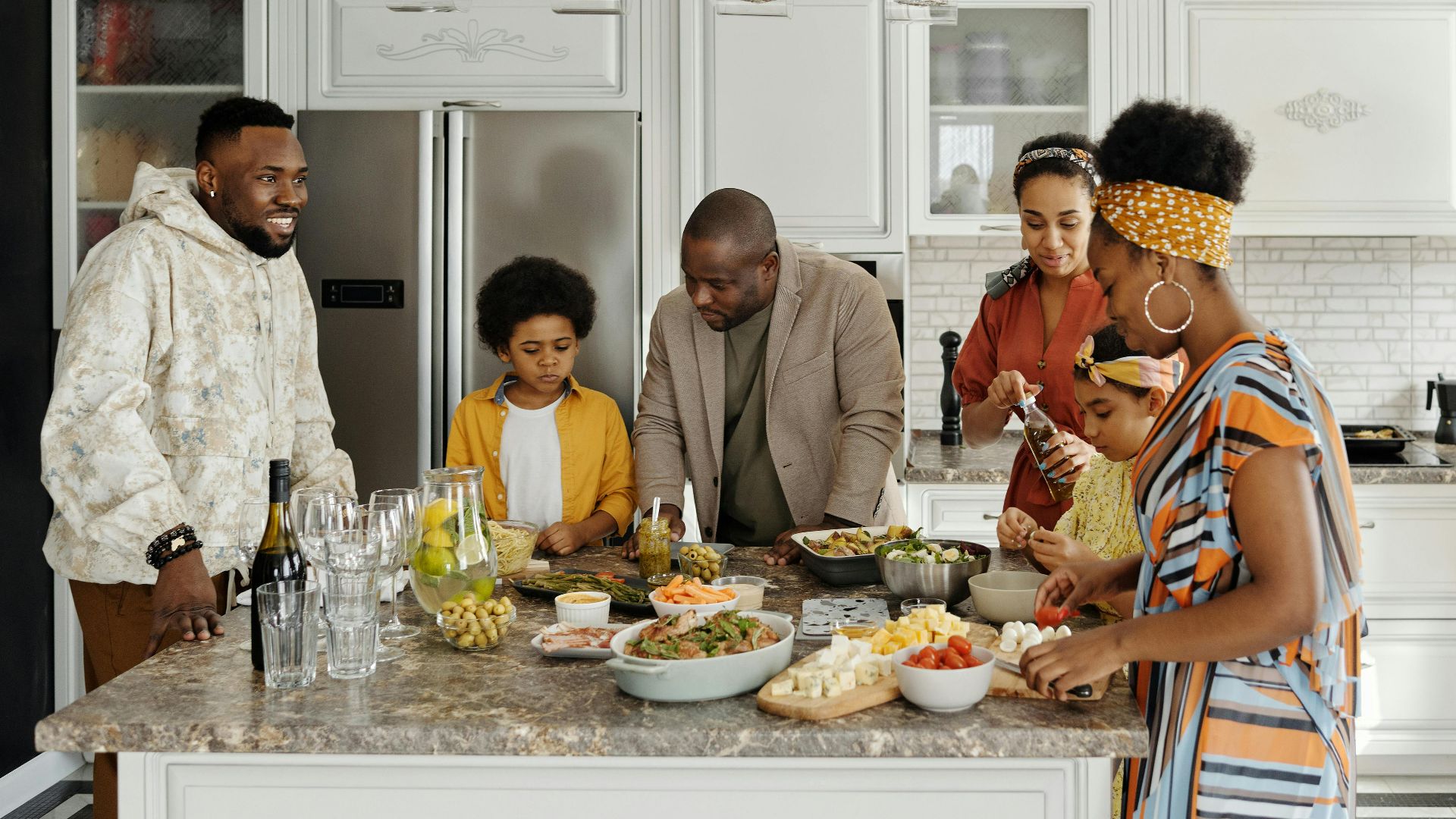
If your in-laws make attempts at shared humor, it not only reflects emotional intelligence, but also a willingness to welcome you into the family. Whether it's announcing the quirks of your partner to you or pulling their leg playfully, they're trying to make you feel at home.
4. Safe Space For Honest Talks
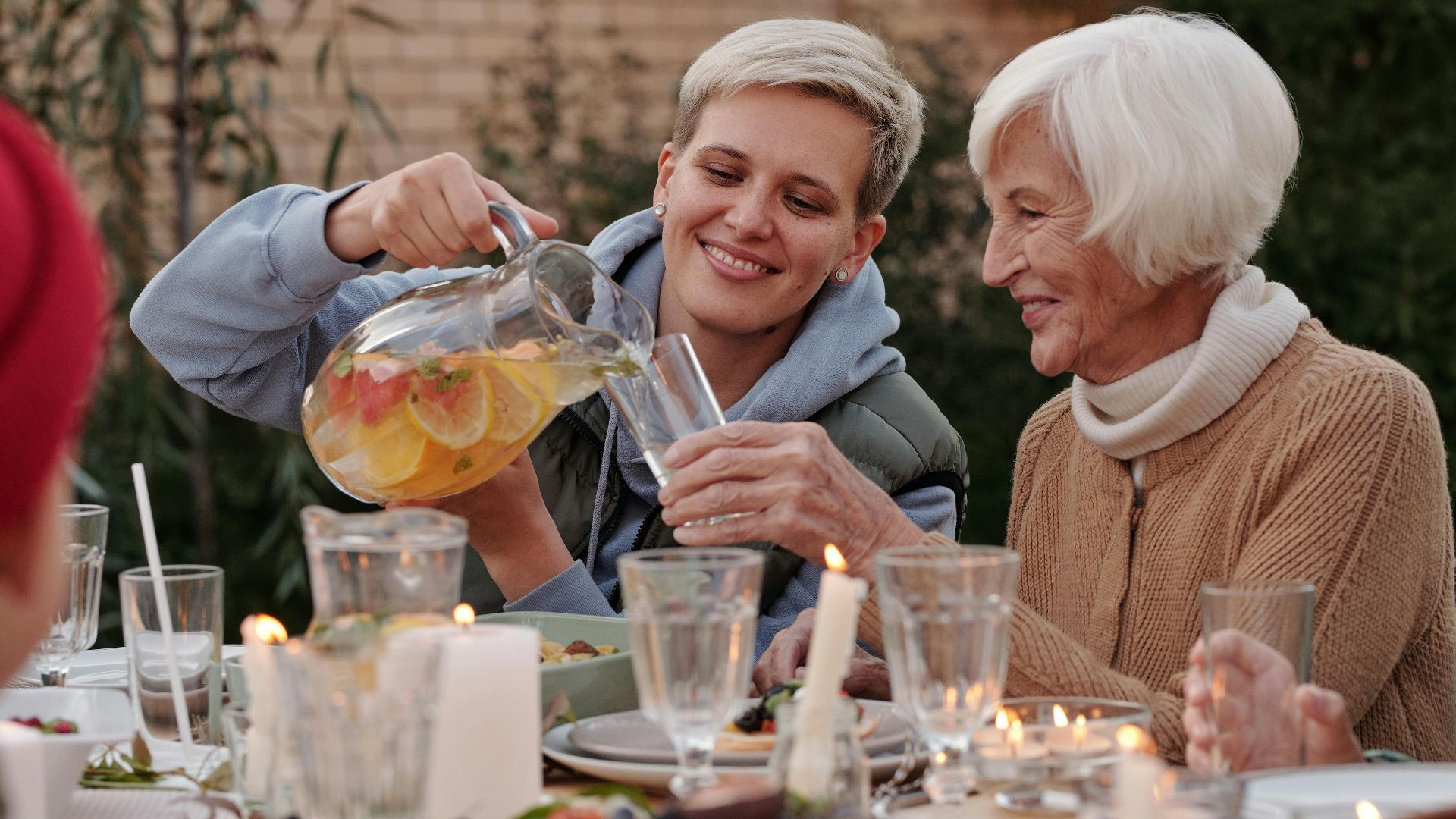
Great in-laws listen without judgment, which opens the space for honest discussion. They'll also accept your side of the story with an open mind. Many of these moments evolve into “vent-and-laugh” conversations that leave everyone feeling lighter and more connected.
5. Regular Check-Ins
Quick check-in texts or memes pop up most days, and they're all signs that your in-laws care about you. That voluntary contact builds comfort with security and creates easy bonds. Over time, you may feel comfortable just reaching out to them on your own!

6. Balanced Advocacy in Family Matters
Balanced advocacy means standing for fairness and harmony rather than taking automatic sides. It reflects emotional maturity as it respects the couple as a unit. This approach also keeps family discussions solution‑focused and helps build trust.

7. Generous Resource Sharing
Do your in-laws give you family heirlooms? Do they share secret recipes without you asking for them? If the answer is yes, you've hit the jackpot! Little moments like that are best way to include you in the family.
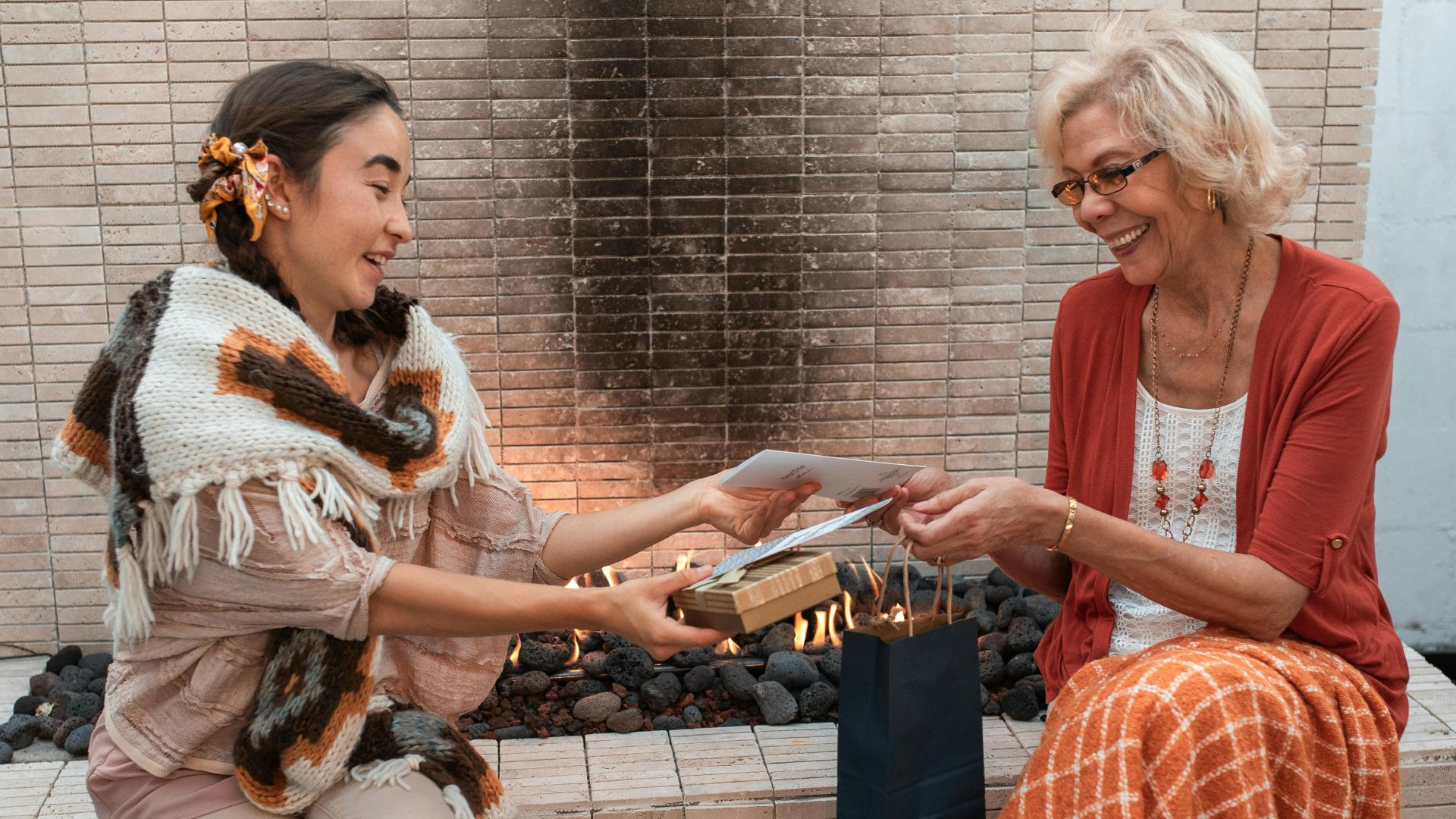
8. Personalized Celebrations
They understand your love language, and their thoughtfully tailored gestures make celebrations feel personal. Such actions strengthen emotional bonds and show you’re valued as an individual beyond being the spouse of their child.

9. Cheerful Encouragement For Goals
Your goals get genuine excitement, big or small. That steady encouragement motivates growth, though the idea isn't just to encourage goals—they take it a step further by celebrating your wins as well.
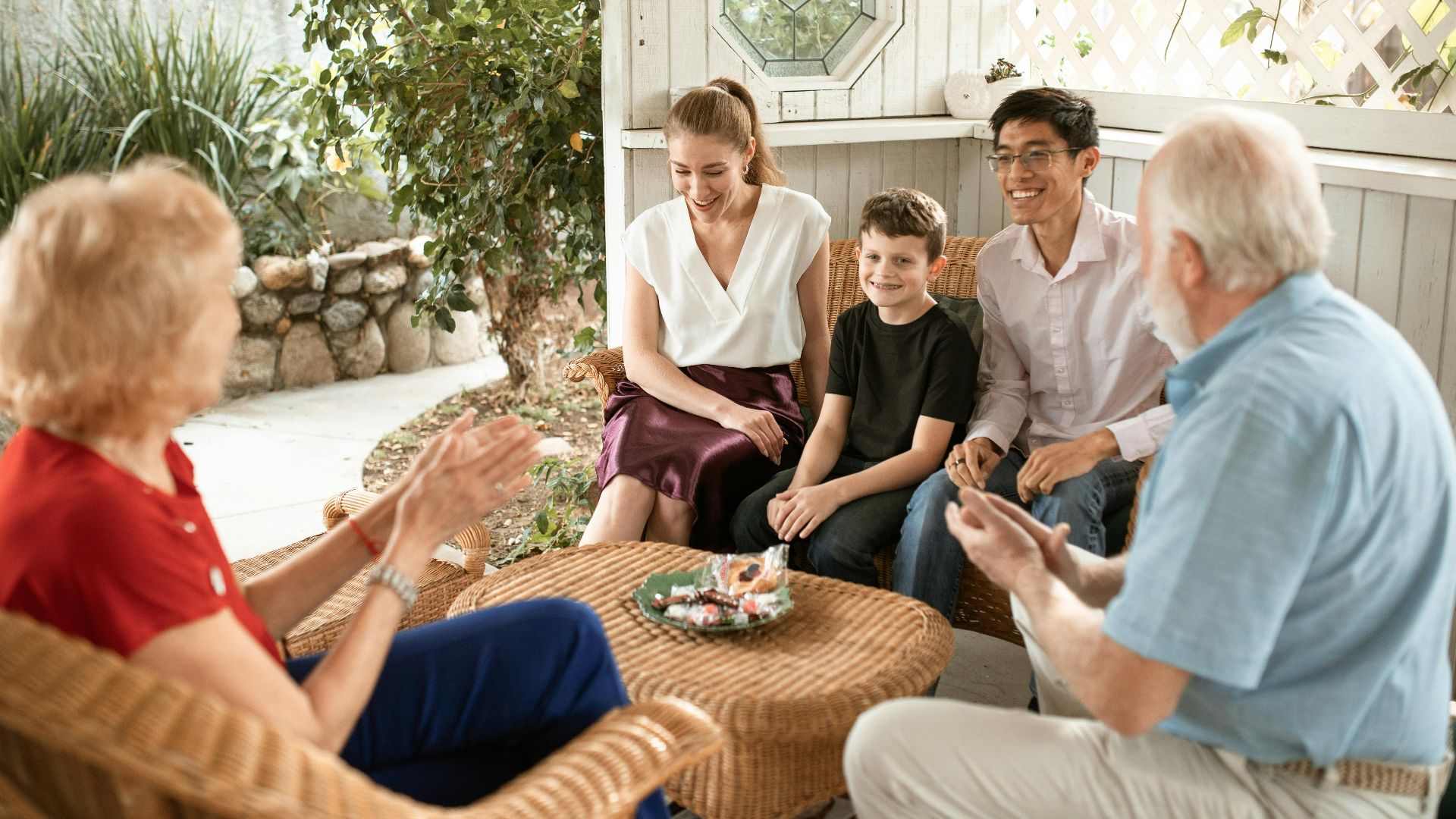
10. Relaxed Authenticity in Interactions
The relaxed atmosphere in their presence removes pressure and allows genuine connection to grow. It also makes family interactions feel comfortable, warm, and emotionally grounding. There's no place for hushed, behind-the-scenes conversations.

Unfortunately, not every in-law relationship offers this level of ease, and the difference becomes clear when these behaviors disappear.
1. Inconsistent Facades
One moment feels warm, the next feels distant. This split behavior creates confusion while slowly chipping away at trust. Such public politeness and private negativity is a manipulation pattern that increases emotional stress to quietly divide family relationships.

2. Relentless Fault-Finding
If they leave no stone unturned in looking for things that are not up to the mark in you, then they clearly aren't accepting. Worse is that they may rope in your spouse to prove your incompetence, according to them.
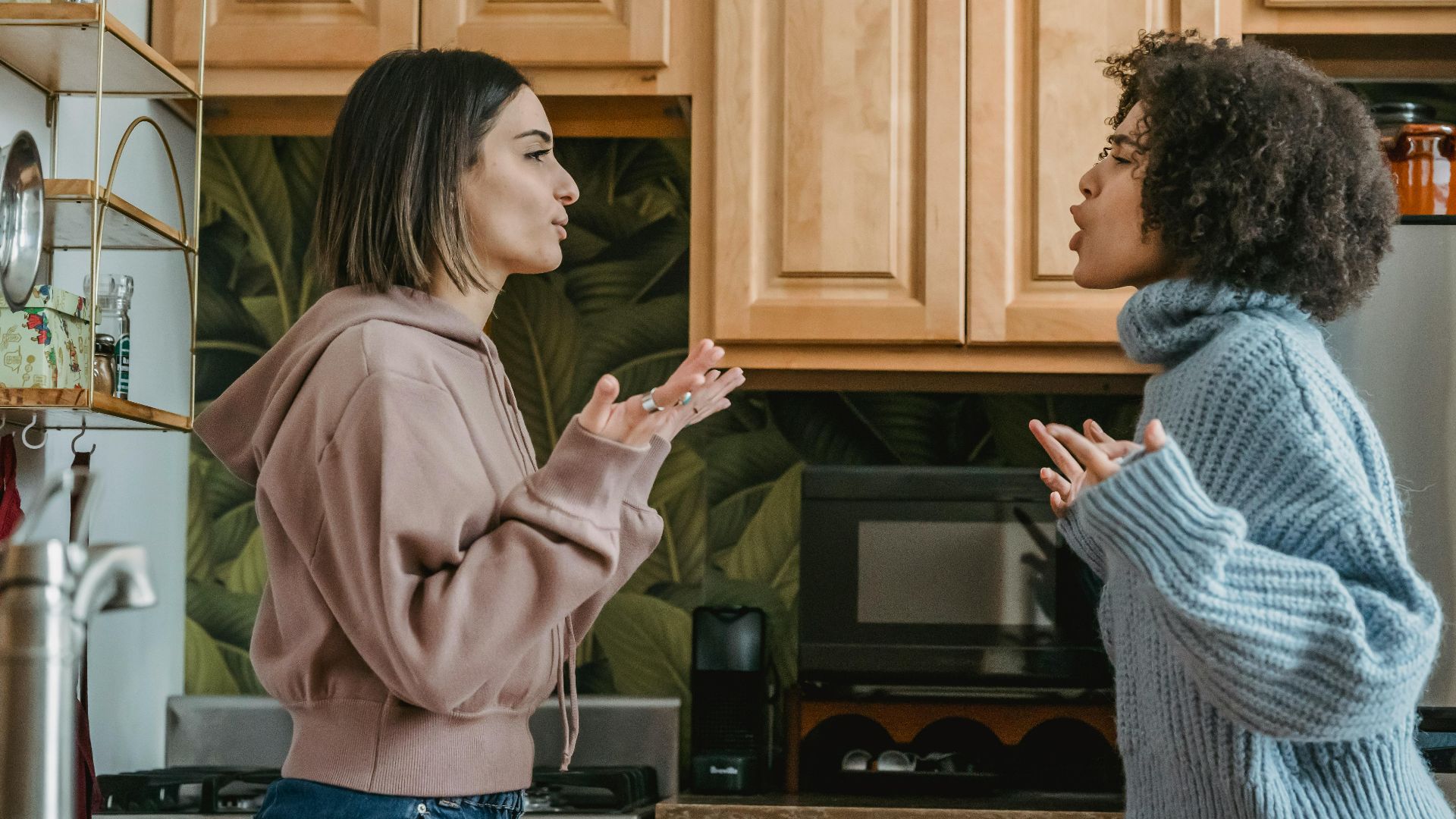
3. Dismissive Ingratitude
You put in effort, but it rarely gets noticed or thanked. Over time, the whole situation starts to feel draining. Constant lack of appreciation can quietly make you pull back, which creates emotional distance within the family.

4. Persistent Grudge-Holding
Old issues keep resurfacing, even after apologies are said or time has passed. The refusal to let things settle blocks closure and increases anxiety. Holding onto past hurts turns minor conflicts into lasting emotional weight within the family.
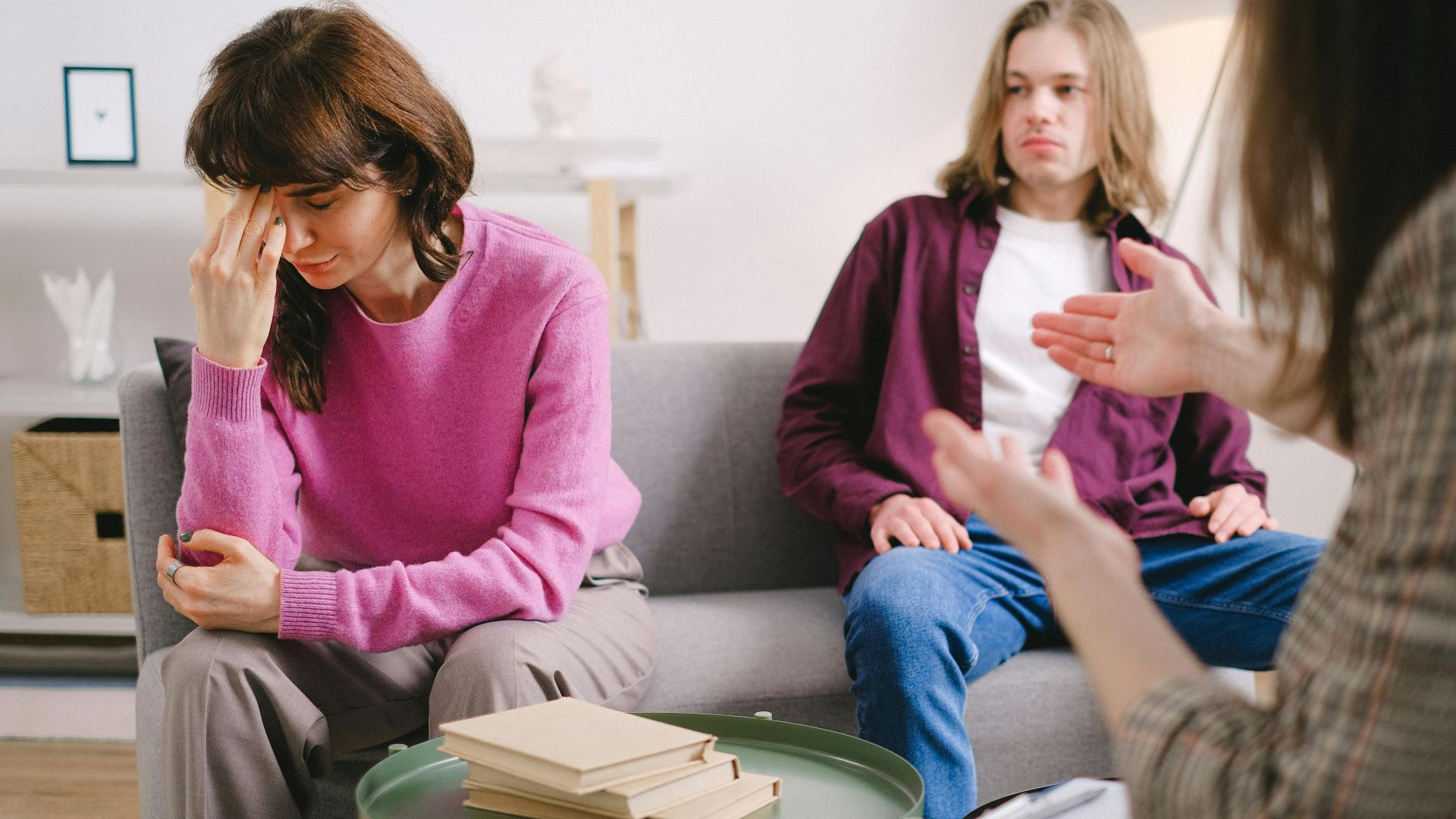
5. Unfavorable Past Comparisons
Past partners or “how things used to be” come up more than they should. These comparisons quietly stir insecurity, while adding a strain to the relationship. Experts even flag such patterns as a common way toxic dynamics destabilize family bonds.
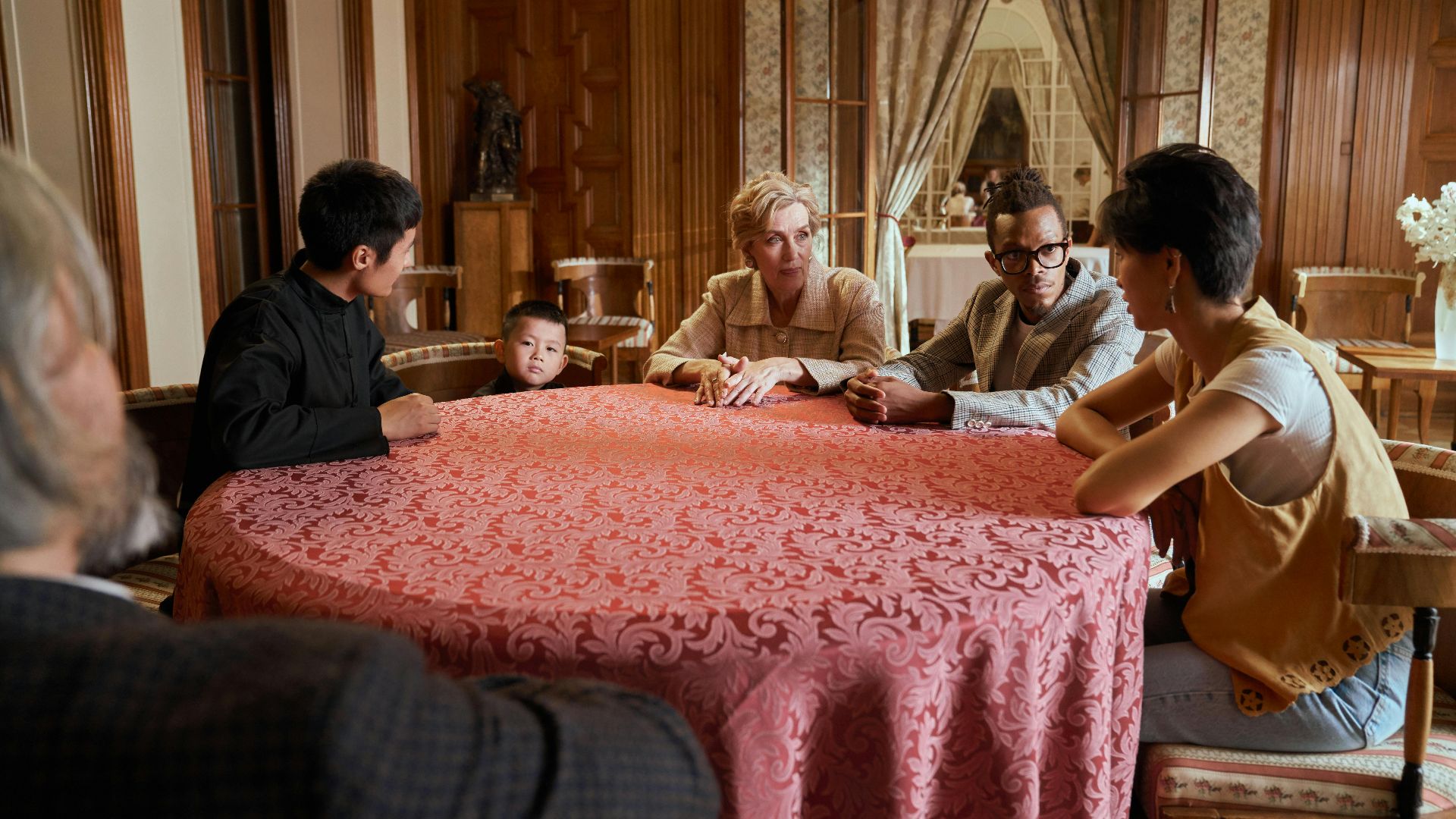
6. Role Encroachment Attempts
Crossing emotional or decision-making boundaries reflects overinvolvement and a need to assert influence. The behavior challenges healthy role separation within close relationships. (One example is taking over the autonomy of what your kids will do or eat.)
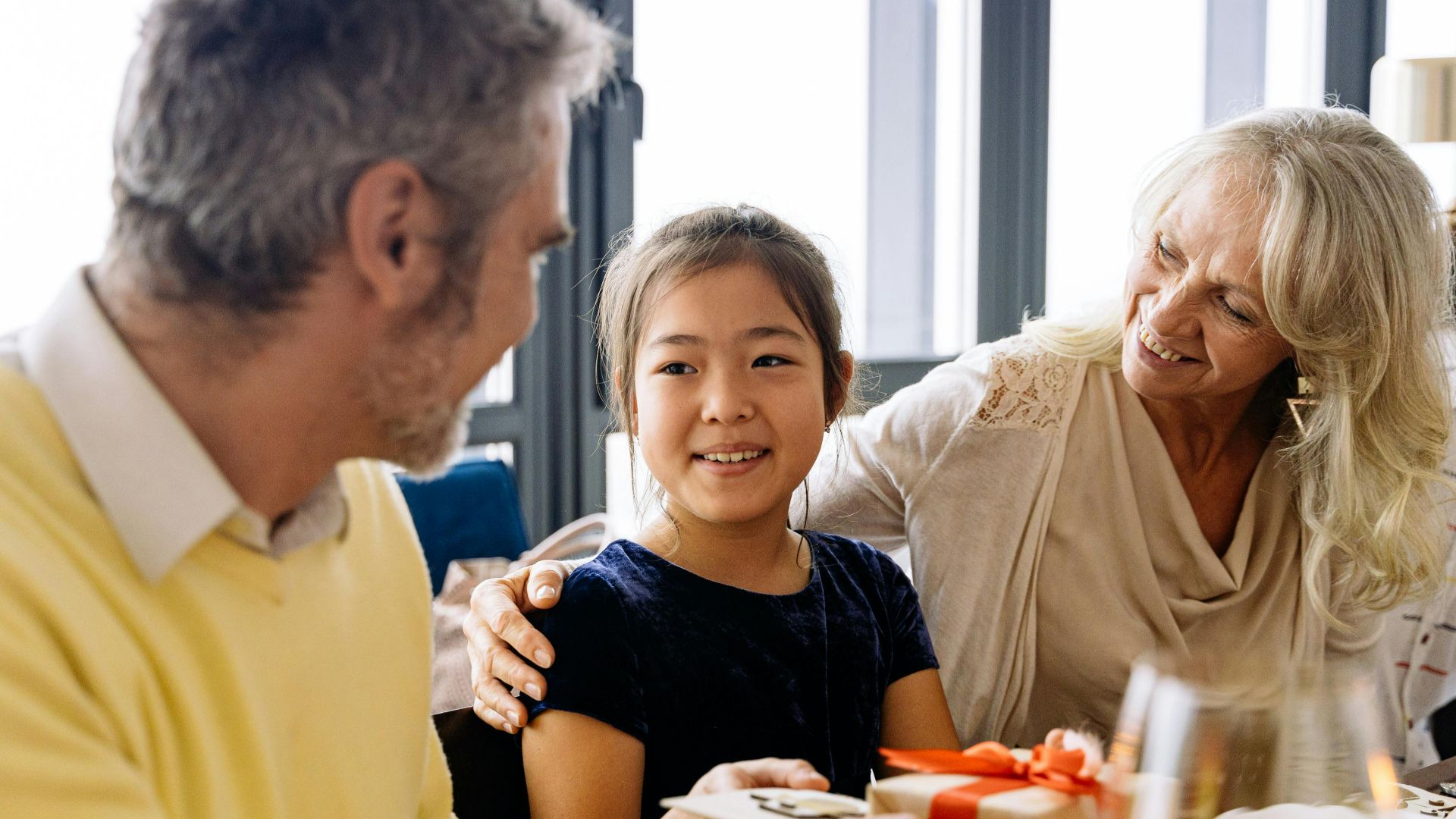 Antoni Shkraba Studio on Pexels
7. Attention-Seeking Intrusions
Uninvited demands for time or attention interrupt privacy and signal emotional dependence. The pattern shifts focus away from the couple and places the in-laws’ needs above the family’s to reflect poor respect for boundaries.

8. Direct Undermining of Partner
Criticism delivered to one partner weakens trust; that interference fuels anxiety and eventually, strains the marriage. It aligns with behaviors commonly linked to unhealthy family dynamics, which may cause permanent damage to relations.

9. Veiled Sarcastic Jabs
Indirect remarks land as jokes but carry a sharp edge. Sarcasm masks hostility to slowly drain confidence. Therapists link such passive-aggressive communication to covert toxicity, especially when comments are difficult to challenge without seeming overly sensitive.

10. Overreach Into Private Affairs
Probing into personal matters crosses emotional boundaries and signals entitlement. Persistent intrusiveness can increase anxiety and foster a sense of being watched. It also leaves individuals feeling exposed rather than respected within family interactions.
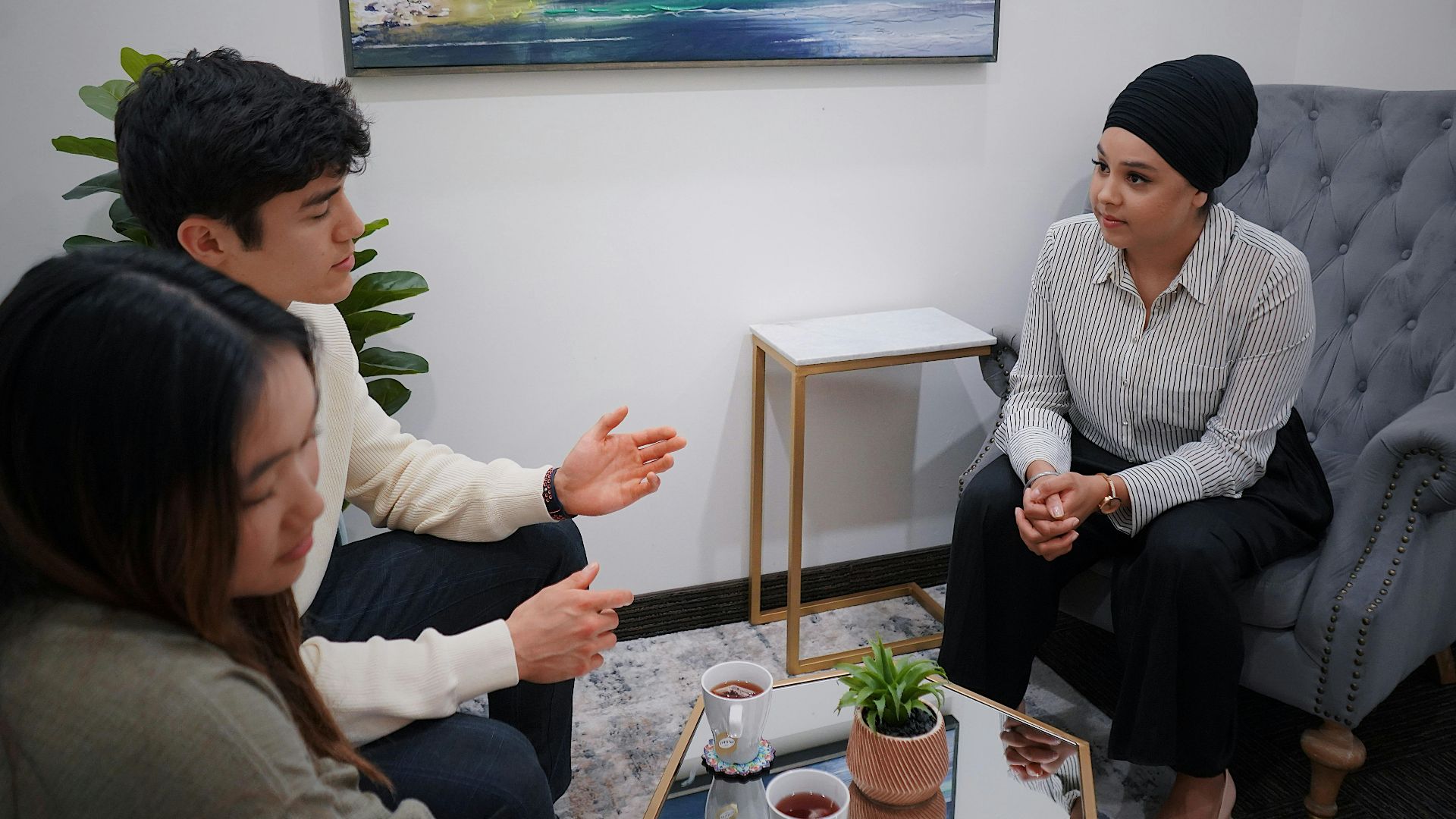 World Sikh Organization of Canada on Pexels