We've created a generation that sees danger everywhere. The irony is that in our desperate attempt to shield children from every possible harm, we've manufactured a generation less equipped to handle adversity than any before them. Walk through any playground today, and you'll notice a profound quiet devoid of scraped knees and minor disputes over whose turn it is on the swing. They've been regulated, supervised, and bubble-wrapped out of existence.
The Allergy Hypothesis, Applied to Experience
Remember when doctors told parents to keep babies away from peanuts? Then research flipped everything, and as it turns out, early exposure to allergens actually prevents allergies. The immune system needs training. The same principle applies to psychological resilience, except we haven't quite caught on yet.
Studies from the late 2010s showed that children who experienced supervised risk-taking activities—climbing trees, using sharp tools, playing without constant oversight—demonstrated better executive function and emotional regulation. A 2017 Belgian intervention study found that children who attended play settings where they could engage in risky play showed no increase in injury rates but significant improvements in risk assessment skills.
Safe Spaces on College Campuses

By the time these protected children reach university, the results are striking. Campus mental health center visits have skyrocketed. Counseling appointments grew 38.4% versus a 5.6% enrollment increase from 2009-2015 across 93 institutions. Depression jumped similarly.
Contemporary students arrive at college never having navigated social conflict independently, never having experienced the full weight of a mistake. A professor assigns a challenging reading that conflicts with a student's worldview, and suddenly it's not an intellectual challenge but a threat requiring protection and safe spaces.
The concept of antifragility, popularized by Nassim Taleb, explains what we're missing. Some systems actually require stress to grow stronger. Think of your muscles, bones, and immune system. Mental resilience is no different; it can’t be built in a padded room.
The Vanishing Free-Range Childhood
In 1971, 80% of third-graders walked to school alone. By 1990, that number had dropped to 9%. Today, that number is nearly zero. Parents in several states have faced legal consequences for allowing children to play unsupervised in their own neighborhoods.
This goes beyond being protective and reflects a fundamental misreading of actual risk. Child abduction by strangers remains exceptionally rare, estimated at around 100 cases annually in the United States out of 74 million children. Yet we parent as if predators lurk behind every tree. The more pressing danger is raising children who can't cross a street without GPS guidance.
Kids need to navigate their neighborhoods and get lost occasionally. Every challenge solved independently builds what psychologists call self-efficacy—the belief in one's ability to handle novel situations.
The Homework Helper Trap
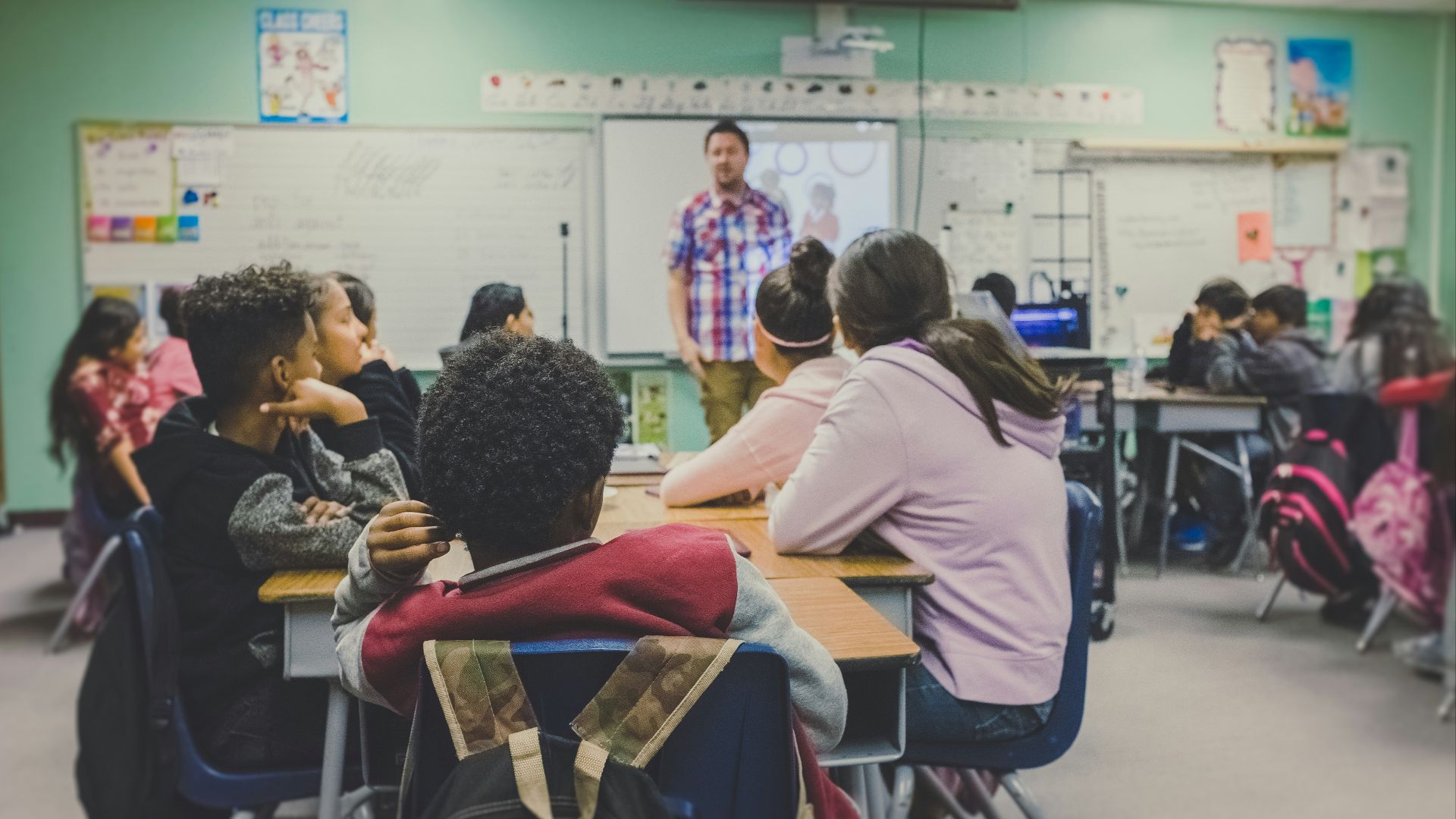
Homework time in middle-class households has become a collaborative project between students and their parents. Parents hover, correct, and essentially complete assignments to ensure perfect grades.
Teachers report increasing numbers of students who shut down at the first sign of difficulty. This pattern of throwing up the white flag at the first sign of difficulty then persists into high school, then college. Employers now complain about young workers who can't handle criticism, need constant reassurance, and expect rapid promotion.
A 2013 study published in the Journal of Child and Family Studies found that children of "helicopter parents" reported higher levels of depression and lower levels of satisfaction with life. They struggled with autonomy and competence.
Digital Vigilance, Real-World Incompetence
Smartphones deliver constant connectivity. Parents track their college students via Life360, text throughout the day, and remain plugged into every decision. Meanwhile, basic life skills atrophy. Many teenagers can't make phone calls—actual voice calls—without feeling anxiety.
The path forward requires uncomfortable choices and resisting the urge to reflexively rescue children from every disappointment and difficulty. Risk looks different than we imagine, and the real danger isn't the scraped knee or the failed test but the adult who never learned to handle setbacks.