
Schools operate on a factory model invented when we actually needed factory workers. In any given classroom, there were twenty-odd kids with one teacher giving everyone the same lesson at the same pace. Never mind that some students grasped fractions in ten minutes while others needed three different explanations and a hands-on activity.
The system pushes everyone forward at the same speed, leaving some bored and others bewildered. Northwest Evaluation Association (NWEA) data shows that in average 3rd-8th grade classrooms, reading and math achievement spreads across 4+ grade equivalents. For instance, the comprehension in a 5th-grade class might range from 1st to 9th-grade levels. We're basically asking a size-medium shirt to fit everyone from toddlers to linebackers and wondering why it doesn't work.
Different Brains Actually Learn Differently
Some kids are visual learners who need diagrams and charts. Others learn best by listening or by physically doing something with their hands. Schools acknowledge this in theory but rarely have the resources to accommodate it in practice.
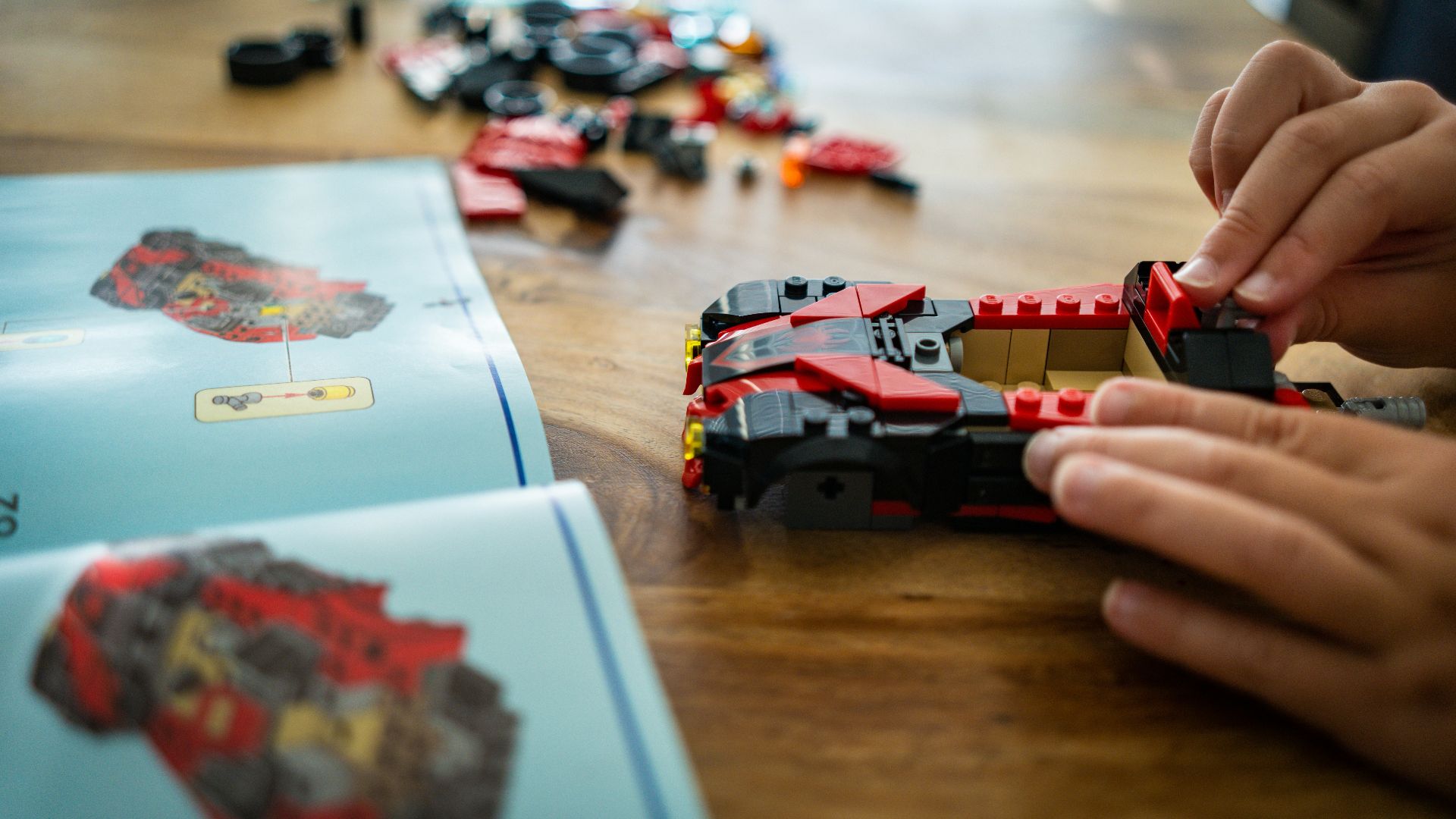
At home, you've got flexibility schools don't. If your kid is struggling with multiplication, you can push the envelope by drawing arrays with sidewalk chalk or using LEGOs to build factor groups. The method matters less than finding what clicks for that particular brain.
The whole "learning styles" concept has critics who say the research is overblown, and maybe they're right that we shouldn't rigidly categorize kids. Still, anyone who's watched a child finally understand something after the fifth different explanation knows that variety in approach makes a difference.
Pacing Should Be Flexible, Not Fixed
Why do all third-graders need to master long division in March? Some are ready in January. Others won't get it until May. The calendar doesn't care about individual readiness, so kids either sit through redundant lessons or fall behind and never quite catch up.
The Khan Academy model figured this out years ago, allowing students to spend three weeks on a concept if needed, or blow through a whole unit in two days if they already understand the material. This seems obvious, yet schools can't really do it when managing thirty students with thirty different timelines.
Focus on Depth Over Coverage
Schools race through material because curriculum standards demand covering dozens of topics per year. The result is students learn a little about everything and not much about anything. They can tell you Columbus sailed in 1492 without understanding why that mattered or what actually happened.
With individual learning plans, you can go deeper—spending a month on ancient Egypt if your child is fascinated by pyramids. You can read books, watch documentaries, build a model, or even try writing in hieroglyphics. That depth builds real understanding and, honestly, makes learning more interesting for everyone involved.
Let Kids Learn From Their Actual Interests
Classroom topics get chosen by committees writing standards, not by what seven-year-olds find compelling. Your child’s obsession with dinosaurs may be a gateway to developing an understanding of the scientific method and research skills. It may even lead to a career in paleontology or geology.
Schools worry that following interests means some kids never learn math or writing. The solution isn't abandoning interests entirely, but connecting interests to the required skills. You can weave core subjects into their dinosaur obsession by having them calculate things like dinosaur sizes or write reports on fossil formation.
Fighting against a kid's interests to force arbitrary curriculum creates resistance. Working with their interests creates momentum.
Mix Formal and Informal Learning
You don't need to recreate school at your kitchen table. Some of the best learning happens indirectly—through conversations, projects, and experiences that don't look like traditional education at all.
Cooking teaches fractions, chemistry, reading comprehension, and following procedures. Gardening covers biology, seasons, patience, and responsibility. Board games build math skills, strategic thinking, and graceful losing. Museums, nature walks, library visits, and even YouTube videos about how things are made count as a form of learning.
Structured lessons have their place. Workbooks and formal instruction provide systematic skill building that's hard to replace. You don’t have to choose though; you can mix both approaches. Some days can look like school; others can look like real life.