For many families, the question of how to educate their children isn't as straightforward as it used to be. Traditional schooling has long been the default, but homeschooling has grown significantly in popularity over the past few decades, with more parents choosing to take their children's education into their own hands.
It's a decision that comes with a lot of weight, and understandably so. There's no universal answer to whether homeschooling is "better," because it depends heavily on the child, the family's circumstances, and what they're hoping to achieve. That said, understanding the real advantages and drawbacks can help you figure out whether it might be the right path for your family.
The Academic Side of Homeschooling
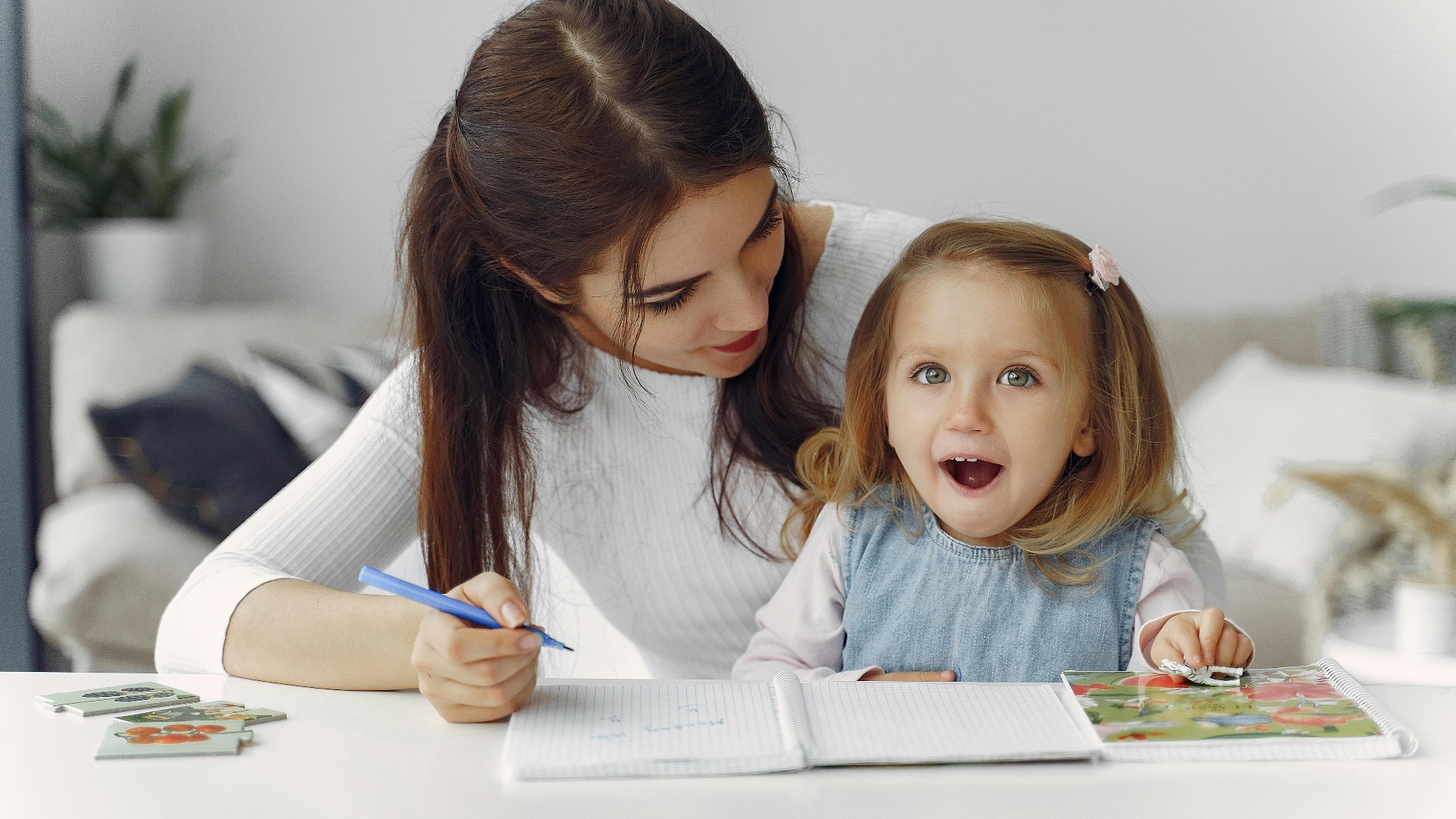
One of the most commonly cited benefits of homeschooling is the ability to tailor education to a child's individual learning style and pace. In a traditional classroom, teachers have to manage the needs of 20 to 30 students at once, which makes truly personalized instruction difficult. A homeschooled child, on the other hand, can spend more time on subjects they find challenging and move ahead quickly in areas where they excel.
Research suggests this approach can pay off academically. A 2010 study found that homeschooled students scored an average of 15 to 25 percentile points higher than their public school peers on standardized academic achievement tests. It's worth noting, however, that these results can be influenced by factors like parental education level and the resources available to the family.
Not every parent is equipped to deliver a rigorous academic curriculum, and that's an honest limitation worth acknowledging. Some subjects, like advanced mathematics, laboratory sciences, or foreign languages, can be genuinely difficult to teach without specialized training or resources. Families considering homeschooling should think carefully about how they'll cover these areas, whether through co-ops, online programs, or outside tutors.
Social Development and Its Challenges
A frequent concern raised about homeschooling is whether children will develop strong social skills without the daily interaction that traditional schools provide. It's a fair question, and the answer is more nuanced than a simple yes or no. Homeschooled children can absolutely build healthy social lives, but it typically requires more intentional effort from parents to make that happen.
Many homeschooling families address this through extracurricular activities, community sports leagues, music programs, homeschool co-ops, and local interest groups. These opportunities allow children to interact with peers in structured and unstructured settings, which mirrors much of what traditional schooling offers socially. According to the National Home Education Research Institute, homeschooled students are regularly engaged in community and social activities outside the home.
That said, the quality and quantity of social interaction can vary widely depending on how proactive the family is. A child whose homeschool experience is largely isolated indoors will likely face social challenges that a well-connected homeschooled child wouldn't. It's less about the schooling method itself and more about how deliberately social exposure is built into the child's routine.
Flexibility, Lifestyle, and Long-Term Outcomes
One of homeschooling's most practical advantages is the flexibility it offers. Families can structure their school day around their lifestyle, travel, or even a child's medical needs—something a fixed school schedule simply can't accommodate. This flexibility can reduce stress for both parents and children, particularly in households where traditional school hours create logistical difficulties.
Homeschooling also allows families to incorporate their values, whether religious, philosophical, or cultural, more directly into their child's education. For some, this is one of the primary motivations for choosing it in the first place. A 2016 survey by the National Center for Education Statistics found that the top reasons parents chose homeschooling included concerns about the school environment, a desire to provide religious or moral instruction, and dissatisfaction with academic instruction at local schools.
When it comes to long-term outcomes, homeschooled students have demonstrated strong performance in college admissions and post-secondary success; some studies have noted that homeschooled graduates tend to have higher GPAs and graduation rates in college compared to traditionally schooled peers. Again, however, researchers are careful to point out that these outcomes are likely influenced by the high level of parental involvement that homeschooling inherently requires. That same involvement, if applied in a traditional school setting, might produce similar results as well, meaning homeschooling isn't always the "right" answer.
Ultimately, homeschooling isn't inherently better or worse than traditional schooling; it's simply a different approach with its own set of trade-offs. The families who tend to thrive with it are those who go in with clear goals, realistic expectations, and a plan for both academics and socialization. If you're weighing the decision, the most useful thing you can do is look honestly at your child's needs, your own capacity as an educator, and the resources available to you before making the call. If anything, let your child be the judge of what they want for their education.