10 Situations That Warrant A Parent-Teacher Conference & 10 To Let Your Child Handle Alone
10 Situations That Warrant A Parent-Teacher Conference & 10 To Let Your Child Handle Alone
Parenting School Challenges
Every parent faces the dilemma of whether to contact their child's teacher or let the situation resolve itself naturally. Some problems require swift collaboration between home and school to prevent lasting damage. Others are actually opportunities for kids to develop skills they'll need throughout life. The difference isn't always obvious in the moment when emotions run high, and you want to protect your child from struggle. So, let's start with the clear-cut scenarios where reaching out to the teacher is necessary.

1. Sudden Drop In Academic Performance
A noticeable decline in grades can signal learning or adjustment challenges. Meeting with teachers early helps identify the cause before gaps widen, giving your child a chance to regain confidence while the issue is still manageable.
2. Persistent Classroom Behavioral Problems
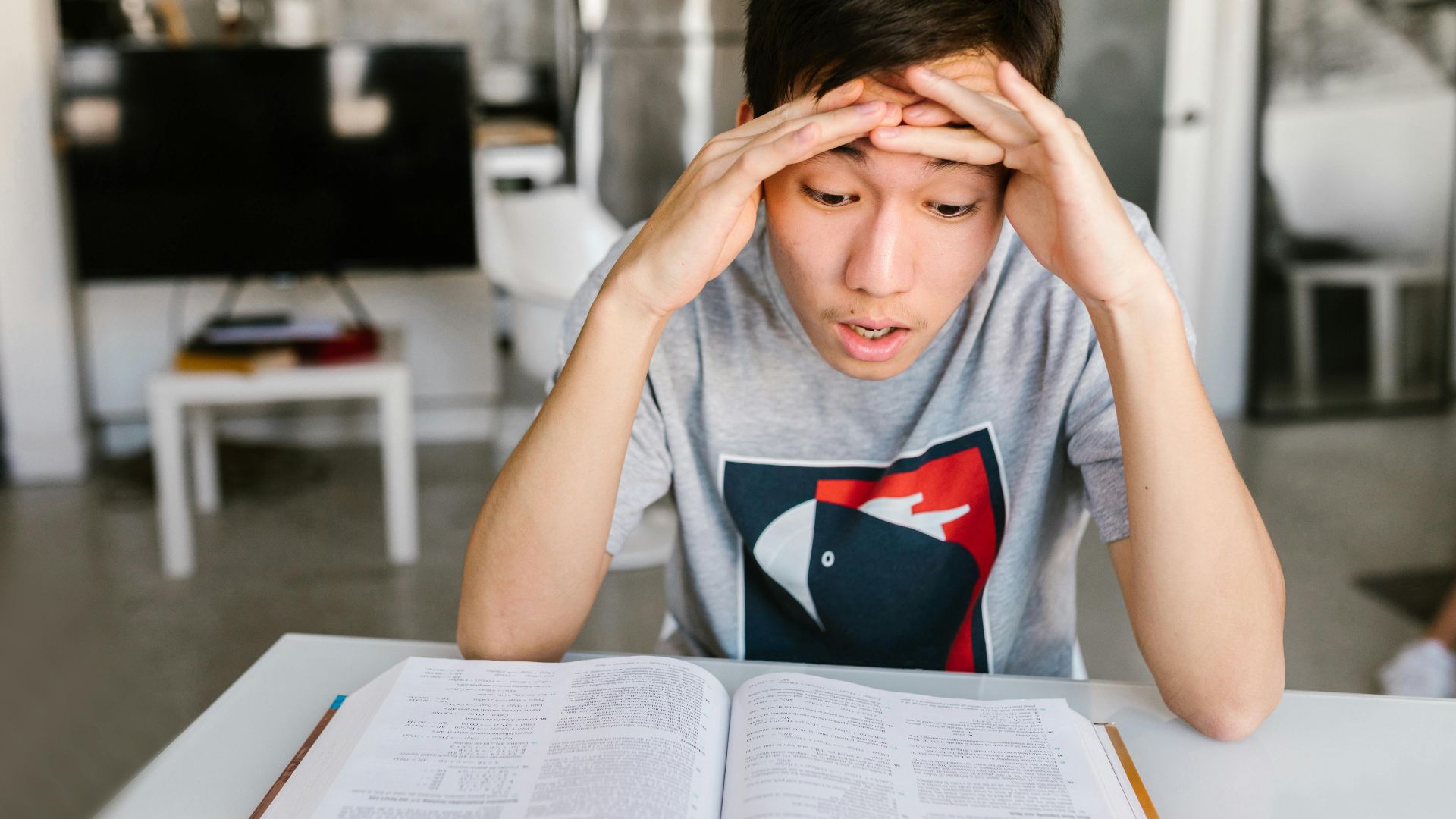
Repeated disruptions hurt learning for everyone in the room, but acting out doesn't happen in a vacuum. Maybe assignments are impossibly hard, and lashing out beats admitting confusion in front of peers who seem to get it easily.
3. Child Involved In Bullying Incidents
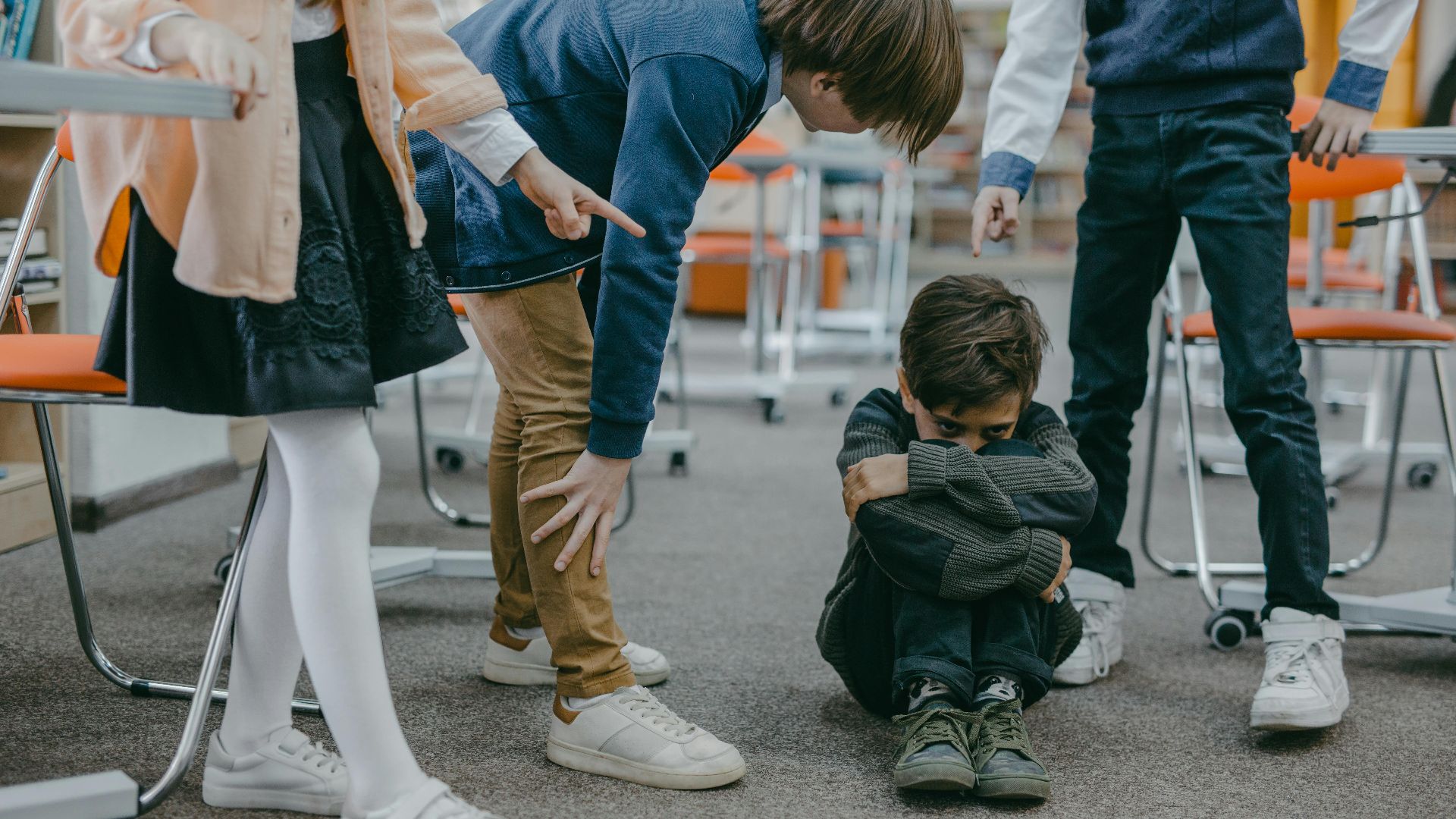
Nobody wants to hear their child has either suffered or caused harm to someone else. In this situation, understanding the full context—not just your kid's version—matters for stopping the behavior and repairing damage done.
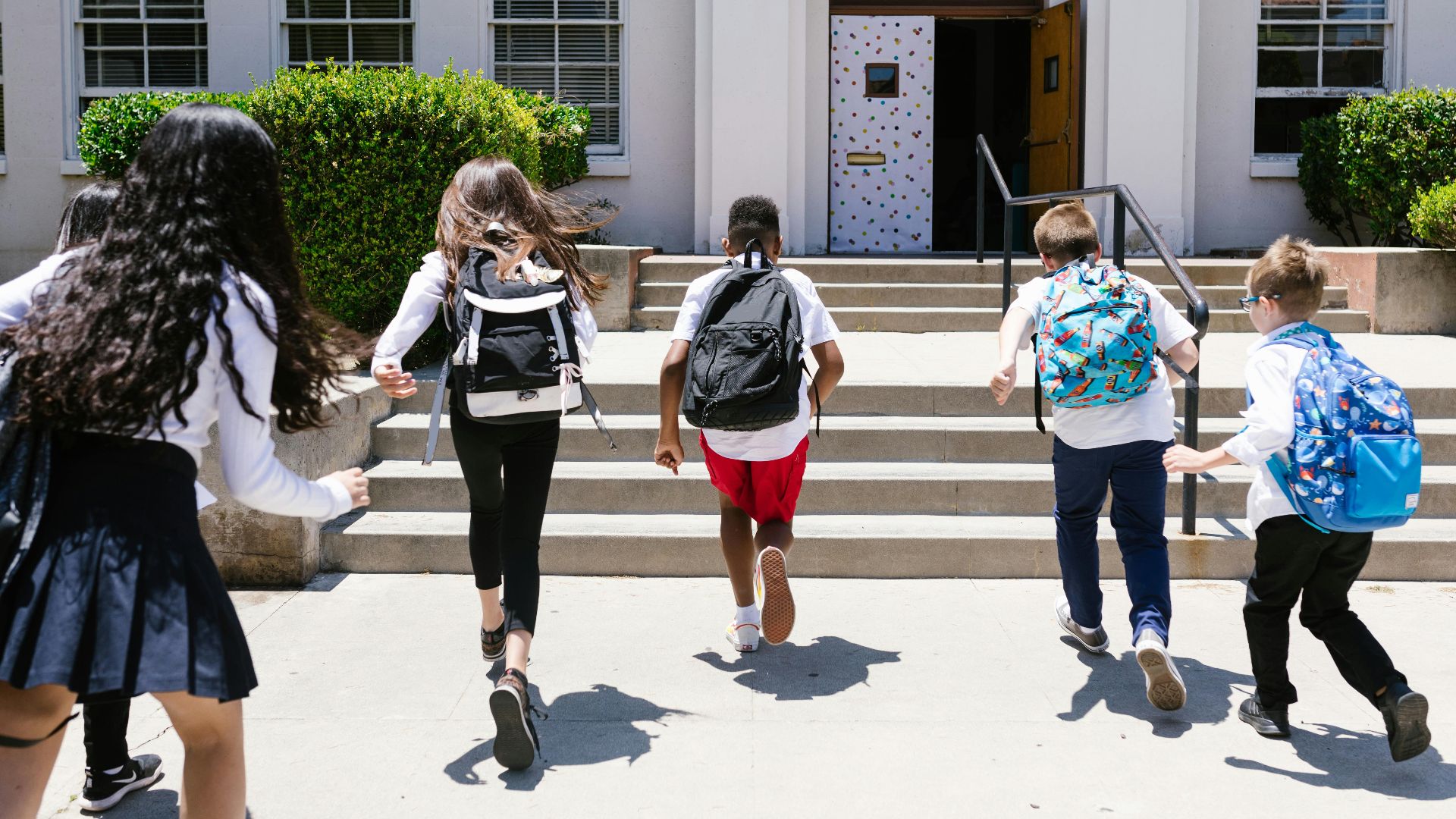
4. Frequent School Absences Or Tardiness
Arriving late or missing school regularly can make children fall behind and feel embarrassed. Sleep issues, anxiety, or transportation challenges can make mornings overwhelming, and patterns often need attention before they start affecting learning and confidence.
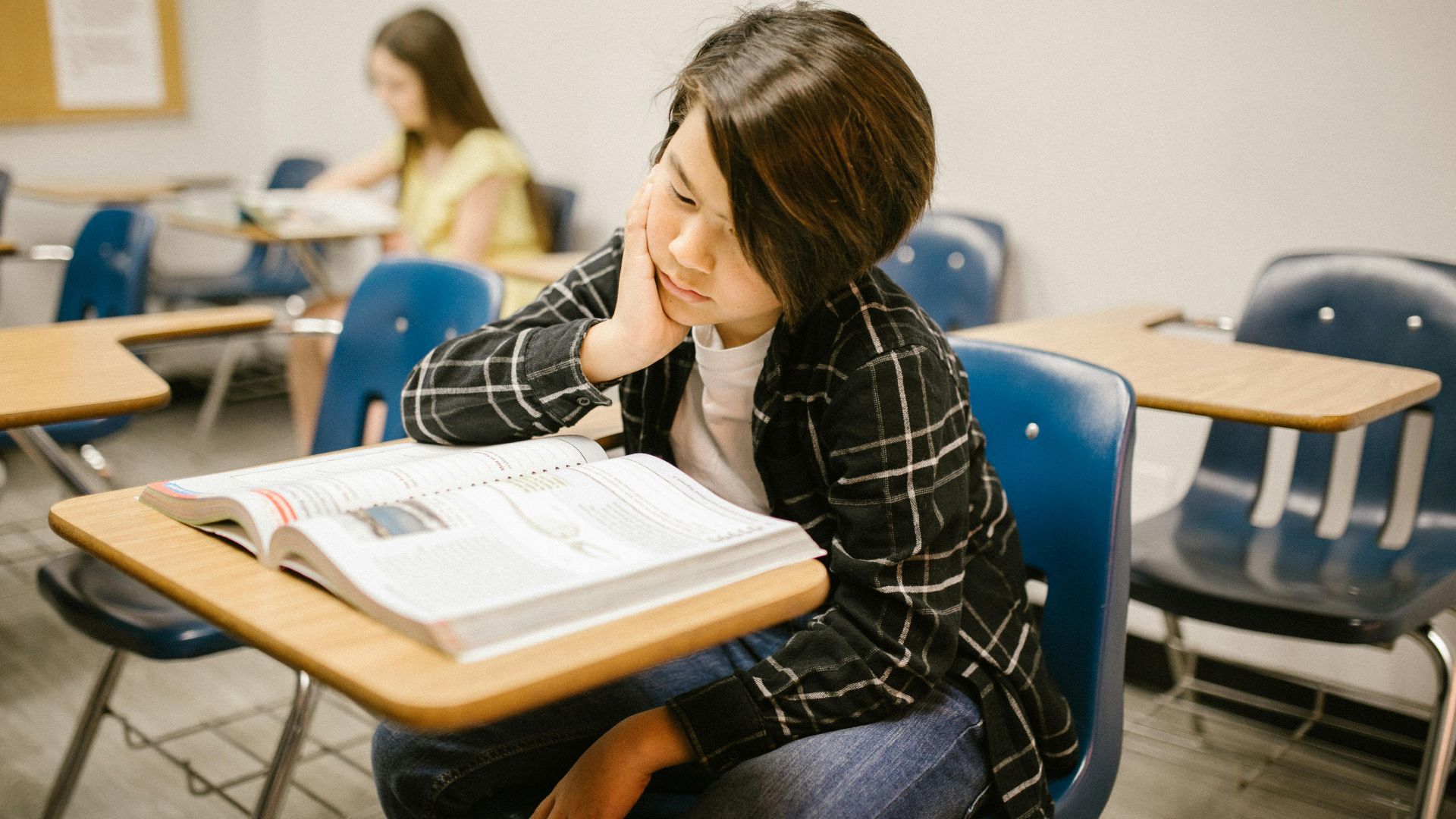
5. Suspected Learning Disabilities Or Delays
Even bright children can face learning challenges that make certain tasks frustrating. They might understand lessons but struggle to show it on paper. Early testing and support can make school more manageable and boost confidence.
6. Major Family Changes Impacting The Child
Divorce, serious illness, or moving cities affects kids deeply, even when they insist everything's fine at home. School might be the one place their world hasn't turned upside down, or it might be where stress finally surfaces because home requires holding it together.

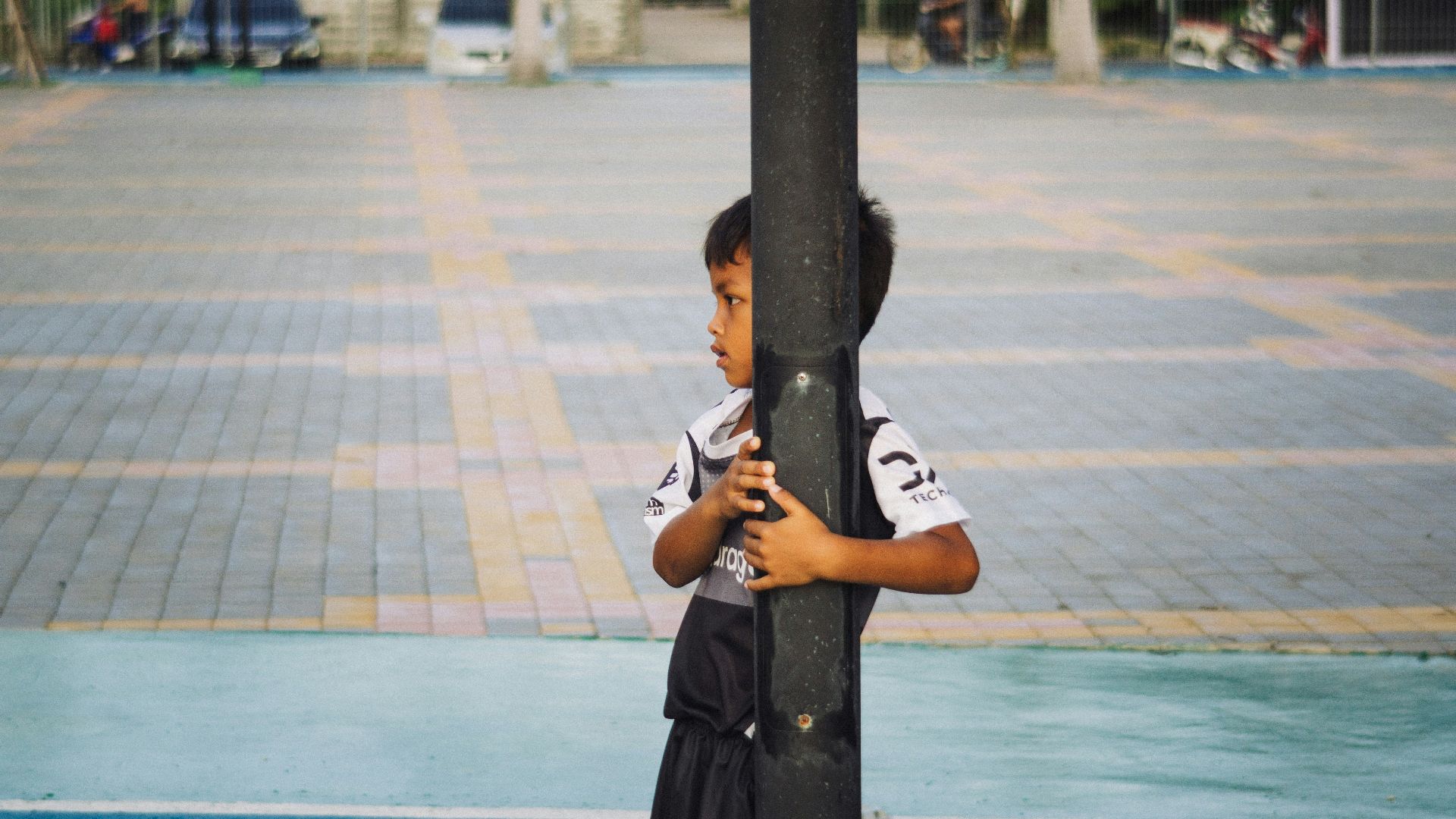
7. Child Struggling With Peer Relationships
Struggling to connect with classmates can affect a child’s overall school experience, even if grades are fine. Teachers often notice subtle social patterns during class or recess that may signal growing exclusion or difficulty making friends.
 Honney Artkongharn on Unsplash
8. Noticeable Lack Of Learning Motivation
Apathy about school rarely fixes itself without figuring out what killed the motivation in the first place. Does your child shut down during specific subjects or across everything equally? Social humiliation about abilities might be the real issue nobody's named yet.

9. Signs Of Ongoing Emotional Distress
Mental health struggles don't look identical across settings, which makes them hard to assess without multiple perspectives. Some kids save meltdowns for home where they feel safe. Others hold everything together for parents while teachers watch them break down during transitions or unstructured time.
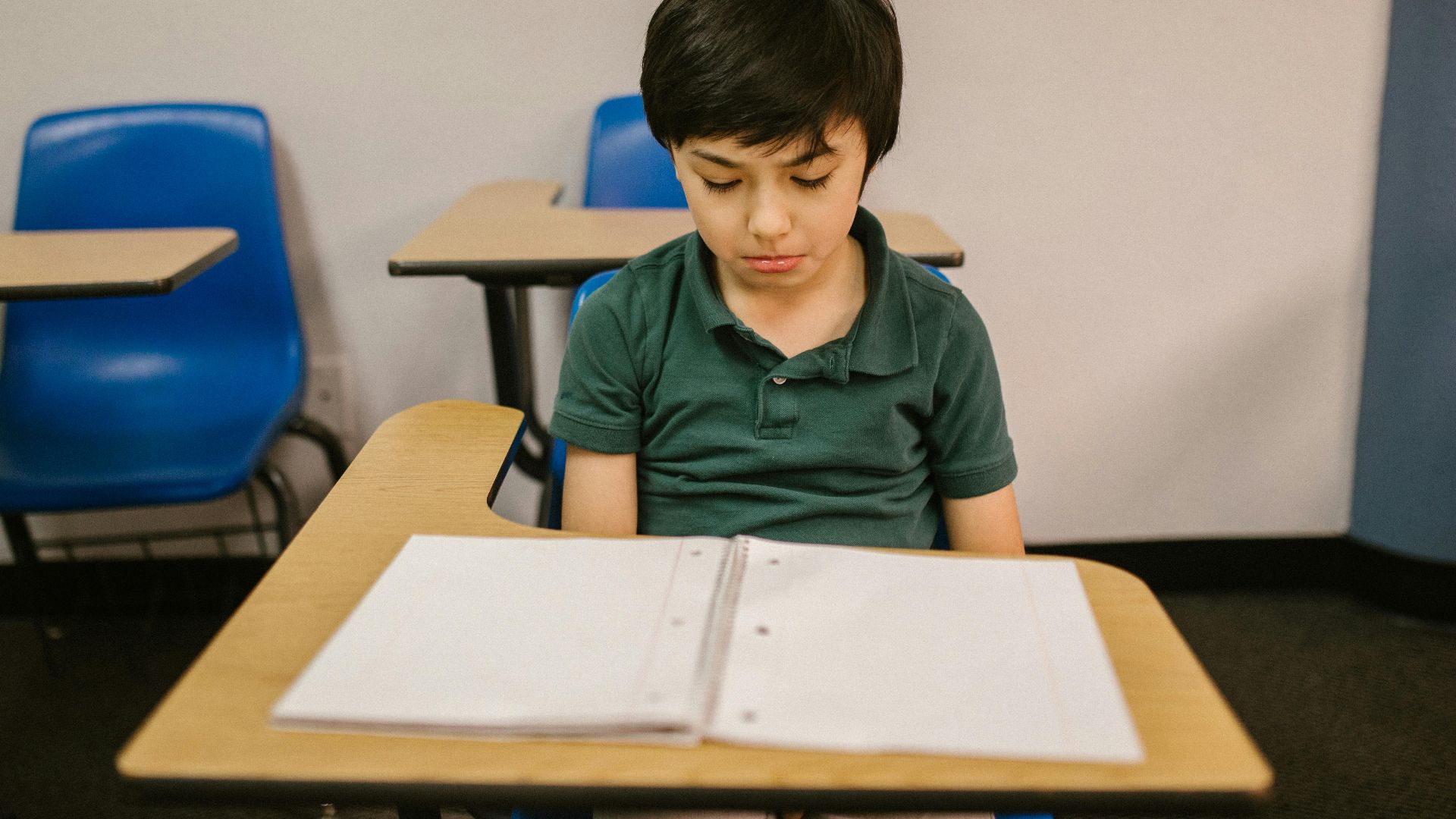
10. Repeated Unexplained Physical Health Complaints
Stomachaches or headaches every morning before school, but fine on weekends? Teachers can tell you if these symptoms spike around specific subjects or activities that reveal the real trigger. Bodies respond to stress even when kids can't articulate anxiety internally.

Now let’s shift to the kinds of challenges where stepping back can be the most supportive choice.
1. A Class Placement Or Role They’re Unhappy With
Landing in regular math instead of honors stings when friends get accelerated placement. Schools base these decisions on actual performance data. Working hard in the current class and showing readiness builds a stronger case for advancement next year than complaining about the initial placement decision.
2. A Single Low Grade On A Quiz Or Assignment
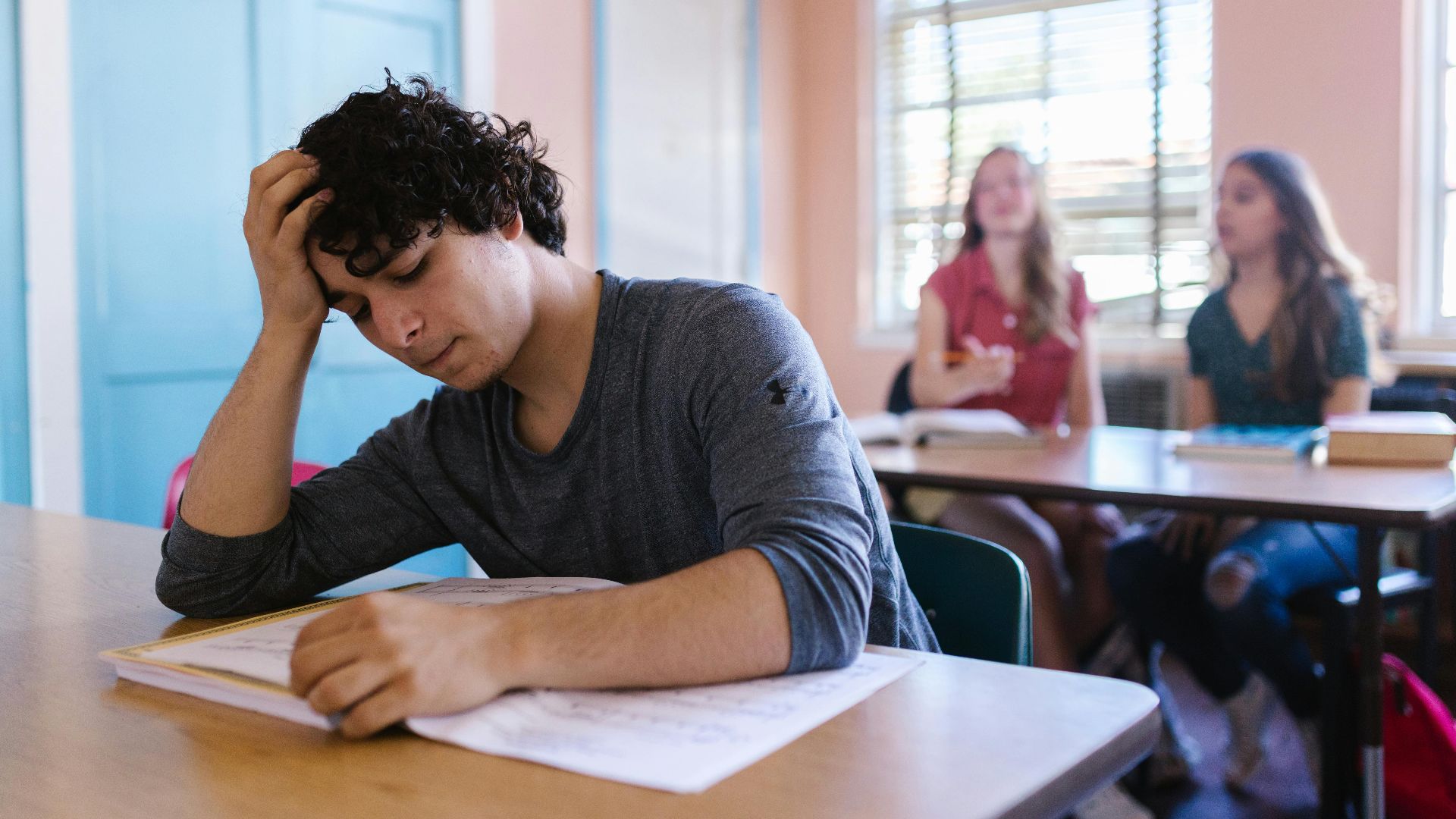
One bad quiz doesn't signal an academic crisis or unfair treatment from teachers. Kids need to experience disappointment and figure out how to study differently next time. Swooping in to question grading teaches them that poor performance isn't their responsibility to fix.
3. Forgetting To Turn In An Assignment Once
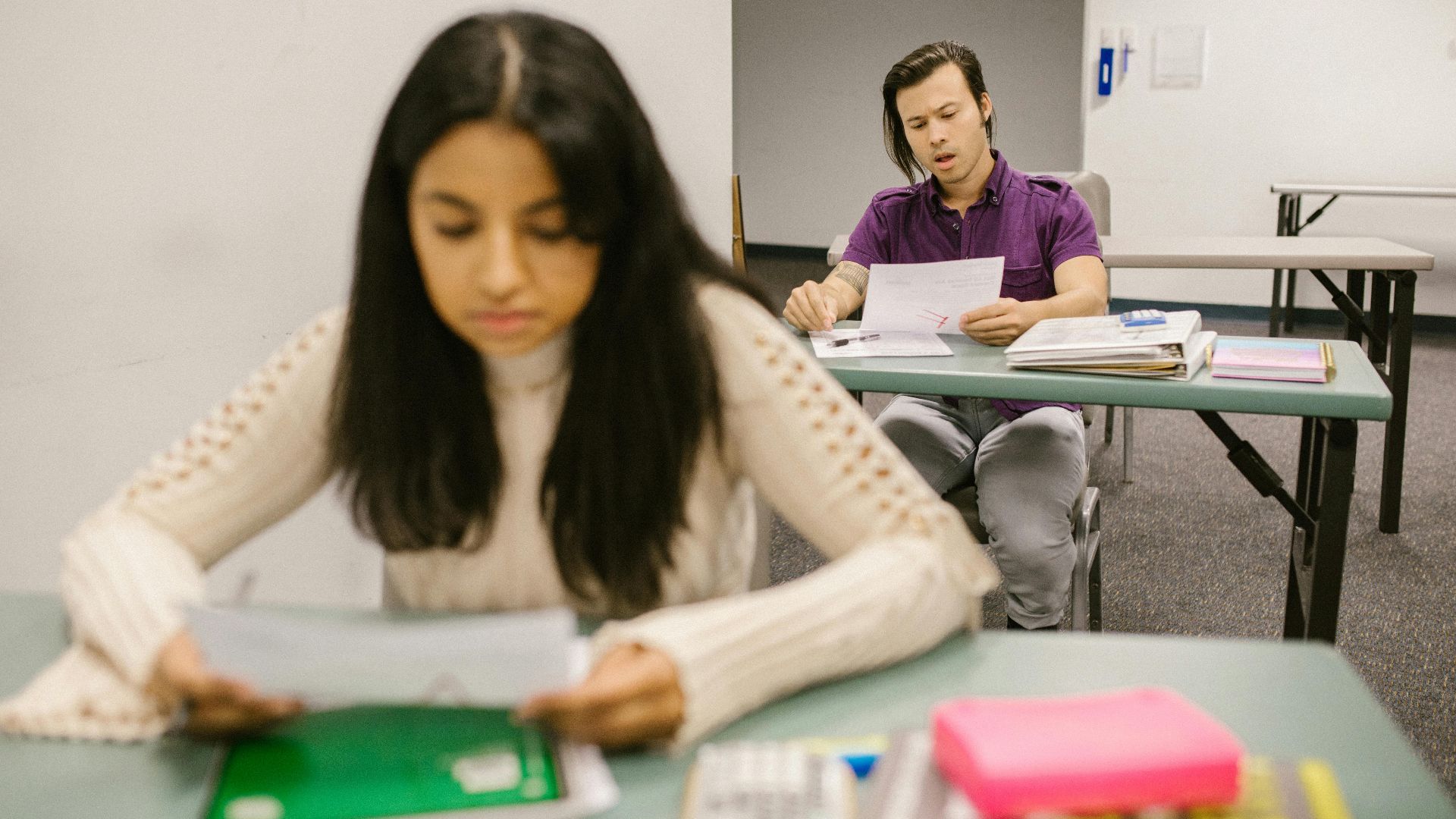
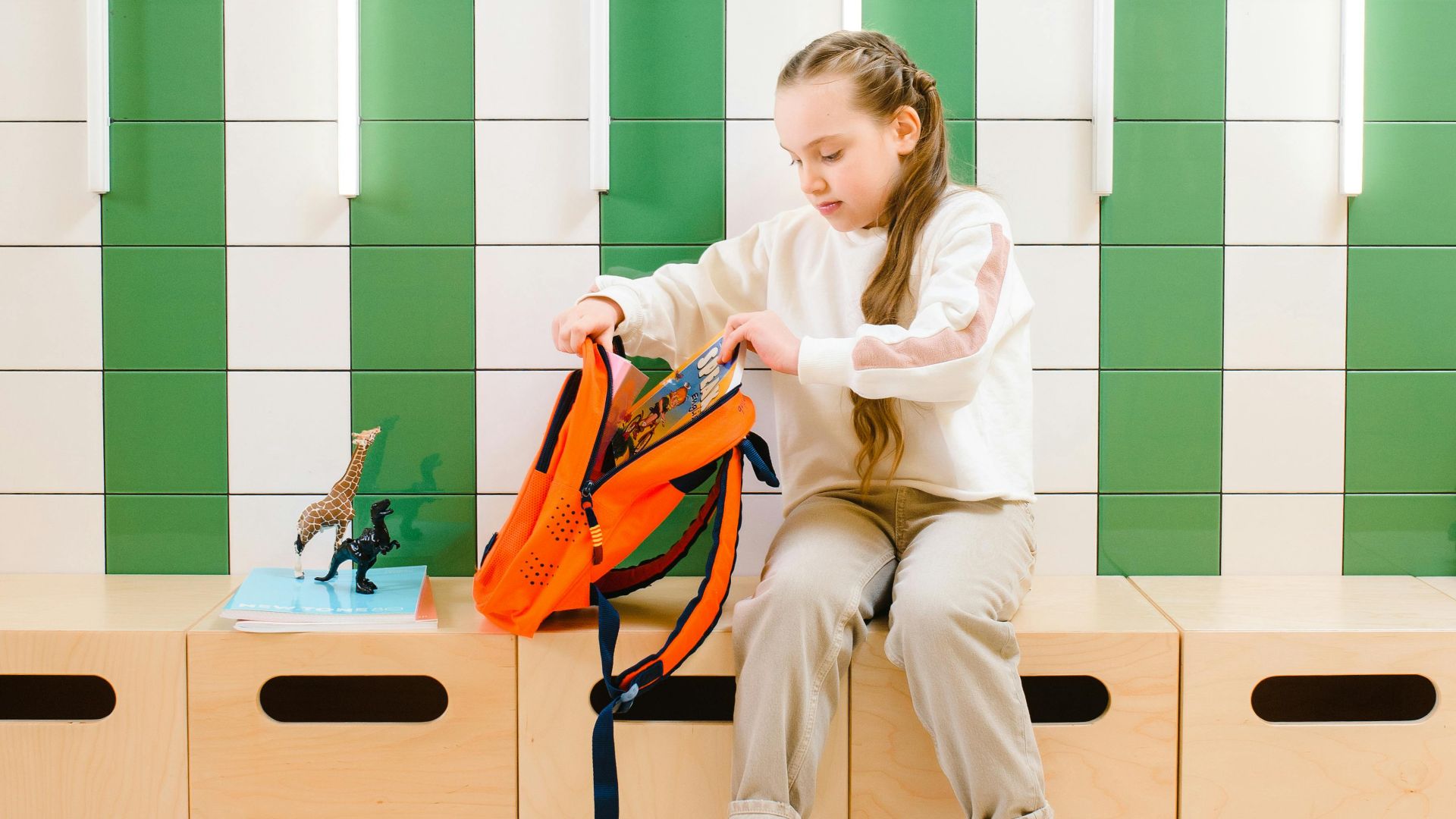
Everyone forgets things occasionally, and experiencing the natural consequence builds better habits. Your child can apologize to the teacher and create a system to prevent it from happening again. This teaches accountability and planning skills they'll need forever.
4. A Minor Disagreement With A Teacher About Instructions
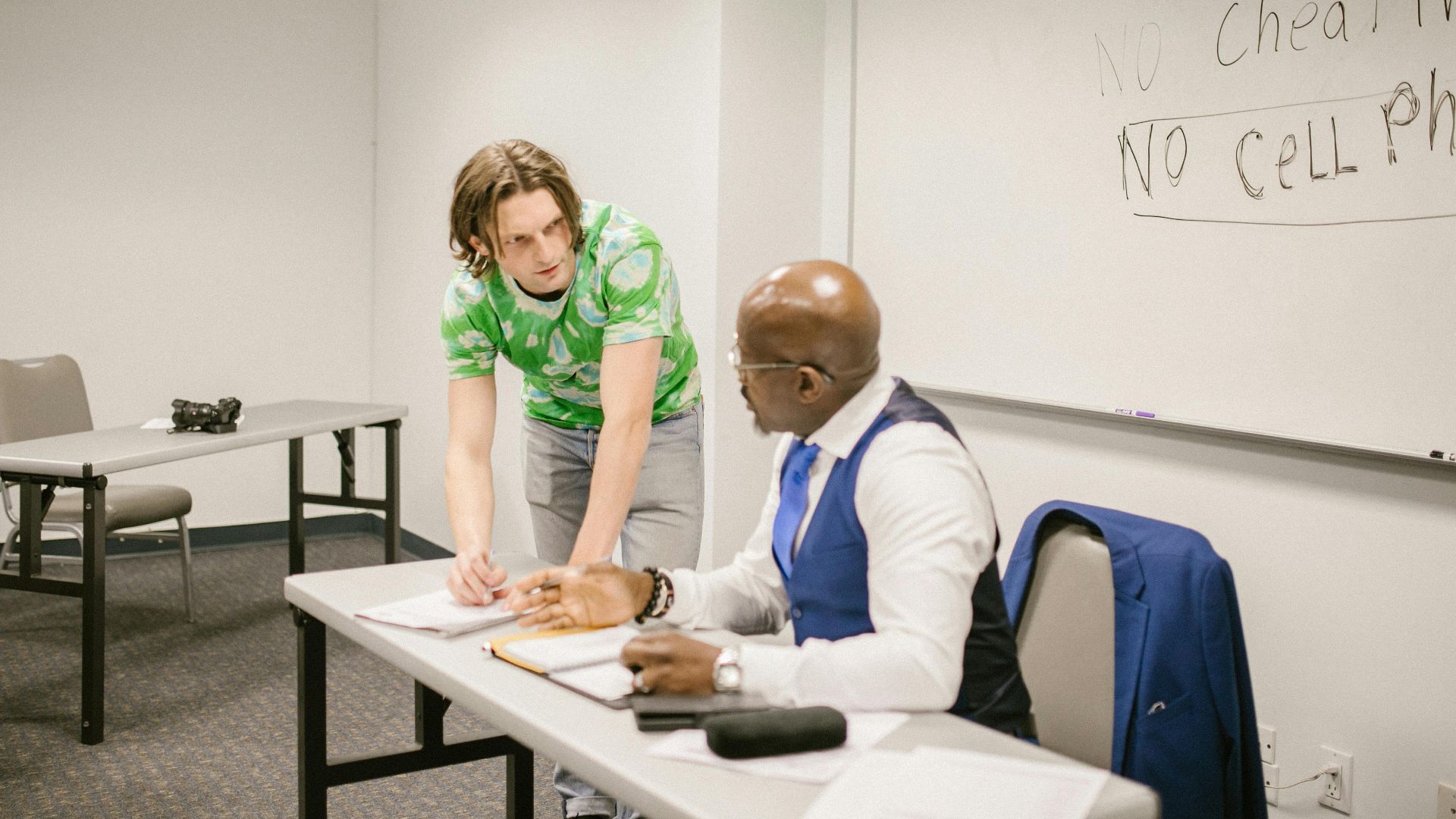
Small conflicts over directions or expectations teach kids to advocate for themselves respectfully. Maybe they misunderstood the assignment, or the teacher wasn't clear enough. Either way, your child needs practice asking for clarification politely rather than having parents fight every tiny battle for them.
5. Not Being Called On As Often As They’d Like
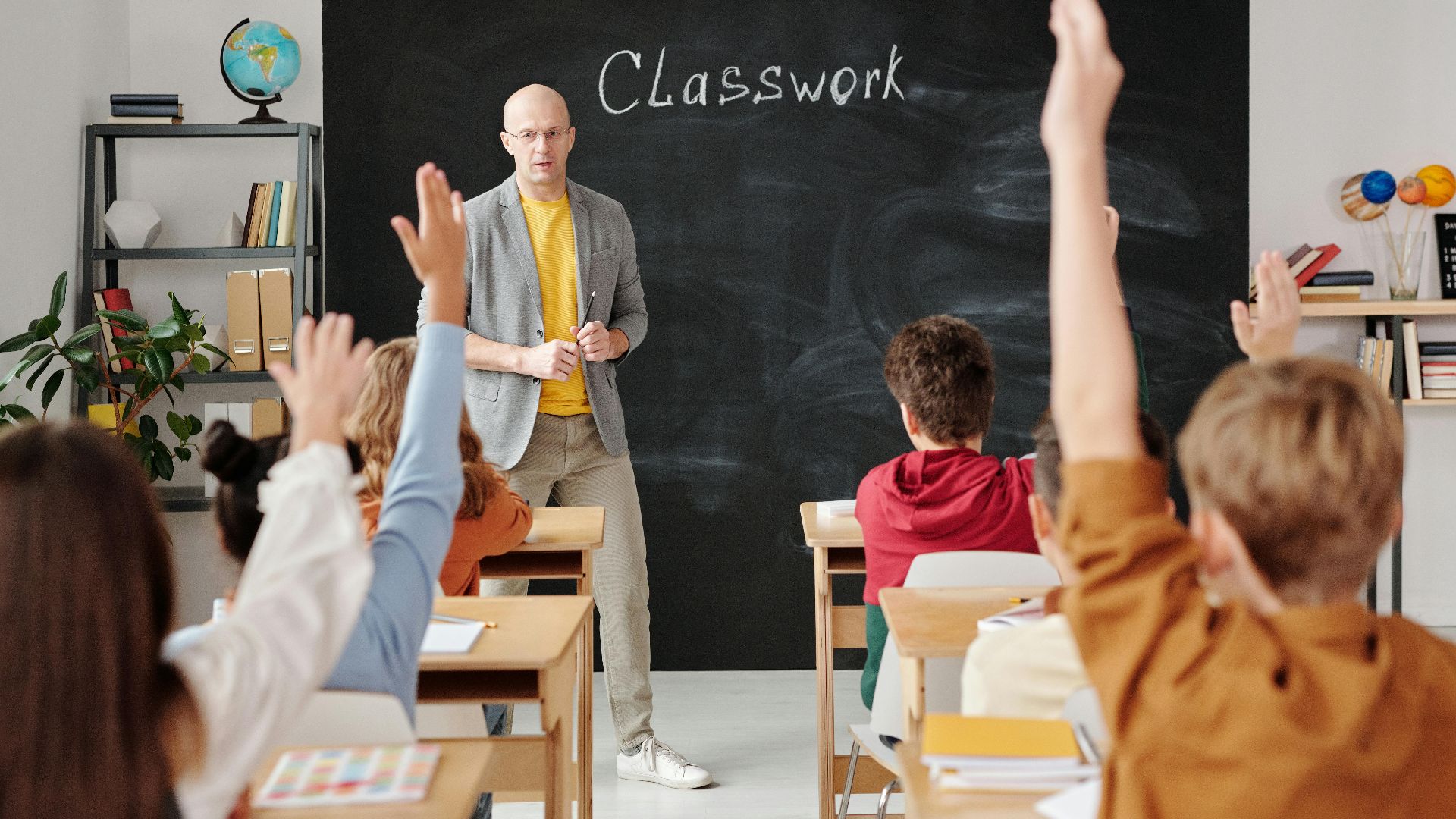
Teachers manage classrooms with dozens of students competing for attention every single period. Your child feeling overlooked doesn't mean they're being deliberately ignored or treated unfairly. They can learn to participate more actively or talk to the teacher about wanting more opportunities.
6. Feedback That Feels “Too Harsh” But Is Academic
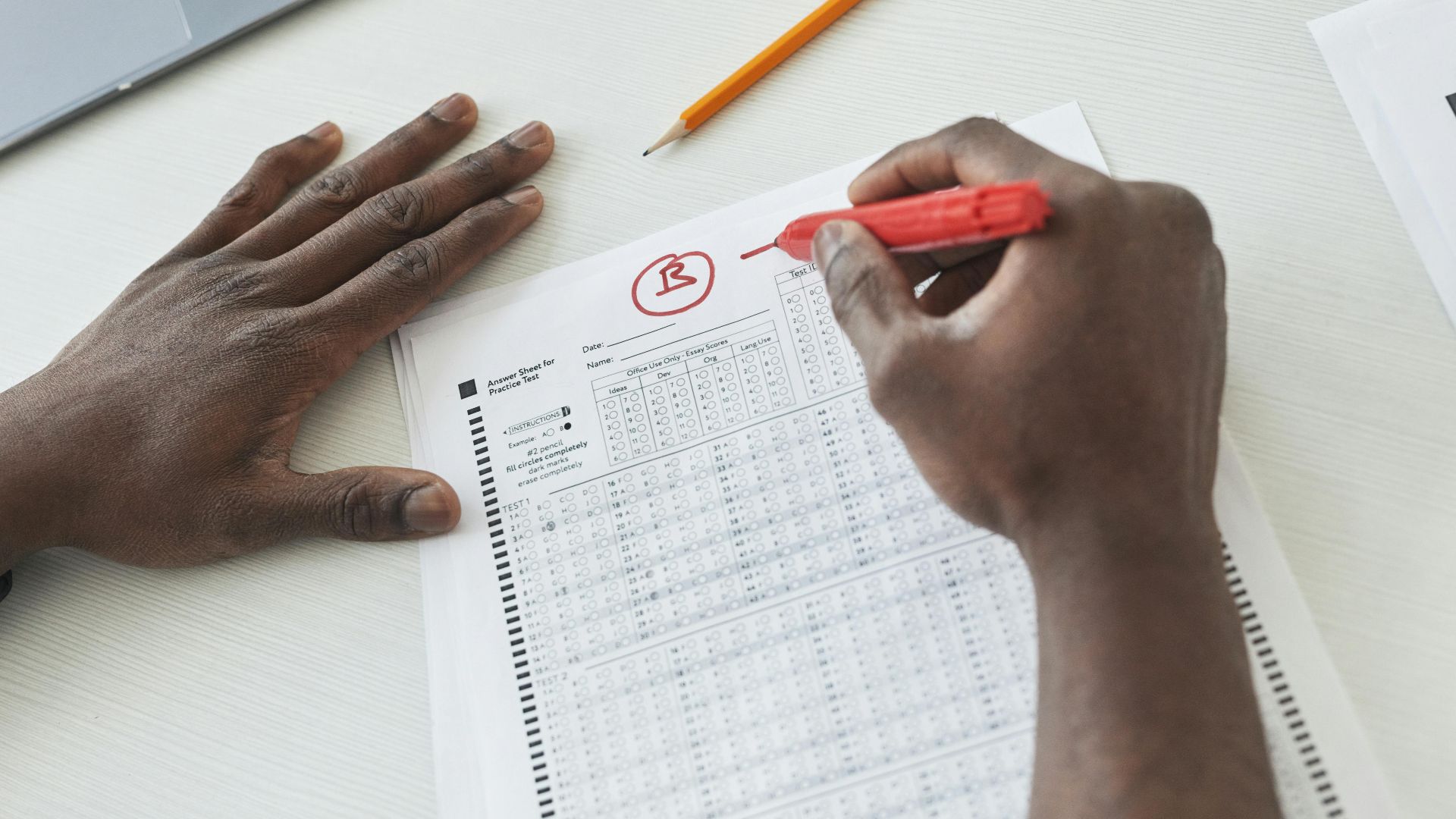
Teachers who mark papers thoroughly are doing their job, not being mean to sensitive students. Red ink all over an essay means there's room for improvement, which is actually helpful information for getting better.
7. A Group Project Where Effort Is Uneven (But Not Extreme)
Group work rarely divides perfectly, and navigating unequal contributions teaches valuable lessons about teamwork. Students can communicate with slacking partners or document their own work. Unless someone does literally nothing, this normal dynamic stress builds real-world collaboration skills.

8. A Teacher’s Teaching Style Doesn’t Match Your Child’s Preference
A lecture-heavy class might not match the hands-on preferences of someone, but figuring out how to learn anyway is the real skill. Kids can develop their own study strategies instead of expecting instruction tailored to individual preferences.
9. Minor Classroom Rule Enforcement
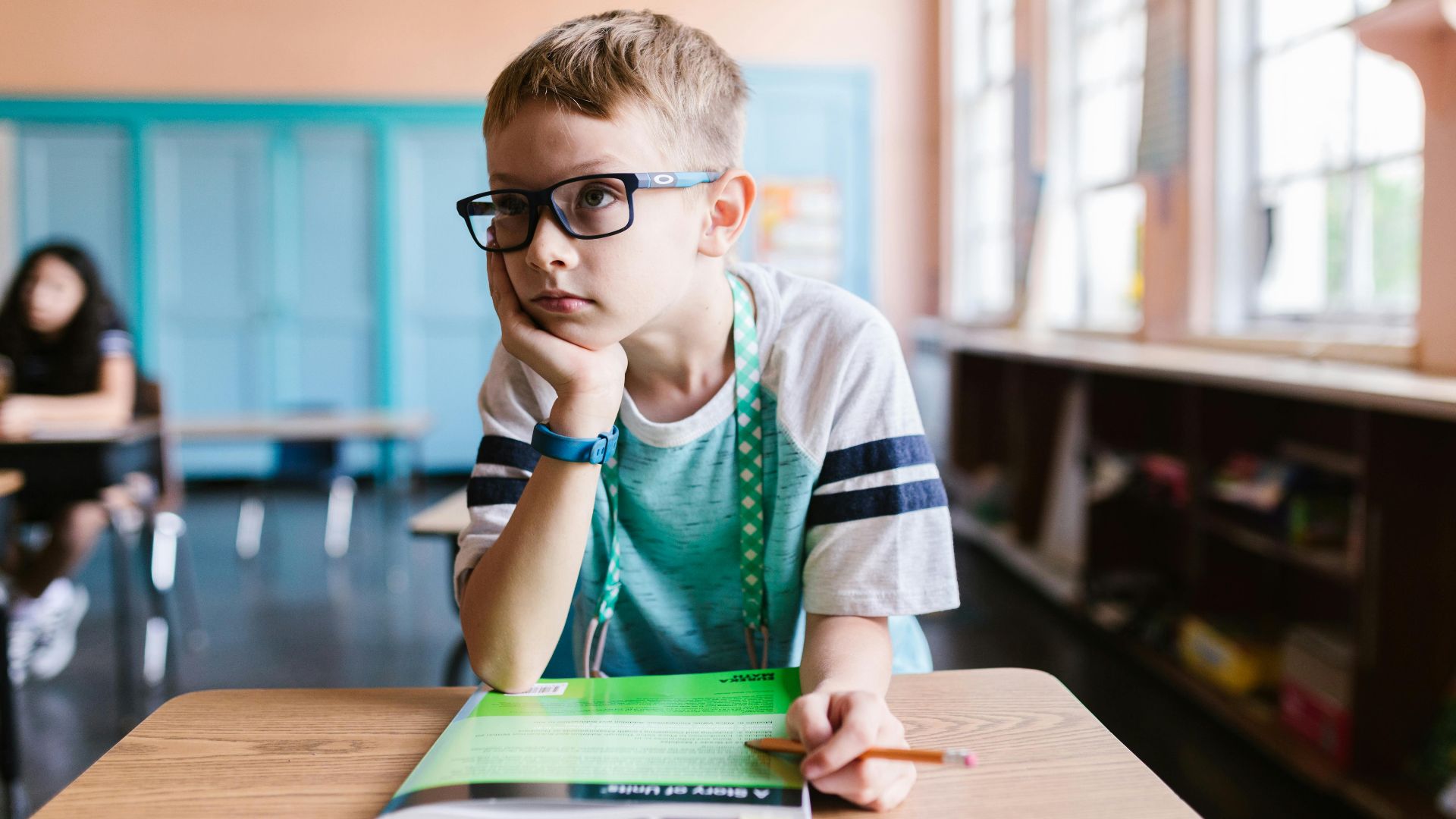
Not liking where you sit or having to put your phone away are normal classroom frustrations. Teachers make these decisions based on what works for the whole class. Your child needs to accept that life involves rules they don't love but must follow anyway.

10. Social Friction With Classmates During Class Activities
Minor social conflicts during partner work or group discussions are normal parts of learning to collaborate. Someone was bossy, a partner ignored ideas, or personalities clashed during the activity. These small interpersonal tensions teach negotiation and working with people you don't particularly like.