
When Numbers Don’t Make Sense
Does your child struggle with simple math or always mix up numbers? It might be more than just a tough day—it could be a condition known as dyscalculia, which is essentially a math dyslexia. It's a learning difference that affects how children make sense of math in everyday life, and there are clear signs to look for. Best of all, there are also plenty of ways to help. This list covers both.
1. Trouble With Number Sense
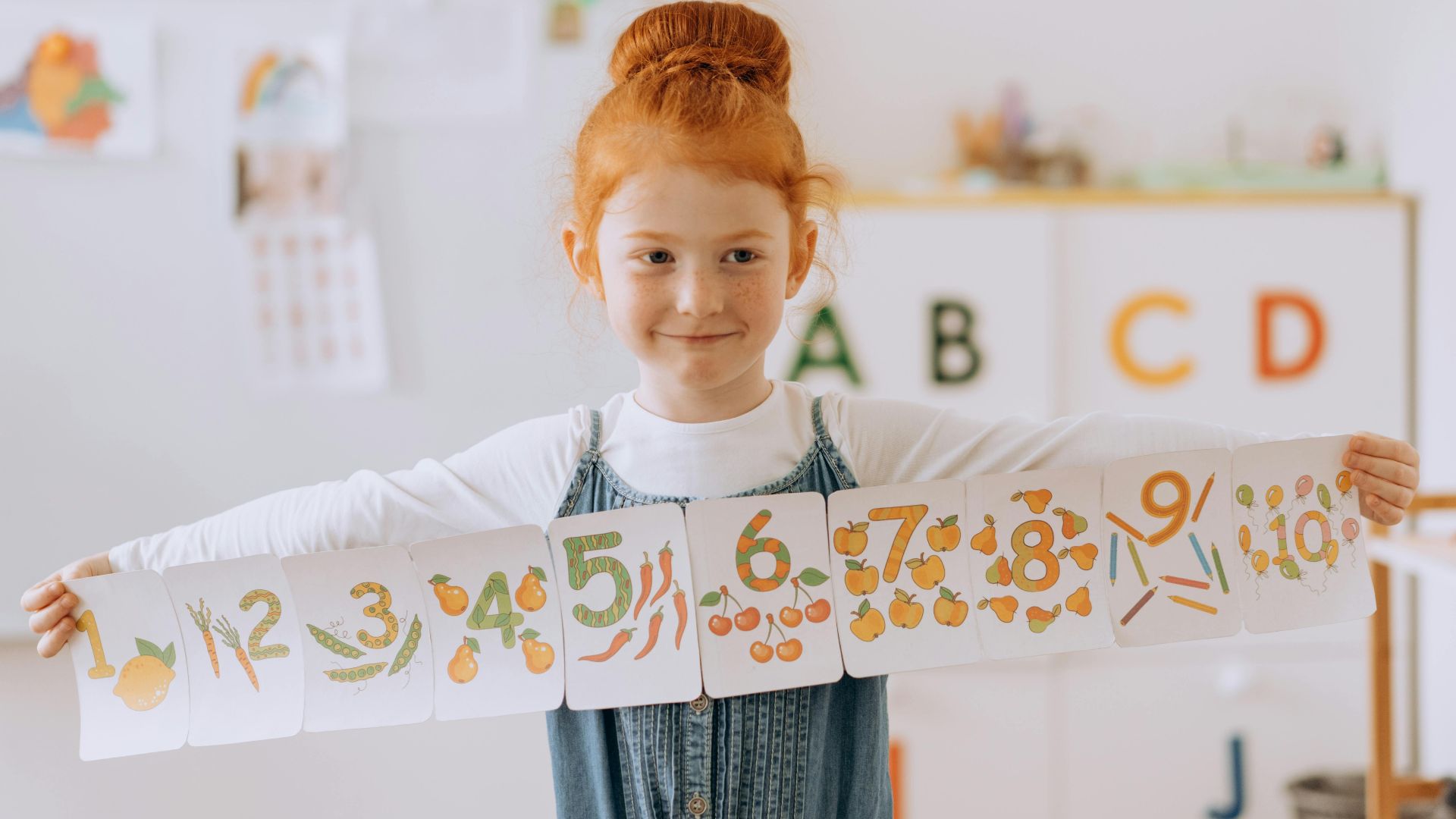
Some kids just don’t see numbers the way others do. They may not realize a number stands for a real amount, like four apples. Even telling which of two groups is bigger can feel confusing if number sense doesn’t come naturally.

2. Trouble With Basic Math Skills
Basic math often doesn’t stick. A child might take longer to learn how to subtract or still pause over addition facts that everyone else seems to know. Multiplication tables? Those can take even more time, no matter how often they’re taught.

3. Reliance on Finger Counting
You might notice your child still counting on their fingers while others around them have stopped. It’s not just a habit—it’s often a sign that mental math isn’t clicking yet. Keep an eye on that reliance; it slows things down during everyday number tasks.

4. Math Anxiety or Avoidance
When you don't understand numbers, math can quickly become a source of stress. Struggles with numbers often lead to fear or frustration, and that stress builds up fast—over time, a child may start avoiding anything math-related just to steer clear of that feeling.

5. Weak Recall of Math Facts
Sometimes, math facts seem to vanish overnight. A child might know that 3 + 2 is 5 one day, then forget it the next. Timed math tests often create stress because their memory just doesn’t hold onto these basics as easily as their teachers anticipate.
6. Difficulty With Multi-Step Tasks
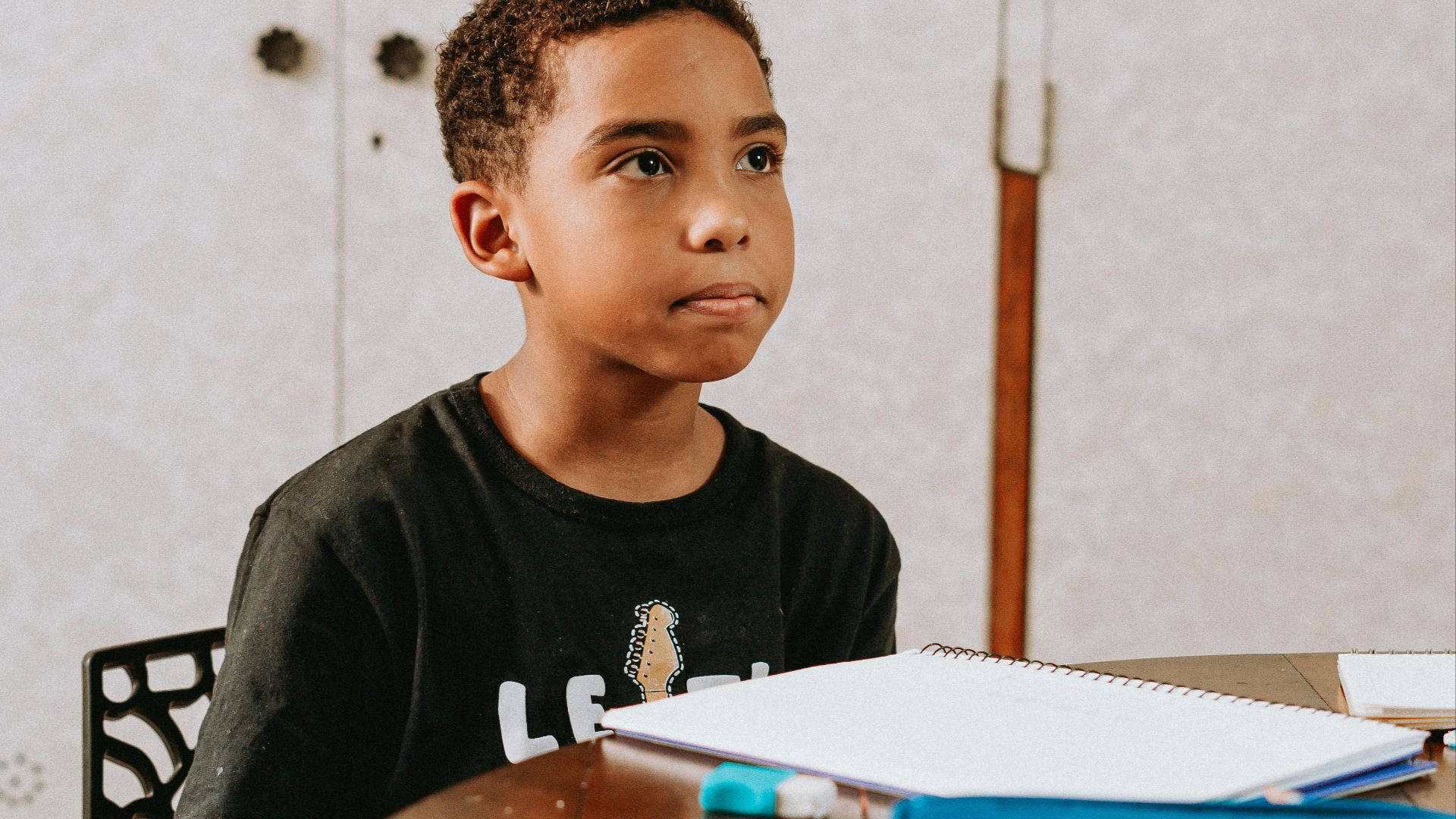
Solving a problem that takes more than one step can feel overwhelming. A child might forget where they are mid-way through or mix up the steps entirely. Although each part seems manageable alone, putting them together often leads to confusion.

7. Trouble-Solving Word Problems
With dyscalculia, word problems turn into a guessing game. Children freeze, unsure how to turn a sentence into a math equation. Even if they know the numbers, they may miss what operation to use—or feel overwhelmed before they even start.

8. Poor Estimation of Quantities
Kids with dyscalculia often have a tough time judging amounts. Whether it’s guessing how long something will take or how many blocks are in a pile, their answers may be way off. Even simple estimates can feel like wild guesses.

9. Difficulty Telling Time
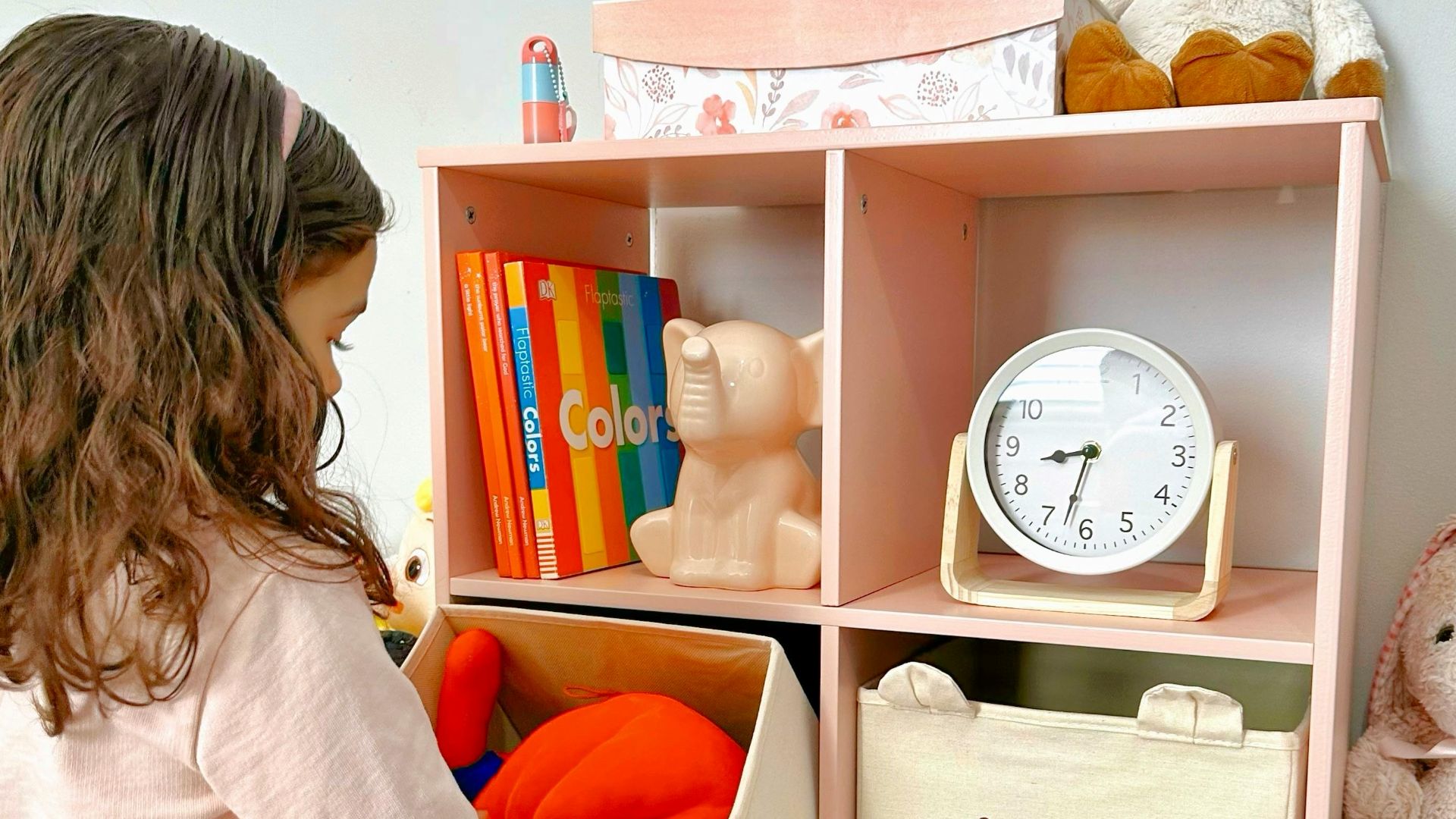
Reading a clock isn’t just about knowing numbers. Many kids confuse the hour and minute hands or struggle to understand how time passes. Analog clocks, in particular, can cause daily frustration if the way time is shown just doesn’t make sense.
10. Trouble Understanding Money
Money can be more confusing than it seems. Some children mix up coin values or think a bigger bill must be worth less. Figuring out how much change to give—or what something should cost—can turn a simple purchase into a challenge.

Noticing the signs is the first step! Though it seems a littl scary, you can easily help your child overcome the hurdles. Let’s look at what actually helps them move forward with confidence.
1. Use Hands-On Manipulatives For Learning
Children make more sense of numbers when they can touch them. Blocks, beads, or counters turn math into something real instead of abstract. Many classrooms use these tools daily—after all, fingers were humanity’s original way of solving number problems!

2. Play Engaging Math Games Daily
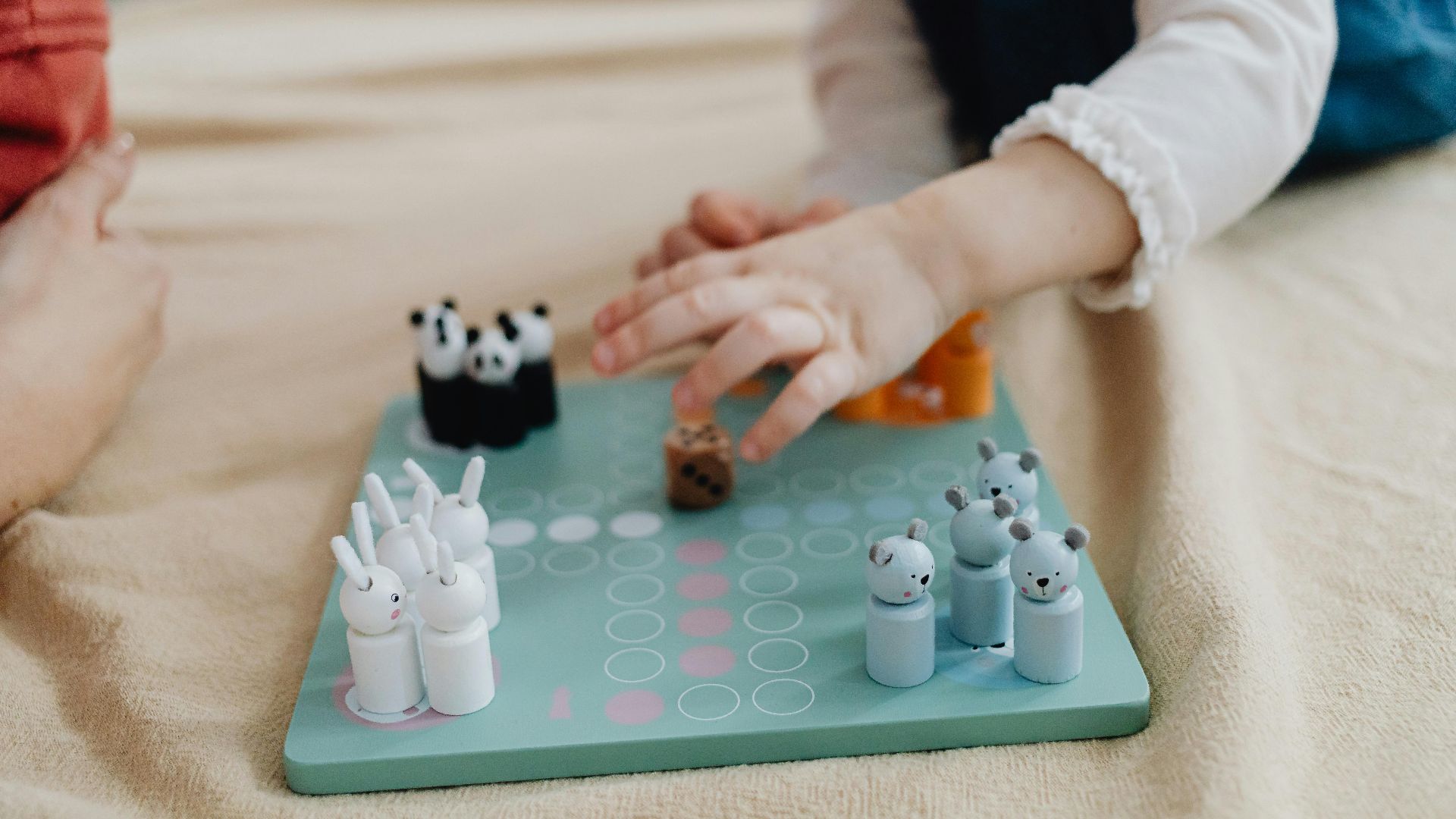
Math doesn’t always have to feel like schoolwork. Games let kids practice skills over and over without the pressure of tests. Even simple board games can sneak in math, from counting spaces to calculating moves, all while holding their attention.
3. Incorporate Visual Aids
Seeing math laid out clearly helps take the mystery out of numbers. Charts, number lines, and grids can show patterns that kids might not catch otherwise. Instead of relying on memory, they get to “see” how numbers relate and connect.

4. Provide Frequent Review of Basics
Repetition may seem dull, but it’s key for children who struggle to remember number facts. Reviewing the basics builds fluency and prepares them for more complex work later. It’s something even professional mathematicians continue to lean on throughout their careers.
 Jessica Lewis 🦋 thepaintedsquare on Pexels
5. Break Problems Into Small Steps
Large problems feel like a mountain, but breaking them into small, manageable steps helps ease that mental load. It’s a common teaching approach, and seeing each part clearly also gives students a better chance to notice where they went wrong.

6. Teach Verbal Self-Talk Strategies
Some kids think better out loud. Talking through steps helps organize thoughts and focus during tough problems. Teachers often model this technique, and it's one many adults naturally fall back on in daily problem-solving without even realizing it.

7. Connect Math to Real-Life Situations
Math feels more useful when it shows up in everyday moments. Measuring ingredients, comparing prices, or counting change makes numbers feel relevant. These familiar experiences help kids see that math isn’t just for school—it’s already part of their world.

8. Allow Calculators and Assistive Tools
At the end of the day, it’s not always about memorizing numbers. Calculators help students spend less energy on basic math so they can focus on solving the bigger problem. Many schools already use them, and in real jobs, professionals do the same!

9. Offer Extra Time on Tasks
Some kids just need more time. Processing numbers takes longer, and rushing through a problem only adds stress. That’s why extra time is a standard accommodation in many classrooms, and it’s also used on major exams to level the playing field.

10. Reduce Anxiety With Positive Encouragement
Confidence doesn’t always come from knowing the answer—it can grow from simply being encouraged. Math anxiety makes it harder to concentrate or even try, so a supportive tone can help kids feel ready to engage long before their skills catch up.