When Science Meets the Chaos of Real Life
Parenting advice comes at you from every direction, whether it’s books, podcasts, or that one friend who read an article once and now won’t stop talking about it. Some theories sound brilliant in concept yet crumble when your toddler refuses to wear pants for the third consecutive day. Others seem almost too simple to work—until they do. Here are 10 parenting theories that don’t hold up and 10 that are solid.
1. Classical Music Makes Babies Smarter
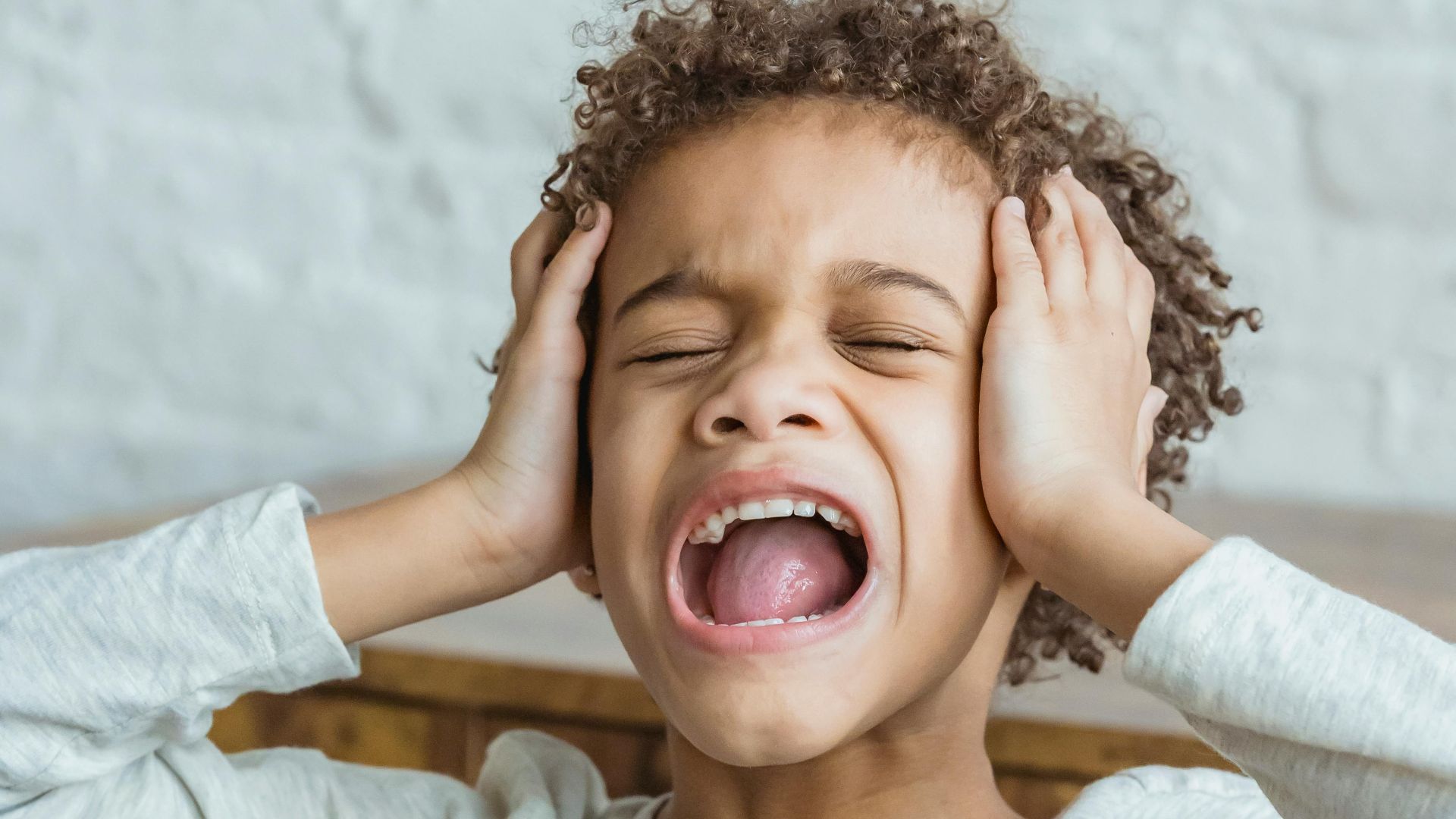
The Mozart Effect swept through the 1990s like wildfire, with parents playing symphonies for their infants, convinced they were building tiny geniuses. The original 1993 study actually showed that college students—not babies—performed slightly better on spatial reasoning tasks after listening to Mozart, and the effect lasted about 15 minutes.
2. Birth Order Determines Personality
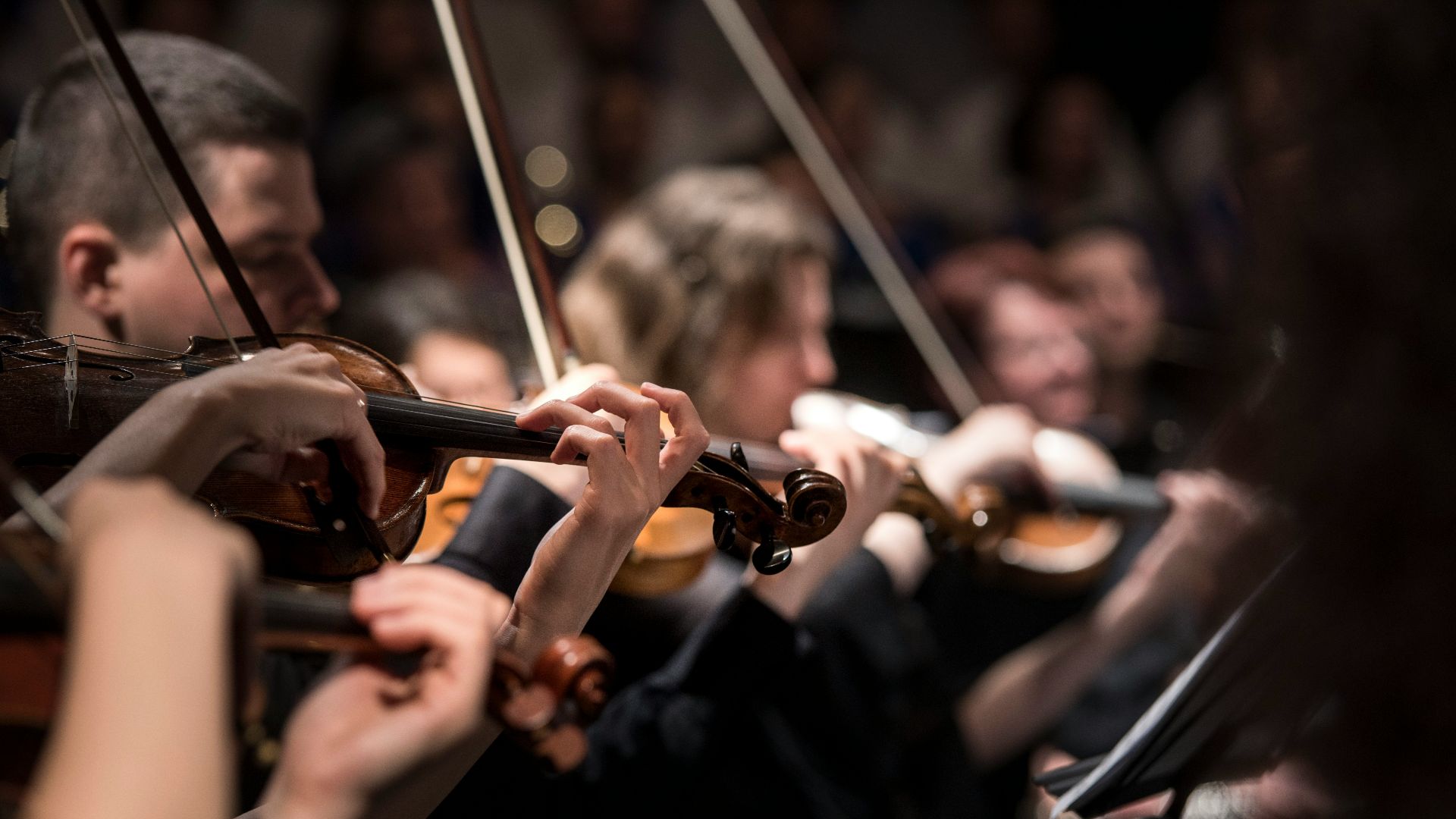
We’ve all heard it said that the oldest kids are responsible leaders, the middle children are peacemakers, and the youngest are wild rebels. Psychologists spent years dismantling this theory, pointing out that most birth-order studies failed to account for family size, socioeconomic status, and about a dozen other variables that influence personality.
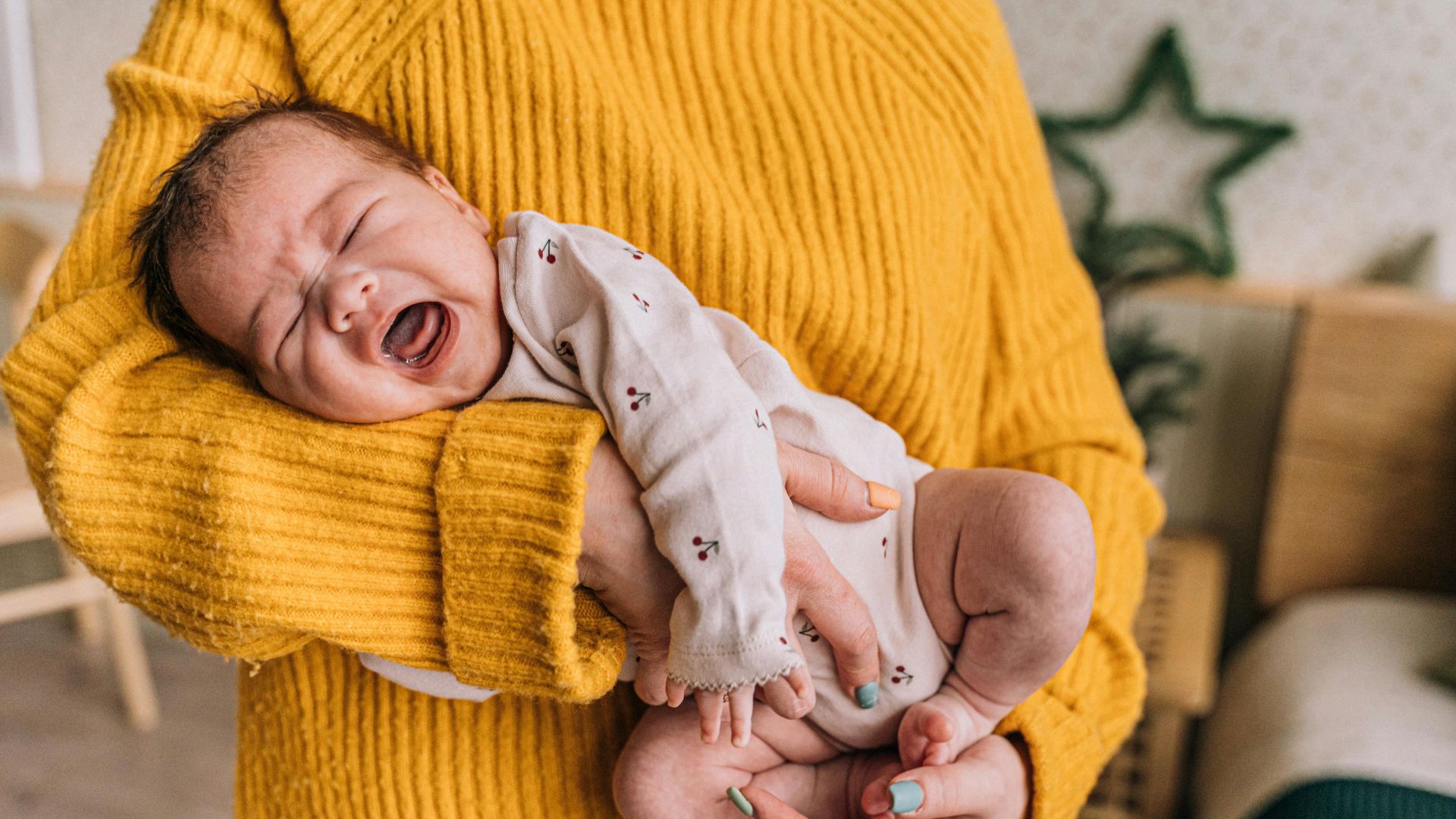
3. Letting Babies Cry Causes Psychological Damage
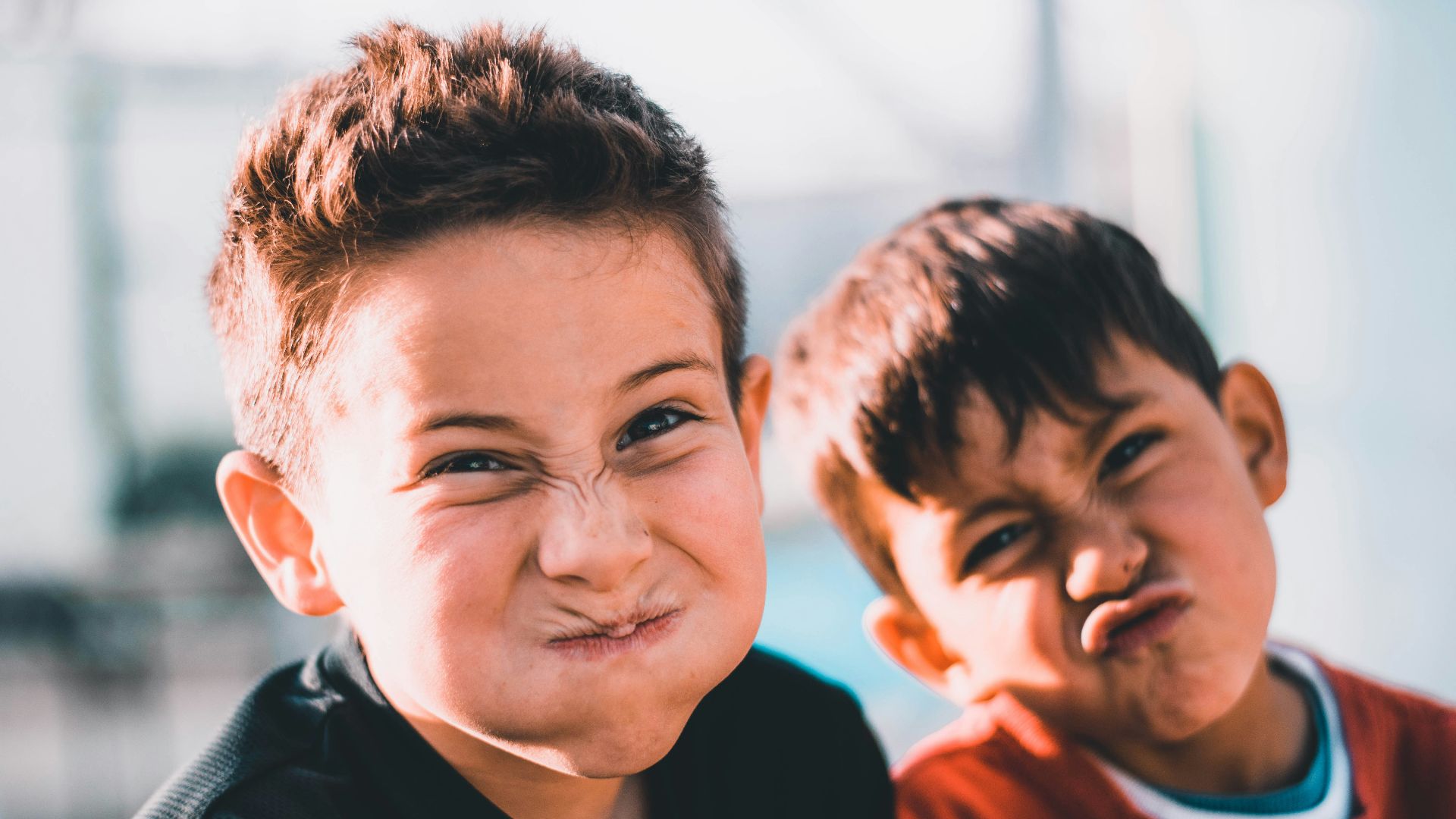
The fervent opposition to sleep training often suggests that ignoring a baby’s cries creates insecure, anxious children. Despite this widespread belief, studies have found no differences in emotional or behavioral problems compared to children whose parents used different methods.
 Antoni Shkraba Studio on Pexels
4. Sugar Causes Hyperactivity
Watch any group of kids at a birthday party and you’d swear this was true. Science disagrees. Multiple studies have found no connection between sugar consumption and hyperactive behavior.
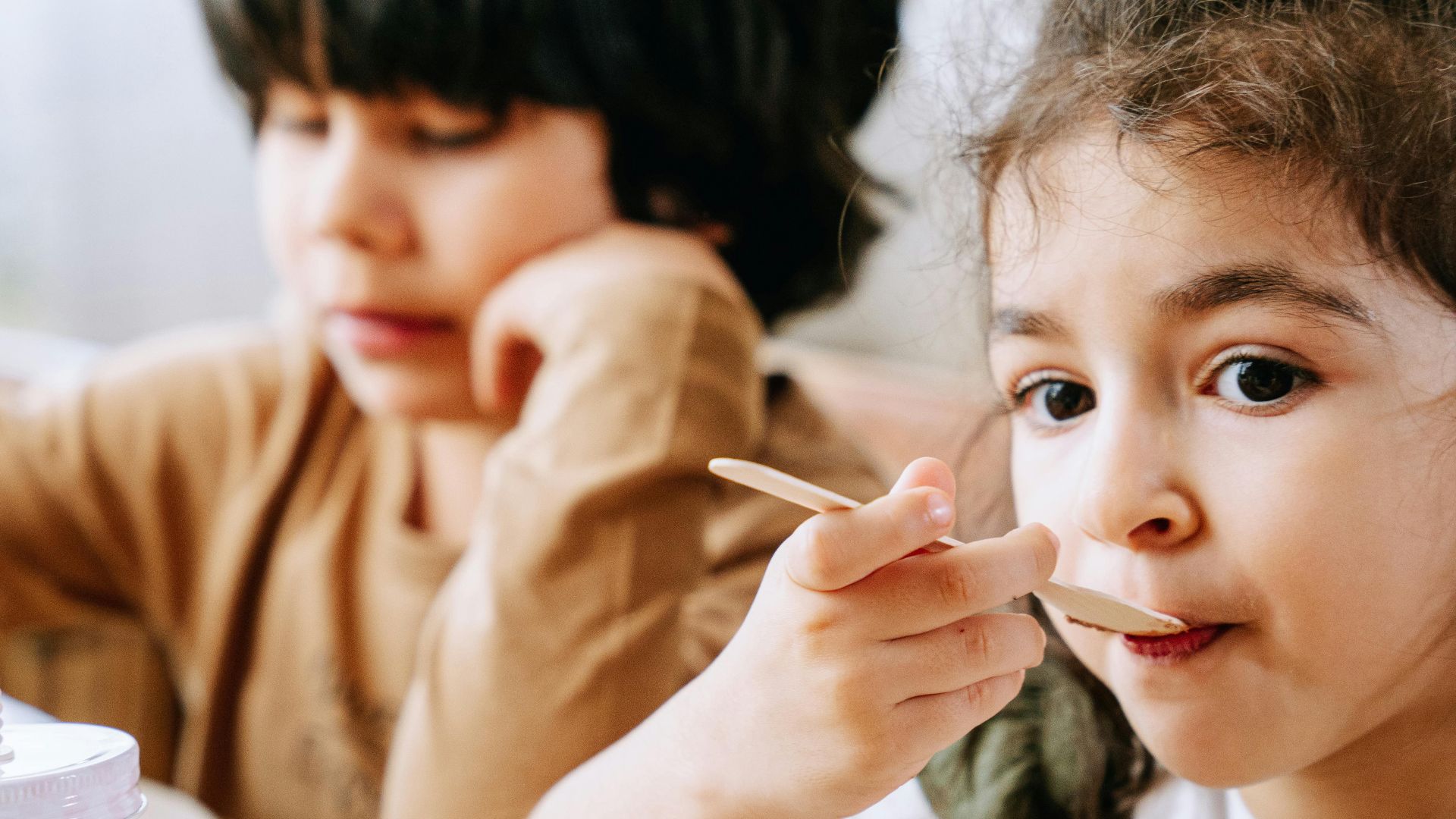
5. Using “Baby Talk” Delays Language Development
Some parenting experts insist on speaking to infants in full, grammatically correct sentences from day one. As it turns out, that high-pitched, exaggerated manner of speaking actually helps babies learn language faster. Research from the University of Washington showed that infants whose parents used baby talk produced significantly more words by 14 months.
6. Potty-Training Schedules Are Necessary
The average age of potty training has shifted dramatically over the past century. In the 1950s, 95% of children were trained by 18 months through rigid, scheduled methods. Today’s average is closer to three years old.

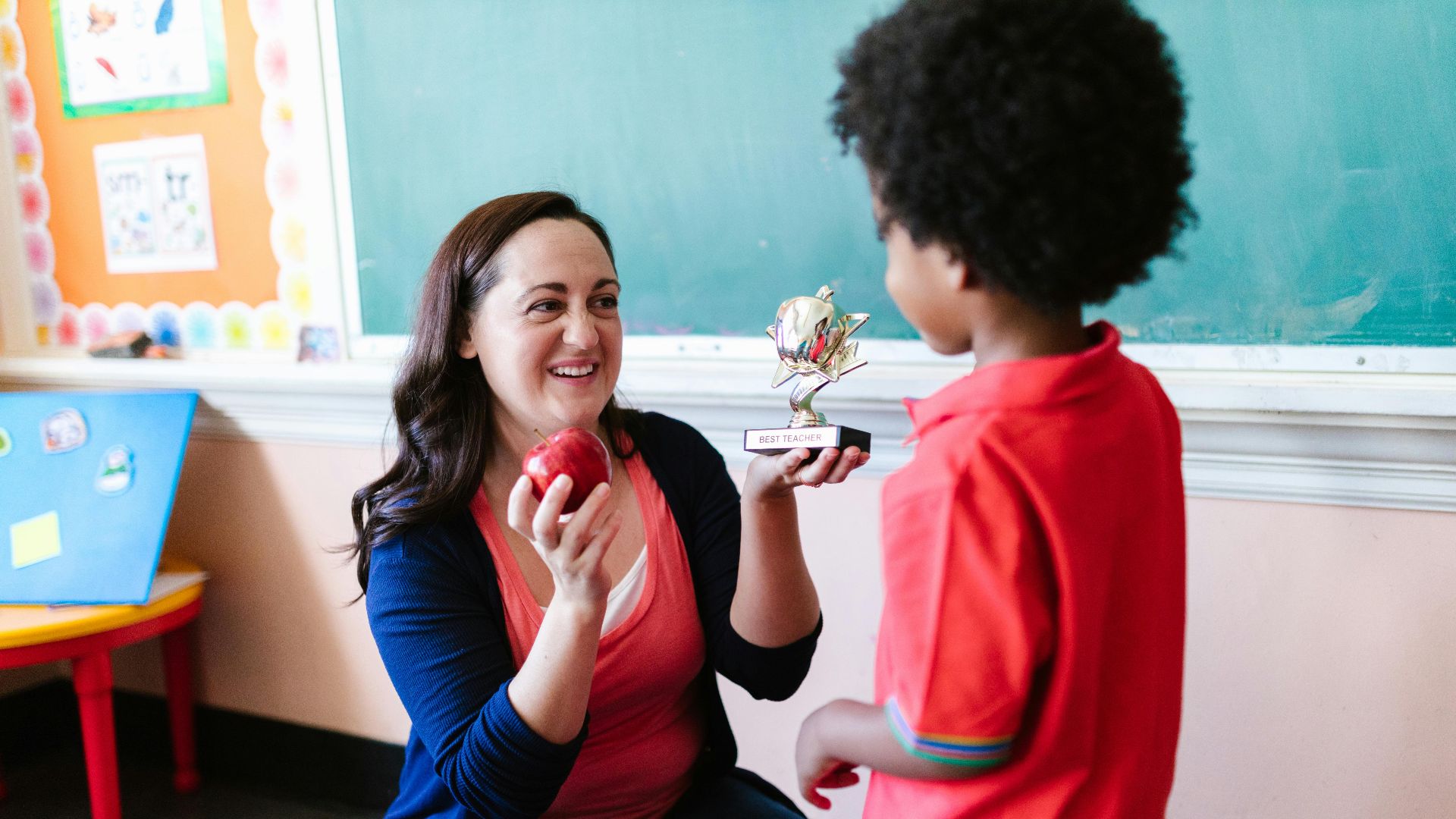
7. Praise Builds Self-Esteem and Confidence
“Good job!” tumbles out of our mouths automatically now. New research has revealed that generic praise, especially regarding innate traits (“you’re so smart”), actually undermines motivation and creates a fear of failure. Kids praised for intelligence chose easier tasks; those praised for effort chose harder ones.
8. Natural Consequences Teach Better Than Imposed Ones
It intuitively makes sense to let reality do the teaching. If you forgot your lunch, you’ll go hungry. If you forgot your jacket, you’ll be cold. The problem is a four-year-old feeling cold at 2 PM won’t remember refusing a jacket at 7 AM. Worse, some natural consequences are dangerous.
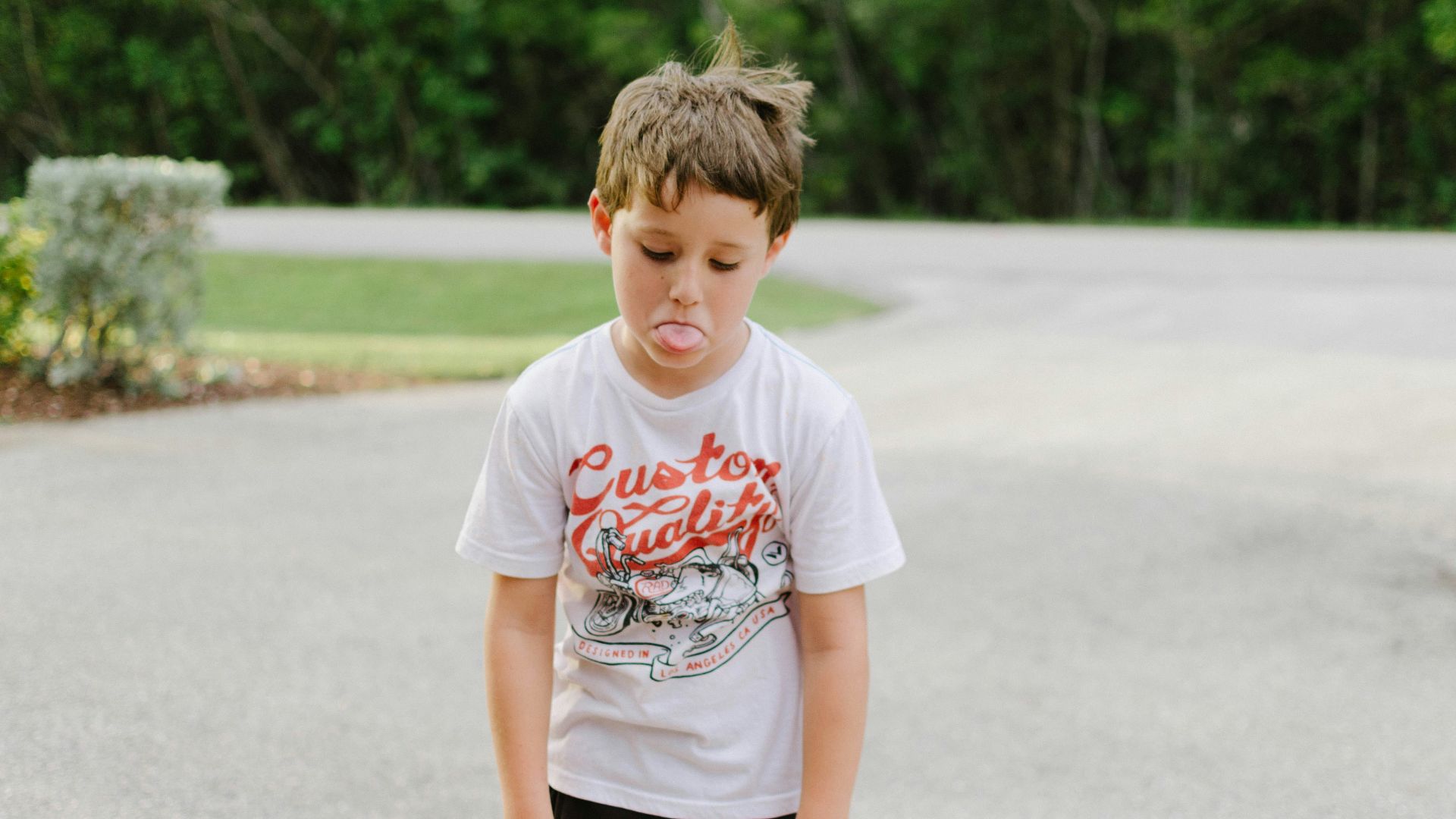
9. Children Should Always Share
Forced sharing teaches kids to give up their possessions on demand, which is pretty much the opposite of what adults do. At playgrounds, we wouldn’t hand the keys of our car to a stranger just because they asked nicely—so why do we require it of a three-year-old?
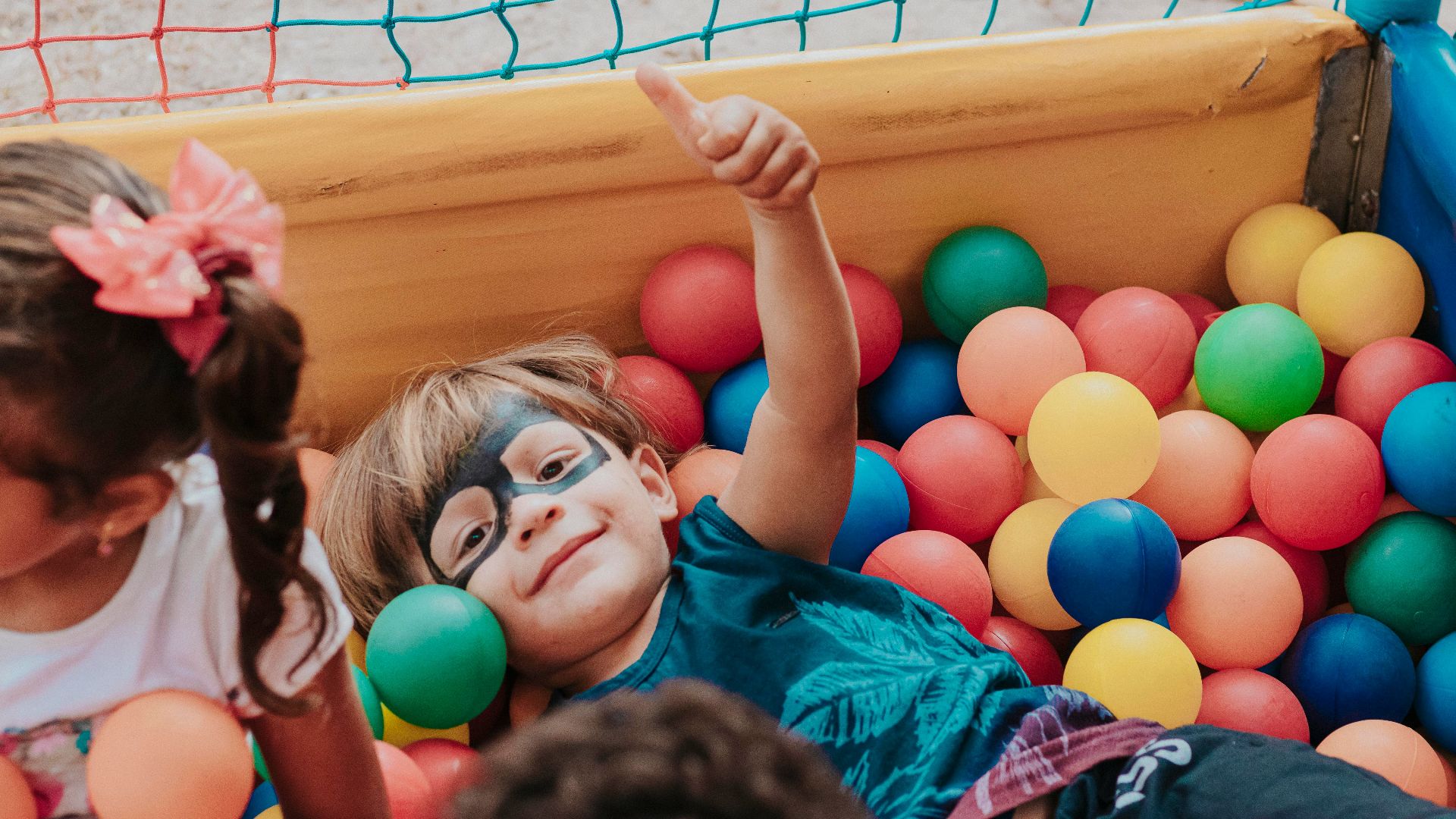
10. Screens Cause ADHD
The correlation between screen time and attention problems gets brought up constantly. While some studies have found that teens with more screen time showed higher rates of ADHD symptoms, they couldn’t determine whether screens caused the symptoms or whether kids with existing attention difficulties gravitated toward screens.
And now, here are ten strategies that actually work.
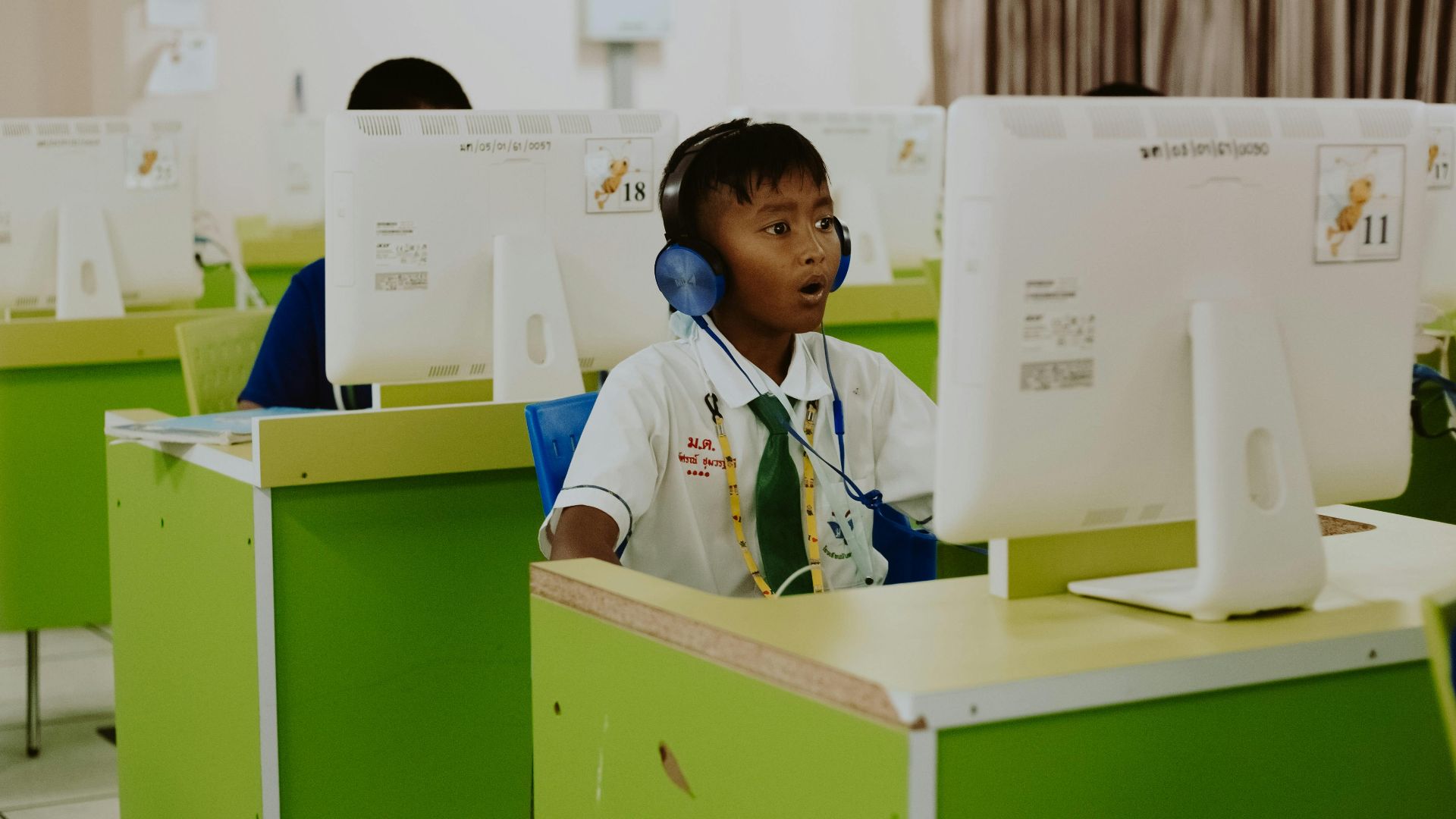
1. Responsive Parenting Strengthens Attachment
When caregivers consistently respond to infants’ needs—feeding them when hungry, comforting them when distressed—children develop secure attachments associated with better emotional regulation, social competence, and resilience. You don’t need to be perfect, just present and reliable most of the time.
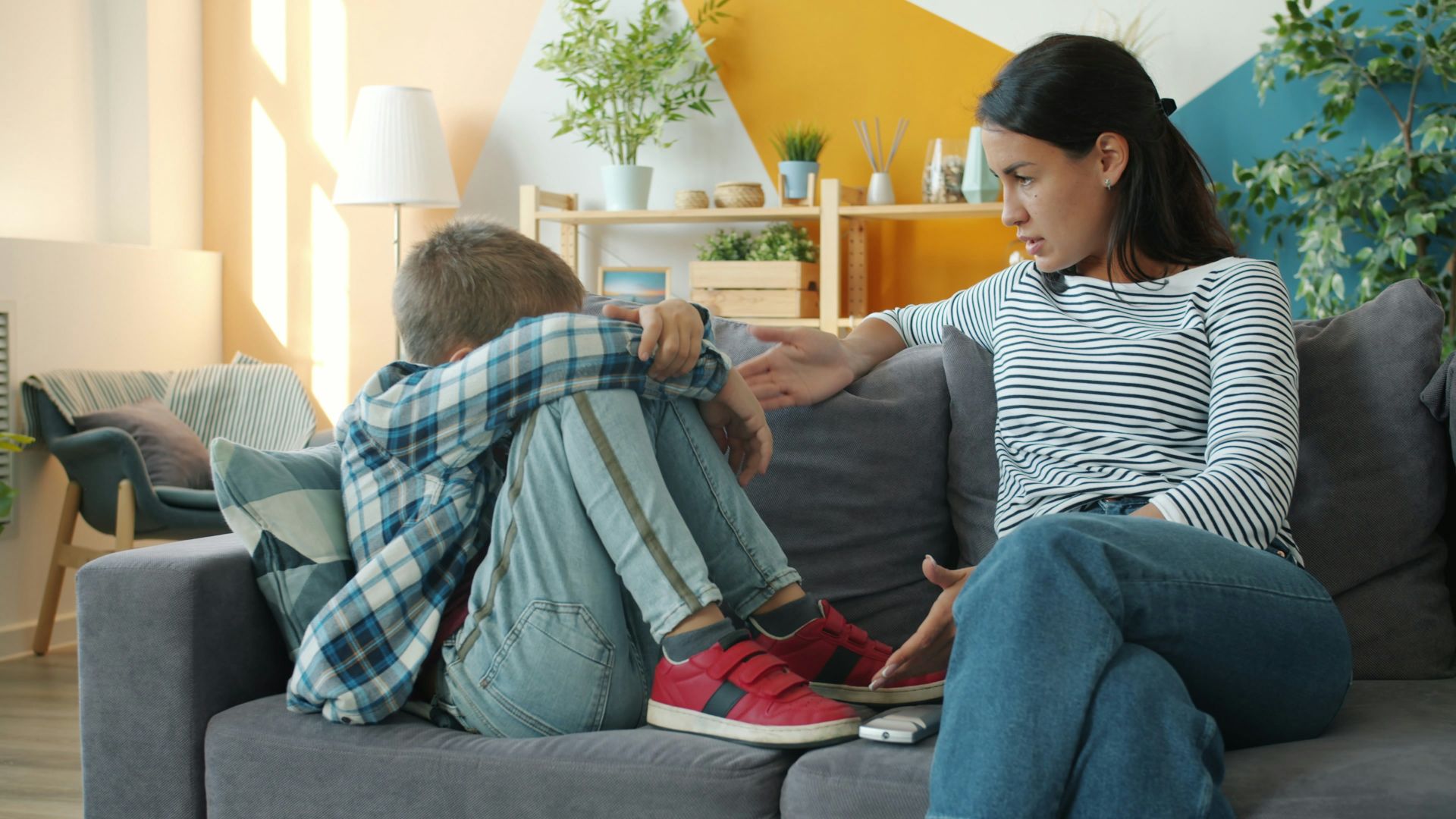
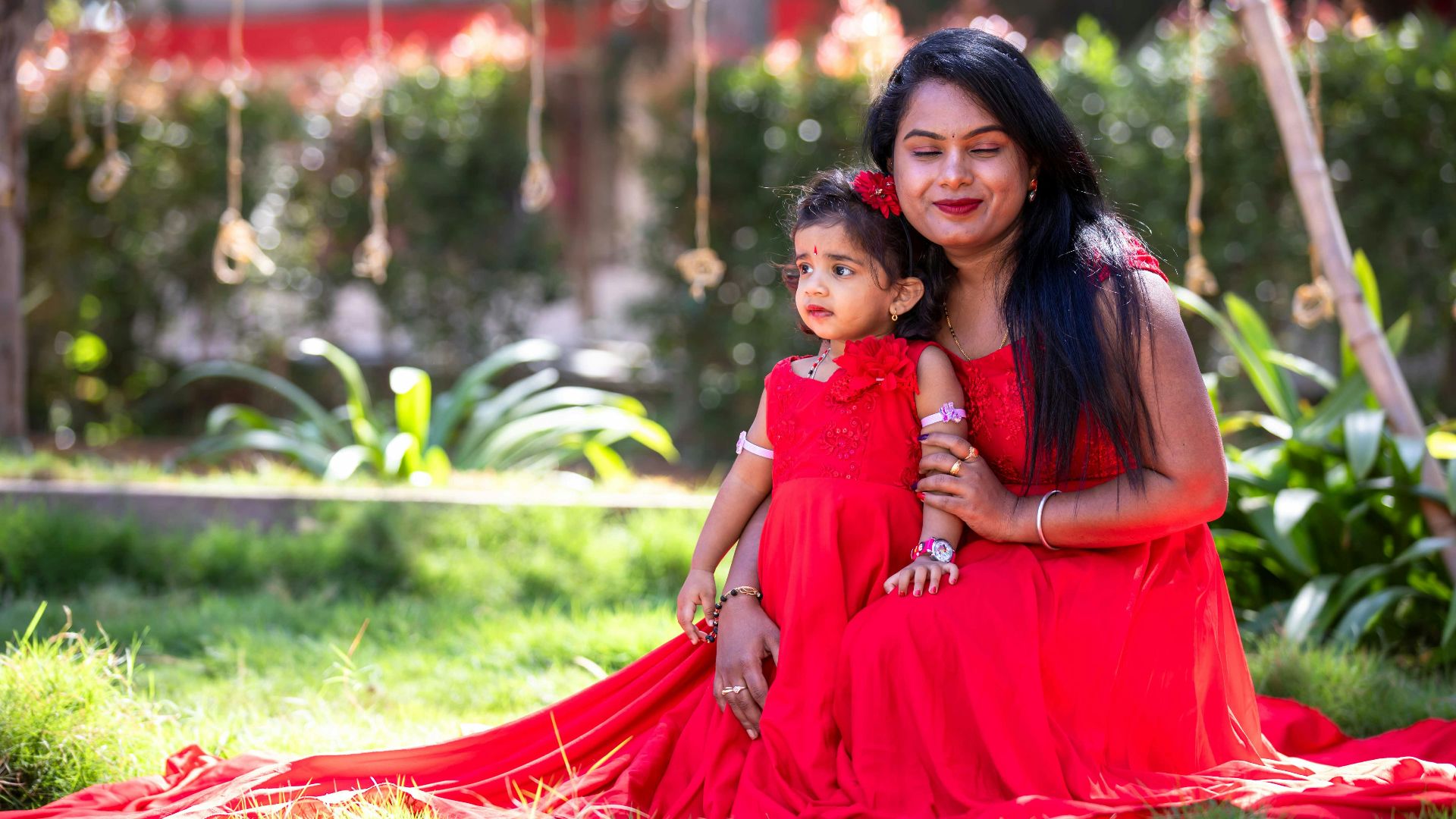
2. Emotion Coaching Improves Behavioral Outcomes
Parents who help children name emotions and solve problems together end up with healthier children who perform better academically and enjoy stronger relationships with their peers. When your kid melts down because their ice cream cone fell on the ground, the response isn’t “that’s silly,” it’s “you’re really upset that you dropped your snack—that’s frustrating.”
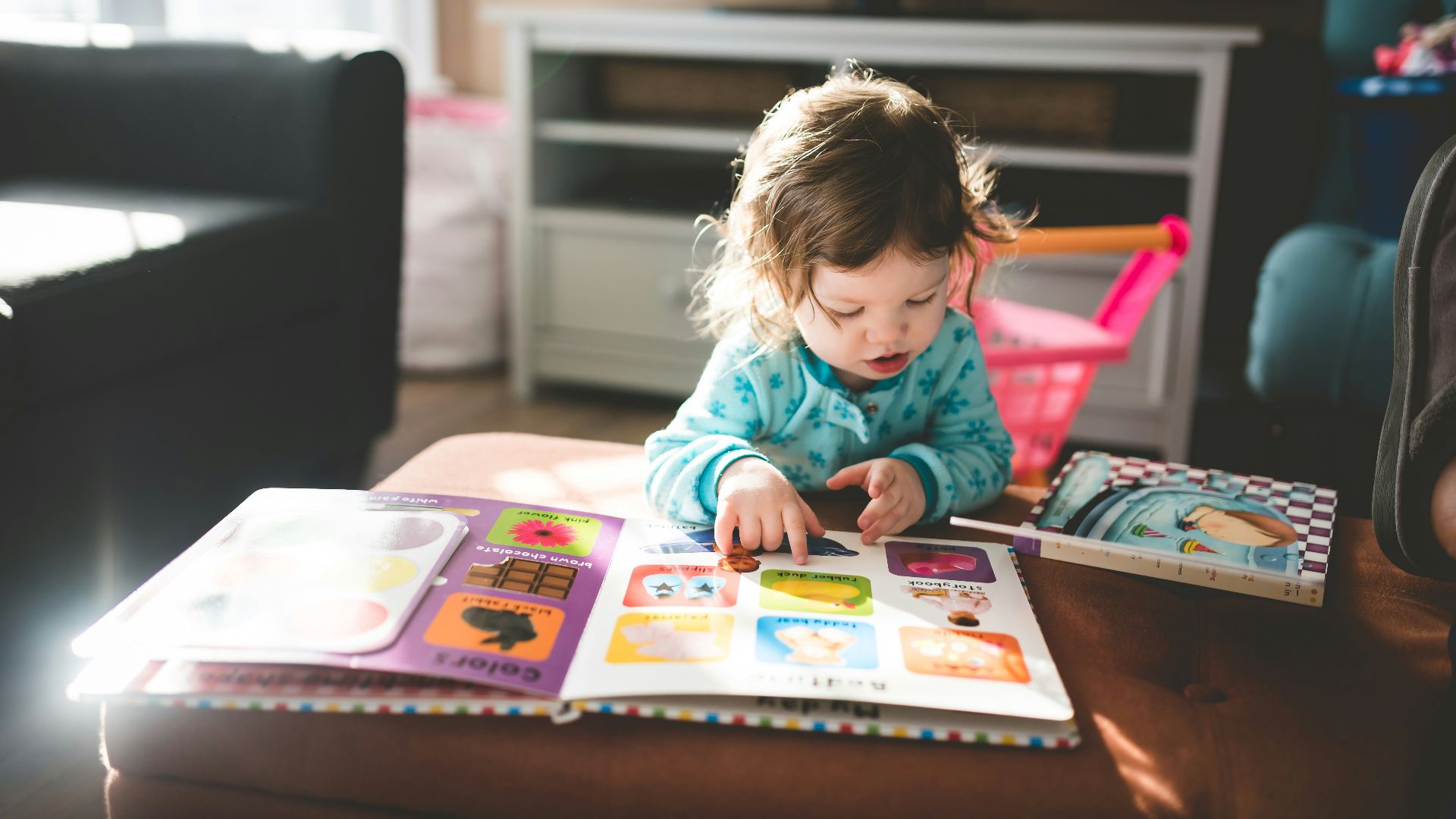
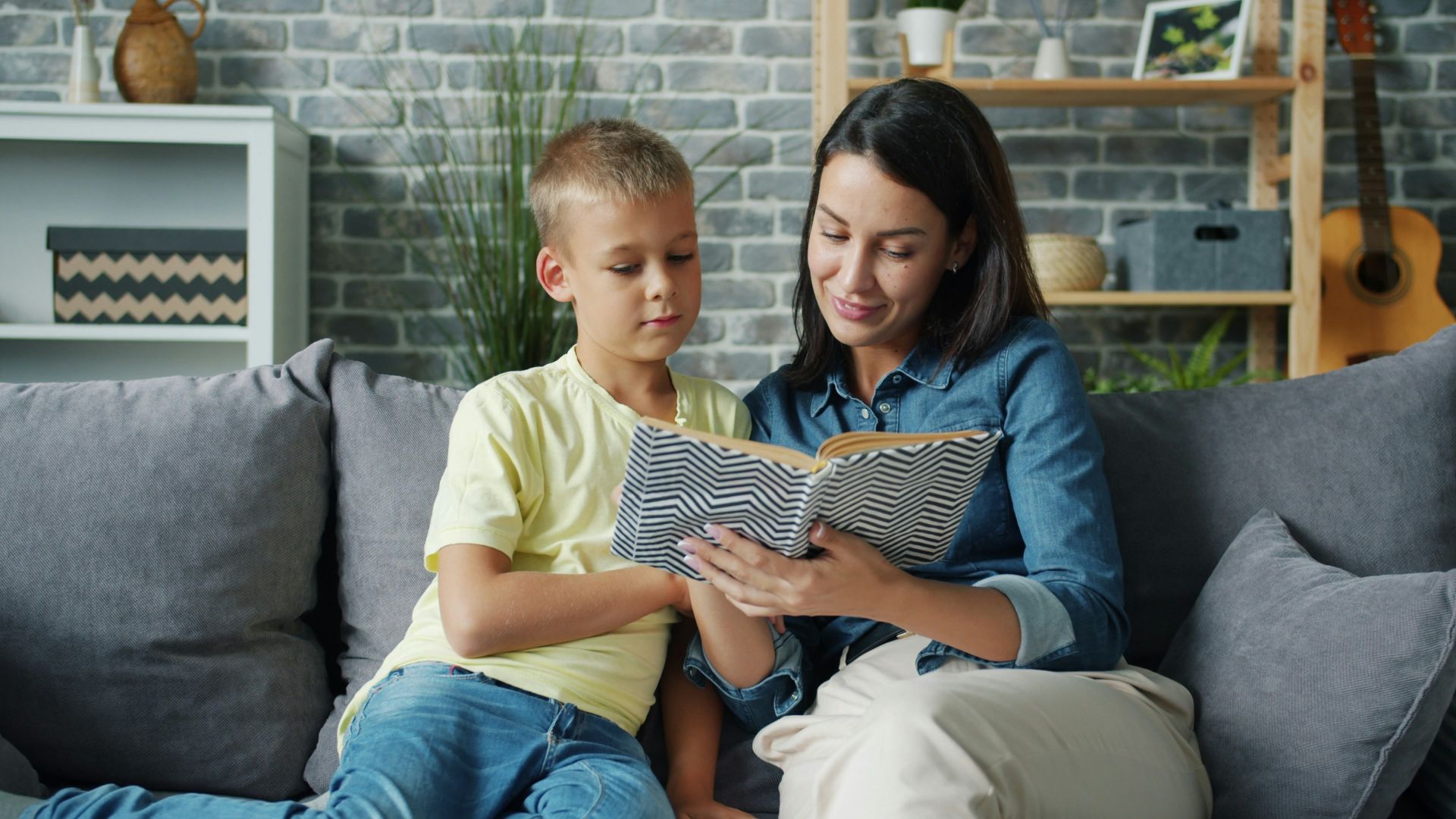
3. Reading Aloud Builds Language and Literacy
Children whose parents read to them daily had higher language scores than those who weren’t read to regularly. More words heard meant larger vocabularies, better reading comprehension, and higher academic achievement.
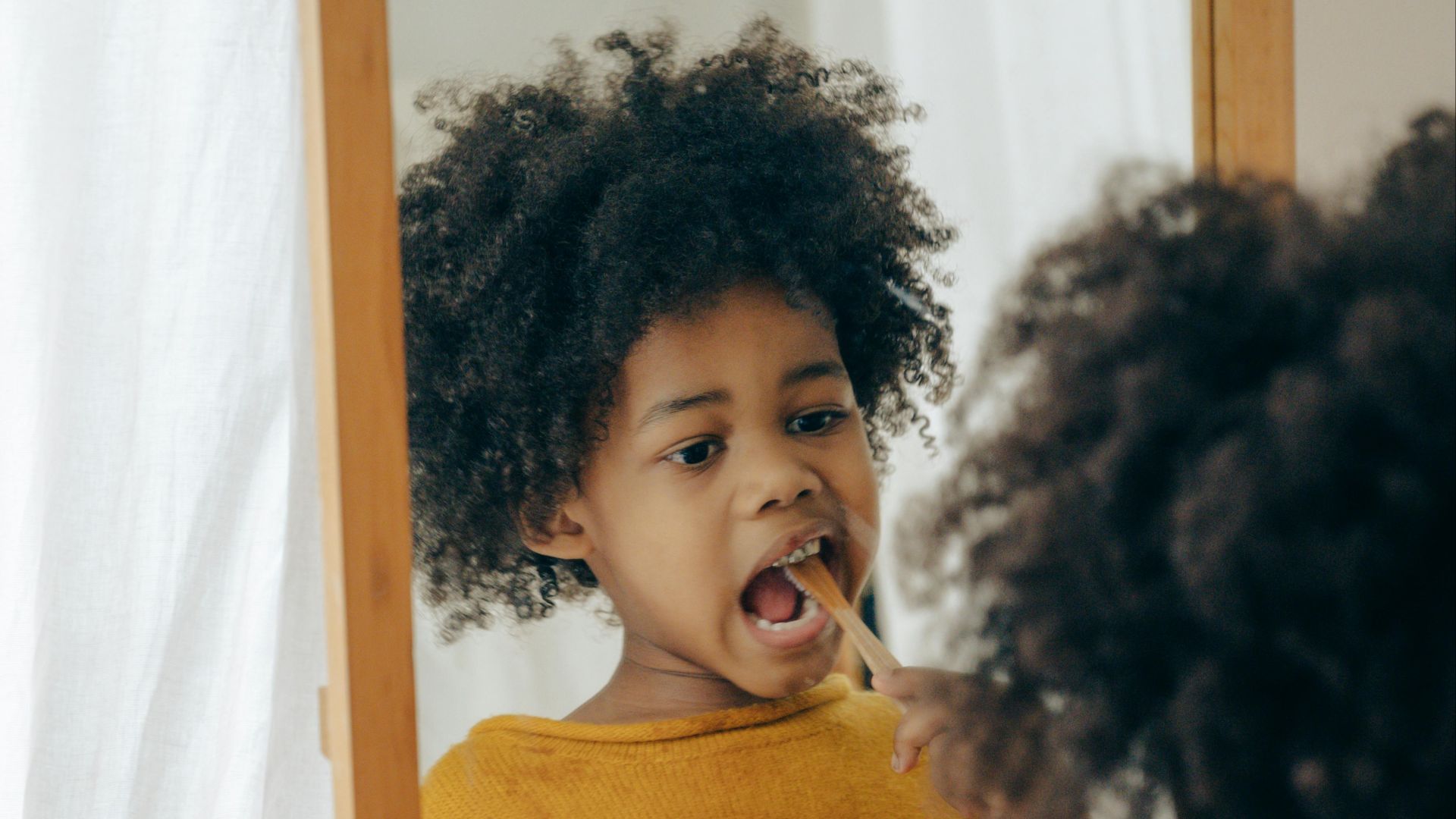
4. Consistent Routines Reduce Behavioral Problems
Kids thrive on predictability. Studies show that consistent bedtime routines correlate with better sleep, and better sleep correlates with improved behavior, emotional regulation, and academic performance. A routine doesn’t need to be elaborate—just predictable.
5. Authoritative Parenting Produces the Best Outcomes
Authoritative parents who are warm but have high expectations raise children with better academic performance, lower substance abuse rates, and stronger social skills compared to coldly strict or overly permissive parents. The combination matters. Rules without relationship breed rebellion.

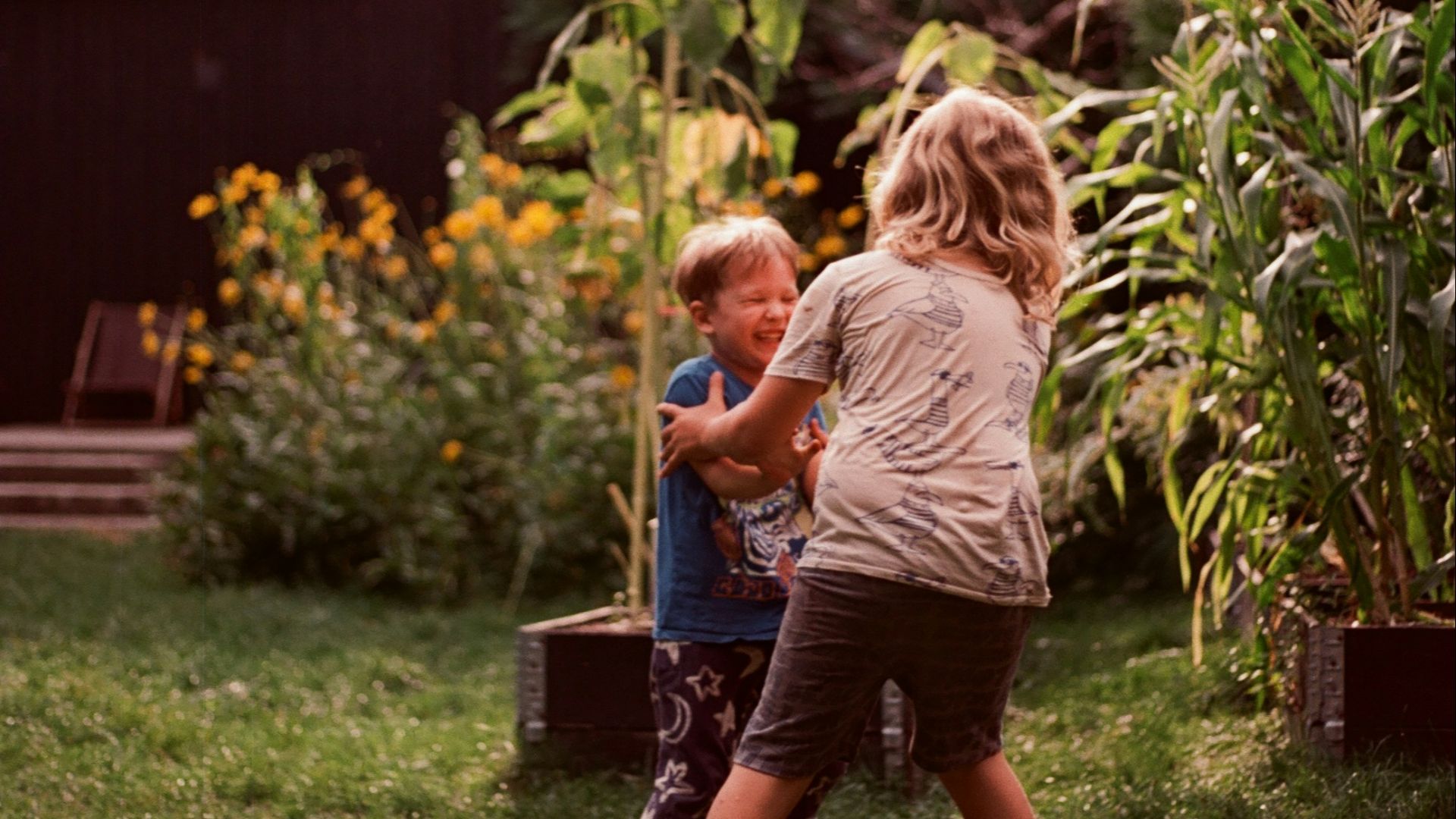
6. Outdoor Play Benefits Physical and Mental Health
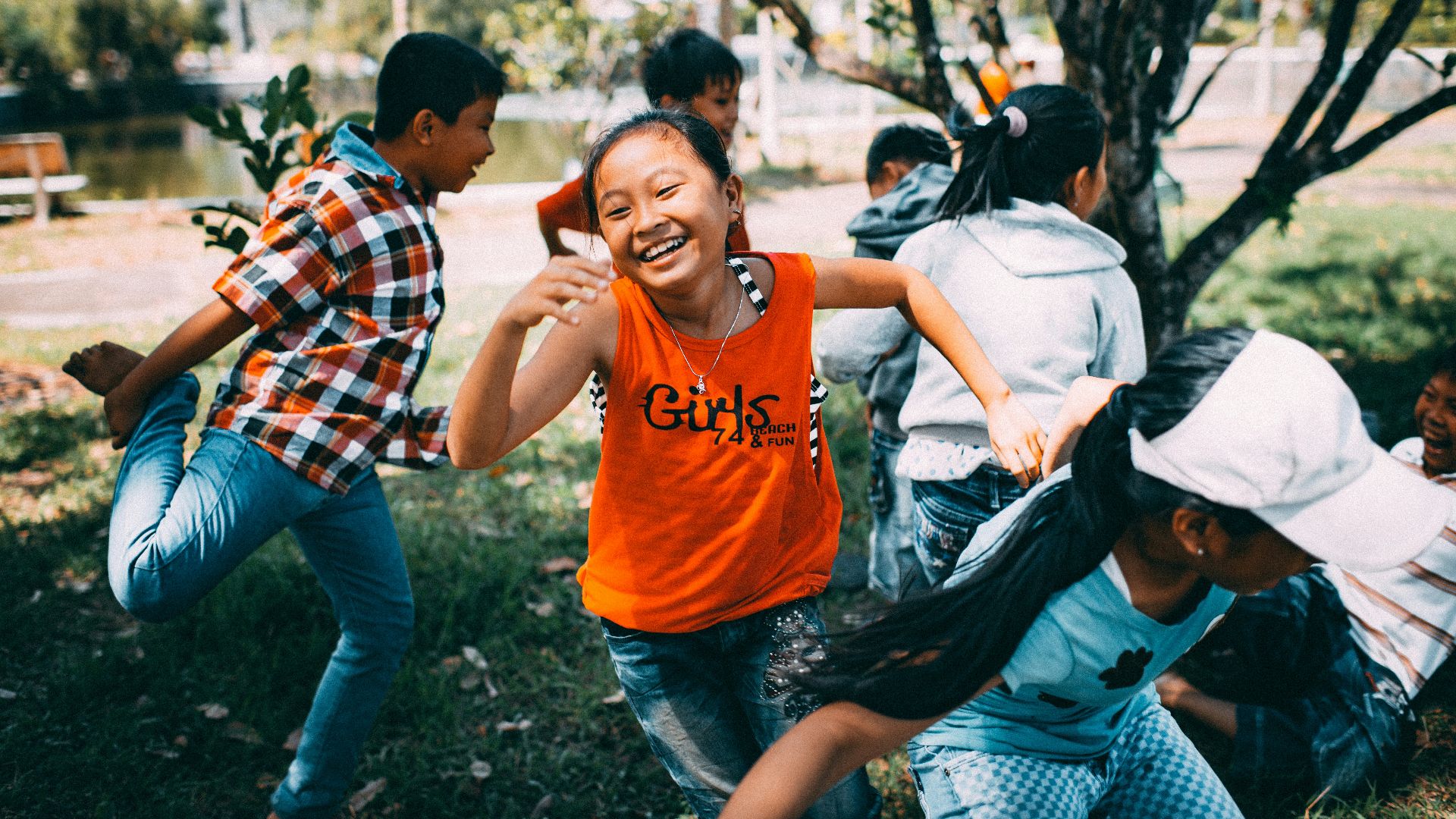
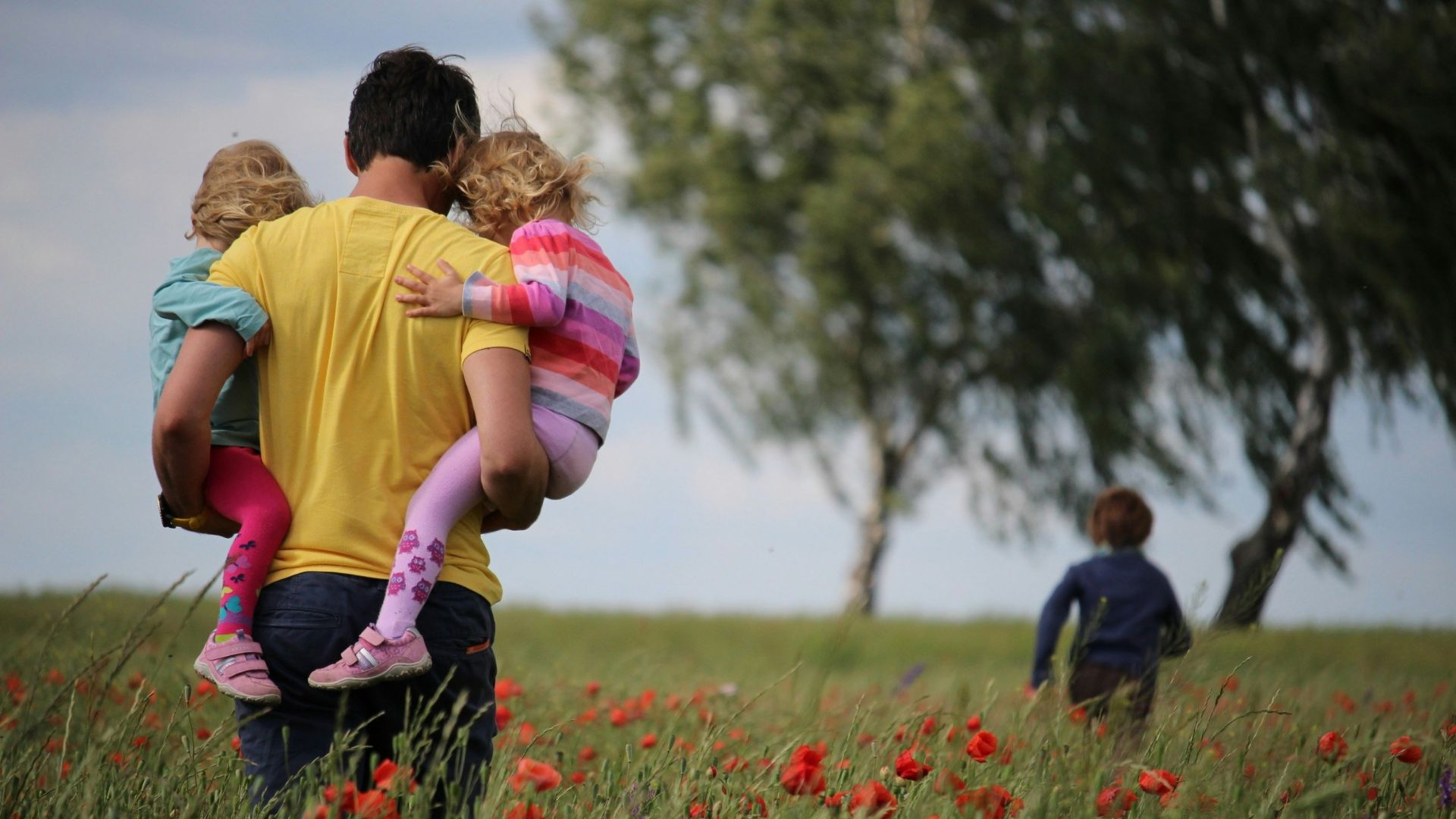
Children who play outside show improved attention, reduced anxiety and depression, better motor-skill development, and stronger immune systems. Dirt is not the enemy. Boredom in the backyard teaches creativity that structured activities never will.
7. Modeling Behavior Matters More Than Instruction
Children learn by imitation from infancy. What parents model—be it eating habits or controlling emotions—matters more than what they say. Yelling at a child to stop yelling teaches them that yelling is how we handle frustration. They will do as you do, not as you say.
 Juliane Liebermann on Unsplash
8. Delayed Gratification Predicts Future Success
Children who can delay gratification tend to have better outcomes academically, socially, and economically. Kids are more willing to delay gratification when they trust that waiting actually results in rewards. So when you promise something, you actually have to deliver.
9. Physical Affection Supports Healthy Development
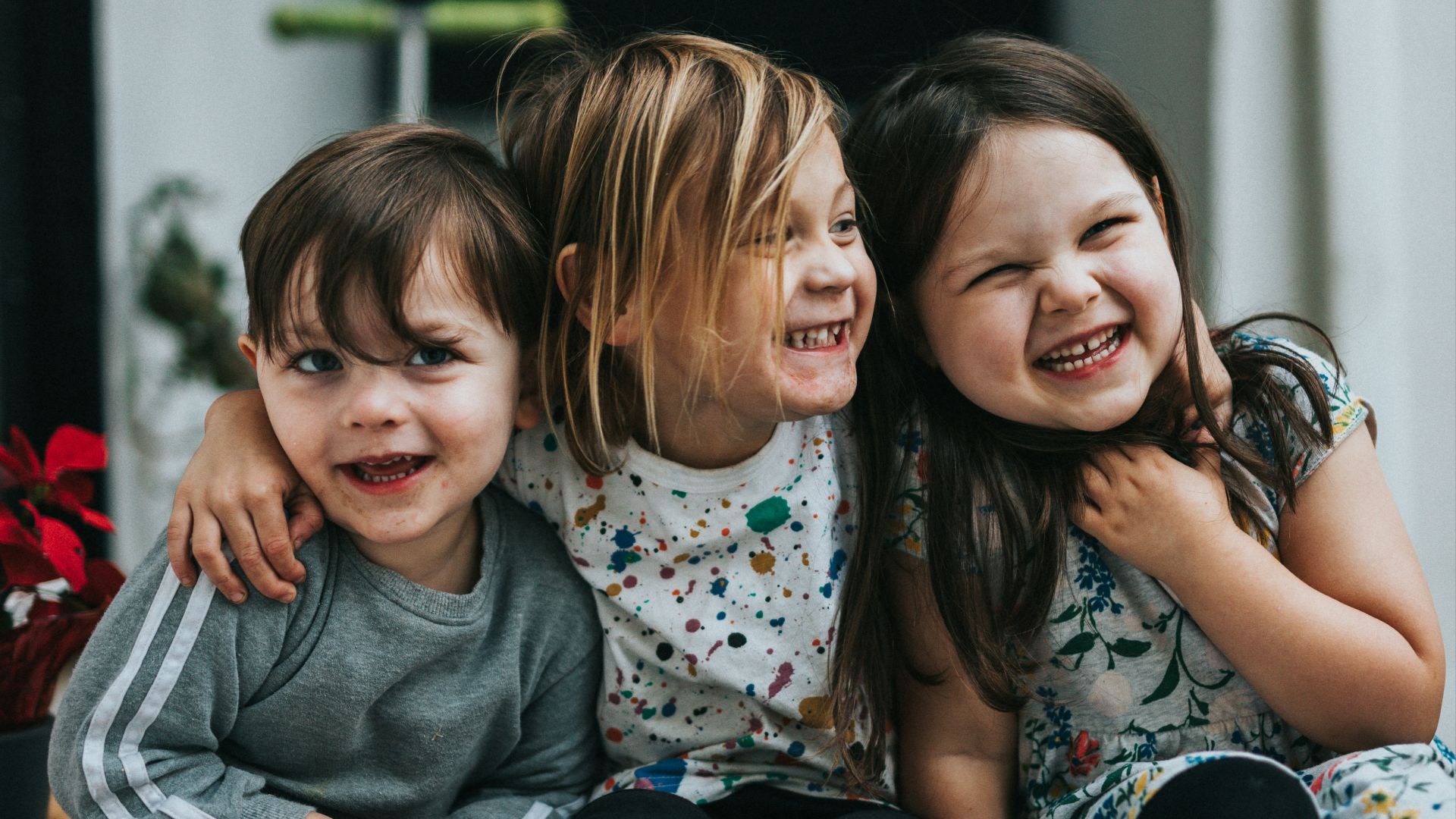
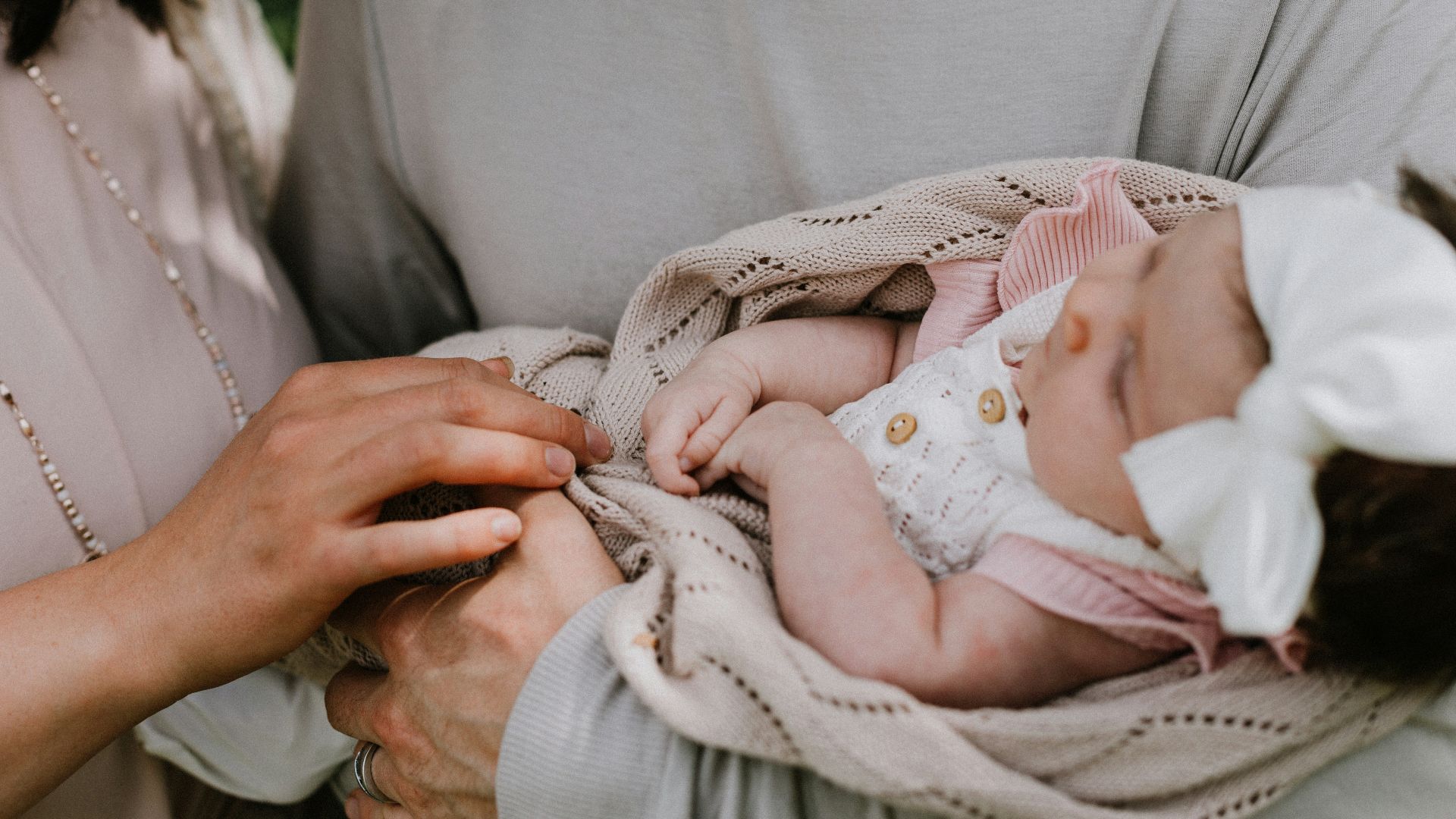
Touch is fundamental to human development, and skin-to-skin contact with newborns regulates their heart rate, temperature, and stress hormones. Regular physical affection throughout childhood correlates with lower anxiety, better stress management, and stronger immune function.
 Priscilla Du Preez 🇨🇦 on Unsplash
10. Play Is Children’s Work
Through play, children develop executive function, creativity, problem-solving, negotiation skills, and emotional regulation. Two kids, some sticks, and an hour of uninterrupted time is where childhood learning happens.