

Why Siblings Can Remember the Same Childhood Completely Differently
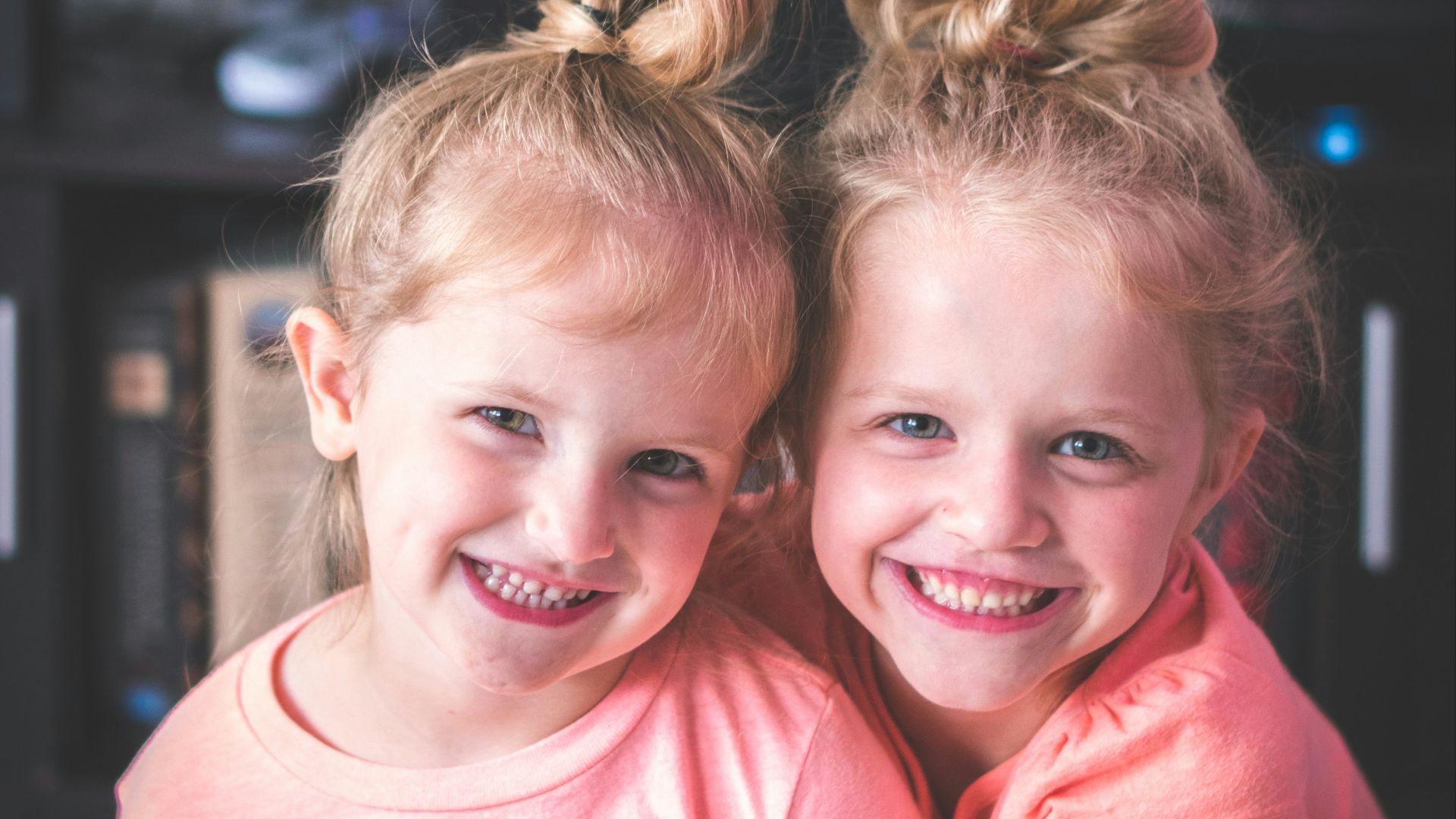
Two siblings can grow up under the same roof, eat at the same dinner table, attend the same family vacations, and somehow come away with completely different versions of what happened. One might remember childhood as warm and carefree, while the other recalls arguments, stress, or constantly feeling left out. Put them together years later, and even seemingly simple memories can turn into a debate over who has the story right.
That’s because sharing a childhood isn’t quite the same as having an identical childhood. Memory is personal, family circumstances change over time, and even children living in the same house experience their parents and surroundings differently. By adulthood, two siblings can end up with separate versions of a past that technically happened to both of them.
You Didn’t Actually Have the Same Childhood
Sharing parents doesn’t automatically mean sharing the same upbringing. An oldest child may remember years when they were the center of their parents’ attention, while a younger sibling never experienced the family before it became busier. By the time the youngest arrives, the household’s routines, finances, rules, and even the parents themselves may have changed considerably.
Age differences can also completely change the meaning of the same event. Imagine a family moving to a new city when one sibling is 14 and another is 6. The teenager may vividly remember leaving friends behind and struggling at a new school. However, the younger child might only recall an exciting new bedroom and neighborhood.
Parents can behave differently with individual children as well. They may be stricter with their first child and loosen the rules later, or have more patience once they’ve gained experience raising kids. A parent who felt anxious and overwhelmed with one child could seem noticeably more relaxed by the time another reaches the same age.
Family roles create another divide. One sibling may become the responsible one, another the funny one, while someone else gets labeled sensitive or rebellious. Once those patterns develop, siblings start experiencing family interactions through different expectations, meaning the same household can feel surprisingly different depending on where you fit into it.
Memory Keeps Editing the Story
Unfortunately, memory isn’t stored as a perfect video that you can replay whenever you want. Each time you remember something, your brain reconstructs the event using bits of information, emotions, and knowledge you’ve gathered since it happened. That means memories can shift slightly over time without you ever realizing it.
What catches your attention in the moment matters, too. During a tense family dinner, one sibling might focus on what their parents are arguing about while another remembers being embarrassed because a friend was visiting. Years later, both can accurately remember parts of the evening while telling stories that sound almost unrelated.
Emotion also plays a major role in determining which moments stick with us. Experiences involving fear, embarrassment, excitement, or sadness are often easier to remember than ordinary afternoons when nothing particularly dramatic happened. If two siblings reacted emotionally in different ways, their strongest memories of childhood may naturally center on entirely different events.
Then there are family stories that get repeated so often that they become part of everyone’s personal history. You might clearly picture the time you supposedly wandered away at the zoo, even though you were two years old and probably don’t truly remember it. Hearing parents and siblings tell the story repeatedly can influence how you eventually imagine the event yourself.
Your Personality Changes What Stands Out
Two children can react very differently to the same parenting style because their personalities are different. A naturally independent child might remember having plenty of freedom, while a sibling who wanted more attention could interpret the same hands-off parenting as emotional distance. Neither interpretation has to be deliberately exaggerated for both to feel completely real.
Relationships within the family also shape perspective. A child who was especially close with one parent may remember that person as affectionate and available, while another sibling had a more difficult relationship with them. Asking those two adults to describe the same parent decades later could produce surprisingly conflicting portraits.
Even sibling relationships themselves can influence which memories survive. If you spent most of childhood competing with a brother or sister, you may remember moments involving comparisons, arguments, and perceived unfairness especially clearly. Your sibling, meanwhile, may have barely noticed situations that you spent years thinking about.
Adult experiences can change the way childhood memories are interpreted as well. Becoming a parent yourself might make you understand why your parents set certain rules, while another sibling could view those same rules more critically. New information about finances, relationships, or family problems can also completely change the meaning of events you thought you understood as a child.
That’s why arguments about childhood memories often don’t have a simple winner. Two siblings can disagree about what home felt like without either one intentionally distorting the past. They experienced different versions of the family, noticed different things, and have spent years reconstructing those memories from separate points of view.
So when your sibling describes a childhood you barely recognize, it doesn’t automatically mean one of you has it wrong. In many cases, both memories reveal something meaningful about what growing up in that family felt like to each person. You may have shared an address, parents, and plenty of major events, but the childhood you remember was still uniquely your own.