
On the radio, there's the soft croon of Paul McCartney's voice as he sings "Hey Jude." On the walls, neon bursts of color from the psychedelic craze. In your hands, an eight-track tape, dusty but otherwise pristine. But this isn't the 1960s anymore—you're in your living room, and you're more than 60 years in the future. Where has the time gone?
Nostalgia has a way of pulling us backwards, and many of us yearn to go back to a past that's long gone. But this longing isn't random. In fact, as science suggests, there are psychological reasons why we crave nostalgia, and they reveal a lot about how we cope with the present.
Mental Time Travel
Why do we crave nostalgia? Simple: it allows us to travel back to a time when life was easier. Perhaps you enjoy recalling your childhood, when your biggest worry was an important test at school. Perhaps you like thinking back to the first time you traveled alone, and those memories still haunt you years later.
It's no surprise that mental time travel can be comforting, since you're often remembering bits of the past that made you feel happy, carefree, and young. Even though you know it's a time you can't jump back to, sometimes, just replaying the memory in your head can make you feel like you're reliving it. Recalling the past might even make you more optimistic about the future: after all, life had been good before, so wouldn't that mean it'll only get better?
Nostalgia on the Brain
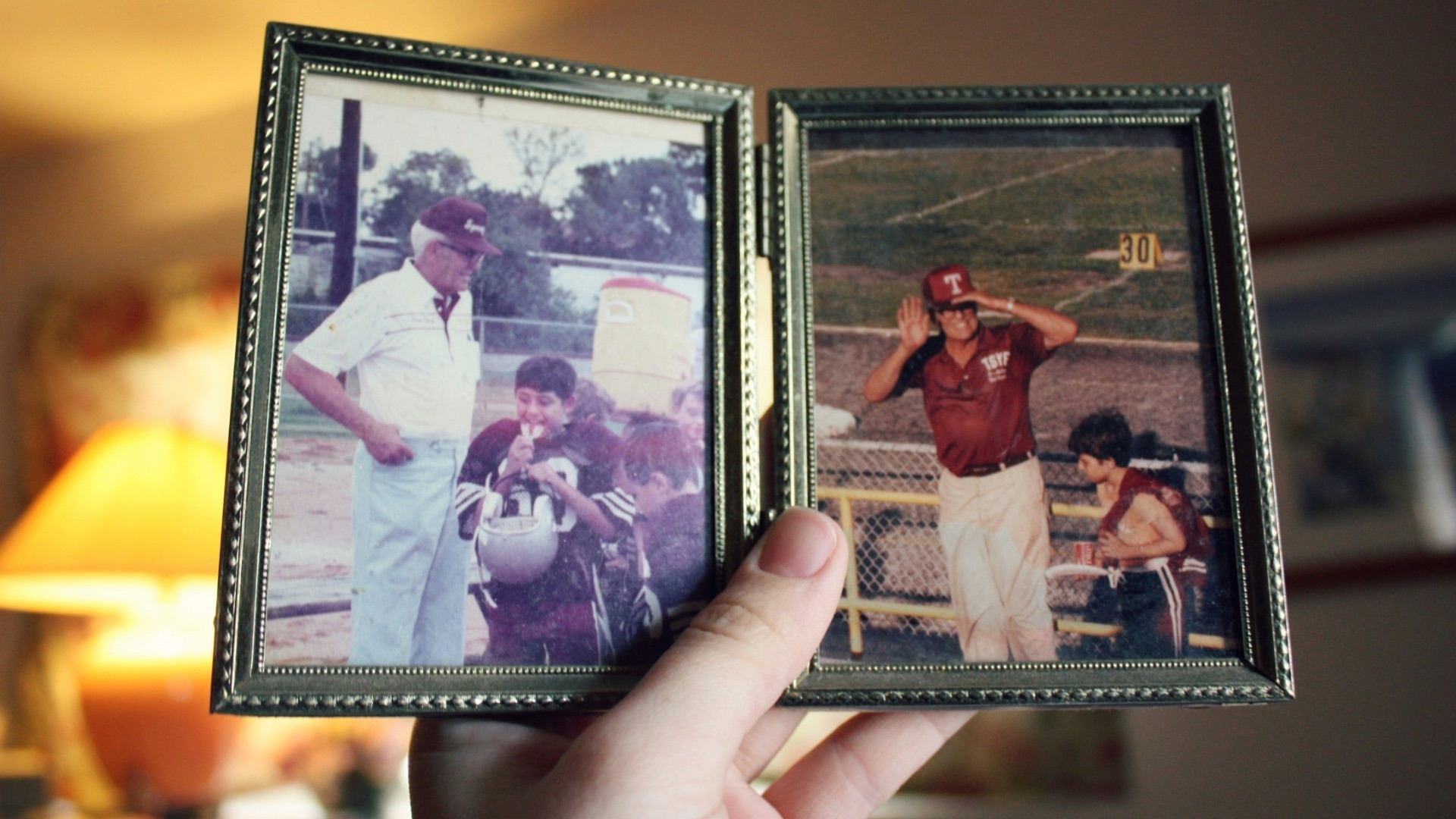
Thinking back to our childhood or past memories doesn't just allow us to time-travel mentally; nostalgia affects the brain much more than creating fuzzy feelings. Research has shown that nostalgia not only increases our well-being and makes us more inspired and optimistic, but it also helps us better connect with our present and future selves. As revealed by lead researcher Emily K. Hong, a postdoctoral fellow at the University of Southampton, "Although nostalgia is a past-oriented emotion, it has implications for one’s future. One uses nostalgic reverie to align their past identity to the future one ('I have been caring and will continue to be so') or derive inspiration for it ('My childhood means a lot to me, and I want my children to feel the same about their own'). Nostalgia may encourage a broader outlook on one’s life, bridging the present with the future."
Another study, led by Ziyan Yang, a professor at the Chinese Academy of Sciences’ Institute of Psychology, found that nostalgia can even numb our perception of pain and enhance our threat-detecting abilities. Their research also notes, interestingly, that several key areas in the brain light up during nostalgic experiences, and these regions are associated with self-reflection, autobiographical memory, emotional regulation, and reward processing. Nostalgia, therefore, isn't just activating and regulating these areas, but also shielding against various psychological and physical threats. This means that when you're recalling a good memory, there's a lot more that's happening behind the scenes.
A Sense of Warmth and Comfort
Sometimes nostalgia can evoke sadness, since you may think back to an experience you can no longer relive again. But most of the time, nostalgia brings a sense of warmth and comfort, which makes it bittersweet. Have you ever noticed that you become fonder of your past experiences as time goes on? Well, that's the nostalgic brain at work.
Nostalgia also helps us regain control over our identity and parts of life. When things feel uncertain, we may often think of the past. We've seen how things pan out, as evidenced by our memories, and recalling these past experiences can allow us to feel calmer and more collected about what's to come.
As it turns out, we're not only hardwired to crave nostalgia, but getting a healthy dose of it is also crucial to our growth and the human experience.