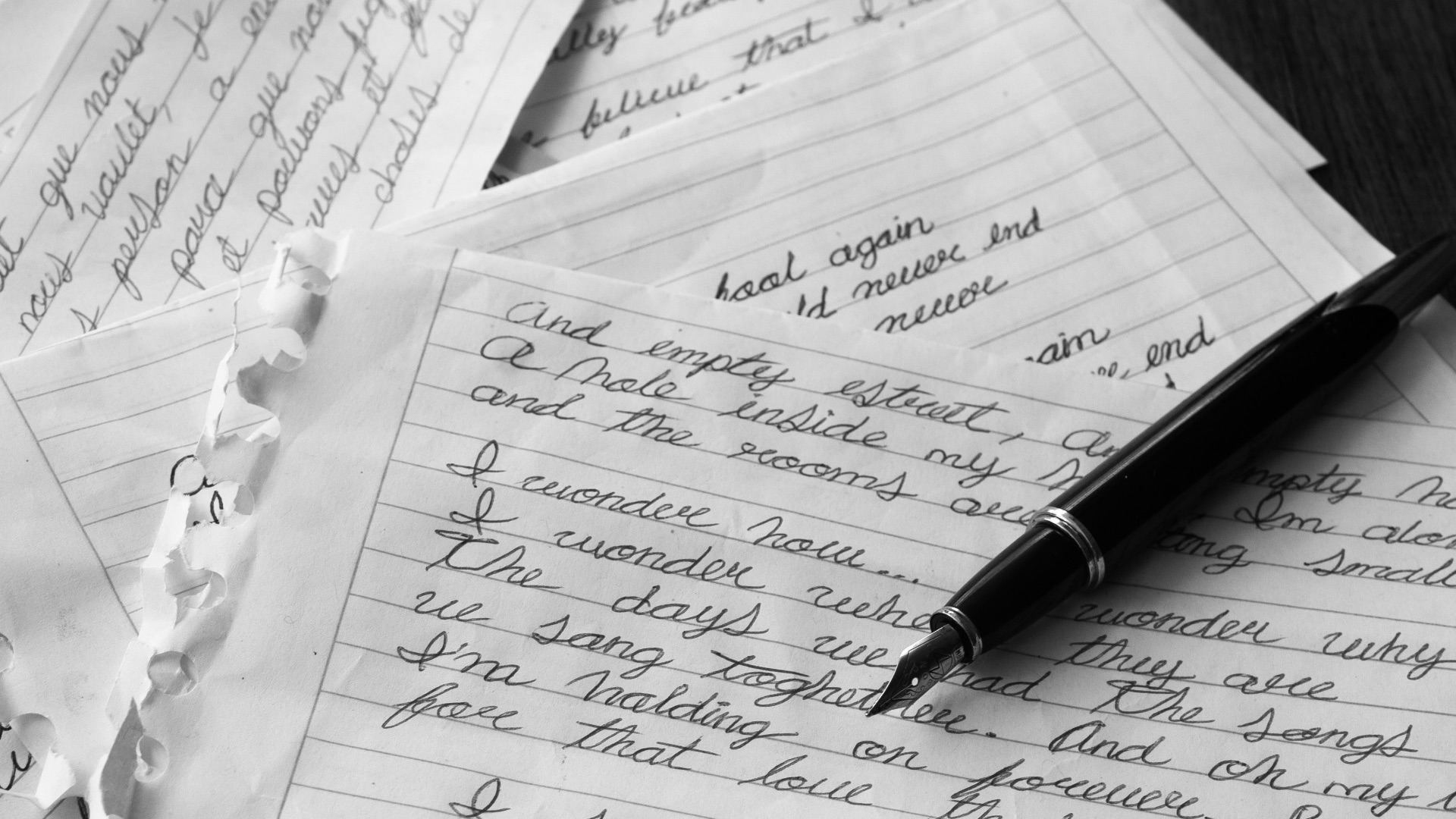
Handwriting feels surprisingly personal for something most of us learned by copying letters from a worksheet. But those loops and swirls garner all sorts of personality, and if you asked ten people to write the same sentence, you’ll probably get pages that look completely different. And it’s that very individuality that helped fuel the idea that your personal slants might just be linked to who you are inside.
There’s just one catch: handwriting analysis, or graphology, hasn’t performed particularly well. A study found that graphologists couldn’t even reliably determine participants’ Big Five personality traits from handwriting samples. So what can we determine from handwriting? Surprisingly, still quite a bit!
The Traits Everyone Loves to Analyze
Large handwriting is traditionally associated with confidence, sociability, and a desire to be noticed, while tiny letters belong to quieter, more detail-oriented people. It’s an appealing explanation, even if researchers haven’t established that size reliably identifies whether someone is outgoing or reserved. But you have to admit there’s something to the theory!
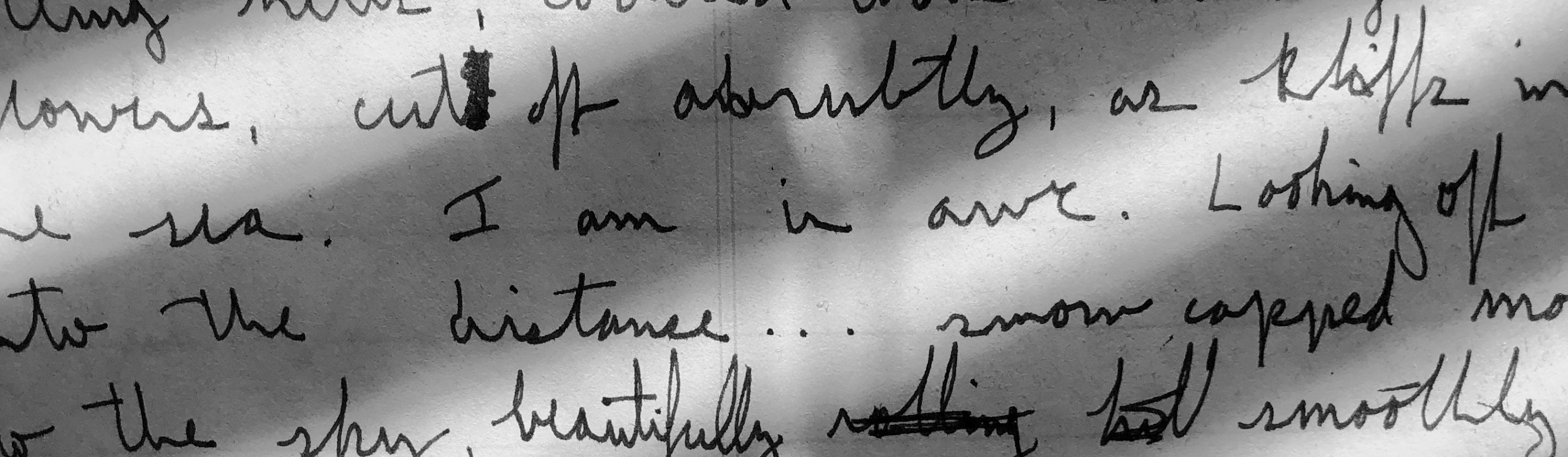
Slant also gets treatment from enthusiasts. Writing that leans noticeably to the right is commonly said to indicate emotional openness, while a leftward slant suggests someone who keeps others at a distance. Upright handwriting, meanwhile, often gets interpreted as evidence that you’re more rational and controlled.
Then there’s pressure. Graphology connects heavy pressure with intense emotions or determination and lighter strokes with sensitivity or adaptability. Nay-sayers, on the other hand, tend to focus on other potential ideas, such as the type of pen you use, your writing surface, grip, speed, physical comfort, and simple personal habits.
Even Your Spacing and Signature Get Judged
Some analysts pay close attention to how much room you leave between words, too. Quite a lot of thought went into figuring out all that’s literally between the lines, and wide spaces have been interpreted as a love of independence, while cramped writing belongs to someone who prefers company and closeness.
Margins get subjected to their own personality readings as well. If you’re the kind of person who crowds the left edge, analysts agree that you’re more reluctant to let go of the past. A generous left margin, however? That’s been linked with a desire to move forward.
Signatures might be the most tempting handwriting feature to overanalyze because people deliberately develop them over time. A giant flourish certainly creates a confident impression, and an unreadable scribble might look like the classic calling card of someone whose head is in the clouds. Regardless of which side you believe, signatures do tell us one important thing: people write their names differently from ordinary text because signatures serve a special purpose.
What Your Handwriting Really Can Reveal
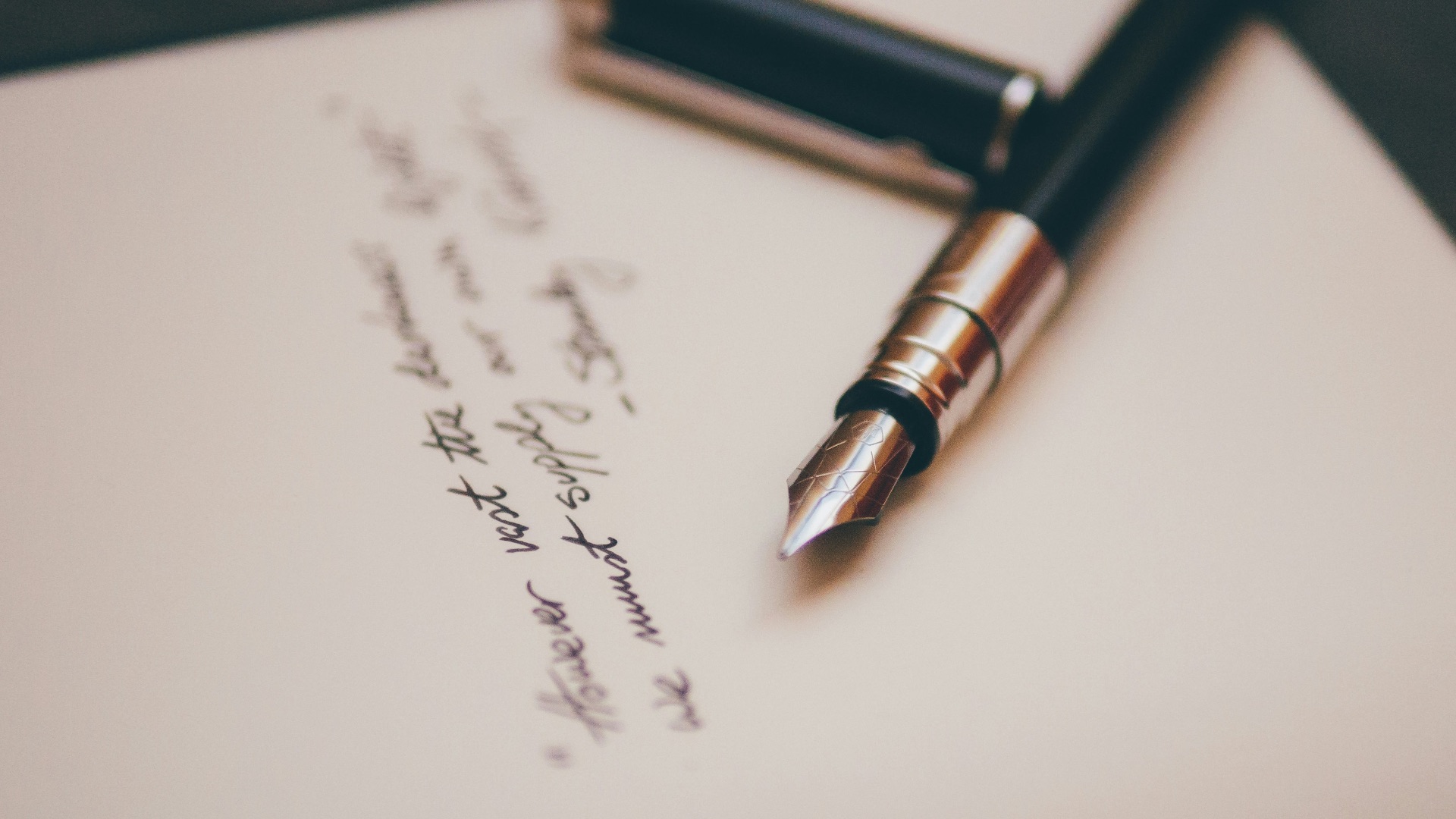
Though some of that so-called analysis can be swept under the rug, handwriting can reveal more than you think about a person. For example, it can reflect quite well how you were taught. People who learned cursive under particular educational systems may retain recognizable letter shapes decades later, even after developing their own style. If your capital letters still look like relics from your elementary-school days, those childhood lessons probably left a stronger mark than you realized.
Handwriting can also change depending on what you’re doing. Just look at the careful message inside a birthday card, for instance. You bet that a kind word in some stationery will look much sharper than whatever you scribble while talking on the phone. Speed, attention, fatigue, stress, writing position, and how much room you have available can all affect what appears on the page.
Perhaps one of the biggest things to keep an eye on is how changes in handwriting can provide useful information in medical settings as well. Certain neurological or motor conditions can affect writing movement, letter size, or control, which is why clinicians sometimes study handwriting as one piece of a much larger assessment.
We hate to say it, but the flip side to all this is that research has repeatedly found reasons to be skeptical about personality readings based on handwriting. One study compared dozens of handwriting-personality connections and found that the predicted relationships appeared at roughly the level expected by chance. Interestingly, research on illusory correlations in graphology has also suggested that people can perceive connections between writing and personality even when those relationships aren’t actually there.
Your Handwriting is Still Yours
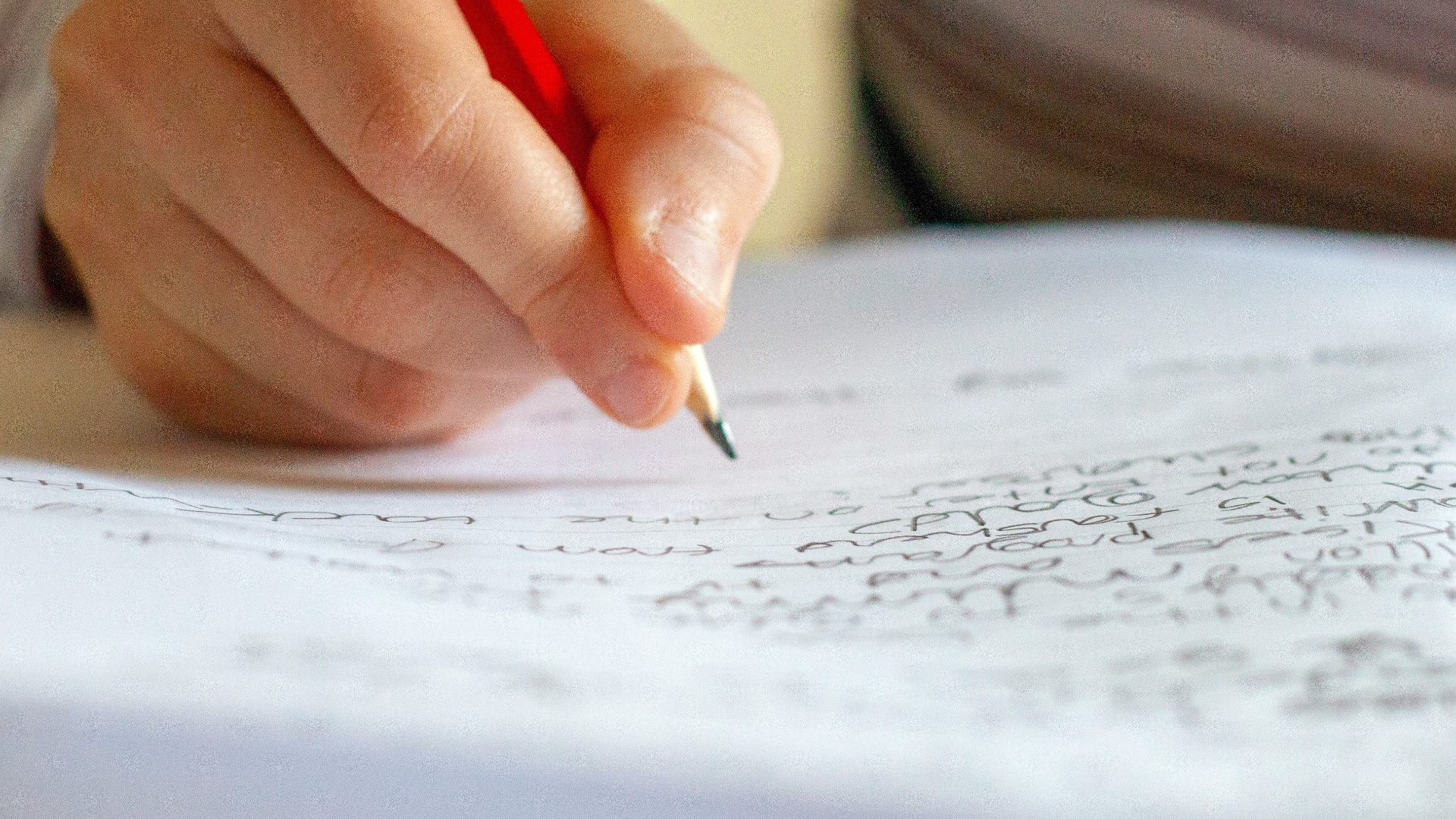
None of this makes handwriting boring. Your script develops through education, repetition, physical habits, changing circumstances, and tiny choices you've made without even realizing it. Think about it: there’s a reason loved ones can tell your writing from someone else’s!
Does that mean a loop in your lowercase “g” proves that you’re secretly creative? Probably not. But why pop the bubble? Writing remains a wonderfully individual record of how you’ve learned to communicate on paper, and that’s interesting enough on its own.