
The Three Biggest Regrets People Have Directly After Getting Married
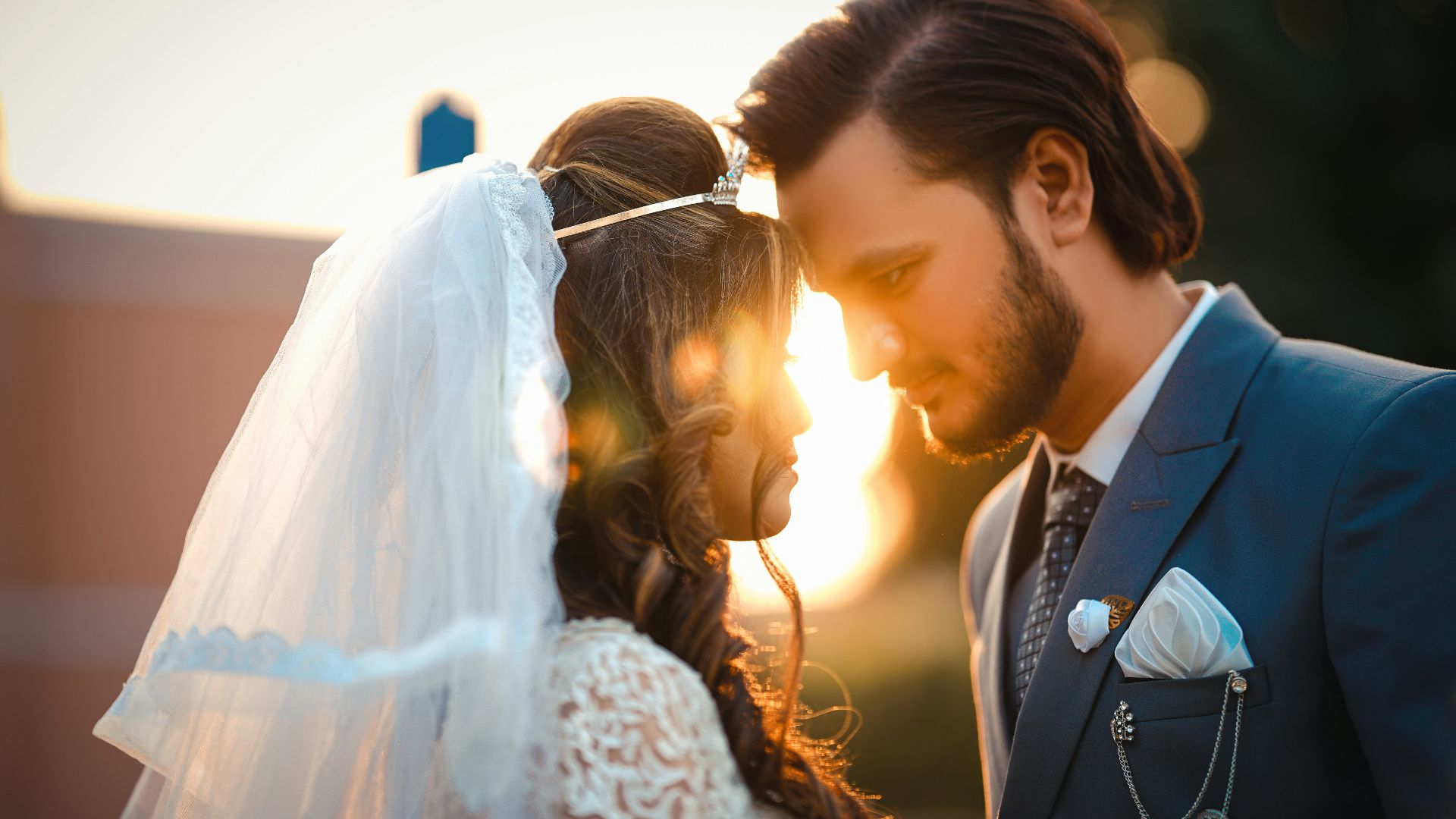
The wedding day is a blur of hugs, photos, and at least one moment where you wonder if you remembered to breathe. Then the music fades, the outfits go back in garment bags, and real life steps forward. That shift can be surprisingly loud, even if you’re deeply happy with your choice.
Right after getting married, some people feel a quick spike of regret that has nothing to do with love and everything to do with pressure, expectations, and the sudden weight of “forever.” These regrets often show up in small, specific thoughts that pop in during the first week. If you notice them, you’re not broken, and your marriage isn’t doomed, but you are getting useful information.
Rushing Past the Hard Conversations
A common immediate regret is realizing you didn’t fully talk through practical realities before making it official. It can hit when you’re back from the honeymoon, and suddenly you’re comparing bills, routines, and assumptions you both thought were “obvious.” You might love your partner and still feel annoyed that you never clarified what “sharing money” would actually mean. That frustration is normal, but it stings more when you’re already legally tied together.
Some couples glide through engagement on romance and logistics, then realize they skipped the boring topics that keep life stable. Things like debt, spending habits, family boundaries, chores, and long-term goals can feel unromantic, so they get postponed with a cheerful, “We’ll figure it out.” The regret lands when “figure it out” becomes a Tuesday night argument about whose turn it is to deal with a surprise expense. It’s not that you can’t solve it, it’s that you wish you’d started earlier.
If this regret shows up for you, the fix is less dramatic than it feels. You can schedule a calm conversation where you both name what you assumed and what you actually want going forward. Try to treat it like building a shared operating system rather than blaming each other for not reading minds. It is far easier to create new agreements now than to keep tripping over old expectations for years.
Letting the Wedding Take the Wheel
Another regret that appears quickly is realizing the wedding became the main character, and your relationship got treated like the supporting cast. You might look back and notice how many decisions were made to please family, fit traditions, or hit a certain aesthetic. Then you wake up as a married couple and think, “Wait, did we plan for us, or did we produce an event?” It can feel embarrassing, especially if you’re usually practical.
This doesn’t mean your wedding was “wrong,” but it can leave you with a weird emotional hangover. Big celebrations create momentum, and momentum makes it easy to ignore small discomforts. If you felt pressured to spend more than you wanted, invite people you barely know, or say yes to traditions you didn’t believe in, the regret might show up as irritability later. You’re not being ungrateful, you’re noticing where your voice got turned down.
The best way to deal with this regret is to reclaim your marriage with intentional choices right away. You can set a few simple rituals that are only for you two, like a weekly walk, a monthly budget check-in, or a no-phones dinner rule. If family expectations were loud during planning, you can practice saying kinder, clearer boundaries now. The wedding is over, and you’re allowed to make the marriage feel like it belongs to you.
Expecting Marriage to Magically Change Things
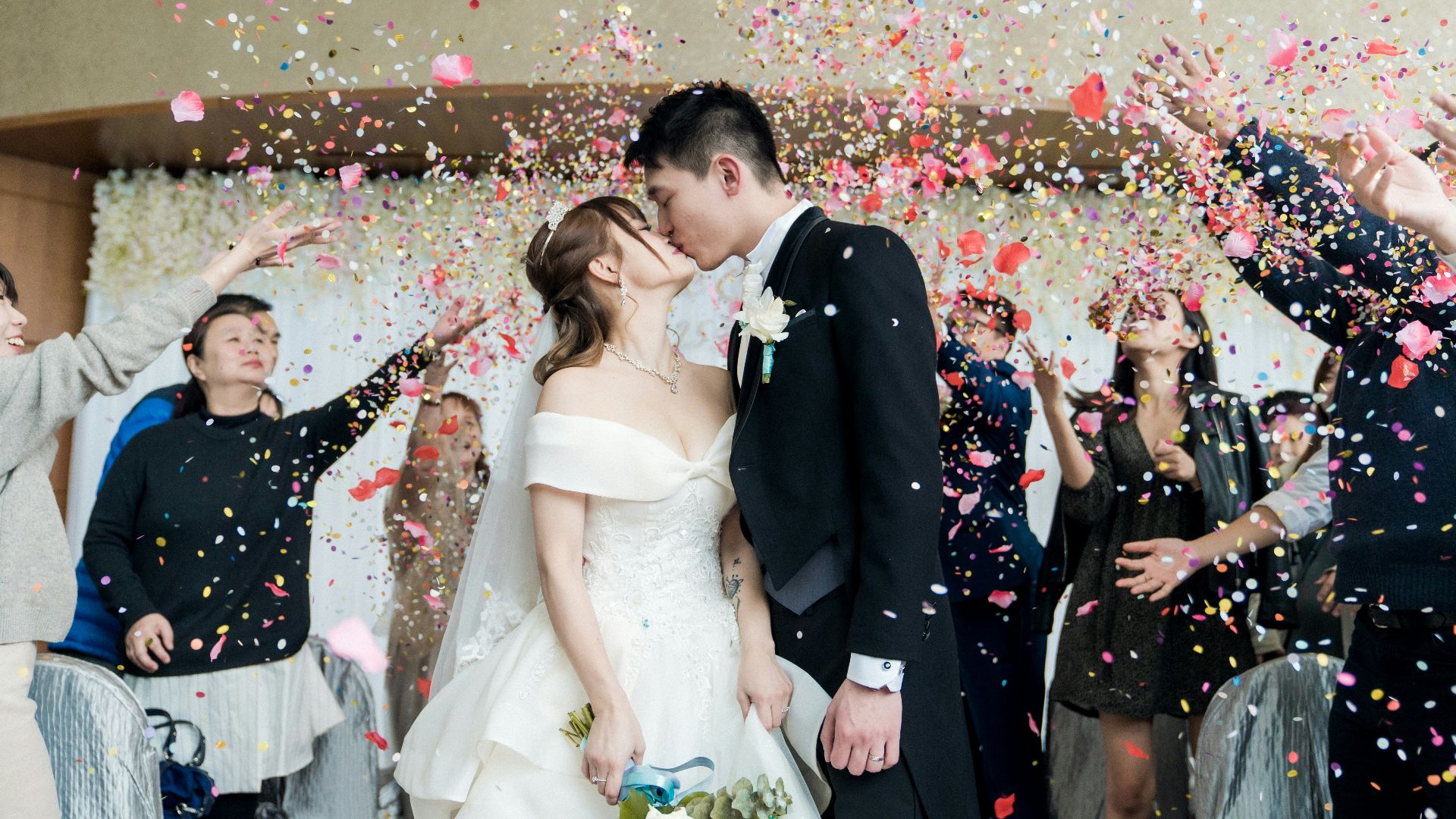
A surprisingly common regret is thinking the label “married” would instantly make certain problems disappear. Some people expect conflict to soften, habits to improve, or commitment to feel easier the moment vows are exchanged. Instead, you may notice the same quirks, the same communication patterns, and the same little stress triggers, because being married is mostly just a hefty label. The underlying relationship is the same unless you work on it.
This can feel disappointing, even when nothing is actually wrong. You might catch yourself wondering why you don’t feel permanently secure or why you still get nervous during tough conversations. Marriage is meaningful, but it’s not a personality transplant, and it doesn’t replace effort. When you expect transformation, normal reality can feel like a letdown. That’s not failure—it’s a mismatch between expectations and how relationships really develop.
If you’re feeling this, it helps to focus on what marriage actually offers: a shared commitment and a stable platform for growth. You can take the pressure off the relationship by naming what you hoped would change and then choosing one realistic step to address it. That might mean couples therapy, a communication tool you practice weekly, or a fair division of responsibilities that reduces resentment. Over time, those choices create the change you hoped the title would deliver instantly.
The “right after” regrets are usually signals, not verdicts. They point to conversations you need, boundaries you want, or expectations you can update. If you treat them as early feedback instead of proof that you made a terrible mistake, they can actually strengthen your marriage. You are allowed to be happy and still have a few honest thoughts to sort through.