Remember when Black Friday meant camping outside Best Buy at 3 AM, clutching a thermos of coffee while strategizing your route through the aisles? Those days are dead.
What was once a legitimate shopping phenomenon, a single day of genuinely spectacular deals that could save you hundreds, has morphed into something entirely different. Today's Black Friday is a manufactured marketing marathon that starts in October and delivers deals that are, frankly, underwhelming at best and deceptive at worst.
The Price Manipulation Game Is Real
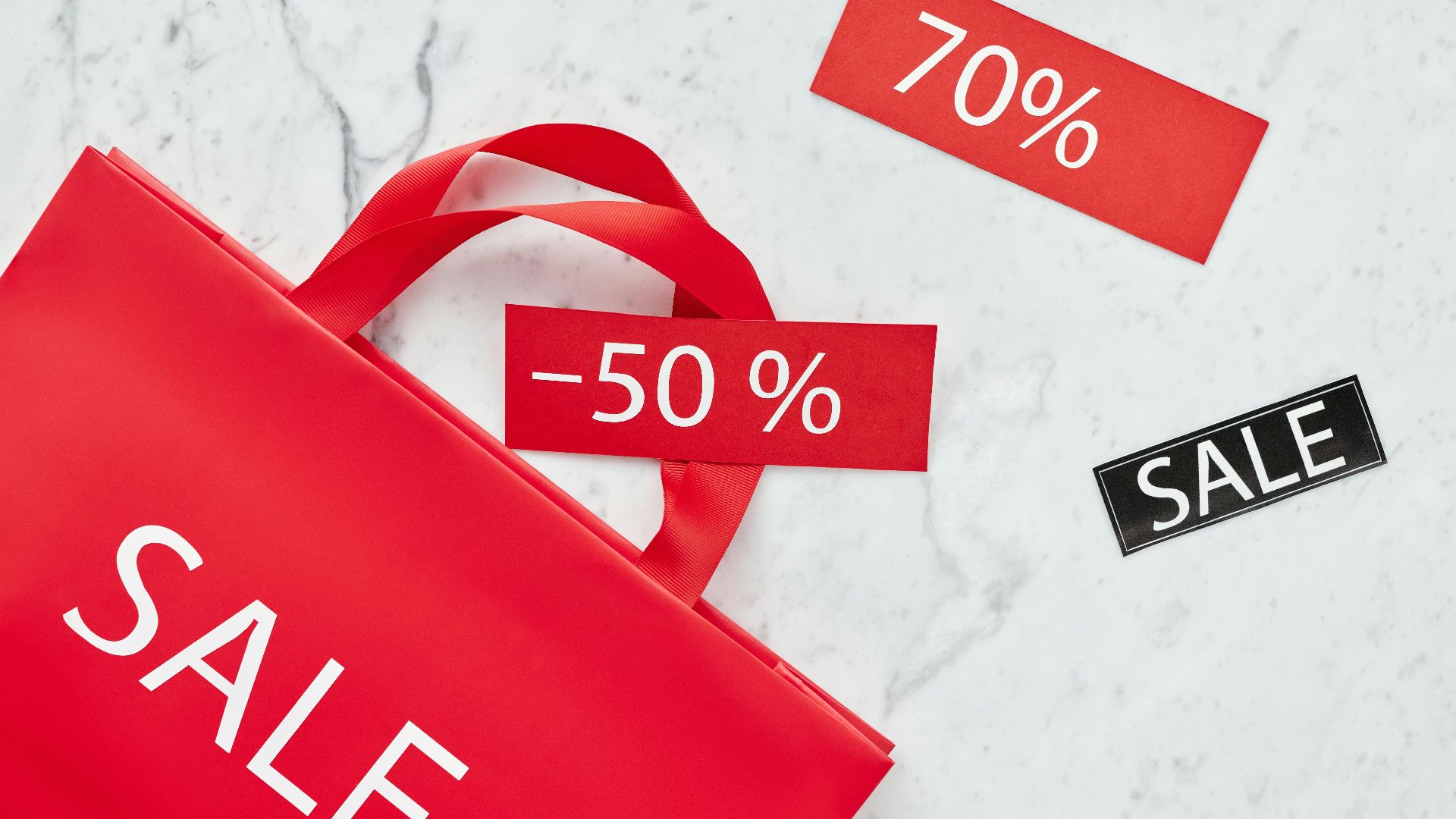
Here's what retailers don't want you to know: those "70% off" stickers are often meaningless. Consumer protection agencies and price-tracking websites have repeatedly exposed the dirty secret—many Black Friday "discounts" are calculated against artificially inflated reference prices. A TV listed at $799, marked down from $1,200? That original price probably never existed, or existed for maybe two weeks in September, just to establish the "was" price.
Studies by Which? in the UK found that 83% of Black Friday deals were actually cheaper or the same price as at other times of the year. The investigation tracked thousands of products and discovered that the average discount was a measly 5%. Meanwhile, legitimate sales events like post-Christmas clearances or back-to-school promotions often deliver better actual savings. Retailers have essentially weaponized urgency psychology.
The "doorbuster" strategy has evolved, too. Those loss-leader products advertised at genuinely great prices? They exist in such limited quantities that they're essentially bait. The store's stock may be five units of that $199 laptop, knowing full well that hundreds will show up. Once you're there, employees guide you toward higher-margin alternatives that are "almost as good" but conveniently in stock.
Your Data Is The Real Product
Black Friday has become less about moving inventory and more about harvesting consumer data. Every promotional email you sign up for, every "exclusive early access" membership you create, every shopping app you download, these are data collection opportunities worth far more than the slim margins on discounted goods.
Retailers now use Black Friday as a massive intelligence-gathering operation. They track your browsing patterns, wish lists, abandoned carts, and purchase history to build sophisticated profiles. This data gets used for dynamic pricing algorithms that can actually charge you more for items you've shown interest in. It is also sold to third-party marketers, creating a revenue stream that makes those "amazing deals" profitable even when sold at an alleged loss.
You're not just buying a discounted air fryer. You're basically enrolling in a year-long relationship with brands that will relentlessly retarget you.
But what's the real power move you have at your disposal? Use price-tracking tools like CamelCamelCamel or Keepa throughout the year. Set alerts for items you actually need. Many products hit their lowest prices in January, July, or during Amazon Prime Day. Black Friday has become a marketing event masquerading as a consumer benefit, and the best deal is recognizing that.