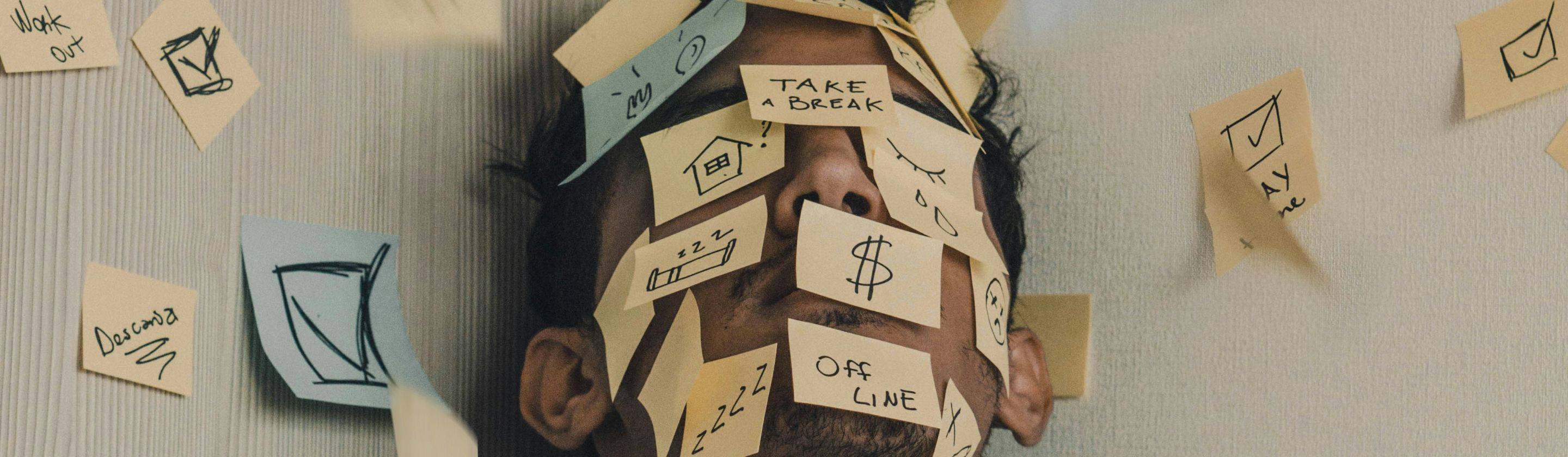
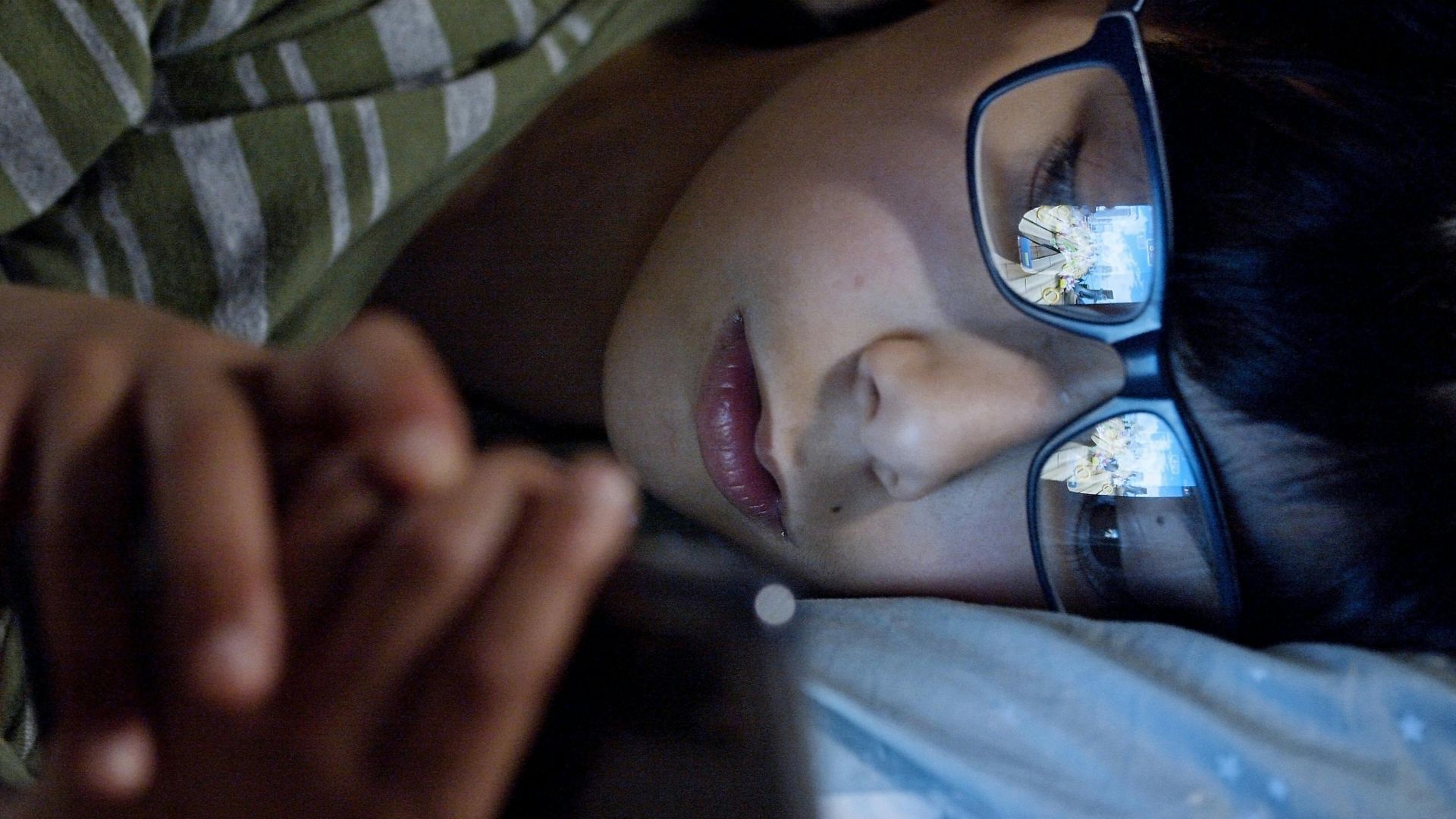
Every night you settle into bed, phone in hand, and promise yourself just “five more minutes” while waiting for sleep to arrive. But those minutes stretch into half an hour. Then an hour. And before you know it, it's 2:00 a.m., and your mind is racing, your eyes heavy, yet you’re still scrolling. That’s the reality of doomscrolling, the habit of endlessly consuming content before bed, and it’s quietly wrecking your sleep.
This habit keeps your brain overstimulated when it should be slowing down. The first step is recognizing what’s going on. The next is learning how to break the pattern—and that part is easier than you think.
Why It Feels Harmless (But Isn’t)
At first glance, a late-night scroll seems like a way to unwind. You tell yourself you’re staying informed, or passing the time until you drift off. What you might not realize is that during those scrolling sessions, two things happen: your brain becomes inadvertently wired to stay alert, and your body’s biology is disrupted.
Research published by PMC highlights a clear risk: individuals who engage in doomscrolling experience heightened anxiety and see their stress hormones (including cortisol) rise noticeably. Compounding the issue, blue light from screens suppresses melatonin—the hormone responsible for signaling the body that it’s time to rest.
How Your Sleep Suffers Without You Noticing?
Late-night scrolling is linked with shorter total sleep time, poorer sleep efficiency, and lighter, less restorative sleep. In a study featured in Frontiers, participants who extended screen time by one hour past bedtime slept about 24 minutes less and showed a notable rise (59%) in insomnia-related symptoms.
In other words, the habit you assume is harmless bedtime entertainment is hijacking your body’s ability to sleep, and it’s burying the damage beneath your pillow.
Practical Shifts That Work
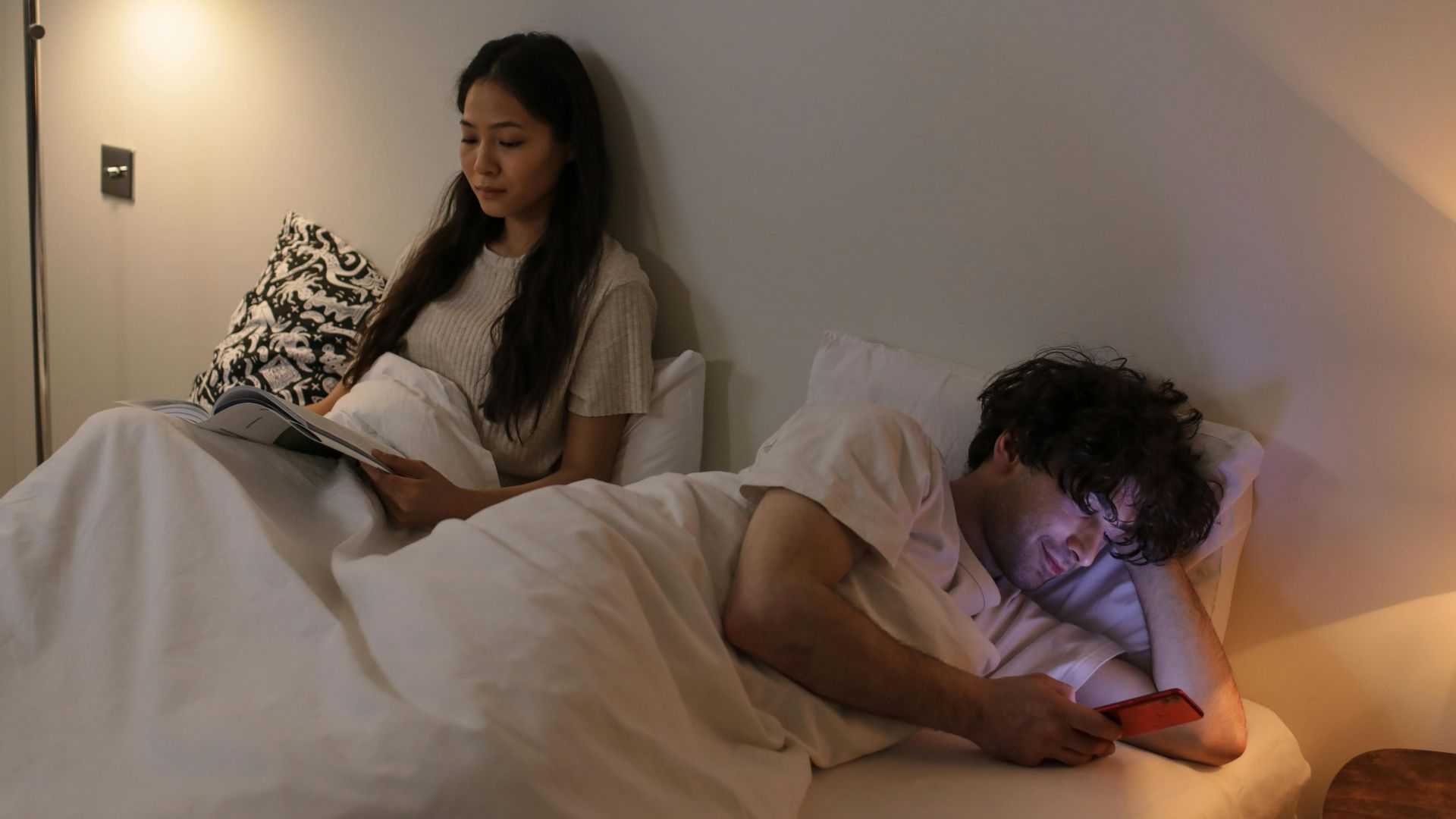
Here’s the part of the story where we flip the script. Because once you’re aware of this cycle, you can break it with smarter routines.
Start with the bedtime wind-down: commit to a “screen-off” time 30 to 60 minutes before you lie down. This gives your brain the space to turn off the alerts and shift into a restful state. Next, create a buffer zone between momentum and calm. Rather than your phone being the last thing you touch, let reading a physical book or listening to a gentle podcast replace the scroll.
Then, reclaim your environment. Move your phone away from the bed. Use “Do Not Disturb” modes. Lower screen brightness or switch to night mode. And if you can, leave the phone in another room.
When you treat your phone not as a night-last companion, but as an earlier-evening tool, and when your last pre-sleep act is calming instead of clicking, you’ll give your body the room it needs to rest.