

Stepping into the modern dating pool often requires a healthy dose of optimism, but sometimes a rendezvous simply goes sideways before it even begins. Whether you realize there is absolutely no digital chemistry or a real-life meeting reveals a total lack of connection, the desire to flee can become overwhelming. According to multiple consumer and relationship surveys, nearly half of all singles admit to calling off a planned encounter before arriving, while a significant portion confess to escaping midway through. Instead of offering brutal honesty, most people rely on a highly predictable arsenal of social untruths to soften the blow.
When the urge to escape strikes, daters almost universally pivot toward excuses that are nearly impossible to challenge or verify. Navigating these polite fabrications requires a bit of social finesse, as nobody wants to seem cruel while abandoning a potential partner. Looking at data compiled from dating app research and behavioral polls, a few specific categories of falsehoods consistently dominate the landscape. Understanding these common escape hatches can help you spot when someone is gently bowing out of your schedule.
The Undisputed Reign of Sudden Illness
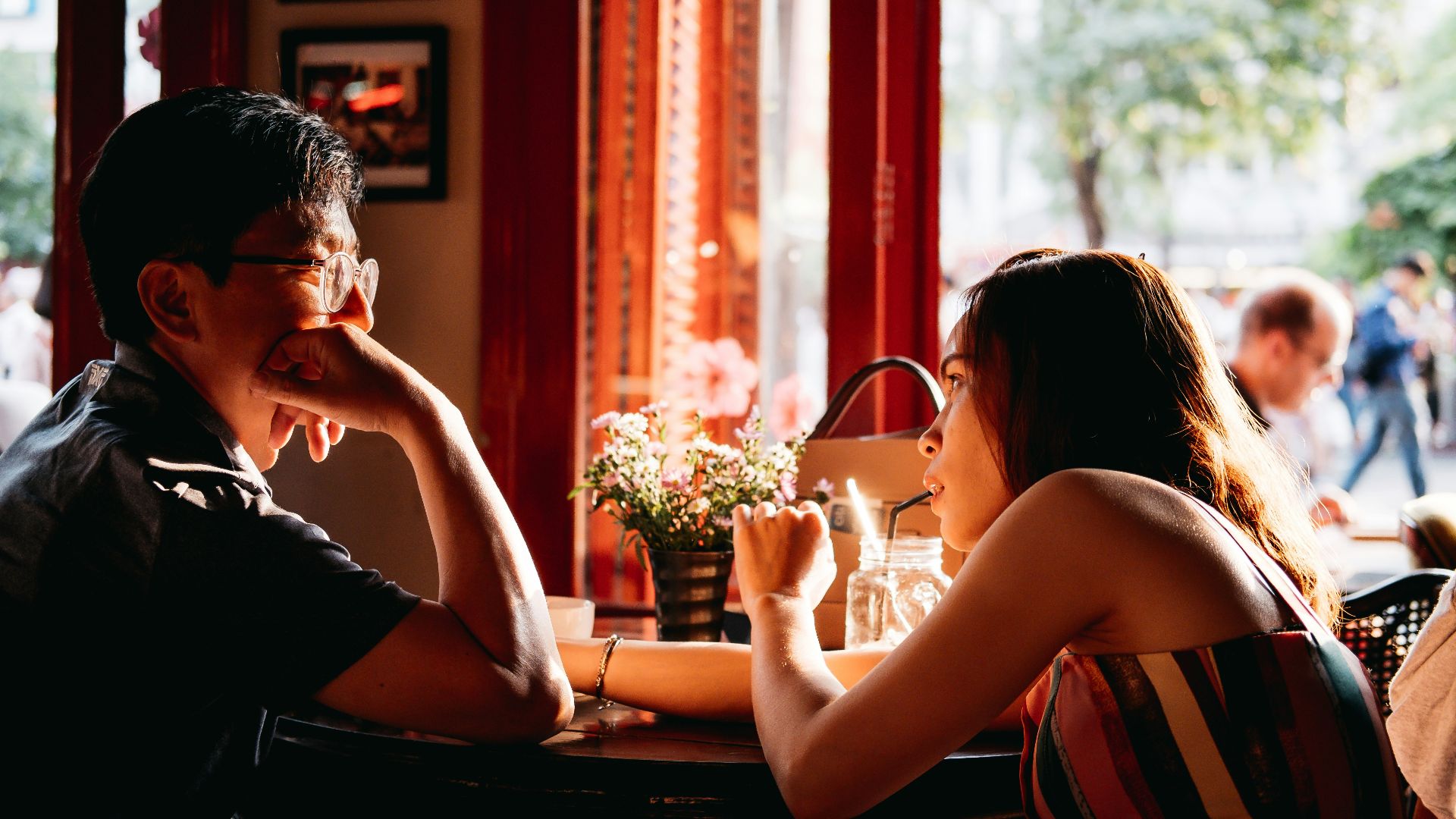
Claiming a sudden bout of poor health is statistically the most popular way to evade an unwanted evening out. Polling data indicates that stating you are not feeling well serves as the ultimate get-out-of-jail-free card because it immediately halts any further persuasion. It forces the other person to offer sympathy rather than argument, effectively ending the conversation on a polite note. This tactic can be deployed hours in advance or used to feign a sudden headache while sitting right at the bar.
Medical complaints are particularly brilliant because they require absolutely no physical proof to be effective. A simple message about a phantom migraine or a sudden wave of nausea creates an immediate boundary that a suitor cannot easily cross. It plays on basic human empathy, ensuring the rejected party focuses on recovery instead of bruised feelings. Most people will simply wish someone well and back off without asking for a doctor's note.
Furthermore, this strategy leaves the door slightly ajar for future interactions if there was simply last-minute social anxiety. By blaming a fickle immune system, the cancellation avoids feeling personal to the individual waiting for the date. It remains a temporary hurdle rather than a permanent rejection of someone’s character or appearance. Of course, if used solely as an escape, it provides a clean break that slowly fades into total radio silence.
The Untouchable Shield of Professional Duties
Surviving the modern corporate grind provides daters with a remarkably sturdy alibi known as the sudden workplace crisis. Research shows that roughly twenty-three percent of last-minute cancellations lean heavily on unexpected professional obligations or looming project deadlines. Because society deeply values career dedication and financial responsibility, this excuse rarely faces intense skepticism from a relative stranger. It portrays someone as an industrious, responsible adult who is simply trapped by the demands of a relentless supervisor.
Utilizing employment as a shield allows a dinner to be called off without appearing disorganized or completely uninterested. A crashed server, an evening meeting with international clients, or a sudden shift coverage emergency can easily be blamed for an absence. Since a date has no window into office operations, there is little choice but to accept the corporate catastrophe at face value. It effectively shifts the blame from personal preferences to an uncontrollable external economic force.
This specific tactic works beautifully for mid-date rescues as well, especially when coordinated with a helpful friend. A perfectly timed text message about an urgent work email allows someone to apologize profusely while checking out of the restaurant early. It preserves a polite reputation while granting a swift, unquestioned exit from a terribly boring conversation. A companion might be disappointed, but they will rarely fault someone for protecting a livelihood.
The Uncontrollable Chaos

When physical well-being and employment excuses feel a bit too mundane, daters frequently turn to logistical nightmares. Automotive breakdowns, catastrophic plumbing leaks, and sudden transit delays form a highly effective tier of mechanical salvation. Consumer surveys reveal that a flat tire or a failed battery is a favored tool for those who prefer a dramatic, blameless cancellation. It creates an immediate image of panic and disarray that completely overshadows the romantic agenda.
Household emergencies operate on a very similar psychological level of unquestionable urgency. Claiming that a pipe just burst or that a security alarm is blaring instantly reframes a cancellation as a matter of property survival. The person on the receiving end will understand that rescuing an apartment from a flood takes priority over sharing an appetizer. It provides a flawless, high-stakes reason to stay home without hurting anyone's feelings in the process.
Finally, the classic transit delay remains a staple for the chronologically distant or subtly hesitant dater. Claiming to be utterly trapped in gridlock or stranded by a canceled train buys time or sets up a natural cancellation. If the energy feels entirely wrong, blaming city infrastructure allows the evening to be canceled with a clean conscience. After all, nobody can fight the traffic department, making it the perfect faceless scapegoat for a missing spark.