

20 Things People Call Relationship Red Flags That Are Actually Completely Normal
Not Everything Is a Warning Sign
Spend enough time scrolling through relationship advice online, and you'll start questioning behaviors you've never given a second thought. Apparently, everything from wanting alone time to having friends of the opposite sex can mean your relationship is in trouble. While genuine warning signs shouldn't be ignored, plenty of completely normal behaviors get unfairly labeled as problematic. Before you start second-guessing your entire relationship, here are 20 things people love calling red flags even though they're often nothing to worry about.

1. Wanting Time Alone
Just because someone enjoys spending time by themselves doesn't mean they're losing interest in their partner. Some people genuinely need solitude to recharge, especially after a long day of working or socializing. Having separate interests and being comfortable with your own company can actually make a relationship healthier.

2. Not Texting Throughout the Day
Constant communication isn't everyone's idea of romance, and there's nothing wrong with that. Your partner might be busy at work, spending time with family, or simply trying to stay off their phone for a few hours. As long as you're both happy with your communication habits, there's no reason to treat every delayed response as suspicious.

3. Having Friends of the Opposite Sex
The idea that men and women can't maintain platonic friendships is surprisingly persistent. In reality, having friends of different genders doesn't automatically mean there's romantic interest or something inappropriate going on. What matters is whether your partner respects the boundaries you've established together, not whether their friends are men or women.

4. Occasionally Finding Other People Attractive
Being in a committed relationship doesn't suddenly mean you stop noticing attractive people. Someone can appreciate another person's appearance without having any desire to pursue something romantic with them. There's a big difference between experiencing attraction and choosing to act on it in ways that disrespect your relationship.

5. Disagreeing About Important Topics
Even couples who share similar values aren't going to see eye to eye on absolutely everything. Differences in political opinions, family traditions, or personal priorities can lead to some pretty heated conversations. What really matters is how you work through those disagreements and whether you're willing to listen without dismissing each other's perspectives.

6. Not Posting Their Partner on Social Media
Some people simply aren't interested in sharing every detail of their personal lives online. A lack of couple photos on Instagram doesn't necessarily mean someone is hiding their relationship or trying to appear single. If they're openly acknowledging their partner in everyday life, their social media habits probably aren't worth worrying about.

7. Remaining Friendly With an Ex
Believe it or not, some relationships end without either person holding a lifelong grudge. Former partners might stay friends because they share mutual friends, have children together, or simply get along better without the romantic aspect. As long as everyone's boundaries are respected and there's no dishonesty involved, being friendly with an ex isn't automatically inappropriate.

8. Needing Space After an Argument
Not everyone can work through a disagreement immediately, especially when emotions are running high. Taking some time to cool off can stop someone from saying something unnecessarily hurtful in the heat of the moment. There's nothing wrong with asking for a break, provided you're communicating that need rather than disappearing or avoiding the conversation indefinitely.

9. Not Sharing Every Password
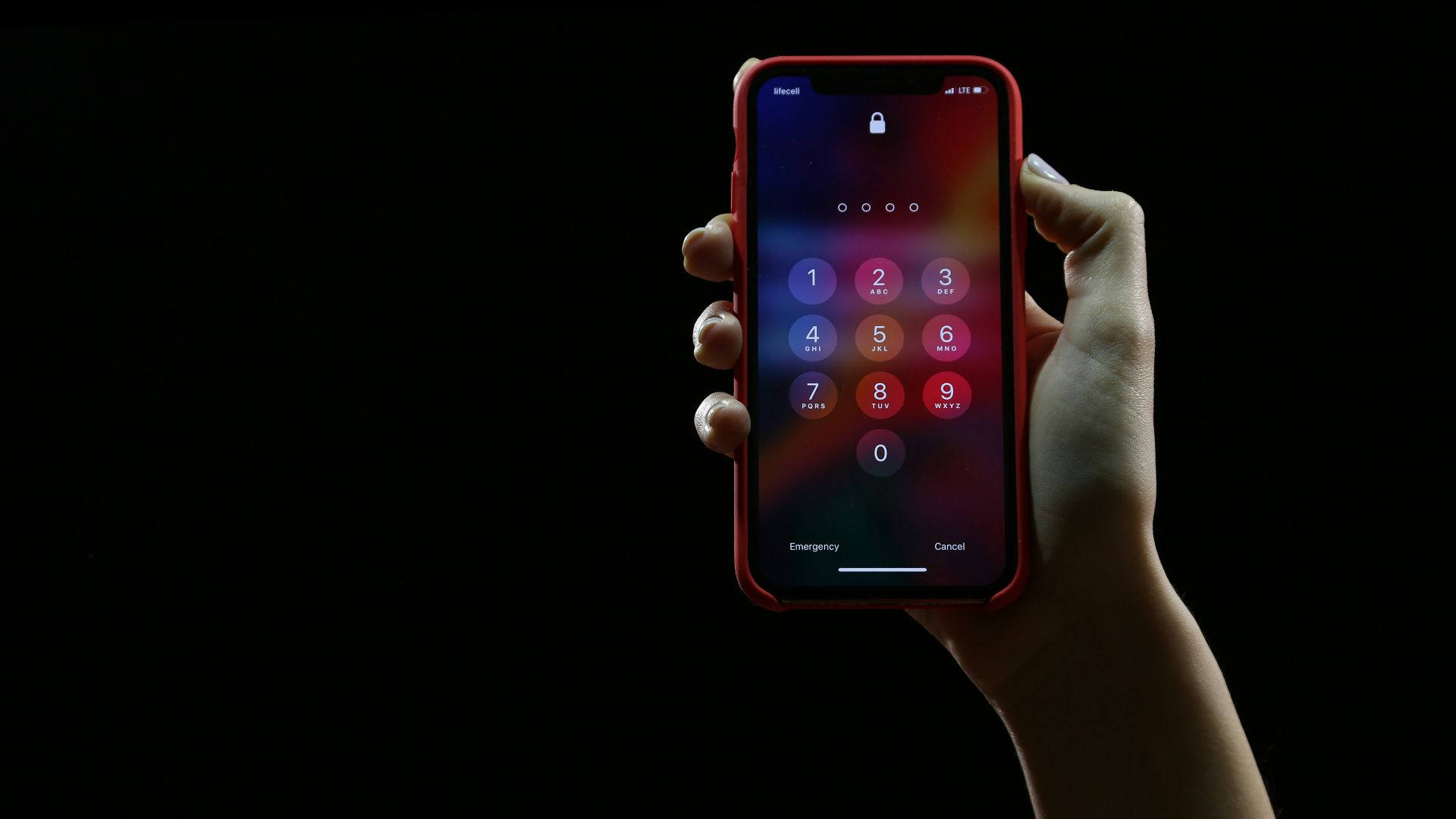
Privacy doesn't suddenly become irrelevant just because two people are in a serious relationship. Your partner is allowed to keep their phone password, email account, and personal conversations private without it meaning they have something to hide. Trust should be built through consistent behavior and honesty, not unlimited access to someone's digital life.
10. Having Different Hobbies
You might love hiking while your partner would happily spend an entire weekend playing video games. Despite what some relationship advice suggests, you don't need to share every interest to have a successful partnership. Supporting each other's hobbies, even when they're not particularly appealing to you, can be just as meaningful as doing activities together.

11. Not Saying "I Love You" at the Same Time
People develop romantic feelings at different speeds, and those three words mean something different to everyone. Someone might need a little more time before they're comfortable expressing their feelings so openly. Rather than expecting an immediate response, it's generally better to let those emotions develop at their own pace.

12. Wanting Separate Vacations Occasionally
Taking a trip without your significant other doesn't automatically mean something's wrong with your relationship. Some people enjoy traveling with friends, visiting family on their own, or exploring destinations their partner has absolutely no interest in seeing. Couples can have a strong, happy relationship while occasionally enjoying experiences that don't involve each other.

13. Not Being Close With Their Family
Family relationships can be complicated, and you probably don't know every detail about someone's childhood. A person who rarely speaks to their parents might have very understandable reasons for keeping their distance. Judging someone solely on their relationship with relatives ignores the possibility that they're simply looking after their own well-being.

14. Talking About Past Relationships
Bringing up previous romantic experiences doesn't always mean someone still has feelings for an ex. Sometimes those conversations help explain personal boundaries, lessons they've learned, or what they're hoping for in their current relationship. As long as the discussion isn't constantly turning into unfavorable comparisons, there's nothing particularly concerning about acknowledging your dating history.
 Matheus Câmara da Silva on Unsplash
15. Not Wanting to Move in Together Immediately
Moving in with someone is a big decision that affects your finances, daily routines, and personal independence. One partner might feel ready after six months, while the other would rather wait until they've built a stronger foundation. Taking things slowly doesn't automatically suggest a lack of commitment, especially when both people are upfront about what they want.

16. Having Arguments
Despite what some relationship influencers might have you believe, even happy couples don't agree on everything. Disagreements are bound to happen when two people have different personalities, experiences, and emotional needs. Occasional arguments aren't necessarily a cause for concern, although insults, intimidation, and repeated disrespect shouldn't be brushed off as normal conflict.

17. Not Being Interested in Marriage
For some people, marriage simply isn't a priority, no matter how much they love their partner. They might have philosophical objections, financial concerns, or simply prefer the idea of long-term commitment without getting legally married. While different expectations around marriage can create compatibility issues, not wanting to tie the knot doesn't make someone a bad partner.

18. Maintaining Financial Independence
Keeping separate bank accounts doesn't mean a couple is secretly preparing for their relationship to fall apart. Plenty of partners feel more comfortable managing their own money while contributing to shared expenses through an arrangement that works for both people. Financial honesty and fairness matter much more than whether every dollar is sitting in the same account.
 micheile henderson on Unsplash
19. Not Always Being in the Mood for Intimacy
Physical affection and sexual desire naturally fluctuate depending on stress, health, exhaustion, and plenty of other factors. Someone turning down intimacy on a particular evening isn't necessarily rejecting their partner or expressing unhappiness with the relationship. Respecting each other's boundaries without making anyone feel guilty is far more important than expecting constant physical desire.

20. Having Different Social Needs
One person might love crowded parties, while their partner would much rather spend a quiet evening with a few close friends. Those differences don't automatically make two people incompatible, even if their ideal weekends couldn't look more different. Finding a balance between social activities and individual preferences can help both partners feel comfortable without expecting either person to change who they are.