
20 Things Millennials Think Are Normal That Boomers Find Disrespectful
When Two Generations Have Very Different Ideas About Manners
What's considered perfectly acceptable to one generation can seem incredibly rude to another, especially when millennials and baby boomers are involved. While millennials have grown accustomed to casual communication, personal boundaries, and changing social expectations, many boomers were raised with stricter ideas about respect and proper etiquette. Neither generation necessarily means to offend the other, but their different habits can create some pretty awkward misunderstandings. Here are 20 things millennials might not think twice about doing that some boomers find downright disrespectful.

1. Calling Older Adults by Their First Names
Many millennials don't see anything wrong with calling someone older by their first name, especially in casual or professional settings. However, some boomers grew up being taught to use titles like Mr., Mrs., or Sir until they were told otherwise. Hearing a younger person immediately address them by their first name can feel overly familiar to someone who considers formal greetings a sign of good manners.
 LOGAN WEAVER | @LGNWVR on Unsplash
2. Looking at Their Phones During Conversations
Checking a notification while someone is talking has become a pretty common habit, particularly among people who are constantly connected to their devices. To some boomers, though, looking at your screen while they're speaking suggests that you aren't interested in what they're saying. Even if you're just checking the time or responding to something important, they might take it as a sign that you're not paying attention.

3. Refusing to Answer Phone Calls
Millennials often prefer texting because it lets them respond when they have time without interrupting whatever they're doing. Older generations, on the other hand, may see ignoring a ringing phone as disrespectful, especially when it's a family member calling. If you've ever received an irritated voicemail asking why you never answer, you're probably familiar with this particular discrepancy.

4. Setting Boundaries With Family Members
Being honest about personal boundaries has become increasingly common, with many millennials feeling comfortable explaining what they aren't willing to tolerate. Some boomers grew up believing that family obligations should always come first, even when they're inconvenient. Because of this, telling a relative that you won't discuss certain subjects or attend every family gathering might come across as selfish rather than healthy.

5. Leaving Work Exactly When Their Shift Ends
For millennials, completing your responsibilities and heading home on time is generally seen as perfectly reasonable. Some boomers, however, associate working late and going above what's expected with dedication and a strong work ethic. When a younger employee leaves at five o'clock without a second thought, an older coworker might assume they aren't particularly committed to their job.

6. Wearing Casual Clothes to Formal Occasions
Dress codes have become much more relaxed, and millennials are often comfortable wearing sneakers, jeans, or other casual clothing in places that once required more formal attire. Some boomers still believe that dressing up shows respect for the occasion and everyone attending. Arriving at a nice restaurant or family celebration in a casual outfit can therefore earn you a few disapproving looks.
7. Questioning Their Bosses
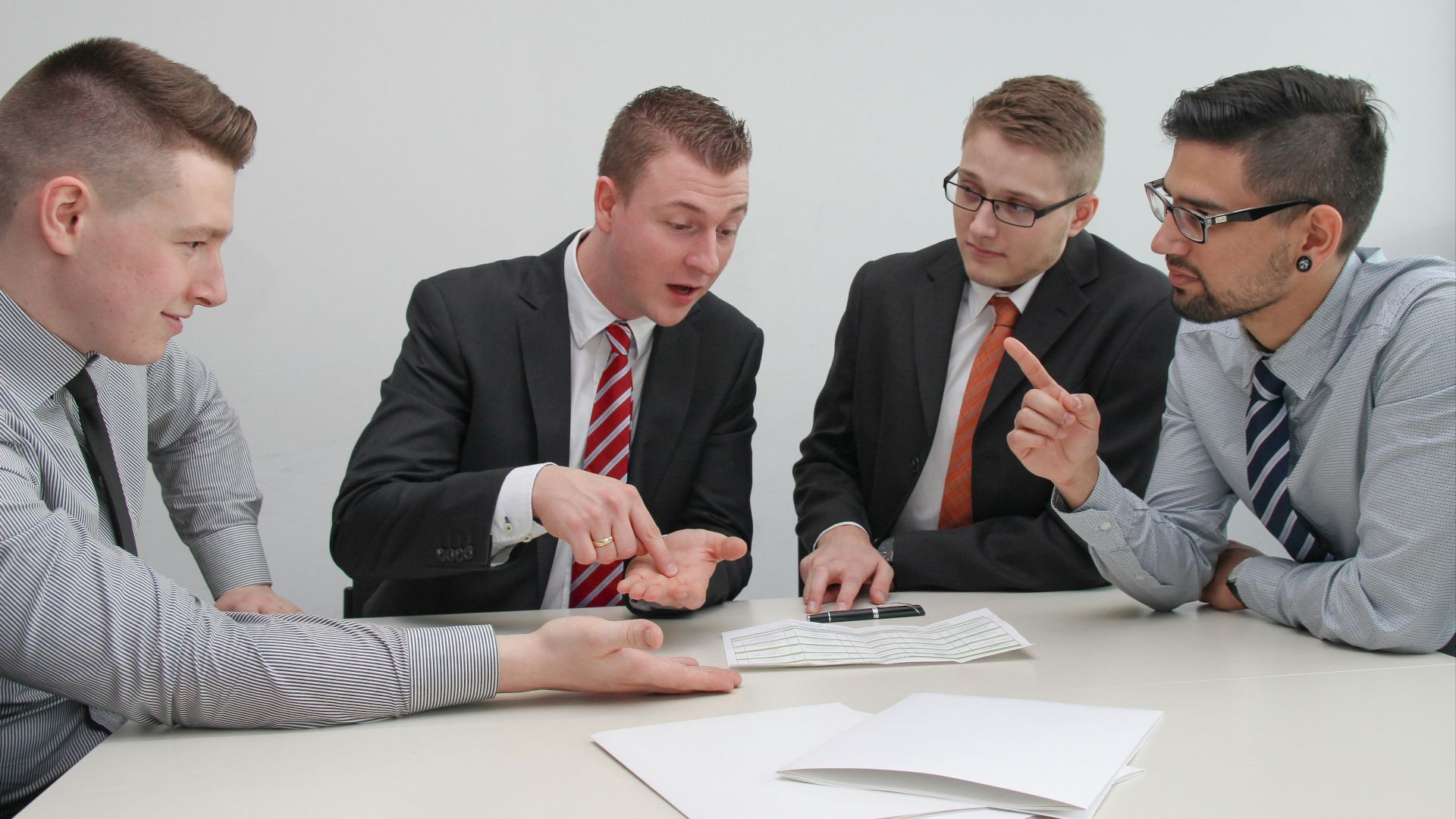
Millennials generally value open communication at work and may feel completely comfortable asking managers to explain their decisions. For boomers who spent much of their careers in more hierarchical workplaces, questioning someone in authority can sometimes seem confrontational. What a younger employee sees as a simple request for clarification might sound like they're challenging their boss's authority.
 Sebastian Herrmann on Unsplash
8. Not Sending Thank-You Cards
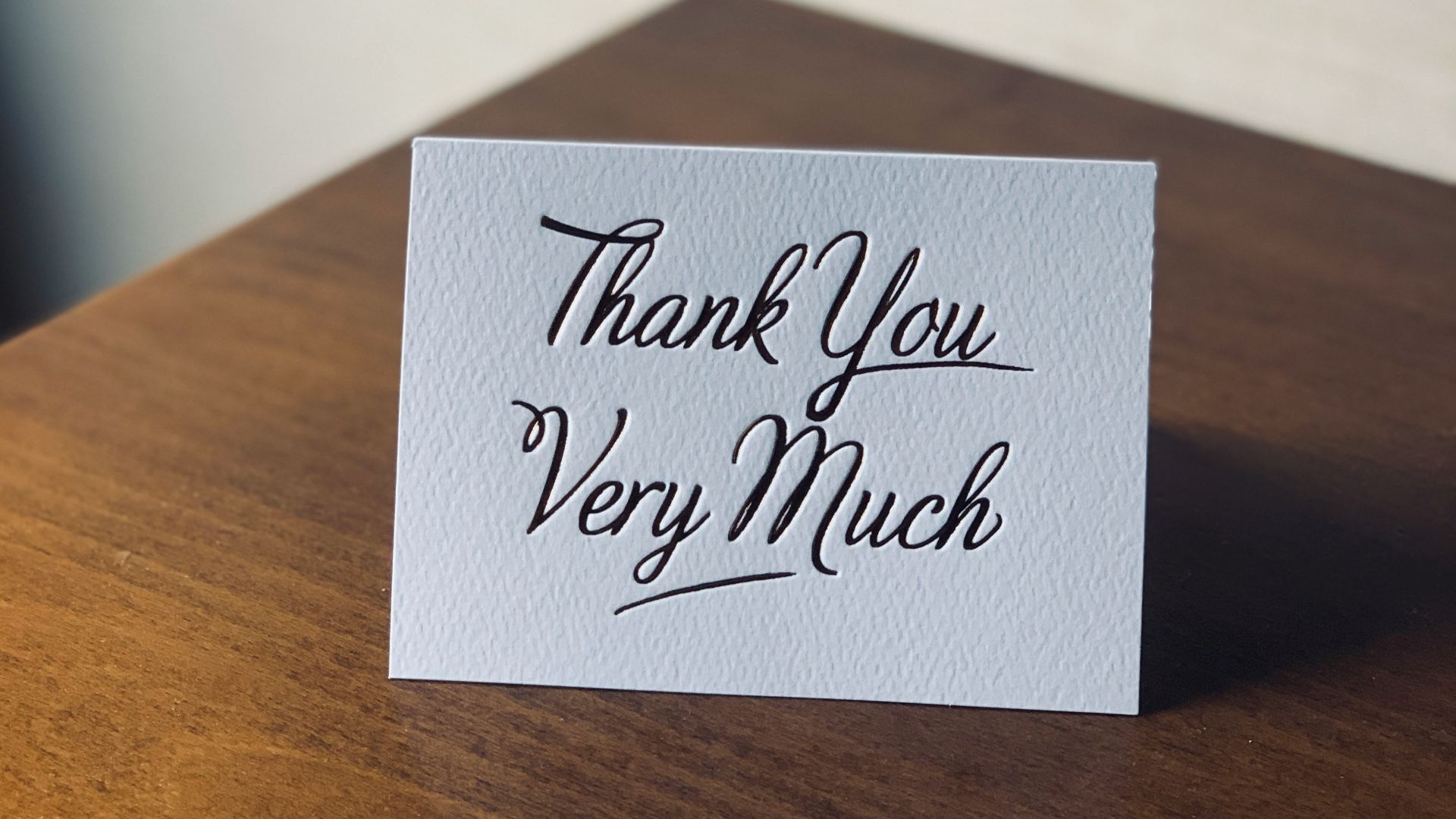
A quick text expressing gratitude is often enough for millennials, who consider digital communication a perfectly acceptable way to acknowledge someone's kindness. Some boomers still attach considerable importance to handwritten thank-you notes, particularly after receiving gifts or attending special occasions. Although the appreciation may be just as genuine, getting a short message instead of a card can leave them feeling a little disappointed.
9. Declining Invitations Without Giving an Excuse
Younger adults have become more comfortable turning down social plans simply because they'd rather stay home. Instead of coming up with an elaborate excuse, they might politely explain that they're unavailable or need some time to themselves. Boomers who place a lot of importance on social commitments may find that explanation lacking, especially when the invitation comes from a close friend or family member.
10. Discussing Their Salaries Openly
Talking about money was traditionally considered impolite in many households, and some boomers still prefer keeping financial matters to themselves. Millennials, however, are often more comfortable discussing salaries with coworkers because they believe transparency can help uncover unfair pay practices. Casually mentioning your income during a conversation might make an older relative uncomfortable, even if your intentions are completely reasonable.

11. Wearing Hats Indoors
Taking off your hat when entering someone's home, a restaurant, or another indoor space was once a commonly enforced rule of etiquette. Plenty of millennials now see baseball caps and other hats as everyday fashion accessories that they don't see any reason to remove. For boomers who learned that wearing a hat indoors was disrespectful, this seemingly minor detail can be surprisingly frustrating.
12. Correcting Their Parents
Disagreeing with your parents is one thing, but openly correcting them can be especially uncomfortable in families with more traditional expectations. Millennials may feel that politely pointing out incorrect information is simply part of having an adult conversation. Certain boomers still view being corrected by their children as talking back, even when those children are well into adulthood.

13. Not Introducing Themselves to Everyone
At parties or family gatherings, millennials might greet the people they know first and gradually introduce themselves to others as the event goes on. Some boomers expect younger guests to make an effort to acknowledge everyone, particularly the hosts and older relatives. Entering a room without personally greeting each person can seem unfriendly to them, even if you didn't mean anything by it.

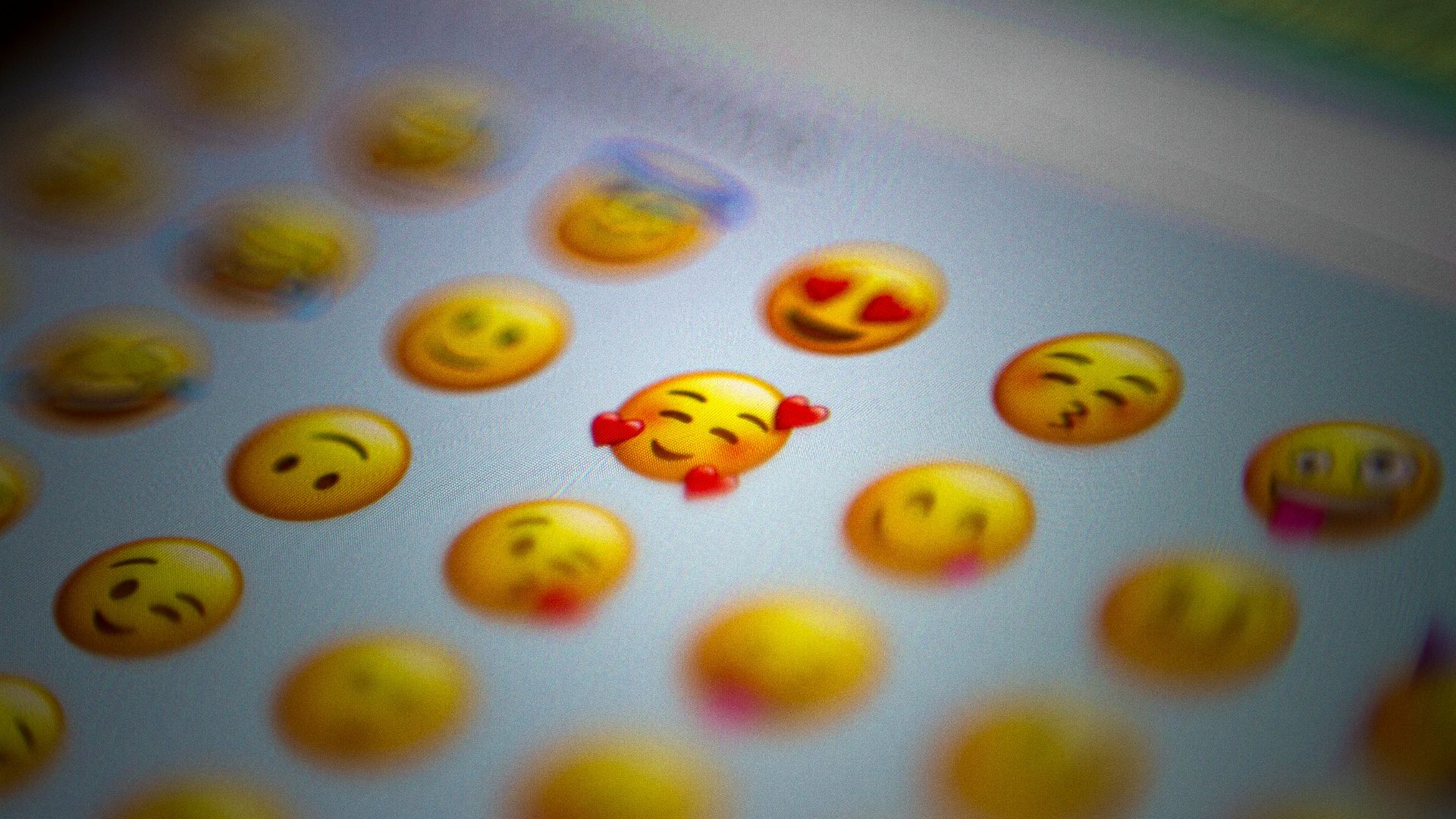
14. Using Emojis & Abbreviations in Professional Messages
Workplace communication has become considerably more informal, with emojis, abbreviations, and casual greetings regularly appearing in office messages. Millennials might send a quick "Thanks!" followed by a smiley face without thinking twice about it. Older coworkers who are used to traditional business correspondence, though, may feel that this approach lacks professionalism.
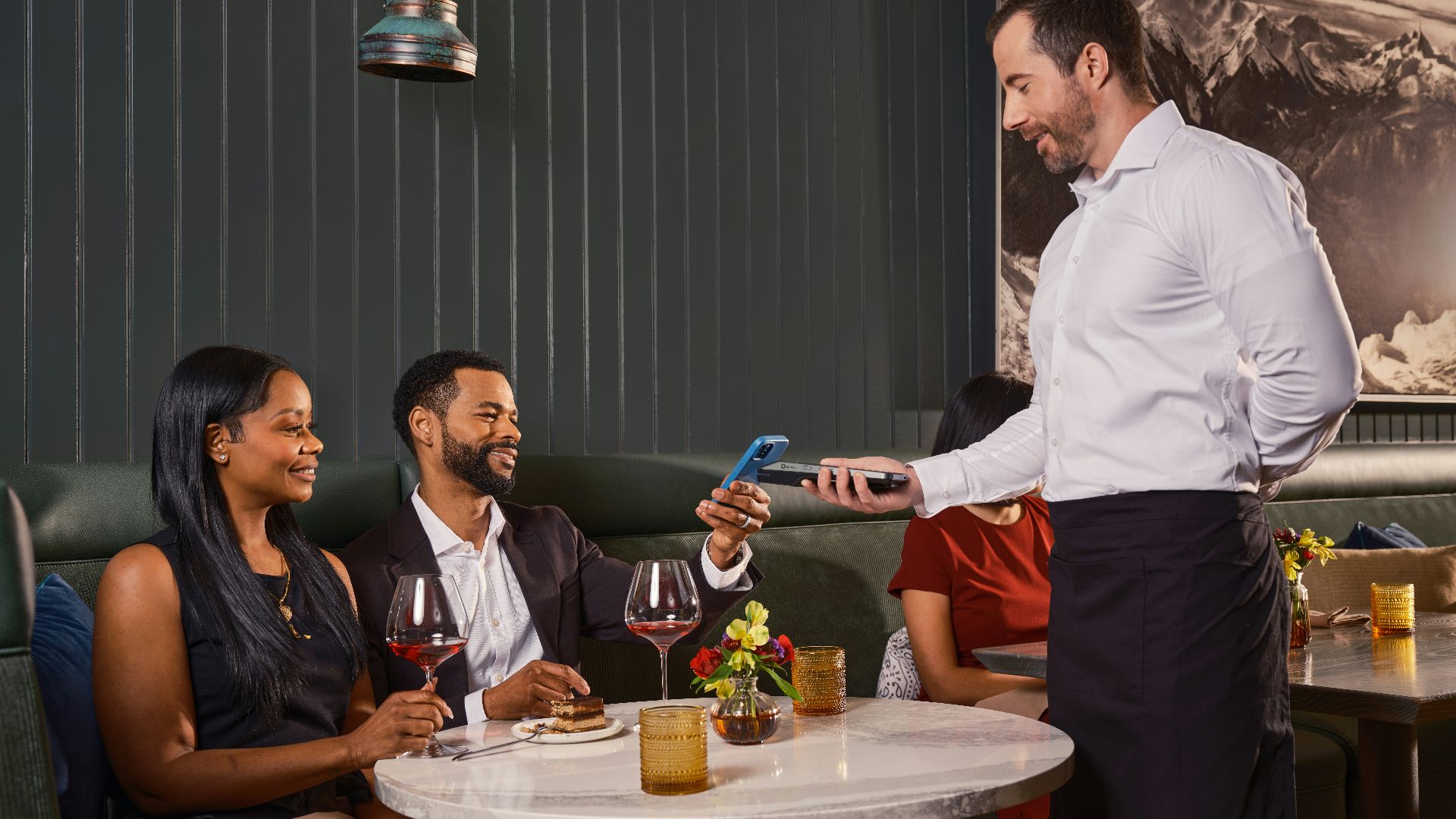
15. Splitting the Bill at Restaurants
When millennials go out with friends or family, splitting the bill is often considered the easiest and fairest option. Some boomers grew up with more traditional expectations about who should pay, particularly when someone extends an invitation or takes a younger relative out for dinner. Suggesting that everyone pay for their own meal can sometimes come across as ungenerous, depending on the situation.
16. Talking Openly About Mental Health
Millennials have helped make conversations about therapy, anxiety, burnout, and emotional well-being more common, even in workplaces and family settings. For some boomers who were taught to keep personal struggles private, these discussions can feel a little too intimate or inappropriate. Mentioning that you're taking a mental health day might therefore get a less sympathetic reaction than you were expecting.
 https://kaboompics.com/ on Pexels
17. Not Offering Their Seats to Older Adults
Although many millennials are happy to give up their seats for someone who needs them, they might not automatically stand just because another adult is older. Some boomers were raised to believe that offering your seat to an elder was a basic sign of respect, whether that person needed it or not. A boomer might see a younger adult staying seated on public transportation or at a crowded gathering as inconsiderate.

18. Posting Personal Family Matters Online
Sharing details about relationships, disagreements, and major life events on social media has become second nature for plenty of millennials. Boomers who prefer keeping family matters private, though, may consider these public disclosures embarrassing or inappropriate. For Millennials, it can be a source of comfort to share about the friction in their lives, but for Boomers who believe family problems should stay behind closed doors, it can feel like a major breach of trust.
19. Eating Before Everyone Has Been Served
At casual gatherings, millennials may not think twice about starting their meal as soon as their food arrives, especially when it's getting cold. Many boomers were brought up with stricter table manners that emphasized waiting until everyone had been served before eating. Taking your first bite before the host or an older relative starts their meal can therefore seem inconsiderate to them.

20. Not Visiting Their Parents Often Enough
Between busy jobs, relationships, and everyday responsibilities, many millennials prefer planning family visits around their schedules rather than sticking to a set routine. Some boomers place more importance on regular face-to-face visits and believe adult children should make time for their parents, no matter how hectic life gets. While a quick phone call or video chat might feel like enough to one generation, the other may see it as a disappointing replacement for spending time together.