Senior Habits
Getting older is accompanied by a myriad of stereotypes, both funny and frustrating, but some are in fact true. From oddball habits to daily activities, the elderly have a way of doing things that are characteristic of their age group. With that in mind, here are 20 old people stereotypes that you can’t quite argue with.

1. The Early Bird
The early bird catches the worm, as the saying goes. With that in mind, older people are stereotyped to be going to stores or appointments very early. It's joked that being up before the sun is a quirk of aging.

2. Aged References
Older individuals are often criticized for making pop culture references that younger coworkers do not know about. It makes them look old or behind the times. The stereotype plays on the generational difference in knowledge of current events and trends.
3. A Bigger Font
Older adults are often assumed to need extra-large fonts on their phones. This stereotype makes them appear out of touch with technology. The reality is that as you grow older, your eyesight may need some support through bigger font sizes.

4. Old People Sounds
Older adults are often made fun of for making involuntary noises while standing up or sitting down or just moving around. The groans, grunts, and cracks of joints moving are just a part of being older. It’s only a matter of time before everyone makes those noises.
 Katarzyna Grabowska on Unsplash
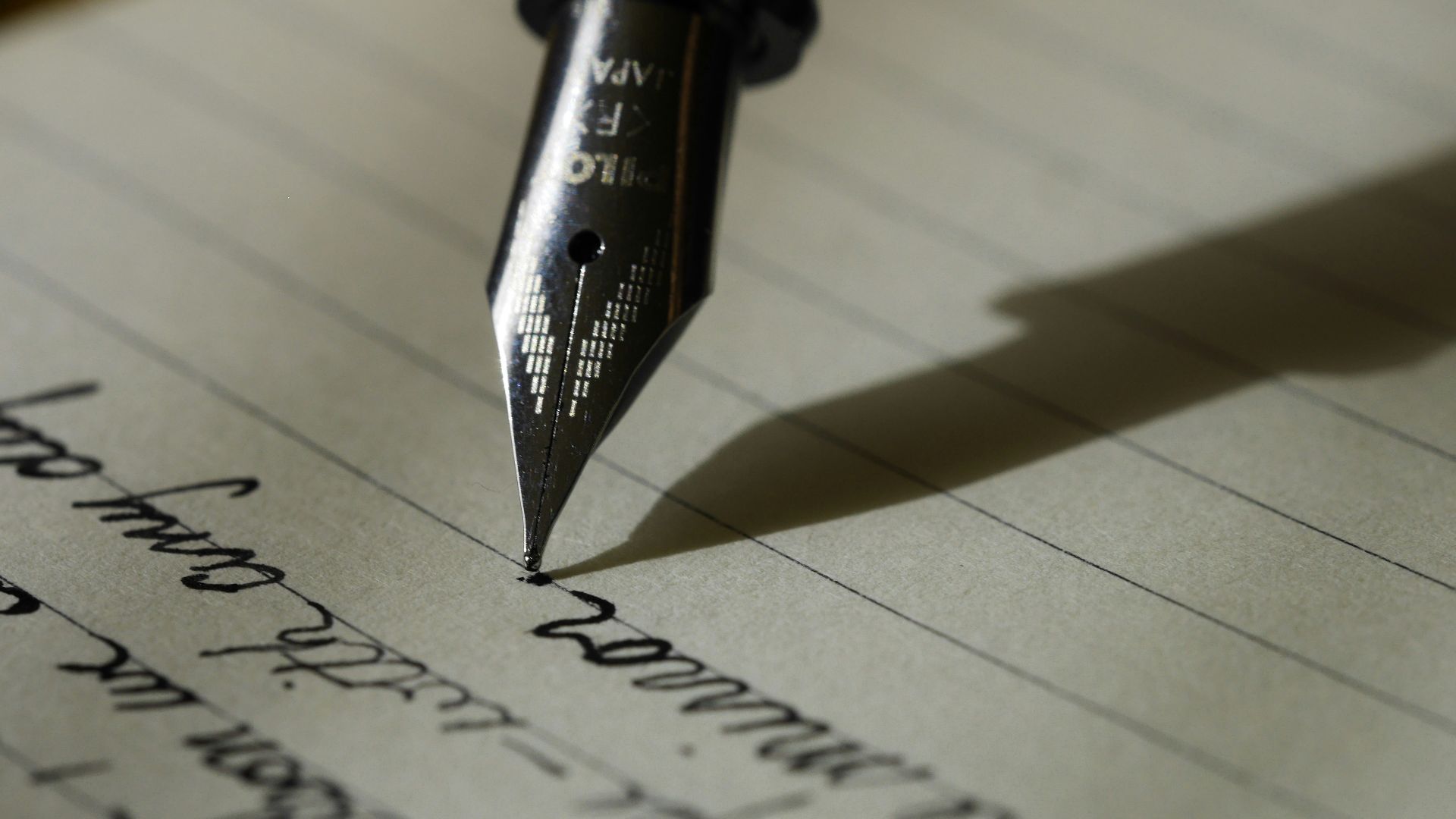
5. Writing Cursive
Old people have a reputation for writing in cursive, which the younger generations may not even know how to read. This might make them look dated, even if cursive was a normal part of their education. What some might consider old-fashioned is a very beautiful form of handwriting disappearing from daily life.
6. White Shoes
Older people wearing white New Balance walking shoes has become a stereotype. It comes across as unfashionable or "dad-like” at first. But in reality, the practicality and comfort of these shoes speak for themselves.

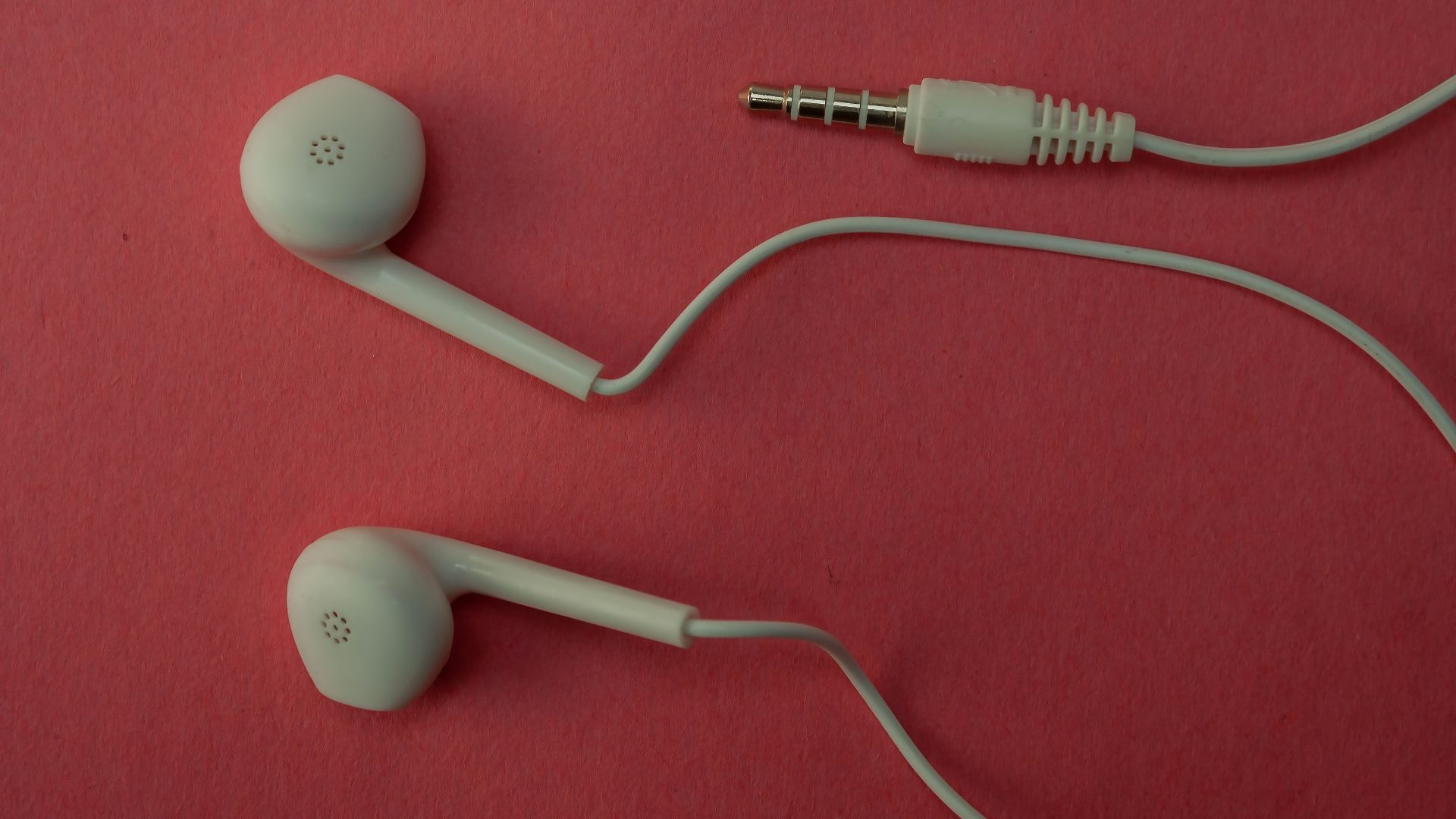
7. Wired Headphones
Many assume older people only listen with wired headphones and old electronic equipment. This perpetuates a negative stereotype that they cannot keep up with the times. However, wired devices are often more reliable, provide better sound quality, and are familiar for many people to prefer.
8. Hard of Hearing
Older adults can get a reputation for being hard of hearing, which leads others to believe they are inattentive or forgetful. This makes people hesitant to talk to them, and if they do, conversation can be awkward. In reality, hearing loss is natural and common as people age.

9. Double Spaces
Older people get criticized for double-spacing after periods. It's a relic from the typewriter days when it made the text easier to read. Younger generations view it as old-fashioned, or even a grammatical error, but it’s a holdover from a different writing standard.

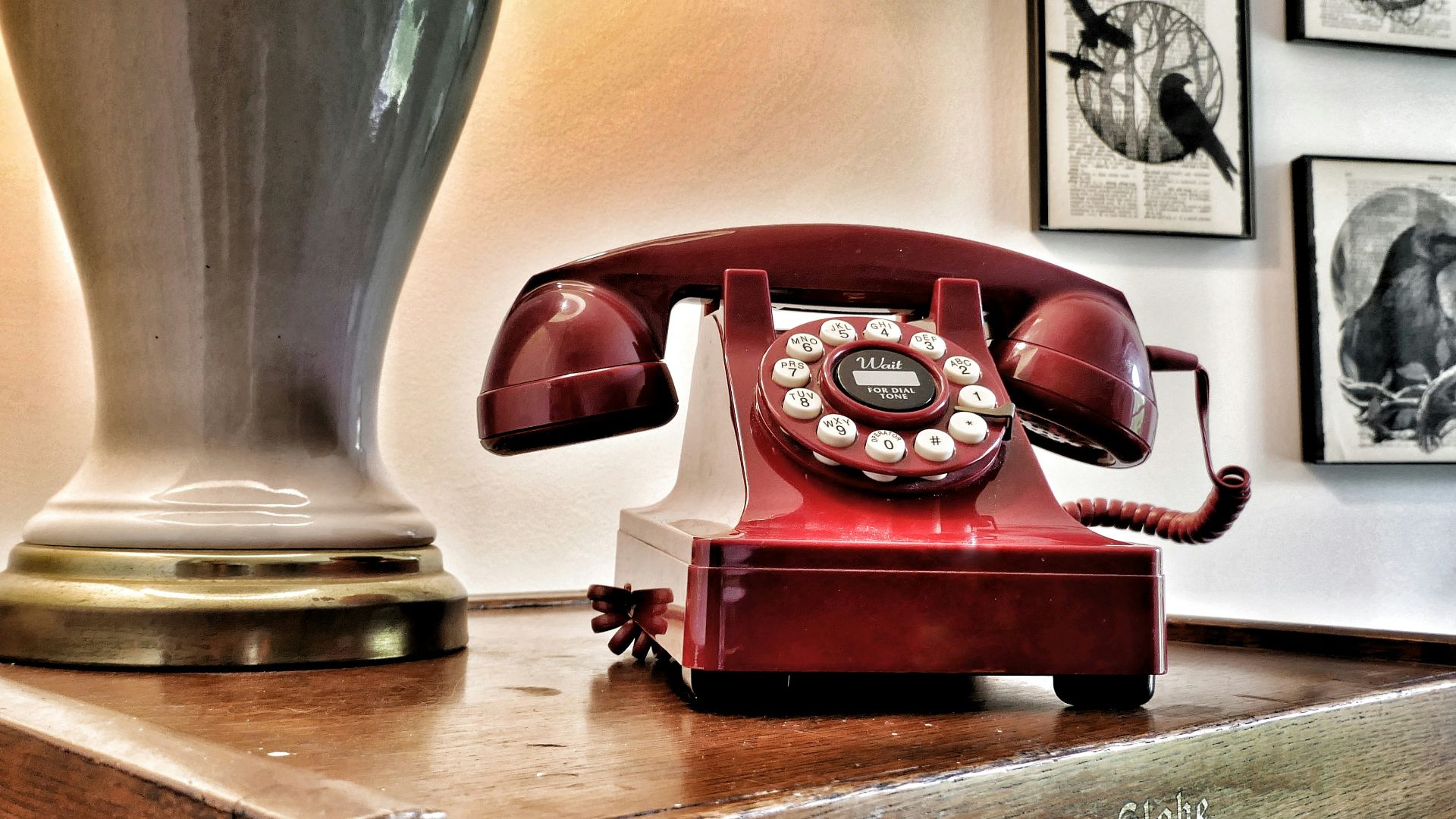
10. Landlines
For some reason, there's a stereotype that an old person uses a landline. People might call them out of date or unwilling to use technology. However, landlines can be more reliable, secure, and convenient in some situations.
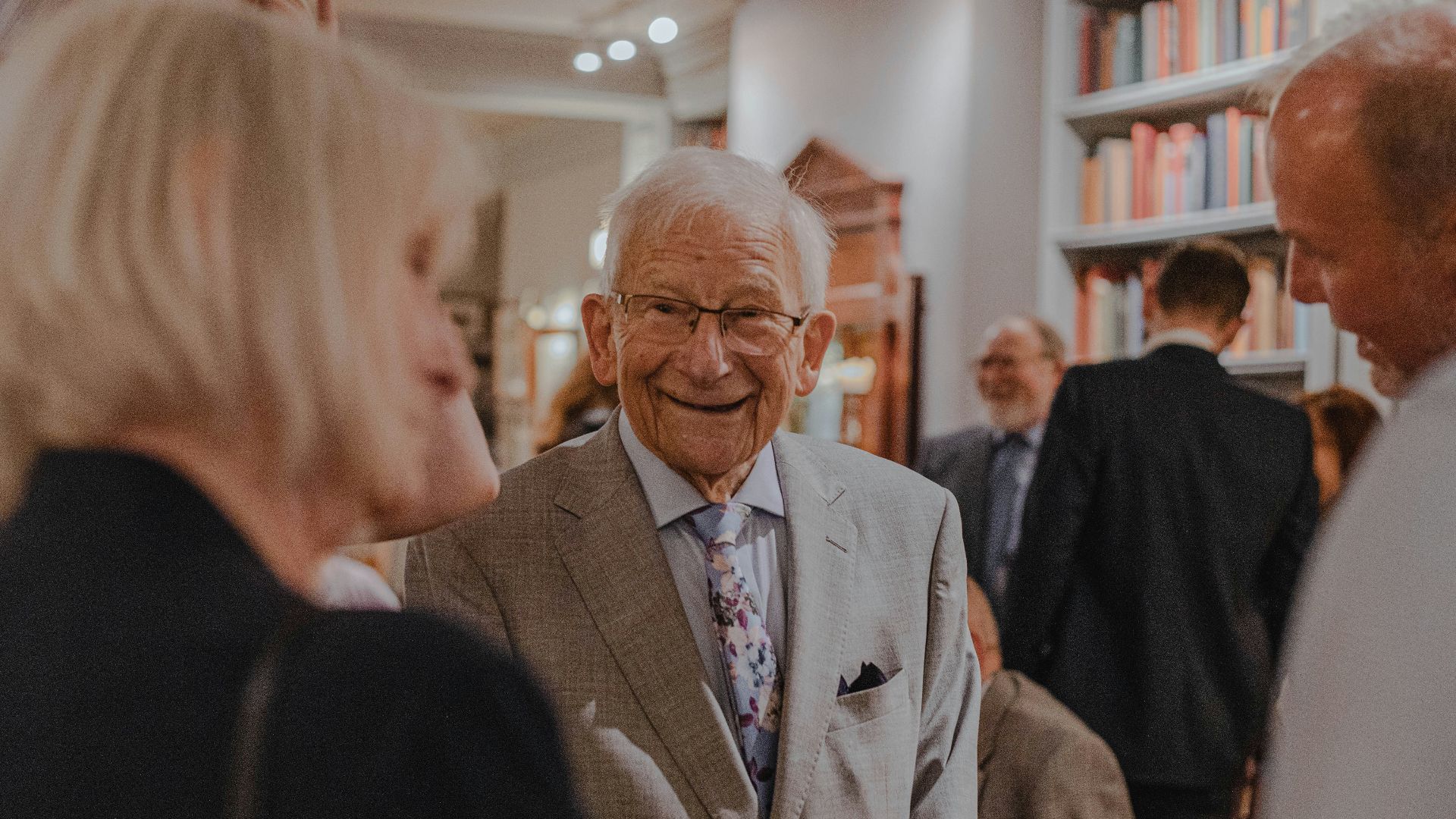
11. Getting Chatty
Older adults are often mocked for being over-friendly or even a chatterbox. Initiating a conversation with a stranger is often a faux pas for the younger generations. The label for it can range from being nosy to socially inept. However, in truth it’s a form of warmth, experience, and care to build relationships.

12. Driving Slow
Driving safely or "like a little old lady" is an often-joked-about stereotype of older people. It's often seen as excessively slow, timid, or annoying to other drivers. But hey, safety first!
 Hyundai Motor Group on Unsplash
13. Early Dinner
The stereotype of older people is that they eat dinner at an early hour and are in bed long before the evening crowd leaves their homes. Friends and family make fun of older people for turning down fun outings late at night. In reality, early meals and early bedtimes are much more suited to their energy level.

14. Carrying Cash
Older people get stereotyped for many things; one of them is that they always carry cash. Young people may see that as old-fashioned or just plain hoarding. The truth is, it’s practical, reliable, and allows them options when cards aren’t accepted.

15. Weather Alerts
Older adults get stereotyped for compulsively checking the weather app, as if their entire day hinges on the forecast. Some make jokes as if it shows an obsession with small details or lack of spontaneity. In reality, it’s just a practical habit for planning errands, outdoor activities, or even health needs.

16. CDs
A common stereotype of older adults is they are more likely to borrow CDs from the library. Borrowing CDs is often seen as a less modern, more outdated option. In fact, it can be a cost-effective, convenient, and high-quality way to listen to music without a subscription.

17. Birdwatching
Birdwatching has often been mocked as a sedate activity pursued by old folks with lots of free time on their hands. It's sometimes considered a boring or overly tame hobby compared to more vigorous activities. It actually takes patience, attention to detail, and a love of nature.

18. Pointless Details
Older adults are often mocked for adding extra or “pointless” details in their stories, like trying to remember everyone's names. It can seem like a judgment to younger listeners that the older adult is long-winded or forgetful. In fact, they are just trying to be thorough, accurate, and considerate, even if it slows down the telling.
19. Up by the Bootstraps
It may be that older people believe that getting a job is easy. This may seem like they are out of touch or naive, based on the current economy and job market. However, they still have plenty of wisdom to give that people should pay attention to.

20. Slang
Old people trying to use millennials' slang are stereotyped as unhip. Some may even mock them for trying too hard. In truth, it's typically an earnest attempt at cross-generational connection gone awry.