
Your Career Might Be At Risk
Some careers still look perfectly stable from the outside, even while the industry behind them is changing rapidly. Automation, artificial intelligence, shrinking demand, consolidation, outsourcing, and shifting consumer habits are putting pressure on jobs that once seemed like reliable long-term choices. That doesn't mean every position in these fields is disappearing tomorrow, but if you're choosing a career, it’s worth knowing which industries are facing serious disruption before you commit years of your life to them.

1. Print Publishing
Print publishers have been struggling with falling physical sales, higher production costs, and evolving reading habits for decades. Competition from digital publications is taking an ever-increasing market share, while self-publishing authors and online platforms are disrupting reader discovery and purchasing habits. Jobs tied specifically to printing, physical distribution, and traditional publishing operations are particularly exposed as companies look for cheaper ways to produce and distribute content.

2. Newspaper Journalism
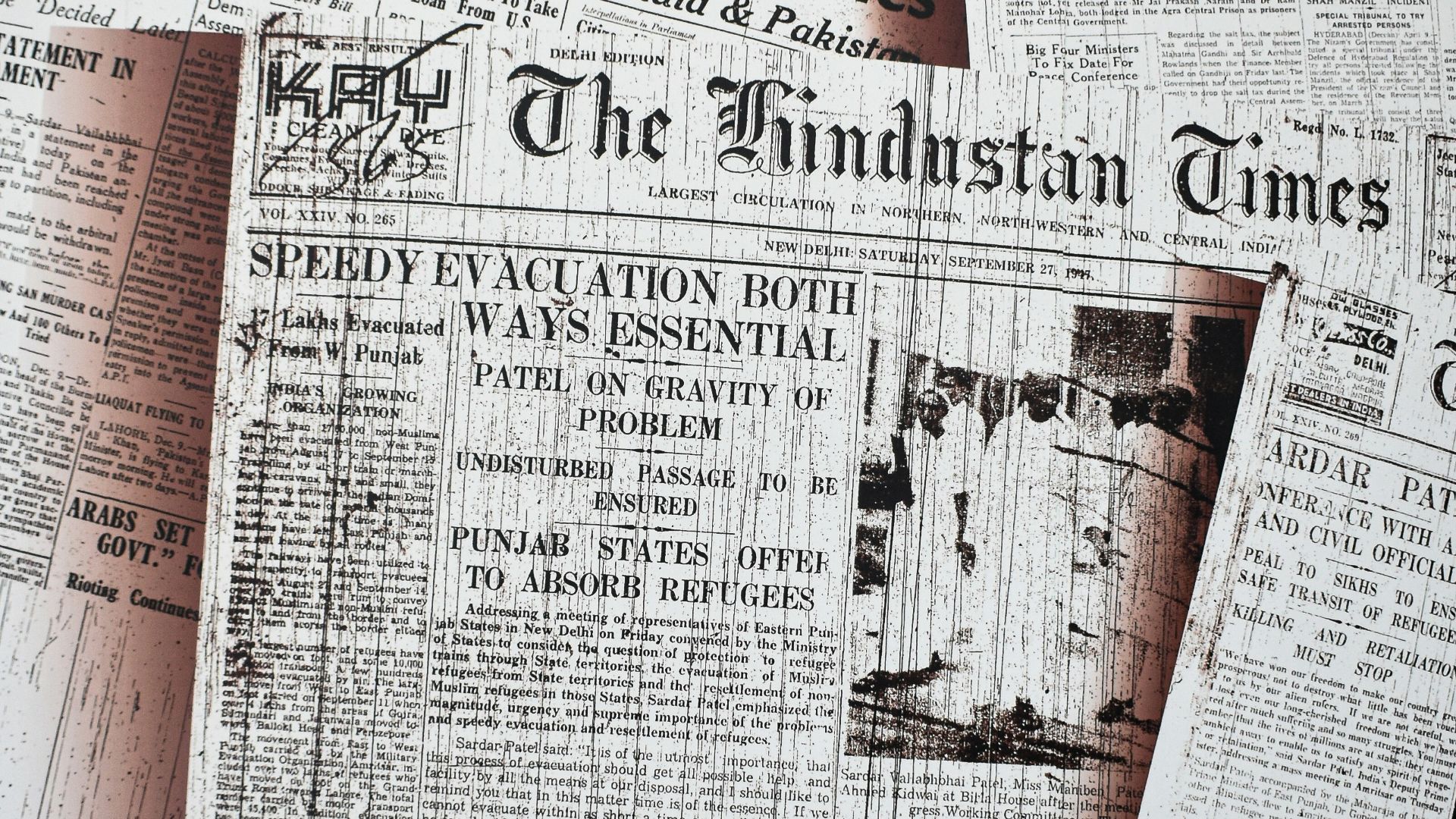
Local newspapers have been hemorrhaging advertising dollars as readers and advertisers have moved online. Publications have reacted with layoffs, decreased coverage, consolidation, and trimmed print runs. Journalists have been forced to cover wider geographic areas.
3. Retail Cashiering
Cashiers are being threatened by self-checkout kiosks, mobile payments, and automated retail models. Businesses have every incentive to eliminate employees from routine customer transactions, especially if labor costs increase. Cashiers who get into retail should consider customer service and specialty positions as longer-term career alternatives.

4. Basic Data Entry
Data entry jobs have never exactly been glamorous because they largely revolve around repetitive computer-based tasks. Data entry specifically employs some of the lowest-risk job positions for automation. A career built entirely around manually entering straightforward information doesn't offer the same security it once did.

5. Travel Agencies
Planning trips, booking flights, hotels, rental cars, and vacation packages can be handled easily by anyone with internet access. Online travel sites give customers the ability to price compare and reserve travel services without stepping foot in an agency. Travel professionals who specialize in complicated itineraries, luxury travel, or unusual destinations have a stronger reason to stick around than those handling basic reservations.

6. Telemarketing
Nobody likes telemarketers, but the industry faces threats beyond annoyed customers. Automated dialing technology, artificial intelligence, and advanced digital advertising channels are reducing the need for manual outbound phone queues. Human telemarketers are increasingly being pushed toward more specialized sales work where conversation and persuasion actually require a person.

7. Traditional Photo Processing
Drop-off photo processing is already something of a novelty. Smartphones and digital cameras have popularized digital photo dumps and sharing. Online services have replaced much of the photo-processing workflow that was once done in physical retail locations.

8. Commercial Printing
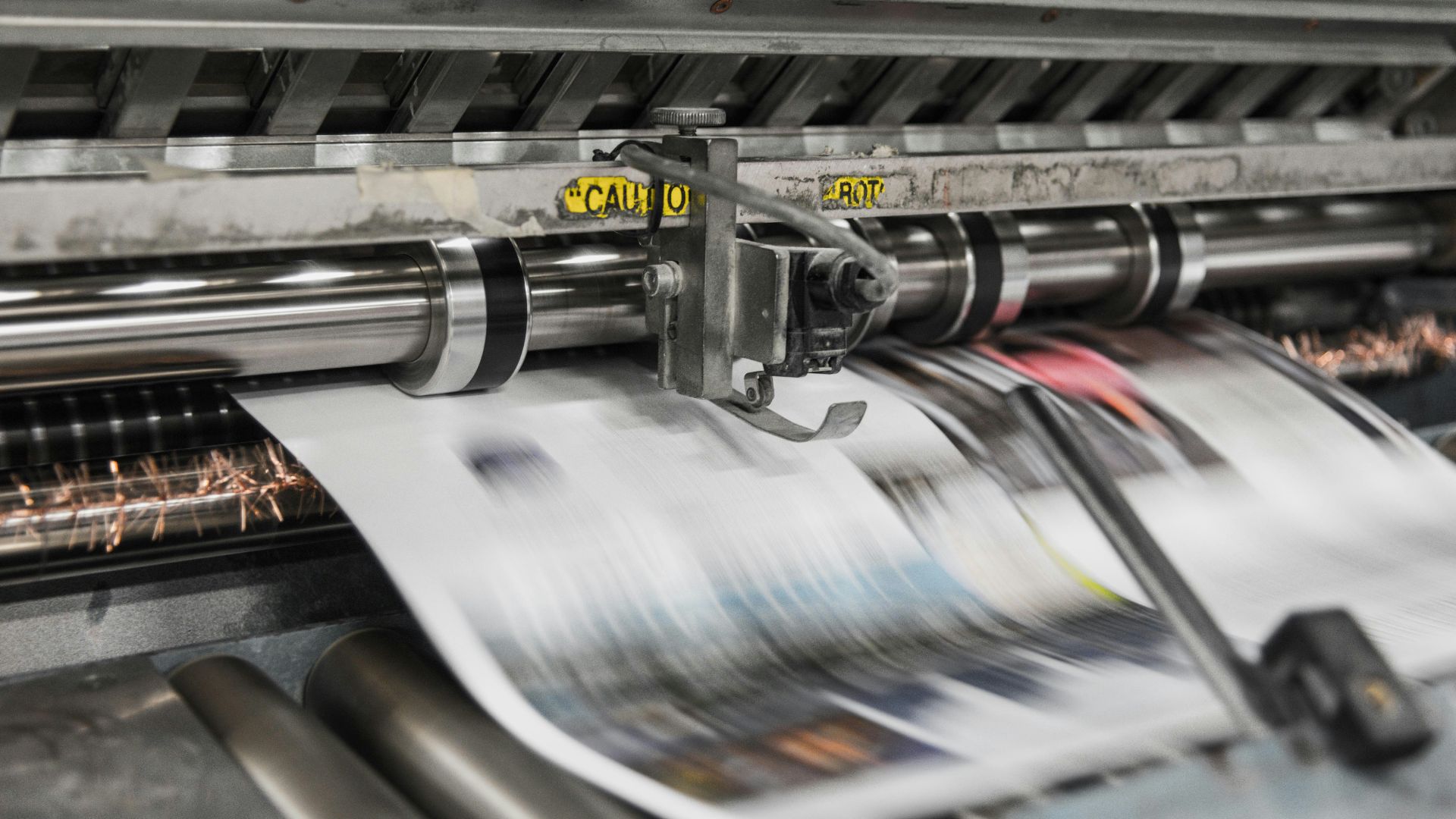
Commercial printers have to compete with more than just the other guy down the street. They now compete with widespread consumer expectations that information should be digital, instantaneous, and cheap. More businesses are scanning, distributing, and storing documents, advertisements, forms, books, and promotional products electronically.
9. Bank Branch Services
Customers are making more transactions online and through mobile banking apps. Deposits, transfers, payments, loan applications, and account management all happen at an increasing rate without people stepping into a bank branch. Employees who provide financial advice or handle complex customer needs have more protection than positions centered on routine transactions.

10. Basic Accounting Services
Software is now able to automate many of the most repetitive accounting functions. Programs can handle routine number crunching, account reconciliation, invoicing, payroll processing, and even bookkeeping. Accountants who develop expertise in tax strategy, auditing, financial analysis, or business advising have a much stronger position than workers whose responsibilities consist mainly of repetitive bookkeeping.

11. Insurance Claims Processing
Insurance companies want to process claims quickly while minimizing overhead costs. Document processing, image recognition, fraud screening, and artificial intelligence are automating work that once required legions of staff. Claims involving unusual circumstances still require human judgment, but routine cases are increasingly attractive targets for automation.

12. Mortgage Processing
The mortgage application process still involves mountains of paperwork, but that paper doesn’t necessarily need to be touched by a human being. Financial institutions have been implementing support systems to automate document collection, verification, underwriting guidelines, and risk assessment. Mortgage professionals who build relationships with borrowers and understand complicated financial situations have more room to adapt than workers performing repetitive administrative tasks.

13. Warehouse Picking
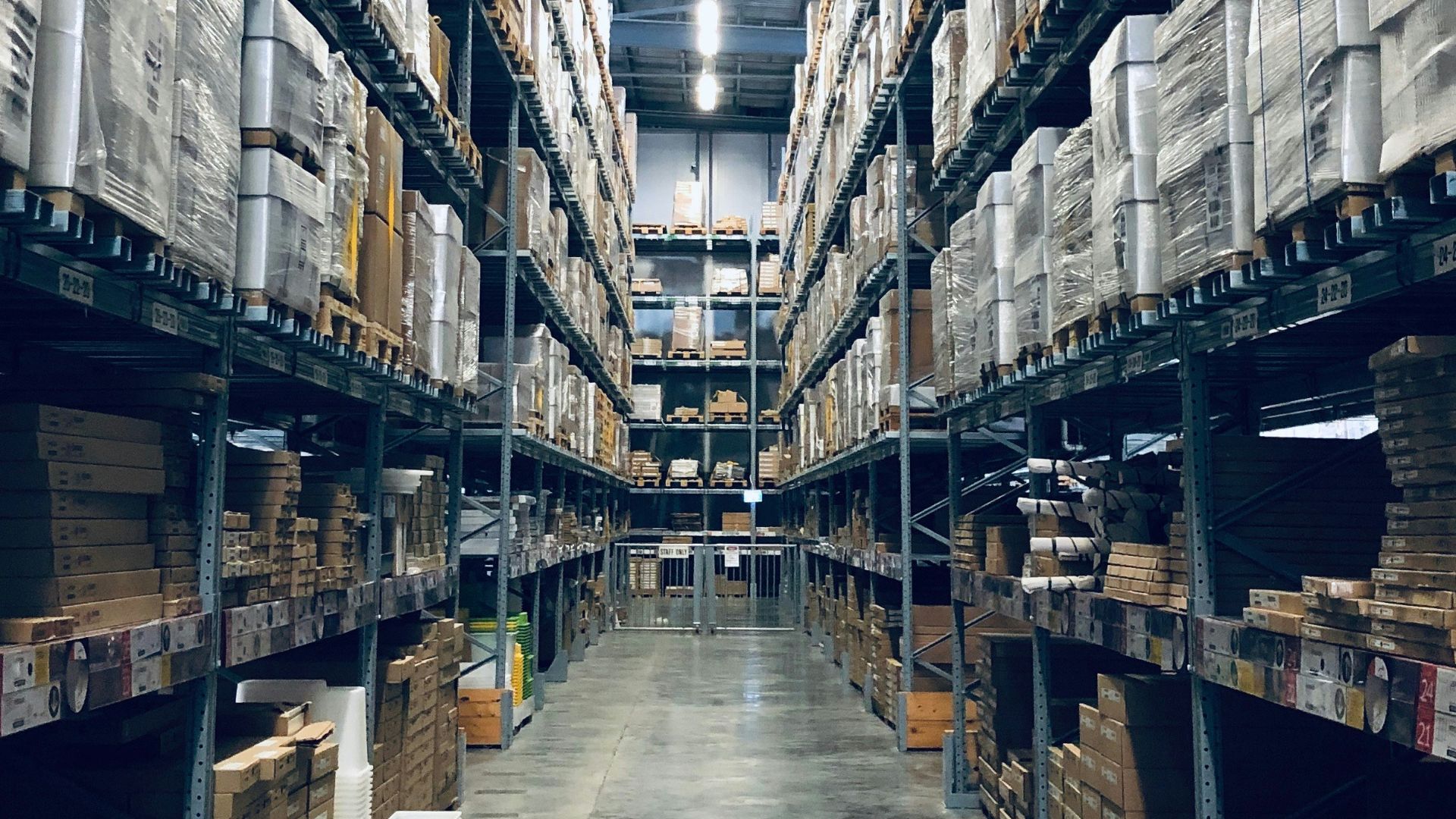
Increasing warehouse automation is only natural as businesses compete for faster fulfillment at lower costs. Robots, automated storage and retrieval systems, conveyor systems, and inventory management software are removing jobs that used to consist of employees walking around picking products.
 Ruchindra Gunasekara on Unsplash
14. Basic Customer Support
Customer support is becoming a prime battlefield for AI deployments. Chatbots and routing software are increasingly taking over mundane support tasks like password resets, order tracking, appointment management, refunds, and other common queries without ever notifying a human employee. Support jobs aren’t going away, but entry-level positions are.
 Cytonn Photography on Unsplash
15. Fast-Food Order Taking
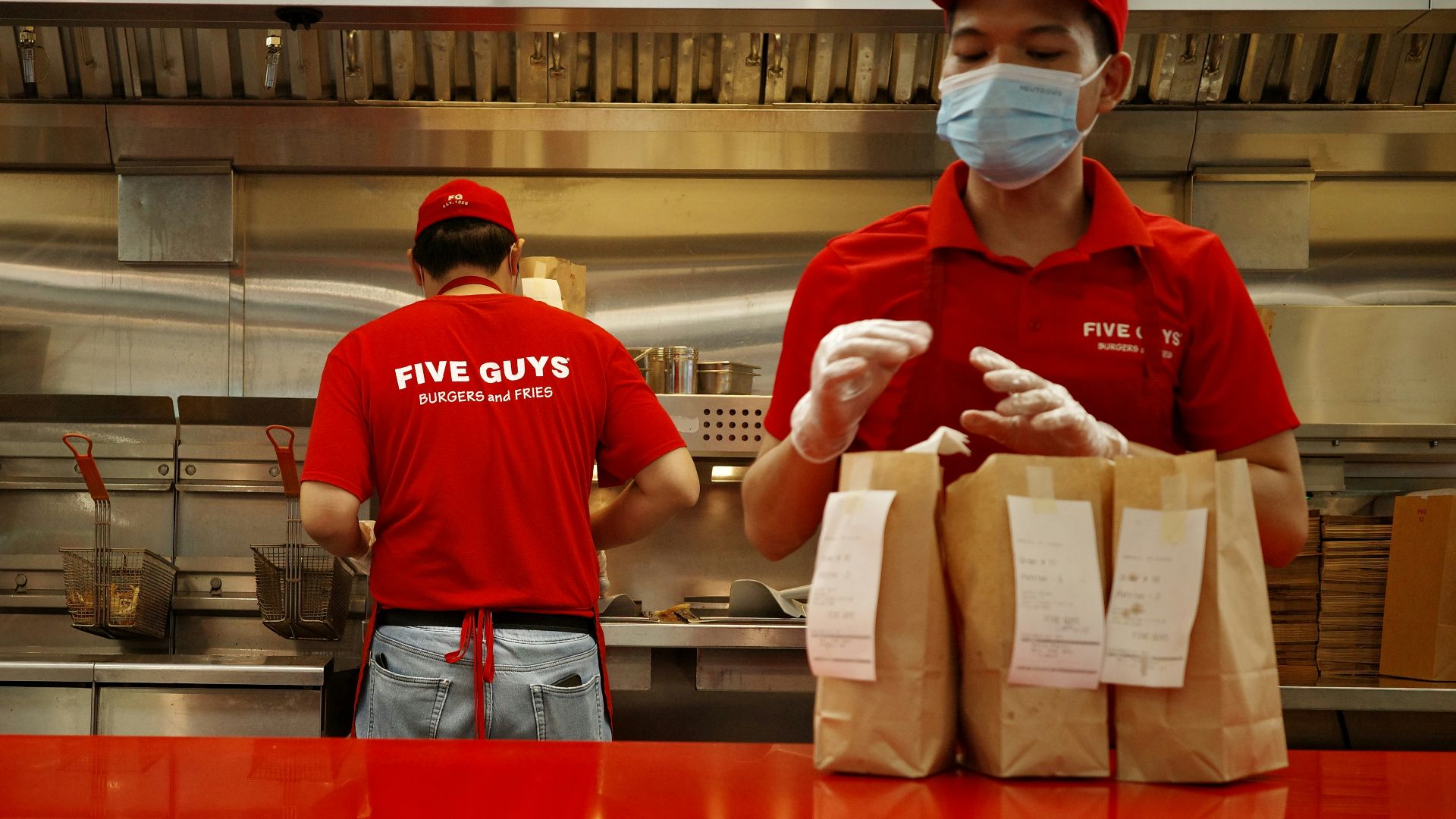
Pointing at pictures and pushing buttons to order food has been replaced by ordering food while pointing at pictures on a screen. Restaurants are implementing kiosk ordering systems, mobile app payments, and even completely automated food ordering systems. Meal preparation may never be fully automated, but few jobs are safe when your primary responsibility is taking basic orders.
16. Taxi Services
Taxi companies have seen their markets disrupted by rideshare apps, customer expectations, and new app-based transportation options. Riders can now expect to hail a vehicle from their phone, see it tracked live on a map, receive fare estimates, and pay without touching cash or a receipt.

17. Video Rental Services
Thankfully, you still have a few years to work at Redbox before the inevitable happens. Physical video rental shops are yet another industry that struggled to evolve with technological advances. The remaining physical rental market is largely specialized or nostalgic, which isn't enough to support the enormous workforce the industry once employed.

18. Secretarial Services
Cloud-based software, scheduling programs, automated transcription services, intelligent personal assistants, and collaborative office tools are replacing old administrative workloads. Tasks that once required junior staff to assist executives or manage an office are now being done remotely or autonomously.

19. Routine Legal Support
Lawyers will always need other lawyers, but even legal support work is becoming automated. Document review software can scan huge volumes of information across multiple files, identify key terms, organize case materials, and prepare standardized documents far quicker than humans working alone.
 Tingey Injury Law Firm on Unsplash
20. Basic Graphic Design
Graphic designers are still in business, but opportunities for churned-out stock graphic work are on the decline. Design programs, template tools, AI-powered design assistants, and automated workflows are making it easier than ever to produce enticing visuals. Logo creation, ad banners, social graphics, presentations, and other rote designs are all being performed by AI.