Benefits And Strategies
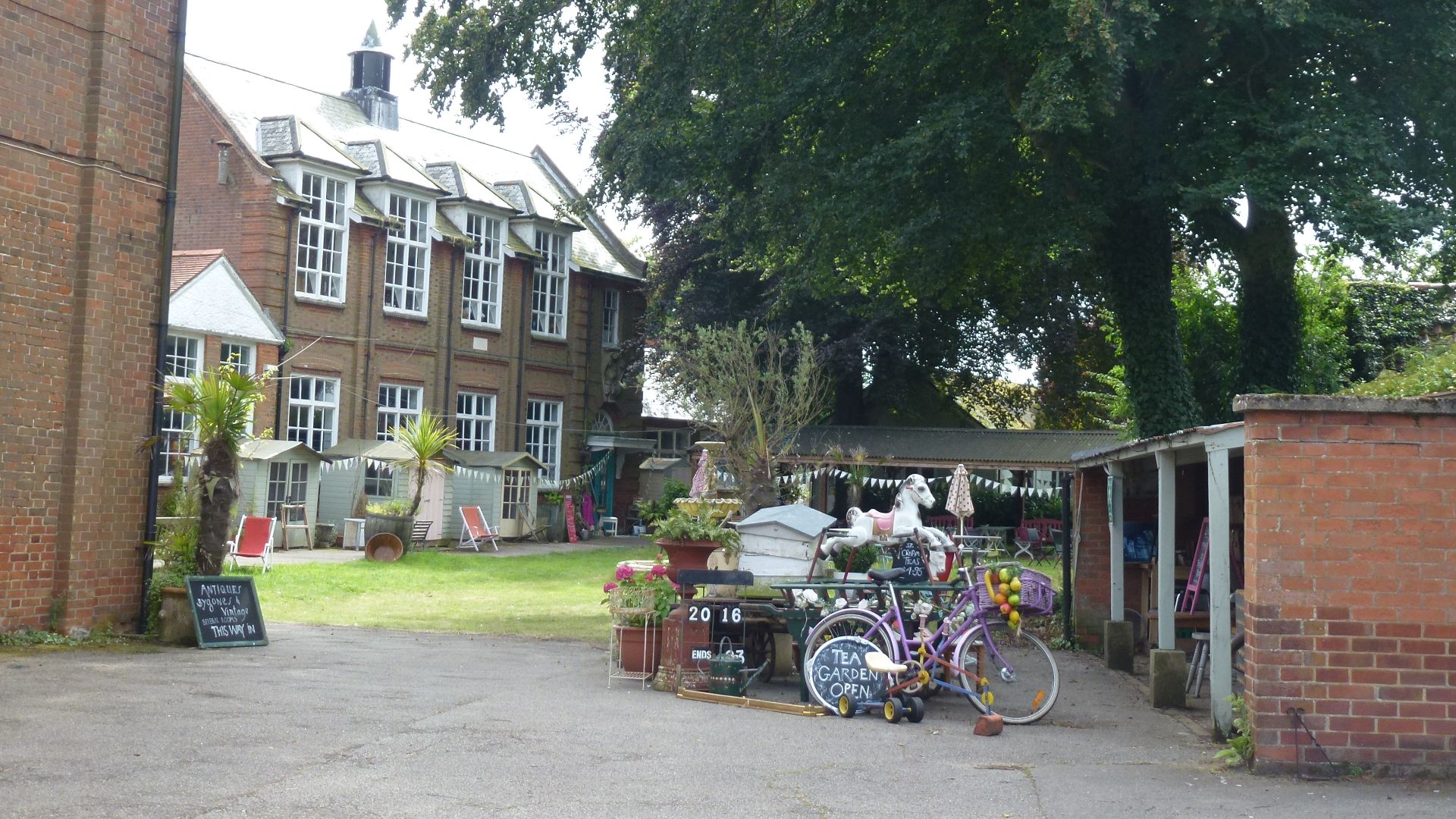
The joy isn’t just in finding things—it’s in learning, connecting with passionate collectors, and turning ordinary spaces into something with stories and personality. Antique hunting has a way of pulling you in. You never know what’s around the corner: a piece of furniture with secrets or a tiny object that sparks imagination. So, to begin with, let’s look at 10 good reasons to consider antique shopping.
1. Authentic History
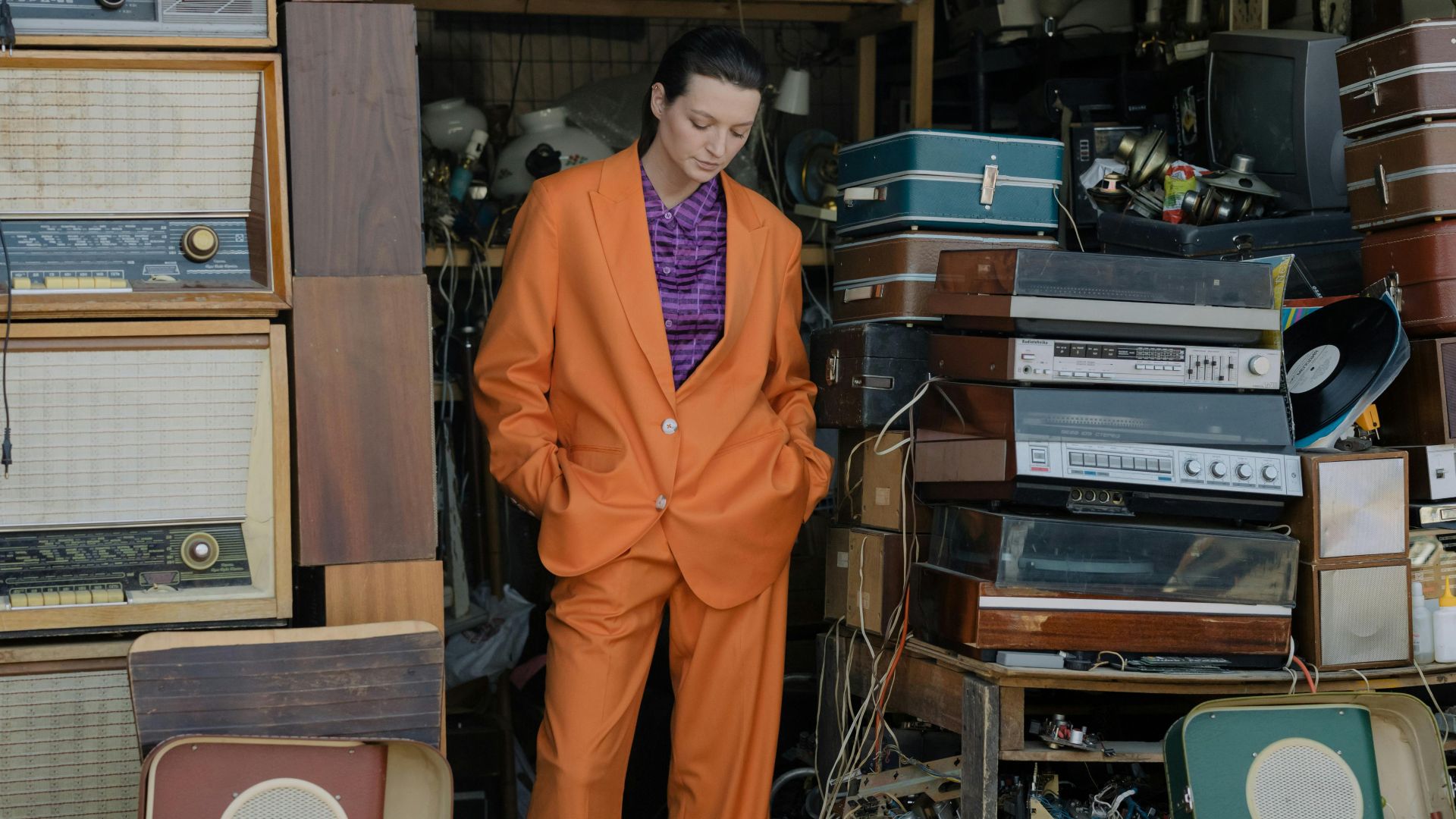
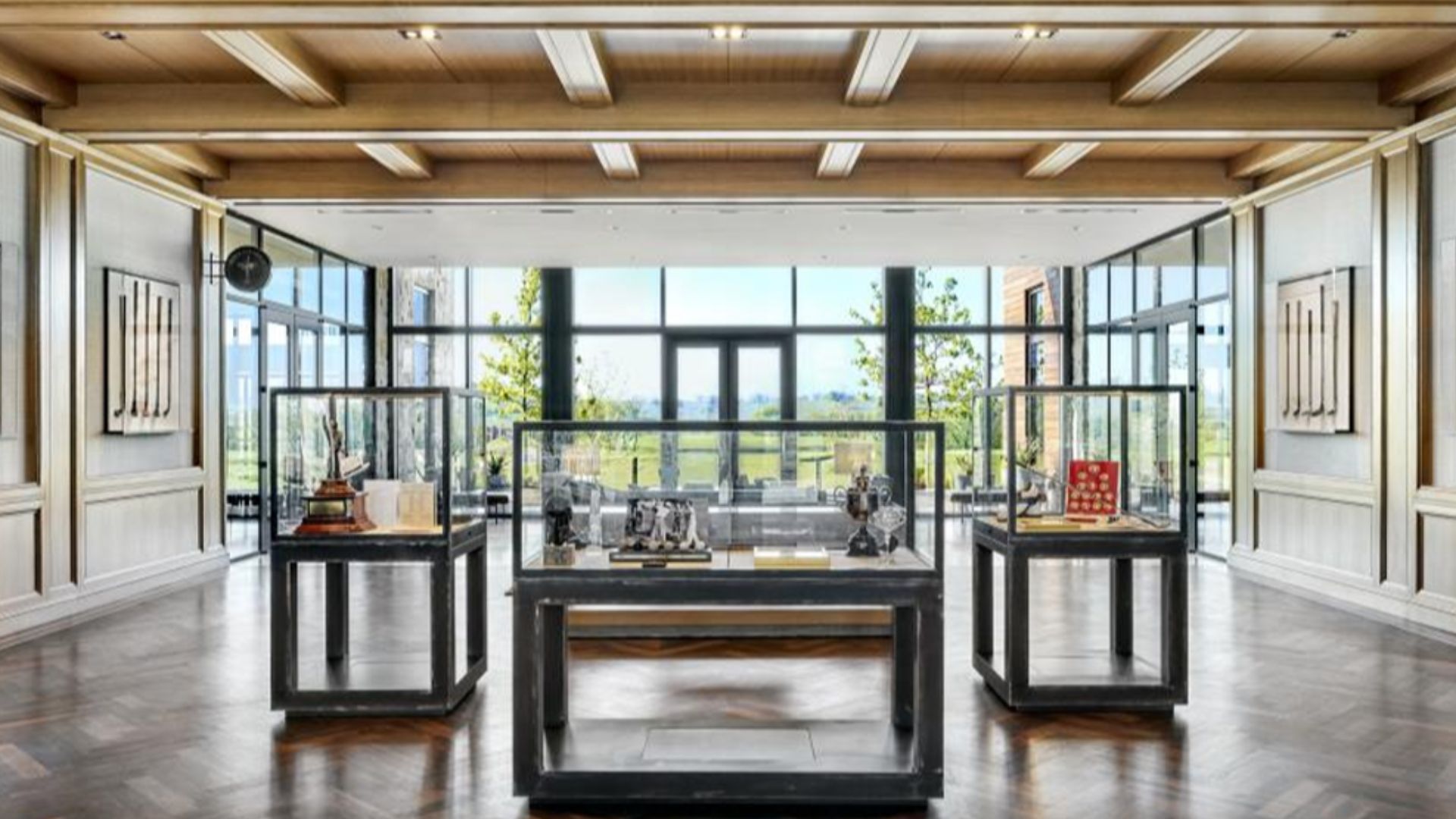
Museums actively hunt private antique collectors, regularly acquiring pieces for their permanent collections. This fact alone proves you're not just buying furniture or decorations—you're becoming a custodian of history. Each Victorian chair or wartime memorabilia carries provenance and meaningful stories.
2. Sustainable Shopping
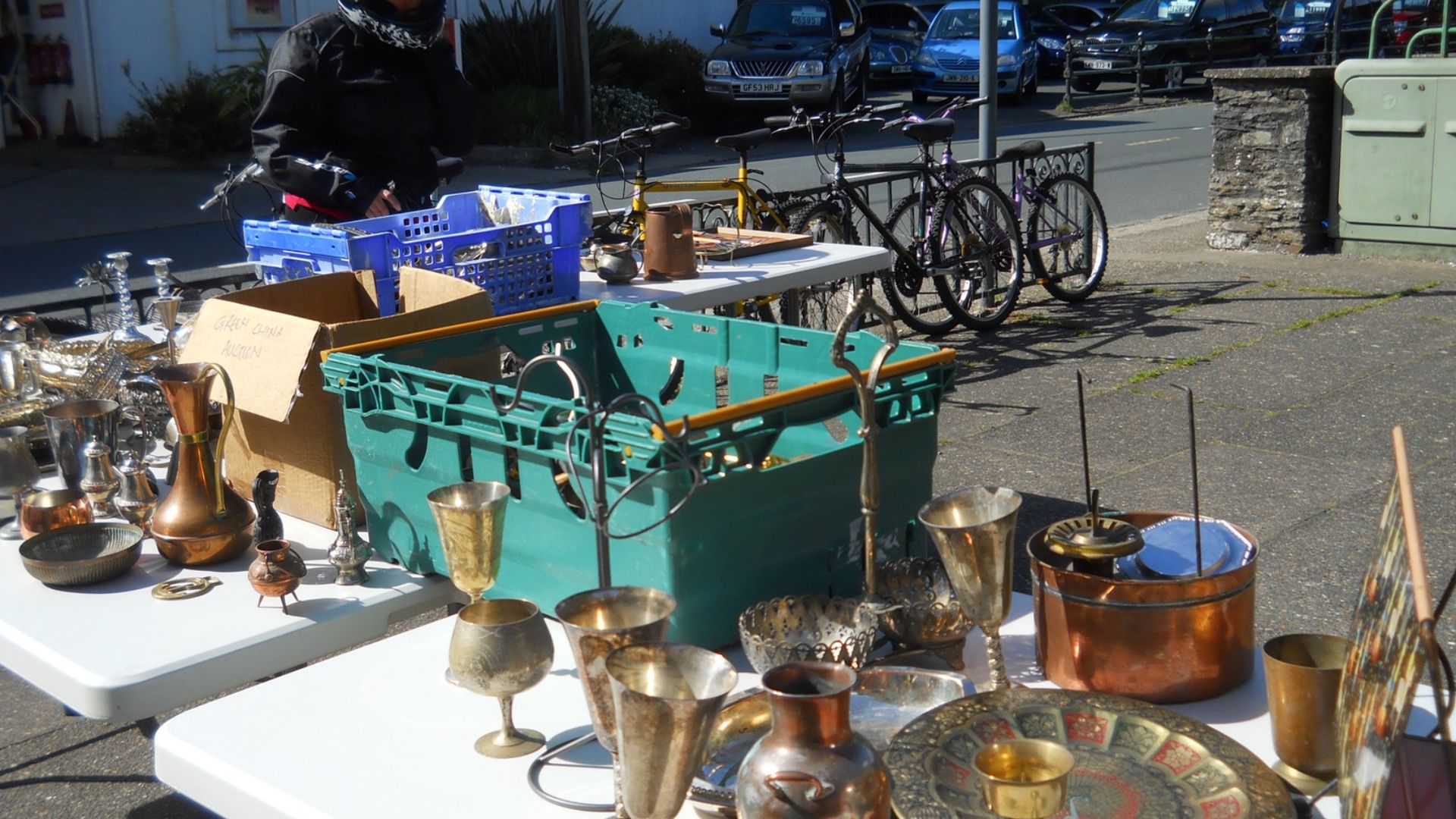
Your grandmother's dining table has already survived decades, maybe even a century. That durability record beats any modern furniture guarantee hands down. Refinishing old furniture requires significantly less energy than manufacturing new pieces, while simultaneously preventing functional items from entering landfills.
3. Investment Potential
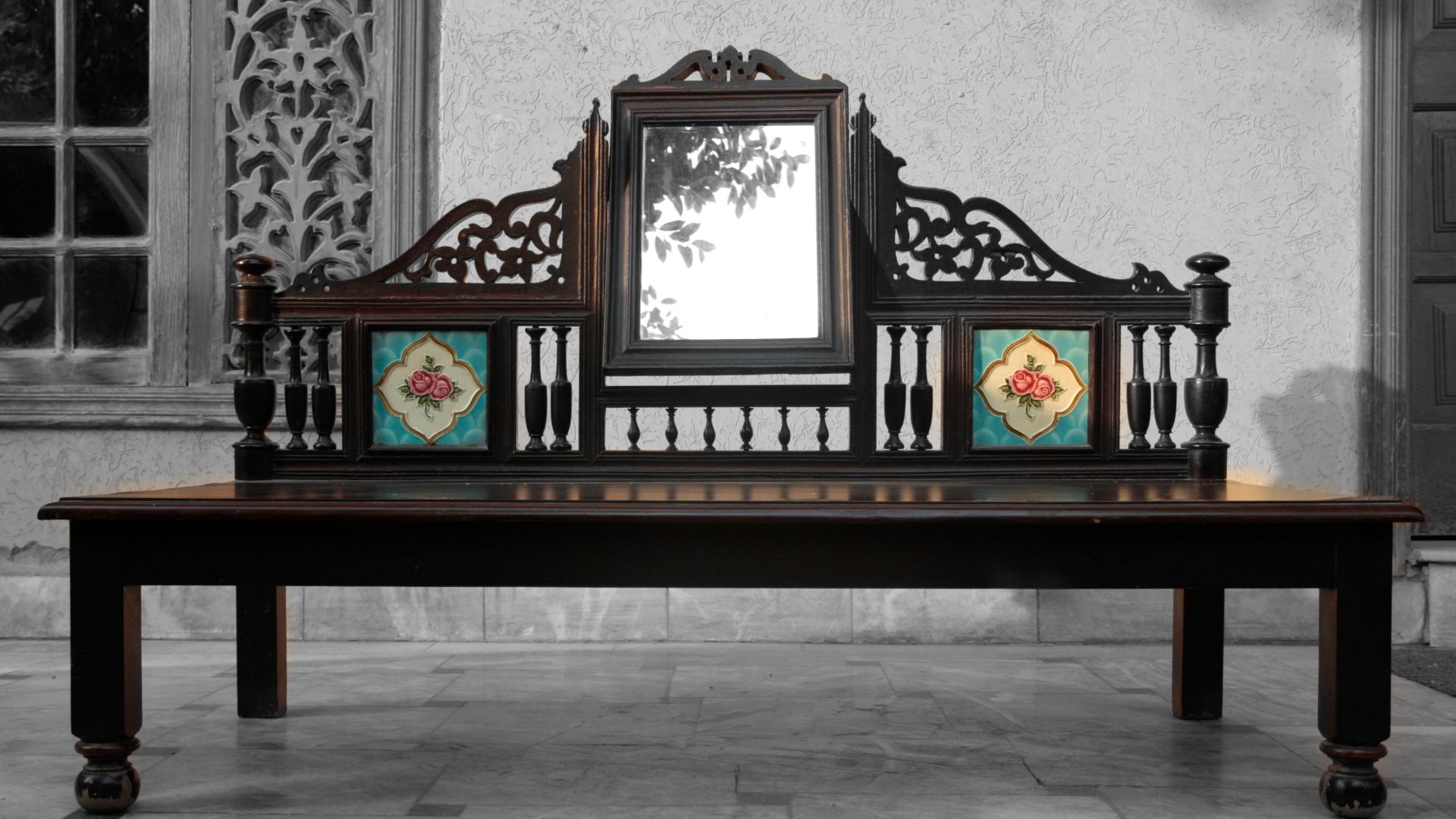
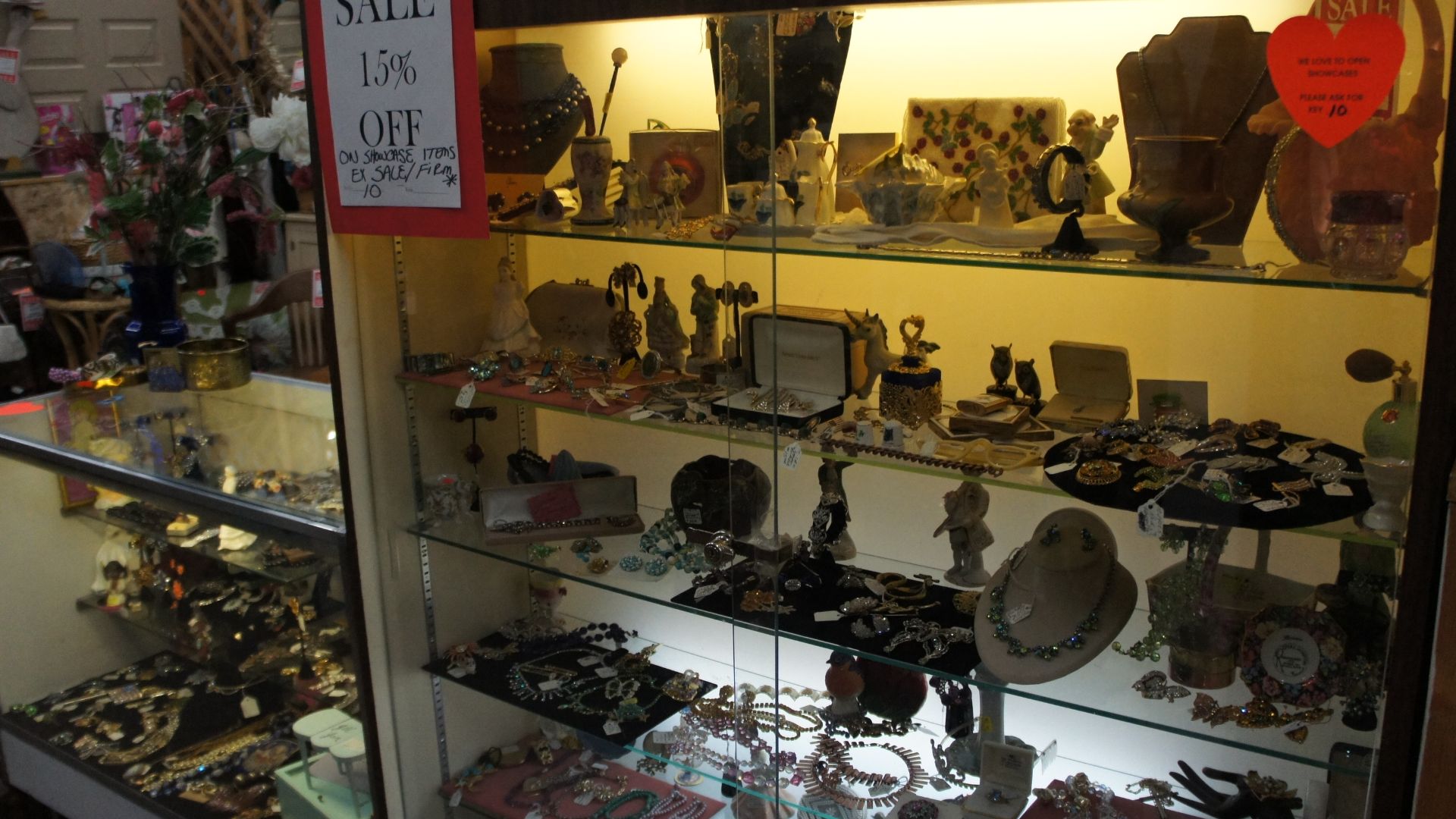
Investment-grade antiques have doubled, tripled, or even quadrupled in price over the last 10 to 15 years, equating to annualized appreciation rates anywhere from 4.73% to 14.87%. Financial advisers emphasize antiques as an alternative asset class for portfolio diversification.
 tales of a wandering youkai from Englewood, CO, US on Wikimedia
4. Unique Home Decor
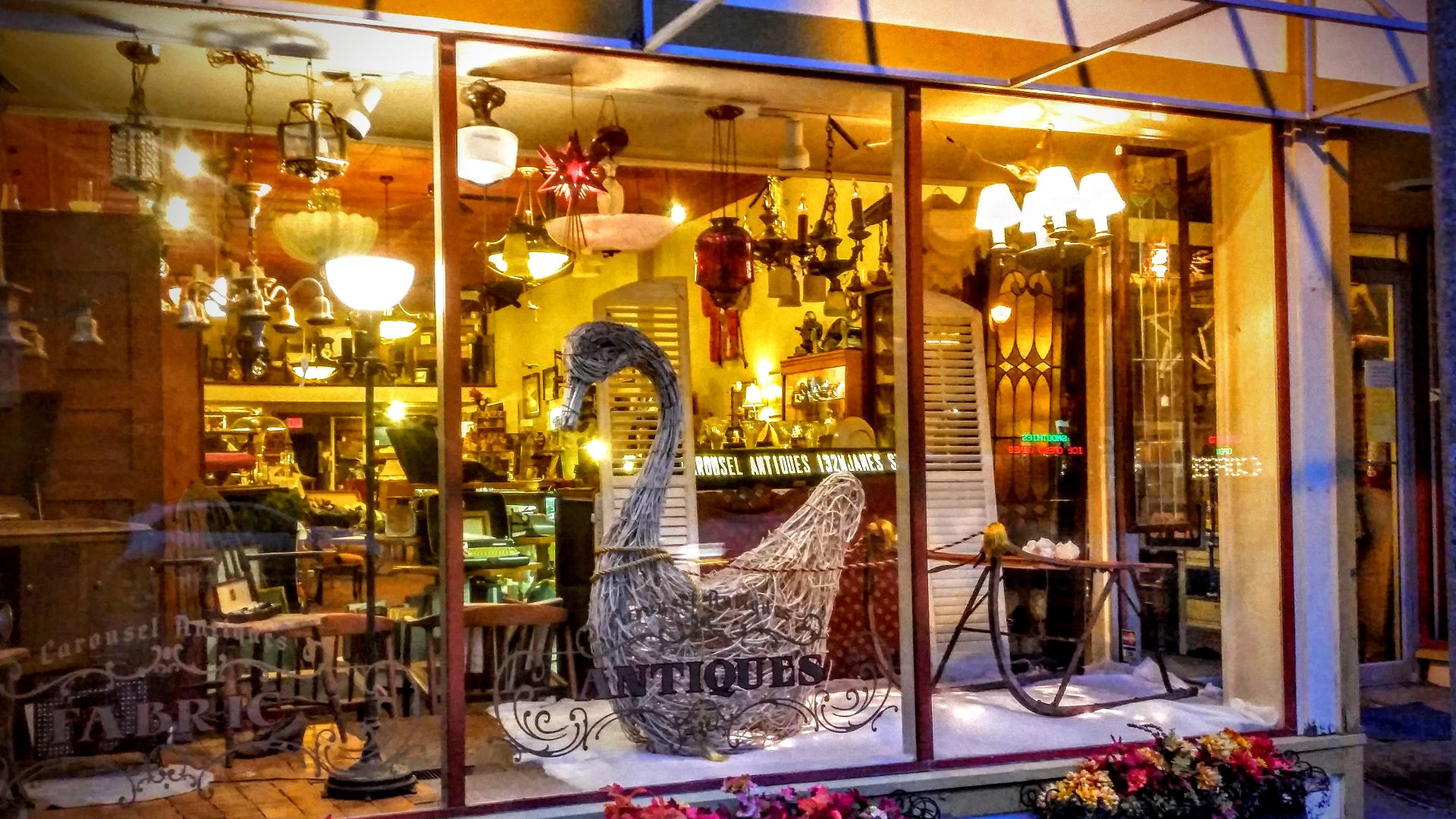
Social media influencers increasingly showcase vintage finds specifically to stand out from cookie-cutter home decor trends flooding their feeds. Nowadays, interior designers charge premium rates for sourcing authentic vintage pieces because they guarantee something no furniture showroom can deliver.
5. Expertise Building
Understanding pottery glazes, wood species identification, and metalwork techniques demands years of hands-on learning that creates genuine expertise. This specialized knowledge transfers easily to related fields like art history, archaeology, and material science. Collectors naturally evolve into experts on manufacturing techniques.
6. Fascinating Stories
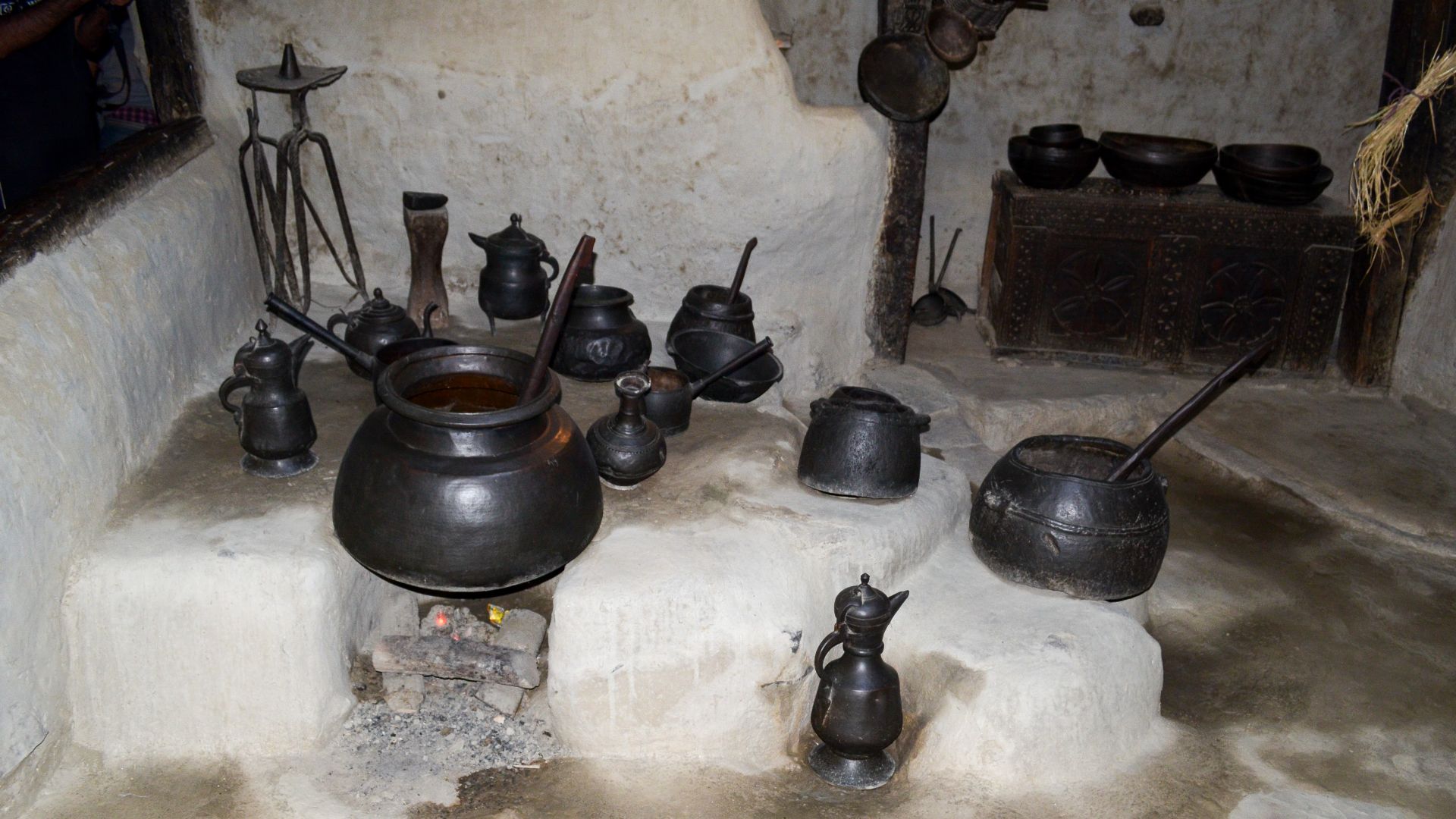
Trade publications meticulously document design evolution across decades, creating historical roadmaps. When family heirlooms surface at estate sales, they carry multi-generational stories that reveal intimate glimpses into past lives. At the same time, antique dealers often possess detailed knowledge about previous owners.
7. Hunting Thrills
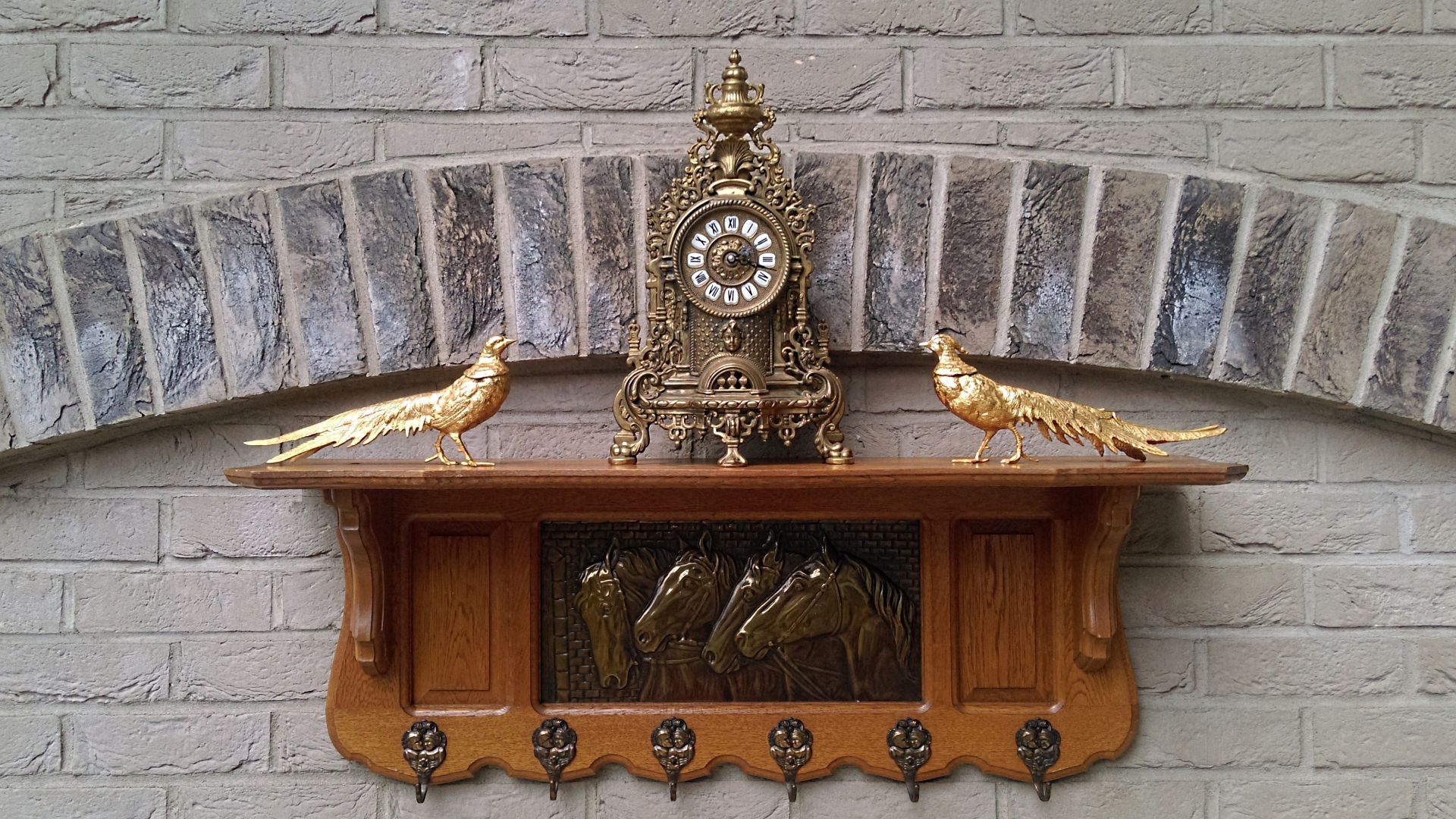
Many professional pickers describe antique hunting as their primary source of job satisfaction due to the discovery element. Competition with other collectors injects genuine adrenaline into what might otherwise be routine shopping experiences. Successful antique finding can also trigger dopamine release.
8. Community Connections
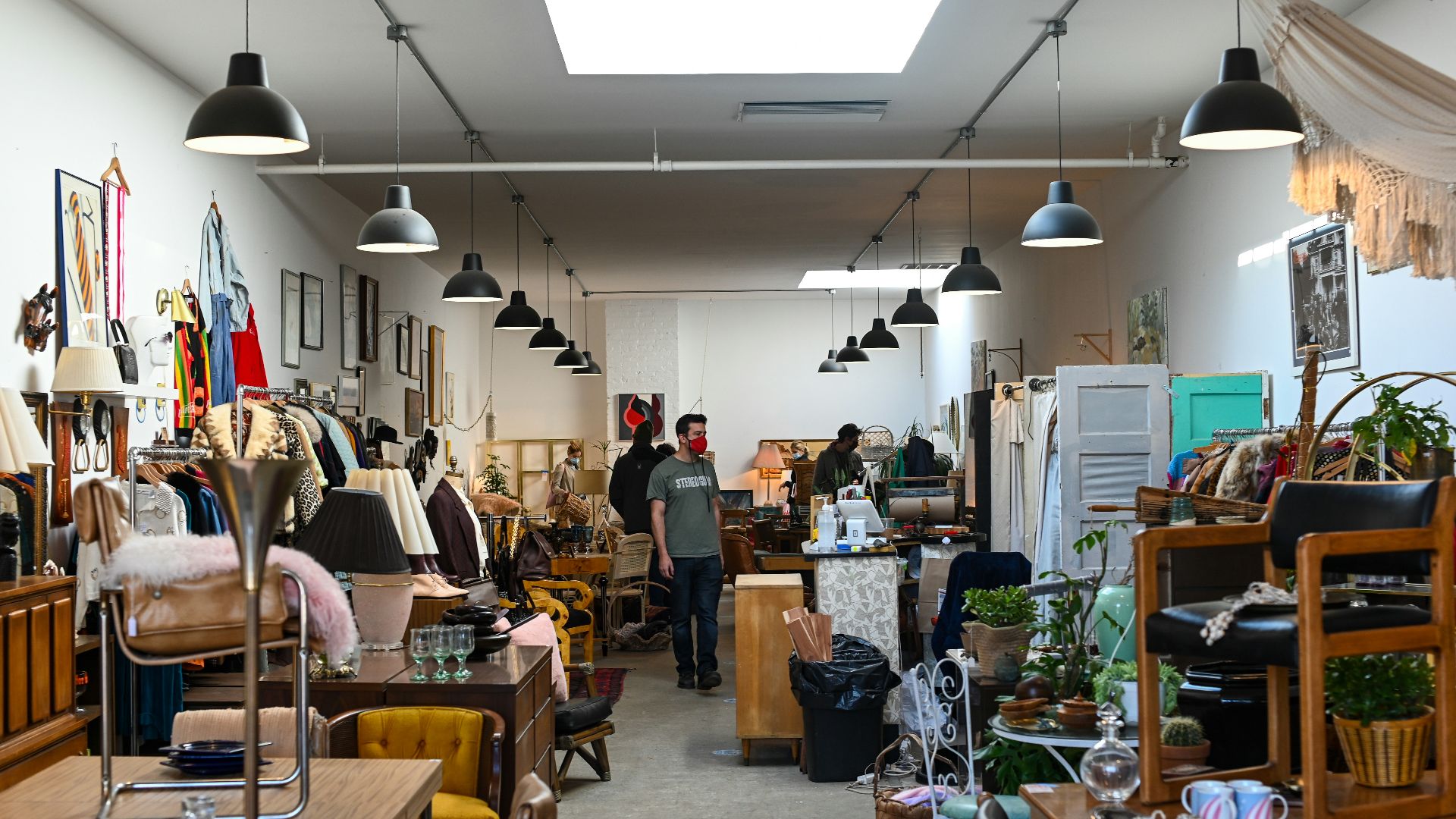
Online forums have spawned global communities organized around specific collecting categories. This helps connect enthusiasts across continents. Antique clubs and societies operate in most major cities, providing networking and educational opportunities for serious collectors. Such folks routinely share knowledge, tips, and leads.
9. Support For Small Businesses
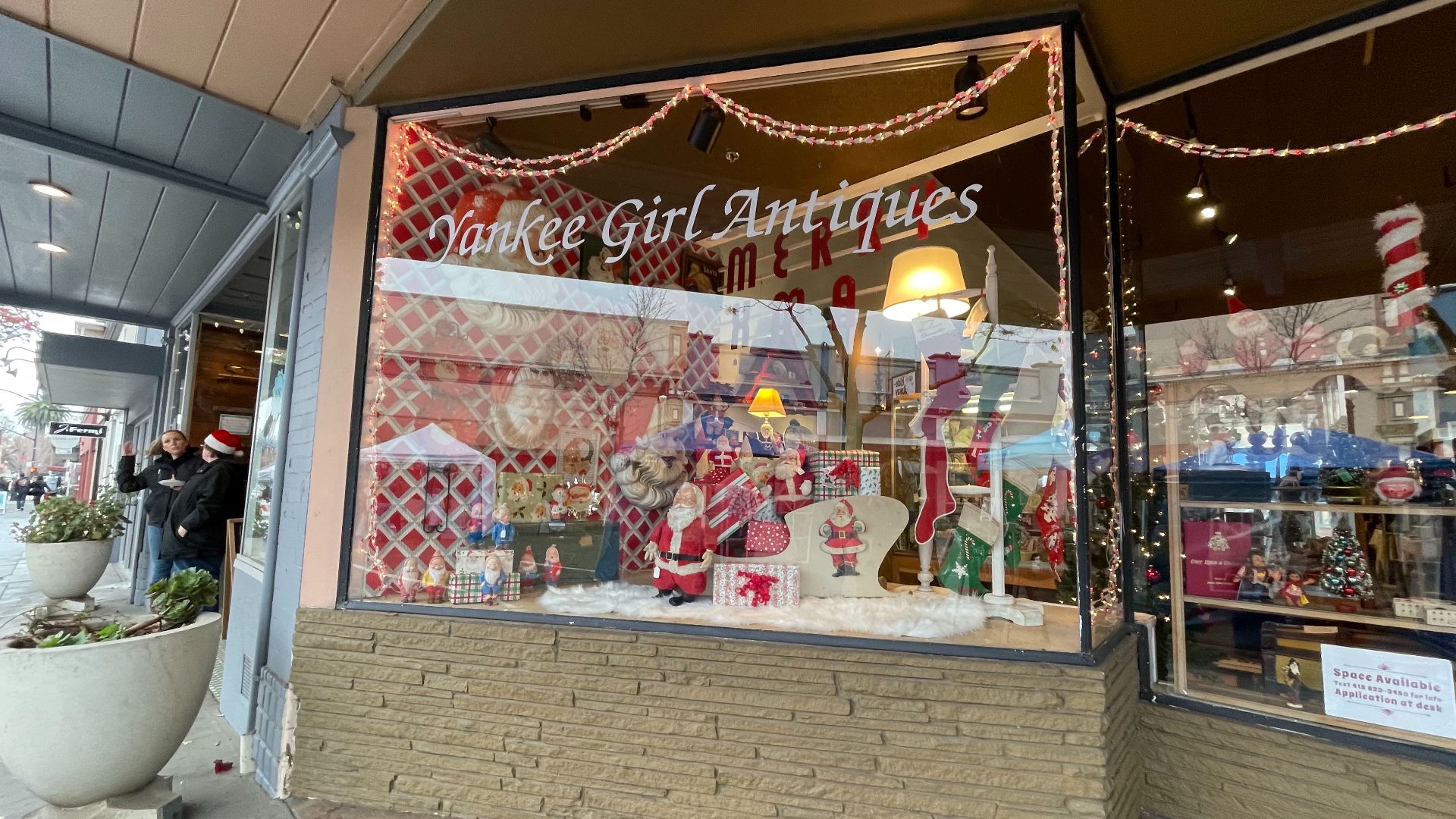
When you purchase local antiques, you’re often directly contributing to local entrepreneurs and artisans, helping sustain their livelihood and keeping money within the local community. This support fosters unique shopping districts, encourages economic diversity, and helps maintain the character and vibrancy of neighborhoods.
10. Creative Inspiration
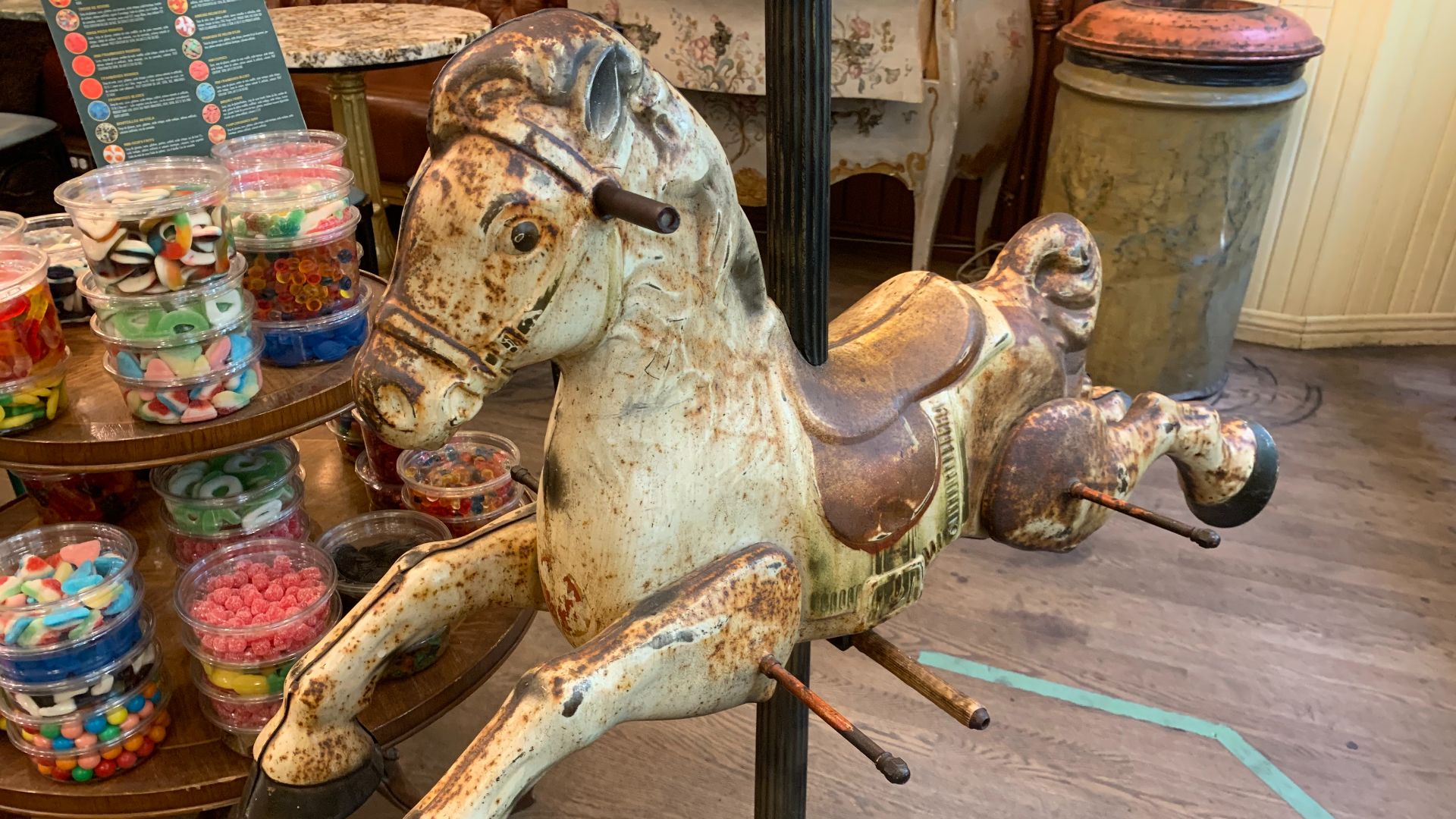
A single vintage map can inspire comprehensive travel-themed room décor that tells personal stories. Vintage sheet music converts into striking wall collages that combine historical artifacts with modern artistic vision. Many contemporary artists have been actively repurposing antiques into mixed-media creations.
 EWilson (Volunteer) on Wikimedia
Now, let’s see how to actually succeed at finding such incredible pieces.
1. Shop Early
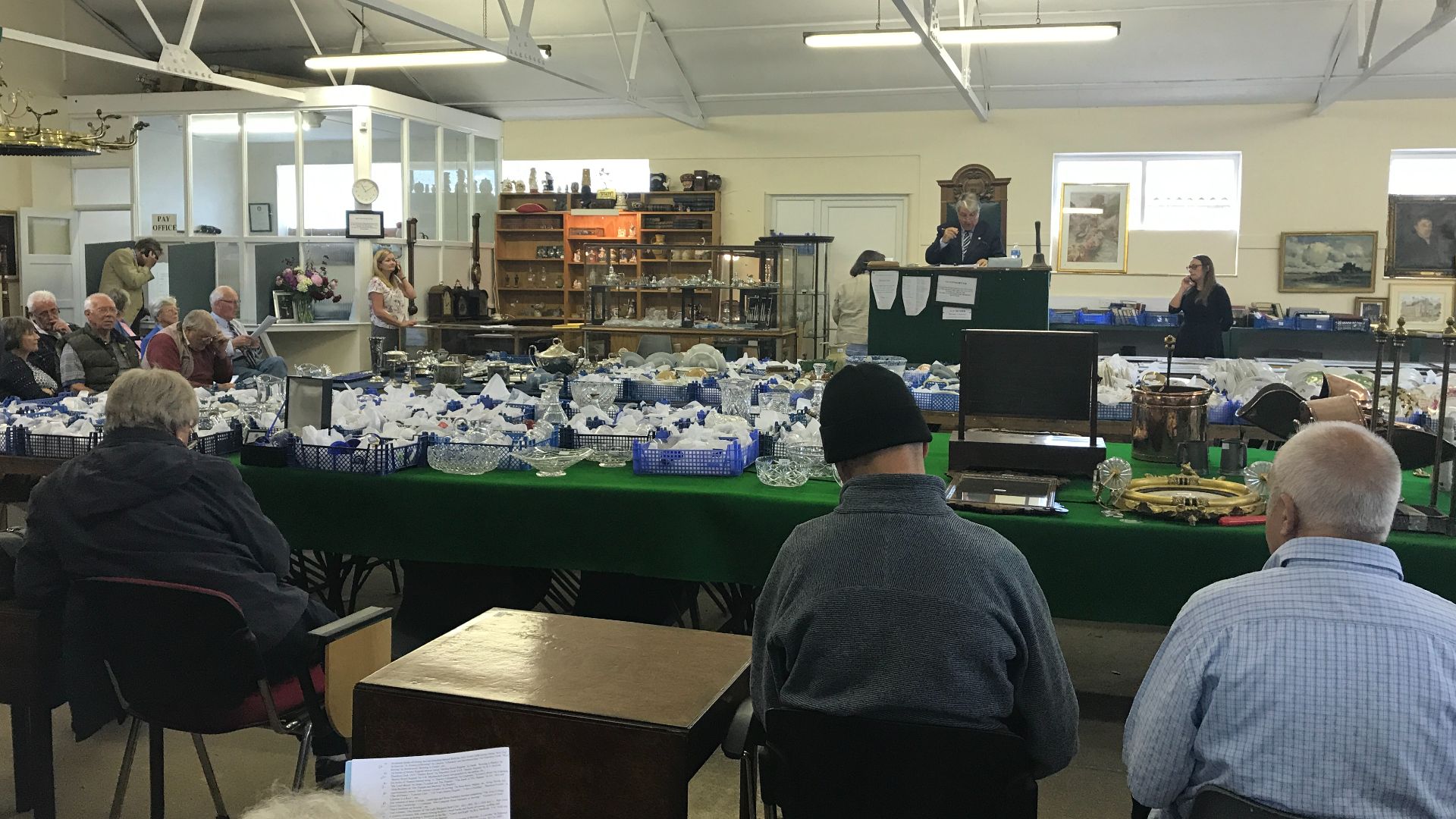
Some sales offer early bird discounts or preview opportunities for serious buyers willing to arrive before standard opening hours. Estate sales and flea markets provide the widest selection before 9 AM. Professional resellers often purchase the most valuable items within the first hour.
2. Spot Authentic Marks
UV lights can highlight hidden signatures and detect modern adhesives used in repairs, exposing restoration work invisible under standard lighting. Reference databases help verify authentic marks versus common forgeries. Genuine signatures and hallmarks increase the value and authenticity of items.
3. Negotiate Respectfully
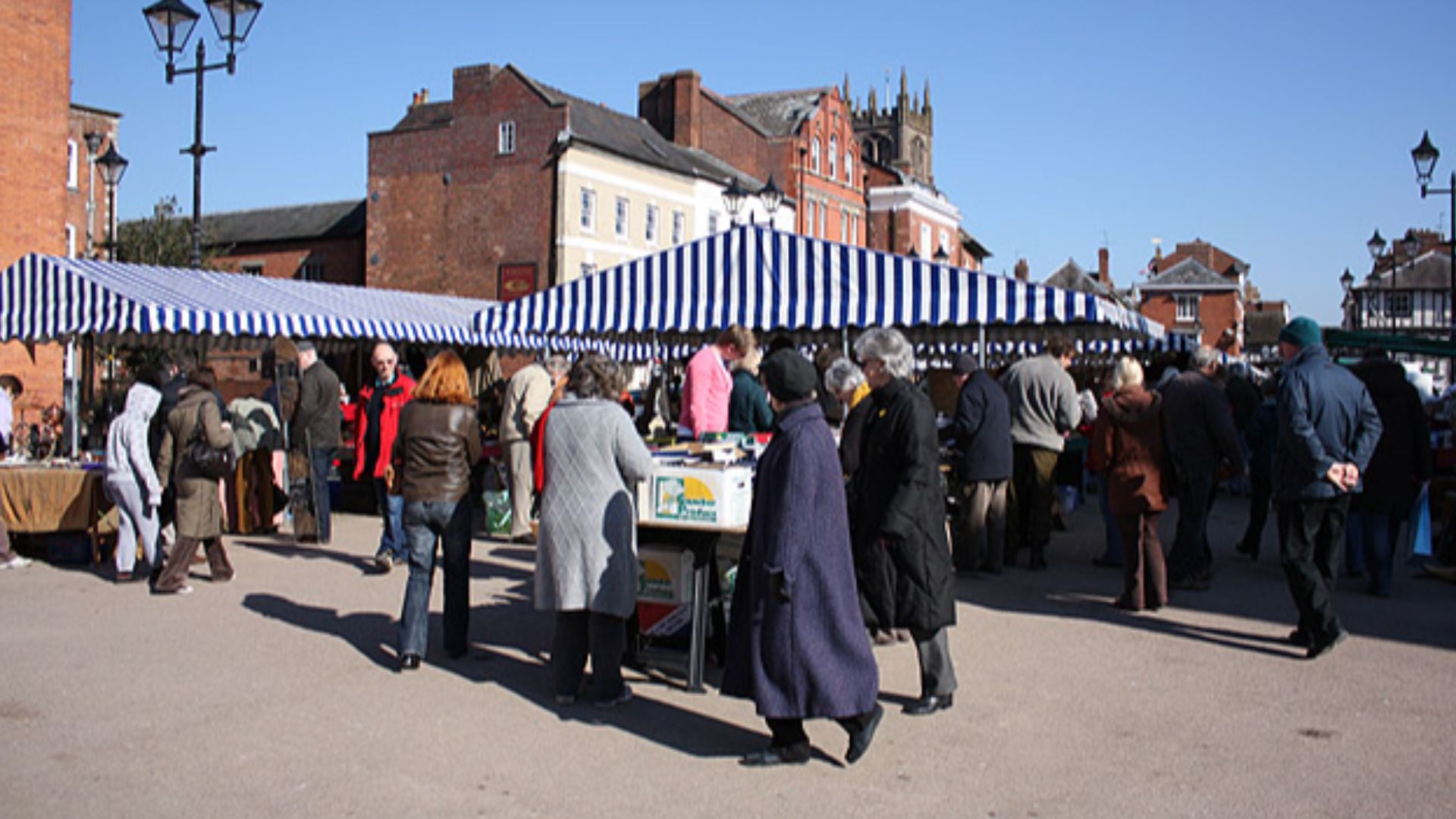
Cash payments can sometimes secure discounts at antique markets, as they avoid credit card fees, but the amount varies by dealer and transaction. End-of-day shopping at outdoor markets often yields the deepest discounts as vendors prefer sales to packing unsold inventory.
4. Specialize In One Category
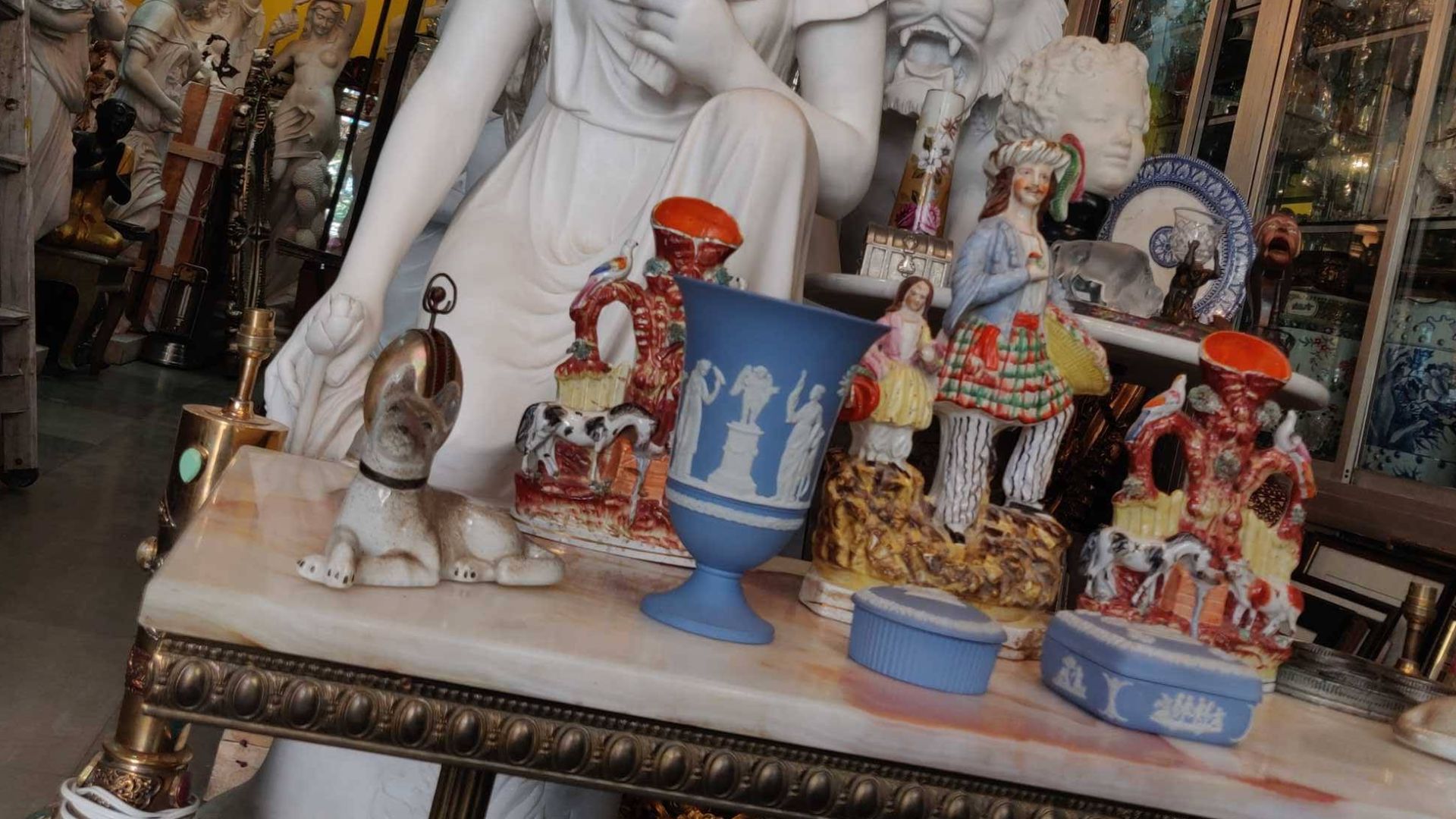
Category expertise permits collectors to advise other enthusiasts, developing opportunities for additional income and professional recognition. Concentrated collections have higher resale value than scattered acquisitions because buyers opt for cohesive groupings over random pieces. Specialists usually spot rare variations and underpriced items.
5. Assess Damage Properly
Learning restoration costs helps determine if damaged pieces are worth purchasing before you commit to expensive repairs. Hairline cracks in ceramics often worsen over time and reduce value dramatically, making initial condition evaluation critical. Wood furniture should be checked for active insect damage.
6. Carry Essential Tools
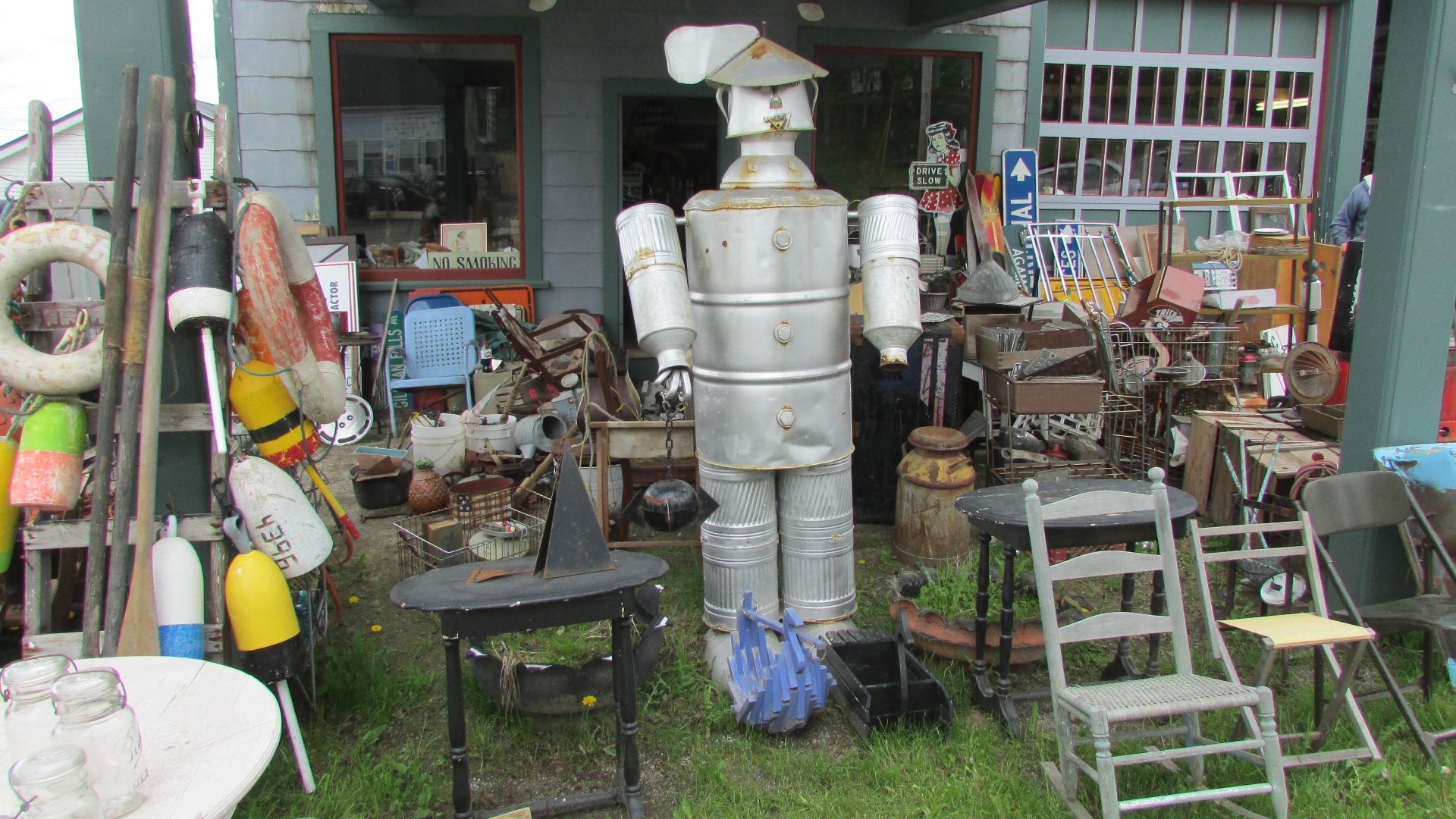
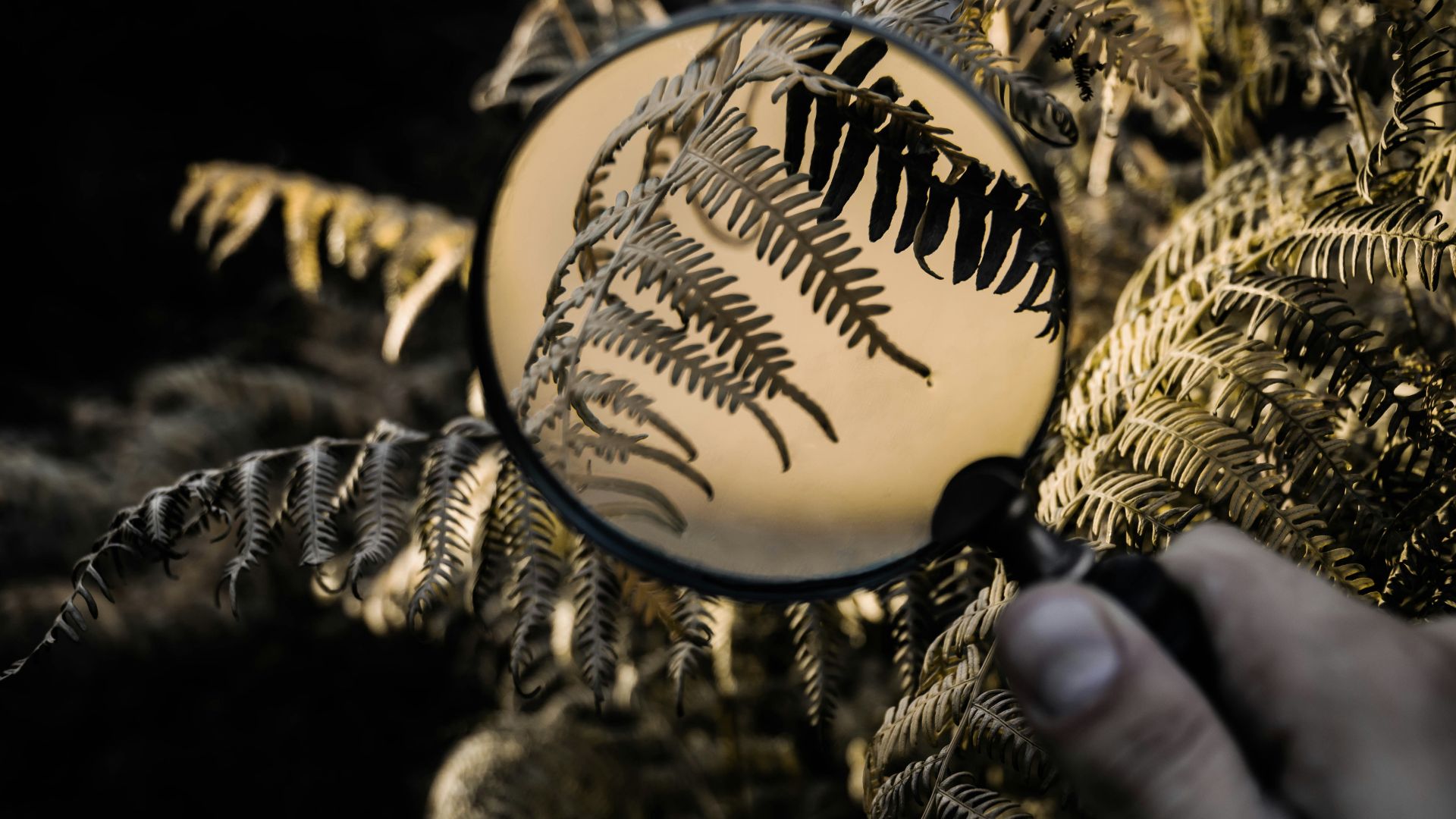
Reference books or smartphone apps provide instant access to identification guides that help verify authenticity and value on the spot. A measuring tape ensures items fit intended spaces before purchase. This prevents costly mistakes and return trips. Besides, magnifying glasses help identify repair work.
7. Document Purchases
Digital catalogs make collection management and estate planning much easier for serious collectors managing large inventories. Provenance documentation enhances resale values by providing buyers with confidence in authenticity and historical importance. Photographs document the condition at the time of purchase for insurance claims.

8. Physically Handle Items
For furniture, if permitted, sitting on chairs or opening drawers helps determine comfort and practical use. For other functional objects, handling underlines sturdiness and their overall functionality. Genuine antiques often feel heavier or more substantial due to traditional materials.
9. Study Market Trends
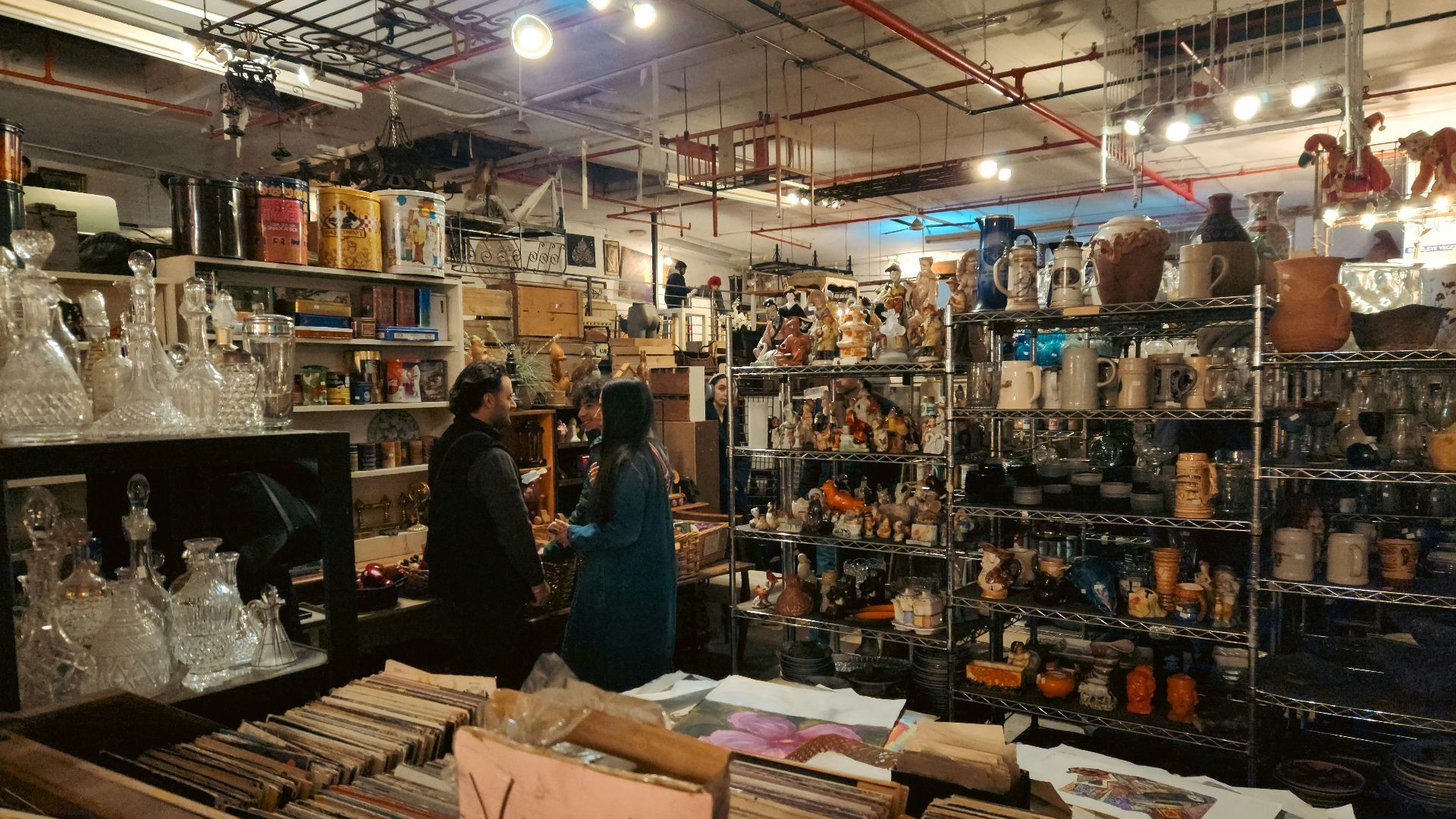
Online auction results provide real-time market data for pricing decisions. This helps people make informed purchasing and selling decisions. Celebrity estates and museum exhibitions can quickly increase category demand, creating temporary price spikes and investment opportunities. Economic conditions affect luxury collectibles differently.
10. Walk Away When Necessary
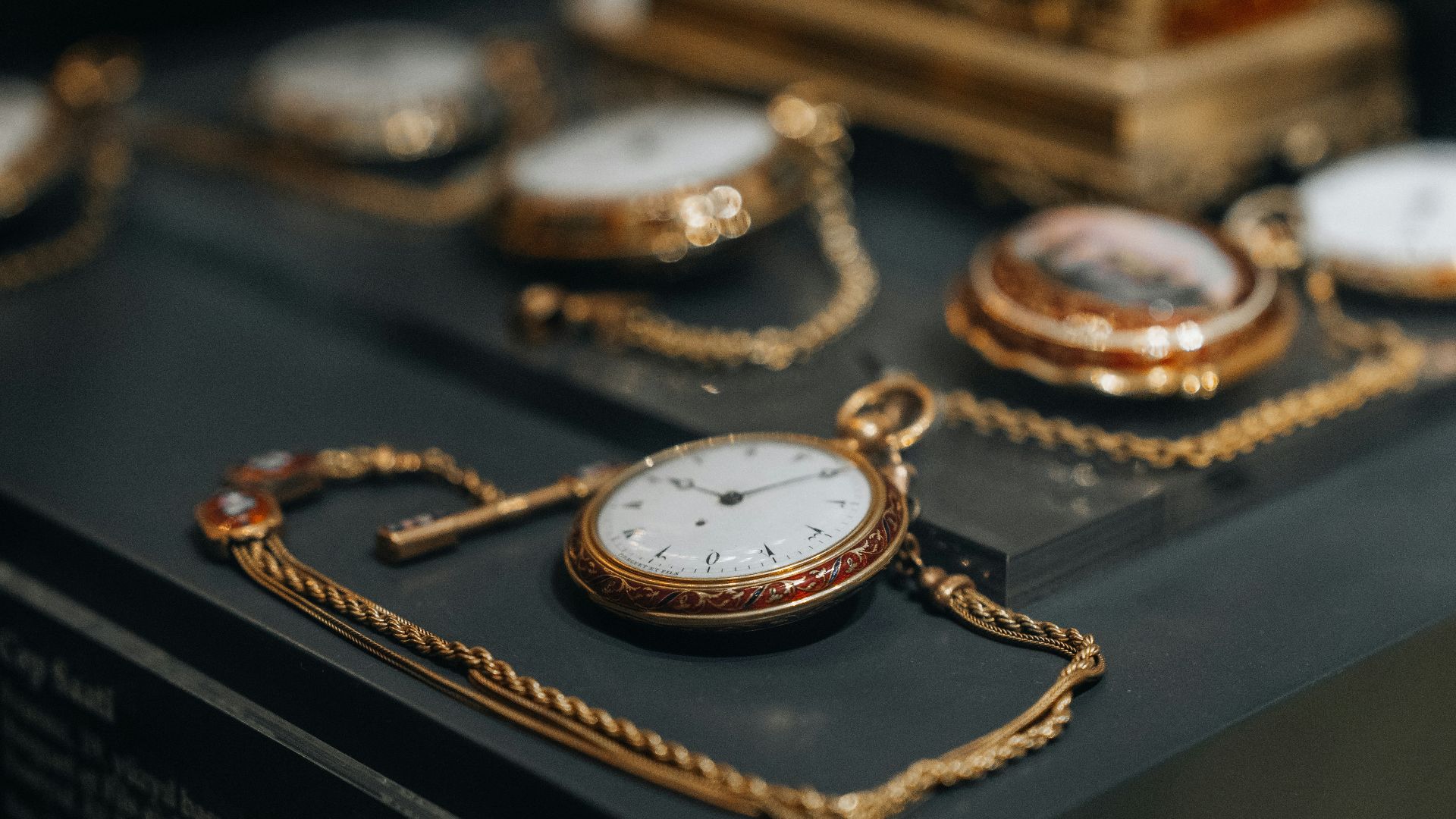
Sometimes, things that are way overpriced show up again later at lower prices because they didn’t sell. This is great news for patient buyers who can hold off on buying right away. After all, it's important to keep your finances in check.