
Tiny Habits, Big Impact
Think about the last time you met someone new. Within minutes, you probably formed an opinion—good or bad—without even realizing it. That’s the thing about everyday interactions: small details can change how people see you, long before you say anything meanignful. Sometimes it’s about timing, attitude, or just the little things you don’t notice at all. So, first, let’s take a look at ten habits that might be sending the wrong signal.

1. Constantly Checking Your Phone
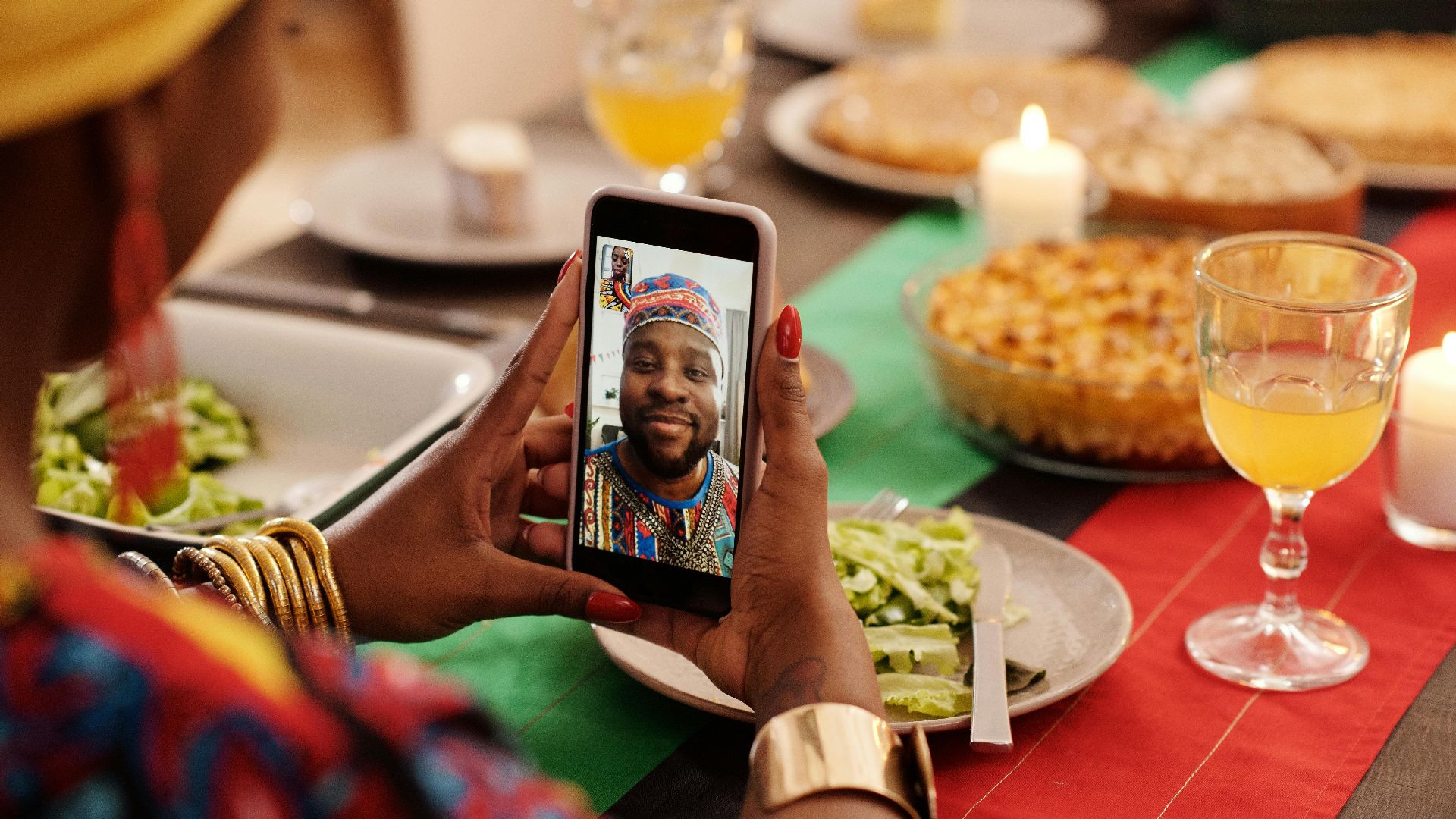
Few things signal disinterest more than someone glued to their screen while others are talking. Scrolling through notifications or mindlessly browsing can make people feel dismissed, as they might feel that your digital world matters more than their presence.

2. Interrupting Someone While They Are Speaking
That quick moment when you cut someone off mid-sentence might seem harmless, but it sets off an invisible chain reaction, as the interrupted speaker feels belittled. Even worse, this kind of incivility spreads like a social virus, encouraging others to adopt similarly rude behaviors in workplaces and beyond.

3. Not Saying "Please" Or "Thank You"
Politeness doesn’t cost a thing, yet skipping simple words like “please” can make you come across as entitled. These phrases show that you value others’ time, effort, and presence. When they’re absent, interactions feel transactional, like you’re issuing commands instead of making requests.
 Utopix Pictures Pictures on Pexels
4. Arriving Late Consistently Without Notification
Showing up late over and over without warning tells people their time isn’t valuable to you. Friends waiting at a restaurant, coworkers stalling a meeting, or family members holding dinner—all experience frustration when you arrive without explanation.

5. Ignoring Personal Space
Personal space varies by culture and situation, but most people appreciate a respectful buffer. Ignoring it signals a lack of awareness or disregard for comfort. At work, crowding a colleague’s desk feels intrusive; in social settings, it can seem overbearing or even intimidating.

6. Offering Unsolicited Critical Opinions
There’s a fine line between “helpful friend” and “buzzkill critic.” Telling someone their haircut looks like it lost a bet or that their idea “needs work” when nobody asked feels less like honesty and more like raining on their parade. Sure, feedback can be useful—but only when it’s welcome.
 Photo By: Kaboompics.com on Pexels
7. Not Holding The Door For The Person Behind You
Imagine your coworker balancing three bags and a latte while you breeze through like a VIP with no entourage—that’s a villain origin story right there. Holding the door isn’t old-fashioned chivalry; it’s basic teamwork for life’s everyday obstacle course.
 Only Holding the Door for Men Cause Women are Strong and Independent by Vlog Creations
8. Using Speakerphone In Public Places
Blasting your entire conversation on speakerphone turns every café, bus, or checkout line into your personal talk show—and nobody signed up as your audience. From juicy gossip to awkward doctor updates, strangers hear it all, wishing for an “off” button.
9. Neglecting To Respond In A Timely Manner
We’ve all sent a message and watched those three dots… vanish into nothing. When replies take days—or never arrive—it feels like you’ve been ghosted mid-conversation. Sure, life gets busy, but leaving people hanging too long makes you look flaky.

10. Laughing At The Wrong Moment
A mistimed chuckle during someone’s heartfelt story or a grim announcement makes you seem insensitive—or worse, like you’re mocking the situation. Even nervous giggles can land badly, as they leave people confused or hurt.

Now, let’s check out ten habits that make you stand out in the best way.
1. Remembering And Using People's Names
Think about how different it feels when someone says, “Hey, you,” versus “Hey, Sarah.” One feels generic, the other personal. Taking the time to recall names shows that you’re present and genuinely engaged, not just going through the motions.

2. Maintaining Genuine Eye Contact
At the foundation of meaningful human connection lies the art of genuine eye contact: a fundamental nonverbal skill that signals authentic engagement. This natural cue not only triggers positive emotional responses but also enhances our ability to process others' expressions.

3. Speaking Positively About Others
When you casually drop positive remarks like, “She’s really great at what she does,” or “He handled that so well,” people notice your generosity of spirit. It builds trust because they know you’ll speak kindly of them, too.

4. Offering Sincere And Specific Compliments
Generic praise fades quickly, but a compliment that’s both genuine and specific can light someone up for days. Instead of saying, “You look nice,” notice the details: “That color really makes your eyes stand out,” or “Your presentation flowed so clearly—I could follow every point.”

5. Being Fully Present In Conversations
Being fully present in conversations is about putting distractions aside. When you lean in and nod at the right moments, people feel truly heard. It turns simple exchanges into meaningful moments, where the other person walks away thinking, “Wow, they really got me.”

6. Speaking With Passion About Your Interests
Think about the last time you listened to someone talk about a subject they adored; chances are, you were more engaged with their energy than the topic itself. That’s because sharing your interests with excitement invites others to connect.

7. Showing Appreciation Through Acts Of Kindness
Little acts of kindness go beyond words—they demonstrate thoughtfulness and effort. When you make someone’s day easier or brighter, you communicate genuine care, and that’s magnetic. People remember how you made them feel, and kindness makes you stand out in a world that rushes past.

8. Maintaining An Open Body Language
People naturally gravitate toward those who feel safe and welcoming, and your posture can set the tone before you even say a word. Just compare a closed-off stance to someone standing tall, open, and relaxed—the difference is striking.

9. Being Comfortable With Silences
Not every moment needs to be filled with chatter—sometimes the pause allows the conversation to breathe. Those who rush to fill the silence come across as nervous, while those who embrace it show they’re secure in themselves.

10. Asking Thoughtful Questions
Instead of sticking to generic “What do you do?”, asking thoughtful questions—like “What’s been the highlight of your week?”—shows real curiosity. These kinds of questions invite stories, and they give the other person a chance to share more of themselves.