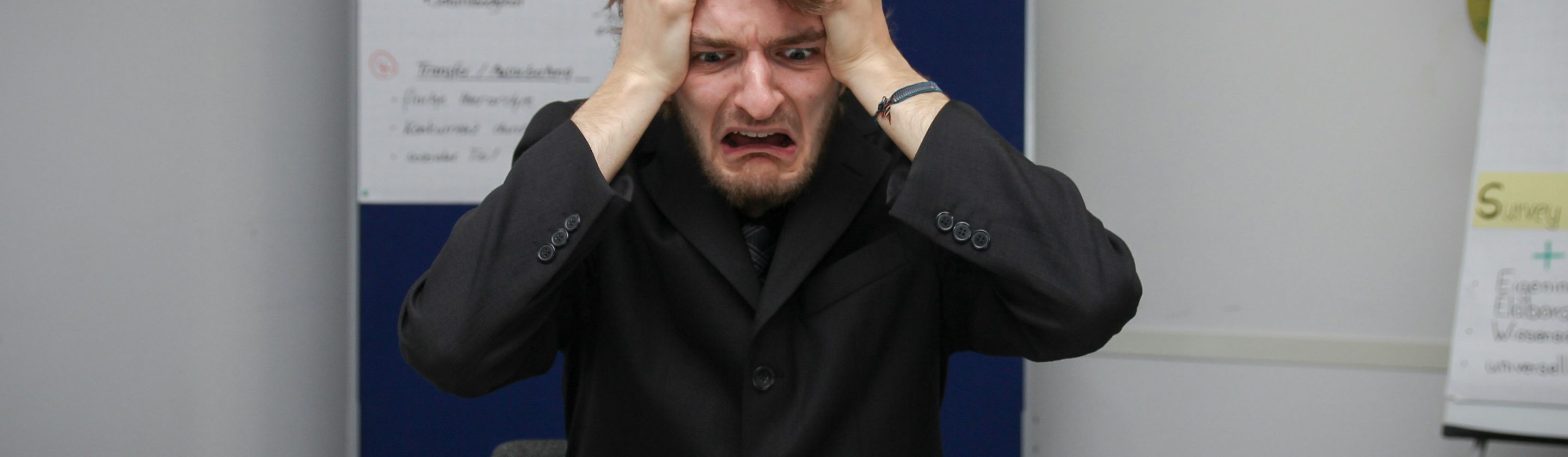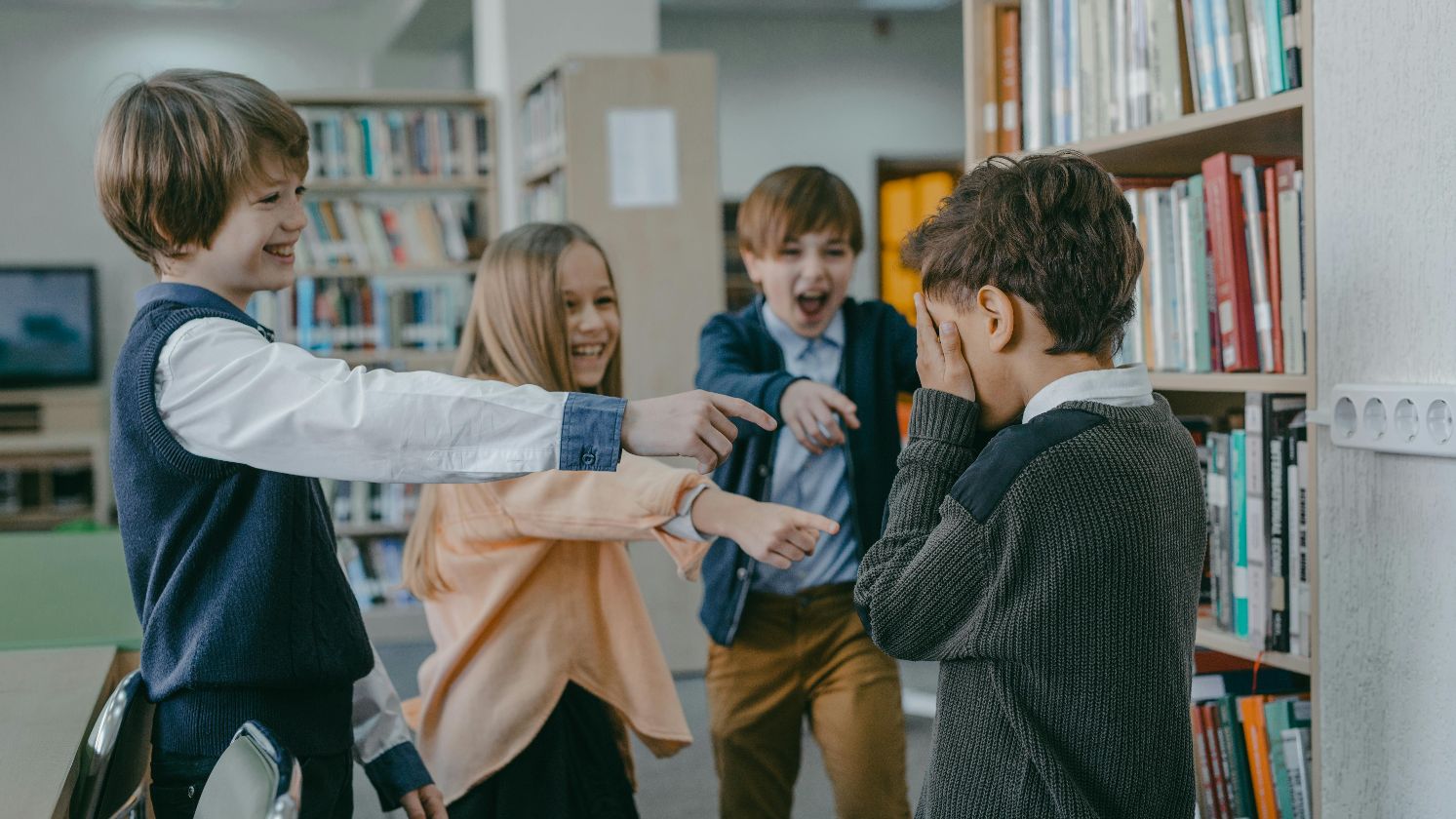
The phone call from the principal's office hits like a punch to the gut. Your child—your sweet, funny kid who still asks for extra hugs at bedtime—has been bullying another student.
Your first instinct might be denial, anger, or defensiveness. But here's the truth: this moment, as painful as it is, might be one of the most important parenting opportunities you'll ever face. How you respond right now will shape not just your child's immediate behavior, but their capacity for empathy, accountability, and genuine connection for years to come.
Face The Reality Without Making Excuses
Apart from hearing that your child hurt someone, what’s harder is resisting every parental urge to rationalize it away. You'll want to explain that they were provoked, that they're going through a tough time, that the other kid probably deserved it somehow. Stop right there. Your child doesn't need a defense attorney right now; they need a parent brave enough to acknowledge the truth. This doesn't mean you don't love them or believe in them. It means you love them enough to hold them accountable.
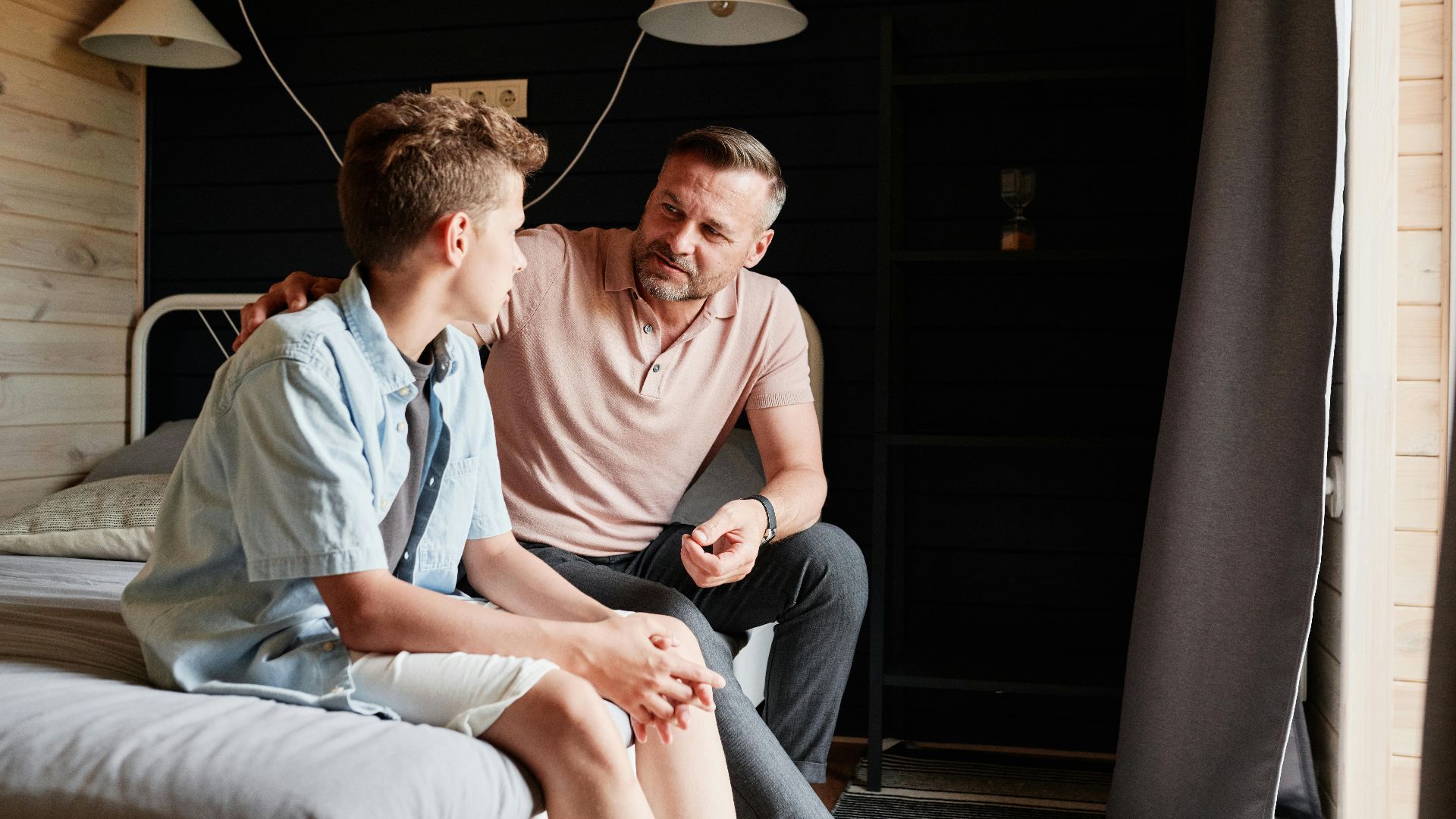
Sit down with your child privately and ask direct questions. Not "Did you really do this?" but "Tell me what happened from your perspective." Listen without interrupting, even when you want to jump in with corrections or justifications. What you're really listening for isn't just the facts of what happened, but what's underneath. Kids who bully are often dealing with their own pain—feeling powerless somewhere in their lives, struggling with insecurity, or mimicking behavior they've witnessed elsewhere. Understanding the root doesn't excuse the behavior, but it gives you a roadmap for actually fixing the problem instead of just punishing it.
Take Action That Actually Changes Behavior
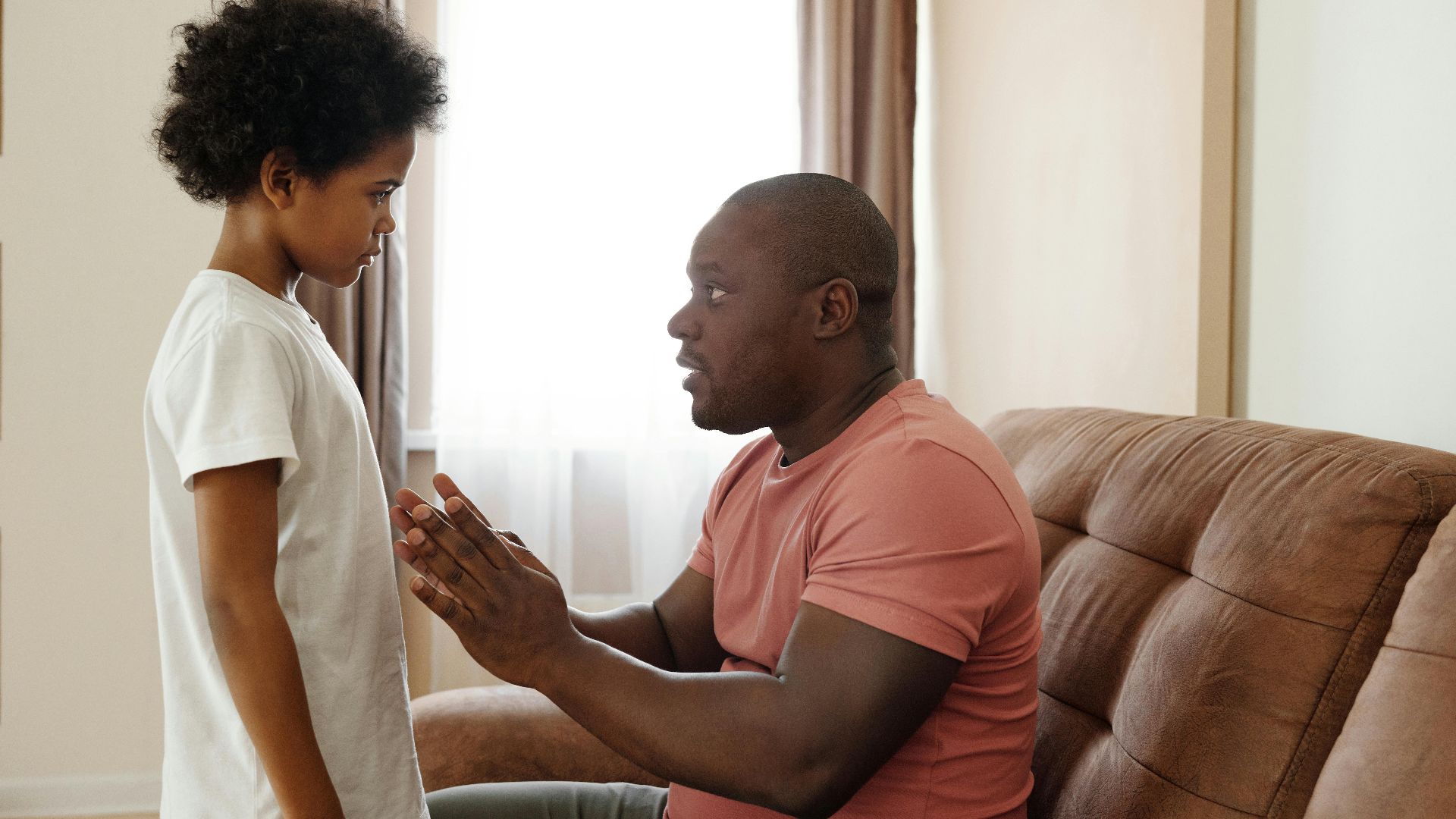
Punishment alone won't solve bullying, but change surely will. Your child needs to understand the real impact of their actions on another human being. This means having uncomfortable conversations about how the other child felt, what it's like to be targeted and afraid, and how power can be used to hurt or to help. Don't let them off the hook with a quick "I'm sorry." Push deeper. What specifically are they sorry for? What would they want someone to do if they were the one being hurt?
Create real consequences that connect directly to repairing harm. If they bullied someone online, they lose device privileges and write a genuine apology explaining what they did wrong and how they'll change. If it was physical intimidation at school, they need to make amends in a supervised way that prioritizes the victim's comfort. Work with teachers and counselors to develop a plan that monitors your child's behavior while giving them chances to demonstrate change.
And here's the critical part. You need to change, too. Examine your own behavior. Do you gossip harshly about neighbors? Dismiss your child's feelings? Use your authority in ways that feel bullying? Kids learn cruelty somewhere, and often that somewhere is home.