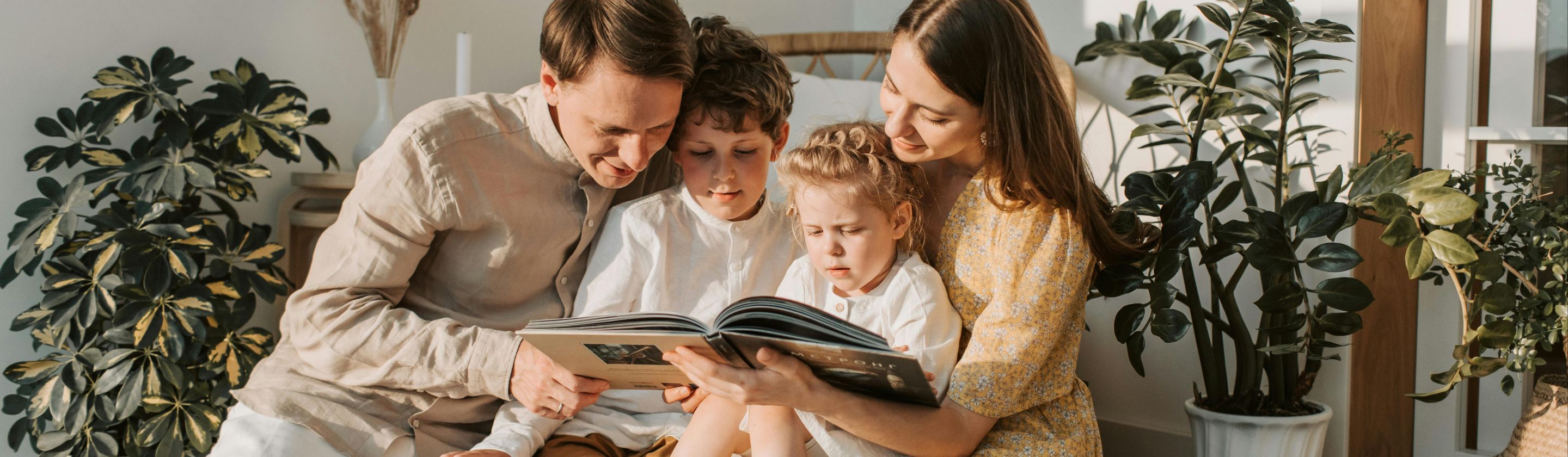

Ask any parent if they have a favorite child, and the answer is almost always a firm no. But if you watch families closely, subtle preferences show up everywhere. One kid just clicks with mom easier. Another always seems to push Dad's buttons. Nobody wants to admit these feelings exist, but they do.
Favoritism shapes how siblings see each other and themselves. It affects who feels confident and who feels overlooked. The real question isn't whether parents have favorites—it's whether that preference actually causes harm or if it's just normal human behavior.
Why Favoritism Happens
Favoritism usually sneaks in without anyone planning it. Some kids share your sense of humor or love the same hobbies you do. That common ground makes the connection feel effortless.
Birth order matters too. Firstborns often get intense early attention. Younger kids benefit from parents who've relaxed a bit. Sometimes, one child goes through a tough phase that requires extra care, and that closeness sticks around long after the crisis has passed.
Parents aren't robots. They have personalities, preferences, and limits. A quiet parent might naturally bond with a calm, bookish child. The loud, energetic sibling might feel like a mystery. That doesn't mean love is missing—it just means relating takes more work.
Cultural background and how someone was raised also play into these patterns. Acknowledging these tendencies honestly is the first step. The problem starts when that comfort with one child turns into unfair treatment nobody talks about.
The Impact On Children And Families
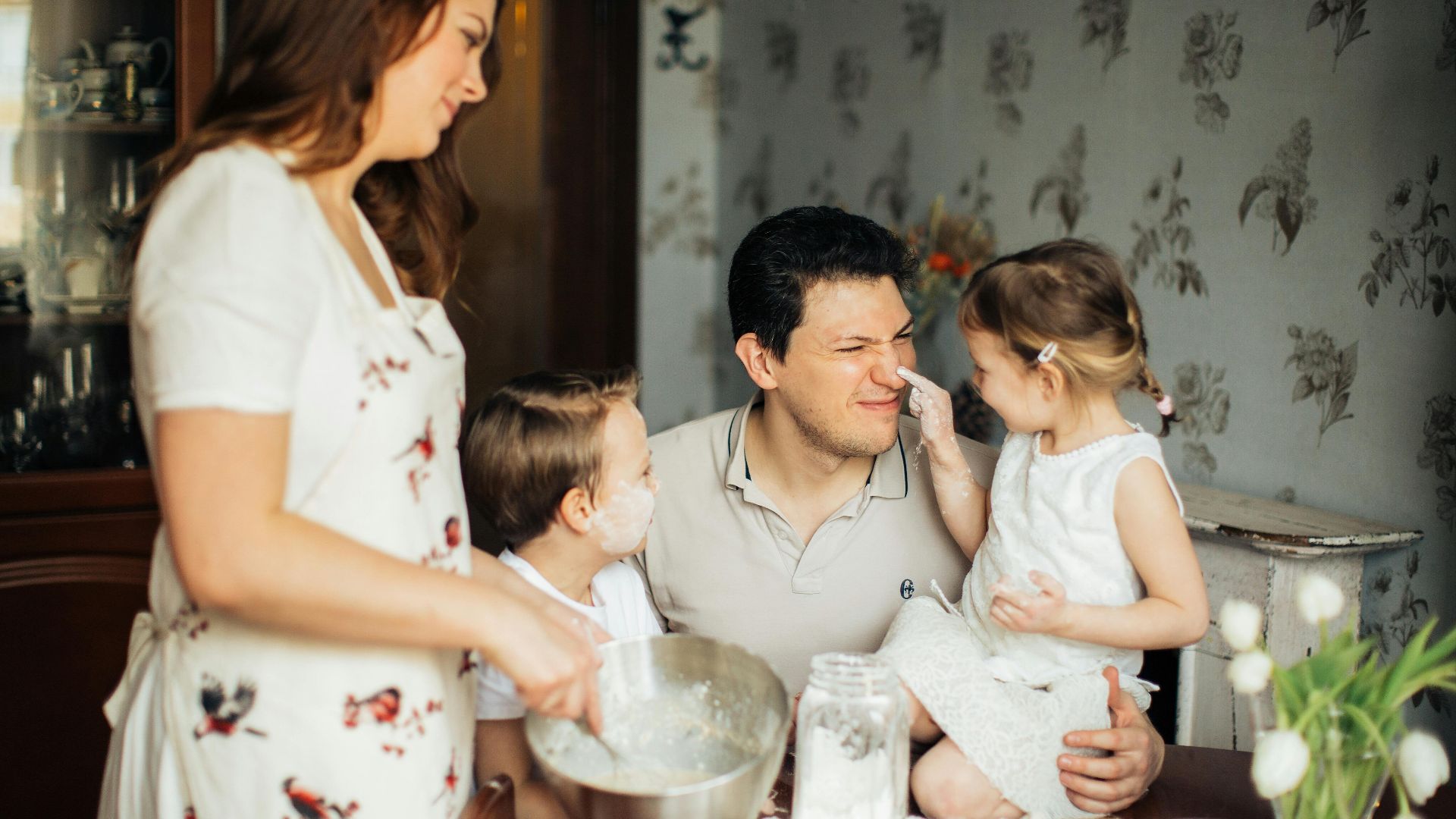
When favoritism becomes obvious, everyone feels it. The non-favored kids start wondering what's wrong with them. They try harder, act out, or quietly pull away. Sibling rivalry gets nasty because kids aren't just competing for toys—they're competing for proof they matter.
The favorite doesn't always win, either. That child might feel pressure to stay perfect or guilt about the advantage. These feelings don't just disappear when kids grow up. Plenty of adults still carry resentment from childhood favoritism that nobody ever addressed.
That said, favoritism doesn't always wreck families. Sometimes kids respond by finding their own strengths instead of fighting for the same attention. When parents stay fair with rules and make a real effort to support each child, small preferences fade into the background. The difference comes down to awareness.
Parents who spend individual time with each kid, avoid constant comparisons, and genuinely celebrate what makes each one unique can keep favoritism from doing damage. Communication helps too. Kids notice more than parents think, so being honest when appropriate builds trust instead of breeding suspicion.
In conclusion, favoritism is part of family life for many people. What matters is how parents handle it. Ignore it, and trust breaks down slowly over the years. Face it with honesty and intentional fairness, and it becomes just another challenge to navigate. The goal isn't pretending every connection feels identical. It's making sure each child knows they're valued exactly as they are.