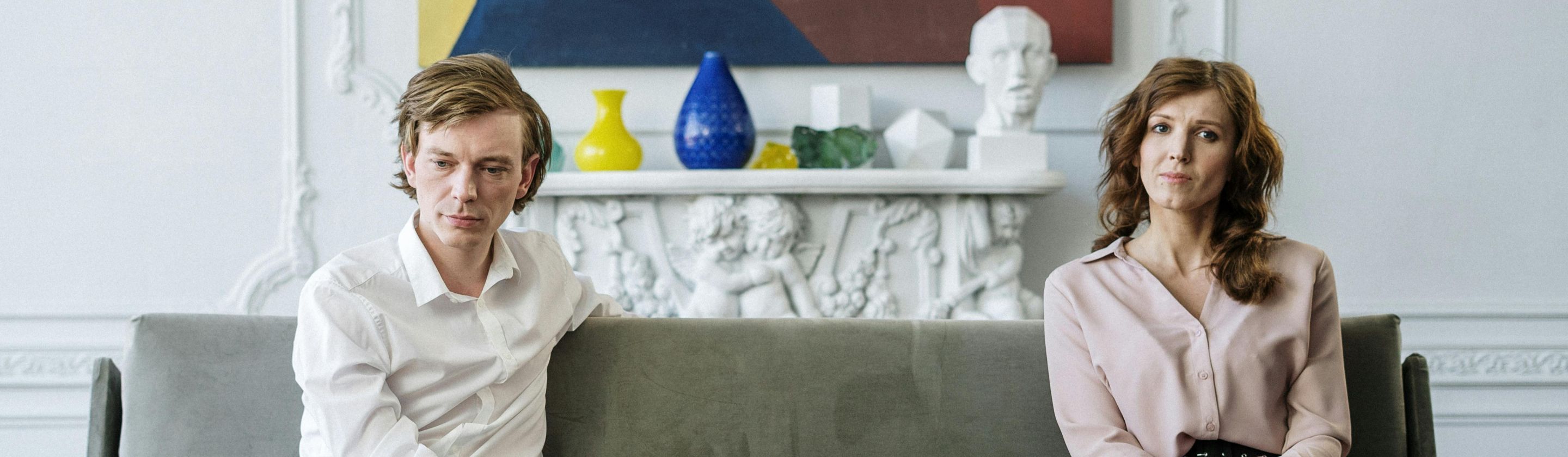

Remember when everyone said half of all marriages end in divorce? Turns out, that grim statistic is becoming outdated.
After decades of climbing divorce numbers, America is witnessing something unexpected: couples are actually staying together more than they used to. The divorce rate has plummeted to levels not seen in fifty years, and the story behind this shift is more fascinating than you'd think.
The Numbers Tell A Surprising Story
The data is crystal clear—divorce rates have been steadily declining for over a decade. According to research from Bowling Green State University, the divorce rate dropped to 14.2 women divorcing per 1,000 married women in 2024, down from 14.4 in 2023. That might sound like a small dip, but zoom out and the trend becomes dramatic. In 2023, roughly 1.1 million divorces were filed across America.
Compare that to 2012, when 1.3 million couples called it quits. Year after year since 2012, divorces have decreased by an average of 2.6% annually. The crude divorce rate—which measures divorces per 1,000 people in the total population—tells an even more compelling story. In 2022, it sat at just 2.4 per 1,000, a massive drop from the 4.0 per 1,000 recorded back in 2000.
The 1980s saw rates hovering above 4%, meaning today's couples are divorcing at roughly half the rate their parents' generation did. Interestingly, 2020 marked the most divorce-free year in recent history, though that was likely influenced by pandemic restrictions rather than sudden marital bliss.
Why Are Couples Staying Together?
The reasons behind this decline are layered and interconnected. First, millennials are changing the marriage game entirely. Unlike previous generations who rushed to the altar in their early twenties, today's young adults are waiting longer—often until their late twenties or early thirties—before saying "I do."
This delay matters more than you'd think. When people marry with more life experience, financial stability, and clearer self-knowledge, they're simply better equipped to choose compatible partners and navigate the inevitable challenges of marriage.
There's also a self-selection effect at play. Many couples now choose to cohabitate or remain in committed relationships without formalizing the union. This means the people who do get married tend to be more committed to the institution itself, naturally filtering out relationships that might have ended in divorce a generation ago.
Additionally, the stigma around therapy has evaporated. Couples counseling isn't viewed as a last-ditch effort anymore—it's preventative maintenance. This cultural shift toward proactive relationship work is helping partners address issues before they become marriage-ending crises.
The Gray Divorce Exception

While overall divorce rates drop, there's one notable exception: older Americans. So-called "gray divorce" among people over fifty has actually increased since the 1990s. According to Purdue University research, the divorce rate for those sixty-five and older reached 15% in 2022, roughly triple what it was thirty years ago.
Ultimately, people are living longer, healthier lives, and they're increasingly unwilling to spend their remaining decades in unsatisfying marriages.