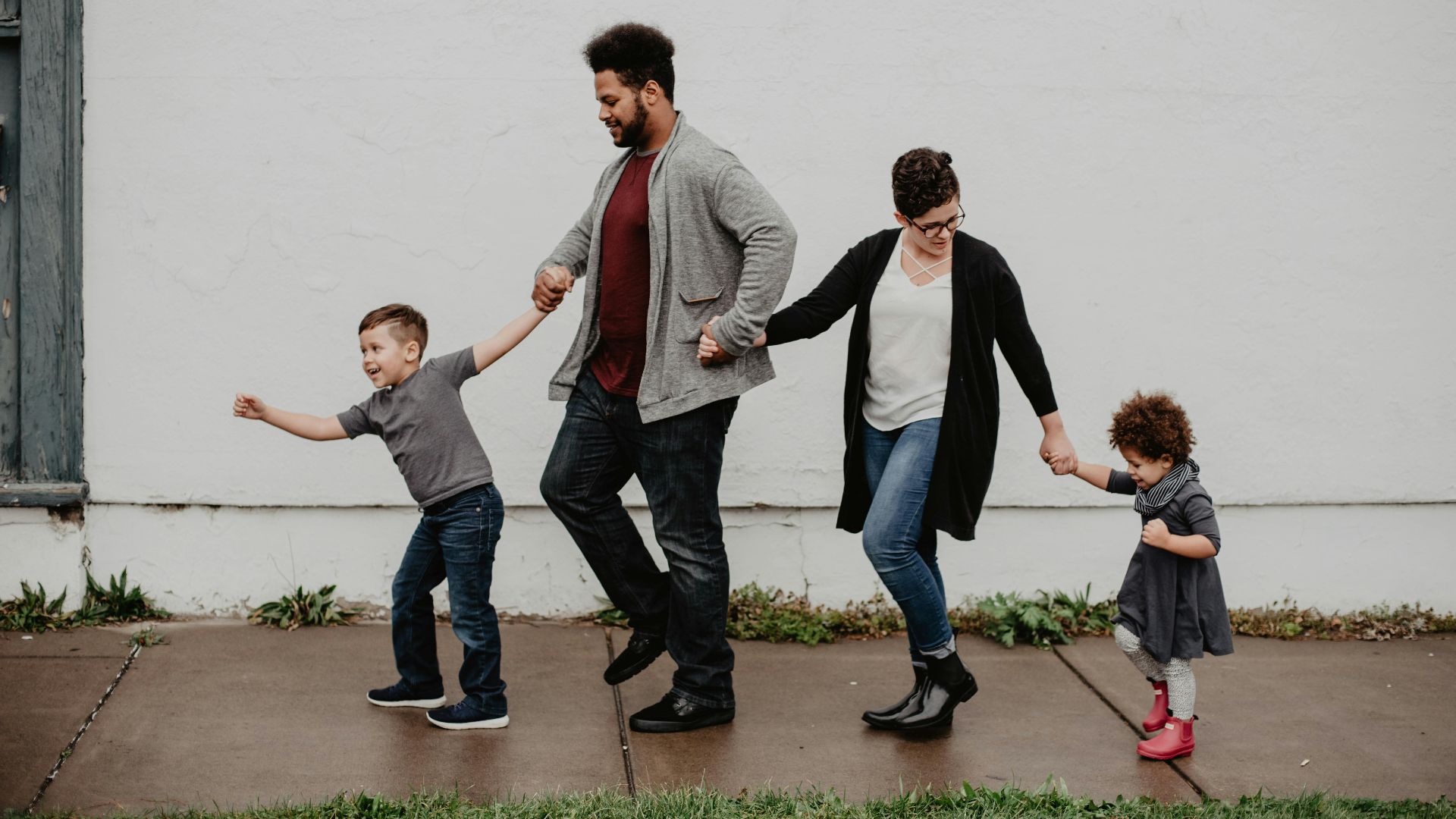
Previous generations raised kids without feeling like they needed a PhD in child psychology and a personal assistant. Now we're all drowning. The to-do list never ends, from packing lunches with balanced nutritional profiles to managing enrichment activities, emotional regulation, and limiting screen time. Parents in the 1980s let their kids ride bikes until the streetlights came on and called it a day. We're tracking our children's locations on apps while simultaneously worrying we're helicopter parenting too much.
We're Parenting Without a Village
The phrase "it takes a village" became a cliché right around the time we demolished the actual village. Most families live far from extended relatives. Grandparents are still working because retirement got pushed back. Neighbors are strangers you wave at occasionally are not really people you’d ever dare to ask to babysit for an hour while you run errands.
An analysis by KPMG found that U.S. childcare costs rose about 263% between 1990 and April 2024. We’re left doing everything ourselves, alone, without backup. Our great-grandparents had aunts, cousins, and neighbors cycling through to help. These days, we have group chats where everyone's too busy to respond.
Childhood Got Professionalized

Kids rarely just play anymore. Soccer isn't kicking a ball around the yard; it's travel teams with weekend tournaments three hours away. Learning to play the piano means private lessons, recitals, and practice schedules. Even free time gets optimized into purposeful play that builds specific skills.
We've convinced ourselves that unstructured time equals wasted potential. Just hanging out with friends and doing nothing in particular is now extinct. These days, every moment needs to count toward college applications or personal development. The pressure to raise successful, well-rounded, emotionally intelligent humans who can also code and play violin has turned parenting into a full-time project management job.
Social Media Created an Impossible Standard
We're all watching everyone else's highlight reel while living our own behind-the-scenes disaster footage. Instagram shows elaborately decorated birthday parties, picture-perfect family vacations, and kids who apparently never throw tantrums in the grocery store. That becomes the baseline we're measuring ourselves against.
Previous generations didn't know how other families operated. You did your best and assumed everyone else was muddling through similarly. Now we know exactly what we're supposedly doing wrong because someone's always doing it better online. That influencer’s child not only eats their vegetables but does it in their immaculate designer kitchen.
None of that's real, of course. We know that logically, but it doesn't stop the comparison spiral.
Both Parents Work, Nothing Else Changed

Dual-income households are now the norm. According to the Bureau of Labor Statistics, about two-thirds of married-couple families with children have both parents employed. While this dynamic may be new, everything else remains more or less the same. Schools still operate on farming schedules with summers off. Most jobs still expect someone to be available for sick days and emergencies. After-school care costs a fortune and usually ends at 6 PM, which helps exactly no one.
We're expected to earn two incomes while maintaining the same level of hands-on parenting that stay-at-home mothers provided in 1955. The math doesn't work. Something's got to give, and usually what gives is our sanity, sleep, or both.
Parenting Advice Became an Industry
There's a book for everything be it sleep training, gentle parenting, conscious parenting, respectful parenting, attachment parenting, or free-range parenting. Conflicting expert advice comes at us from all directions, and we're supposed to research and implement the correct approach while also working and remembering to buy milk.
Previous generations mostly winged it based on what their parents did. We're out here reading studies about adverse childhood experiences and trying to avoid giving our kids therapy fodder while simultaneously providing appropriate boundaries and consequences. Every decision carries weight and the possibility of leaving trauma. The hyperawareness is paralyzing, and the experts keep publishing new books that contradict last year's advice.