Decoding the Resistance
There was a time when learning used to feel like playing; it was something fun that kids actually enjoyed! However, somewhere along the way, education became work, and not the fun kind. Now, your child drags their feet, avoids talking about their day, and treats assignments like torture. It's heartbreaking to watch because you know they're smart and capable, but you struggle to encourage their process. Understanding what's happening is the first step toward bringing back the joy, so let’s have a look at some common signs.

1. School Morning Physical Complaints
Monday morning arrives, and suddenly your child's stomach hurts. Tuesday brings a mysterious headache. These symptoms often appear on school days and lessen on non-school days, creating a pattern that's hard to ignore. Emotional stress can trigger physical discomfort even without illness.

2. Excessive Homework Procrastination Habits
Procrastination is a learned behavior and can be unlearned, which offers hope for frustrated parents. In the meantime, watch your child suddenly need a snack, remember an urgent text, or discover a fascinating dust particle right when homework time rolls around.
3. Sudden Drop in Grades
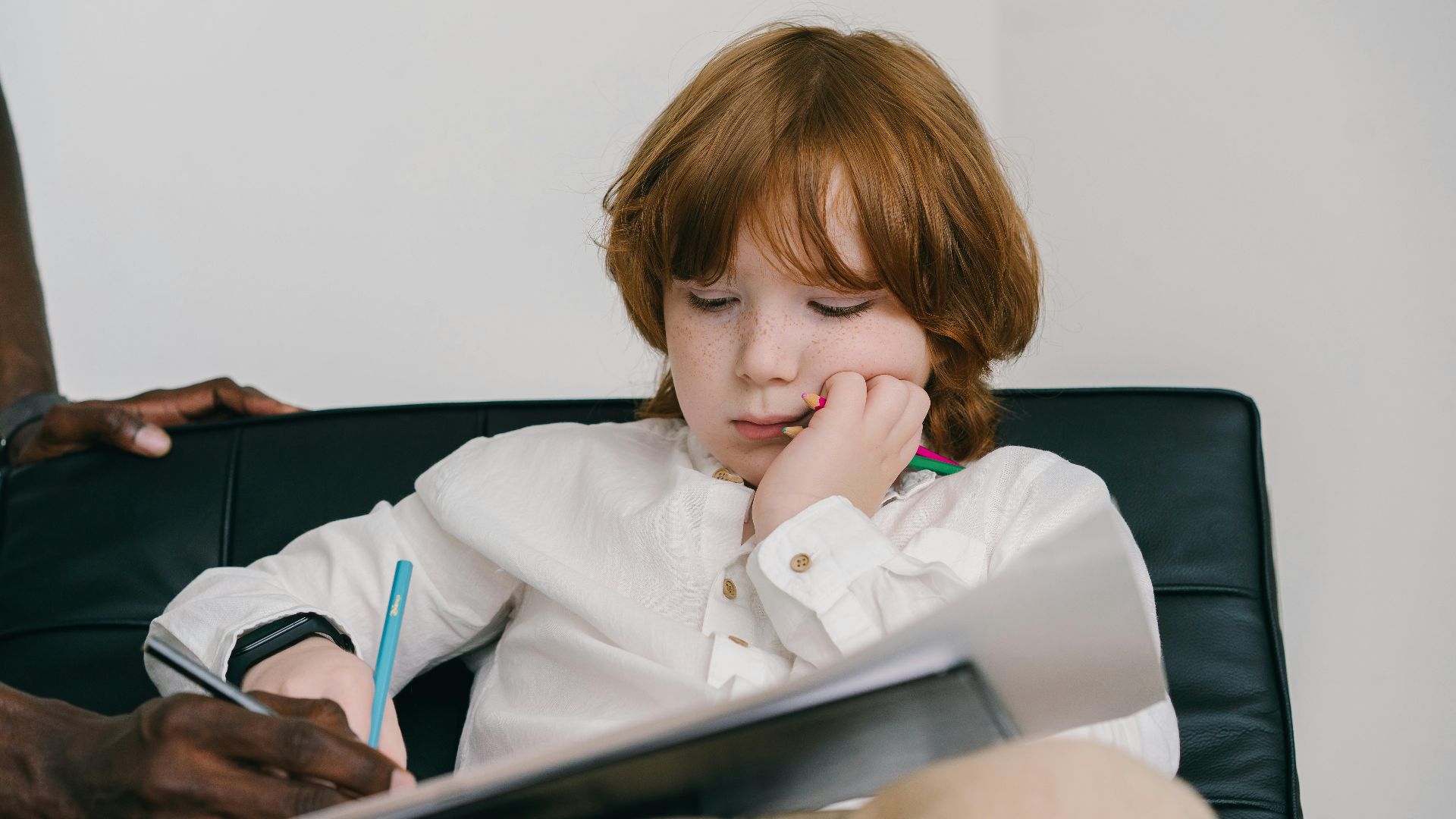
Your straight-A student unfortunately brings home a C, and you're left scratching your head because you know they can do better. Academic performance reflects engagement and understanding, so when grades tank without explanation, something's shifted internally.

4. Avoids School Day Discussions
"How was school?" gets met with a shrug, a grunt, or the classic "fine" before they disappear into their room. Children often avoid topics linked to negative emotions, treating school conversations like forbidden territory, and that avoidance may indicate discomfort with school.

5. Emotional Meltdowns Around School
Meltdowns are usually signs of overload, not misbehavior, though it's easy to misinterpret tears and tantrums as attitude problems. The backpack gets thrown, homework papers get crumpled, and suddenly your usually calm child is sobbing over a math worksheet.
6. No Enthusiasm for Education
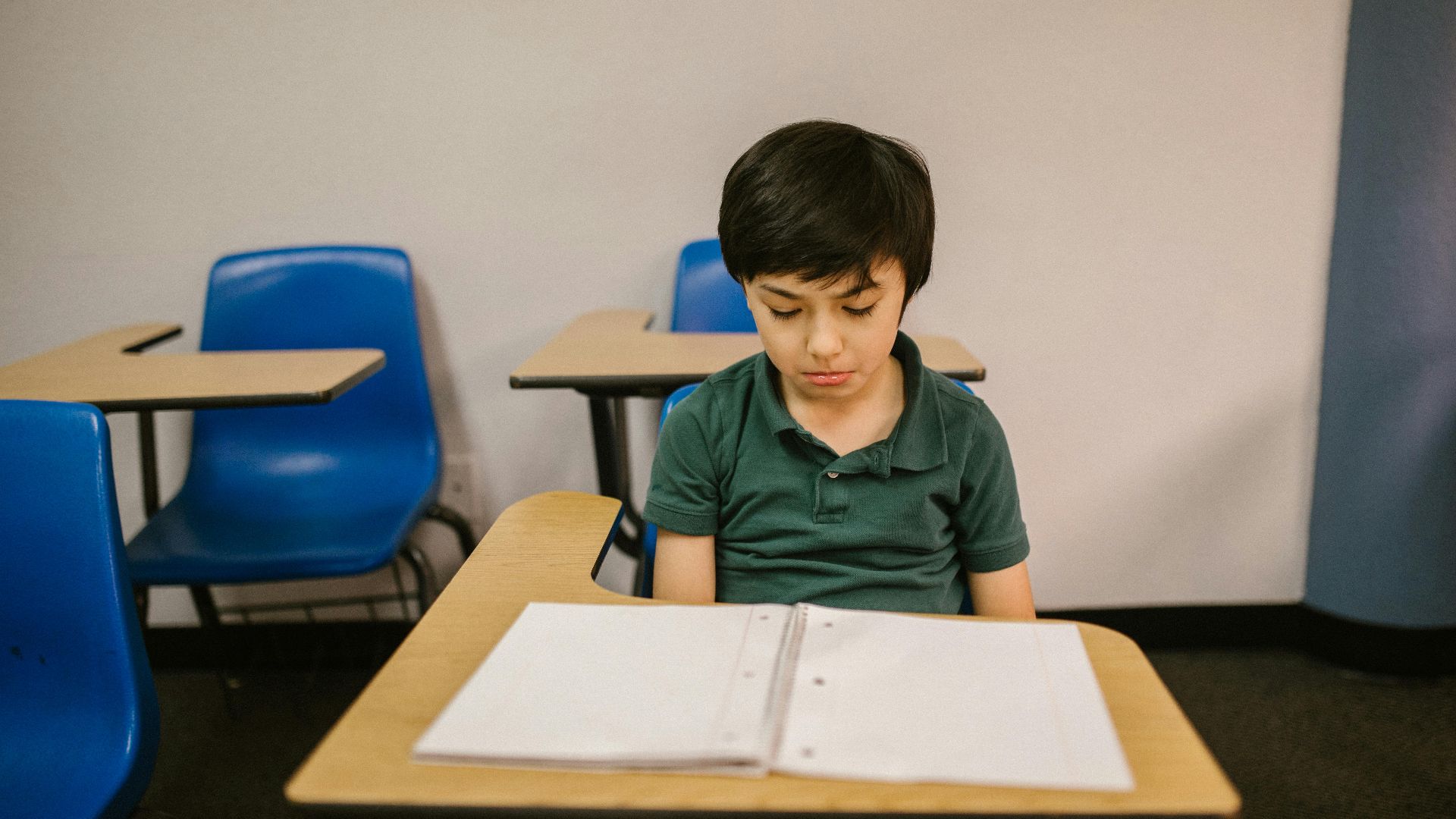
Remember when your child used to ask "why" about everything, eyes lighting up with curiosity about the world? That spark seems extinguished now, replaced by blank stares and heavy sighs. Well, motivation strongly influences learning engagement.
7. Quick Giving Up on Tasks
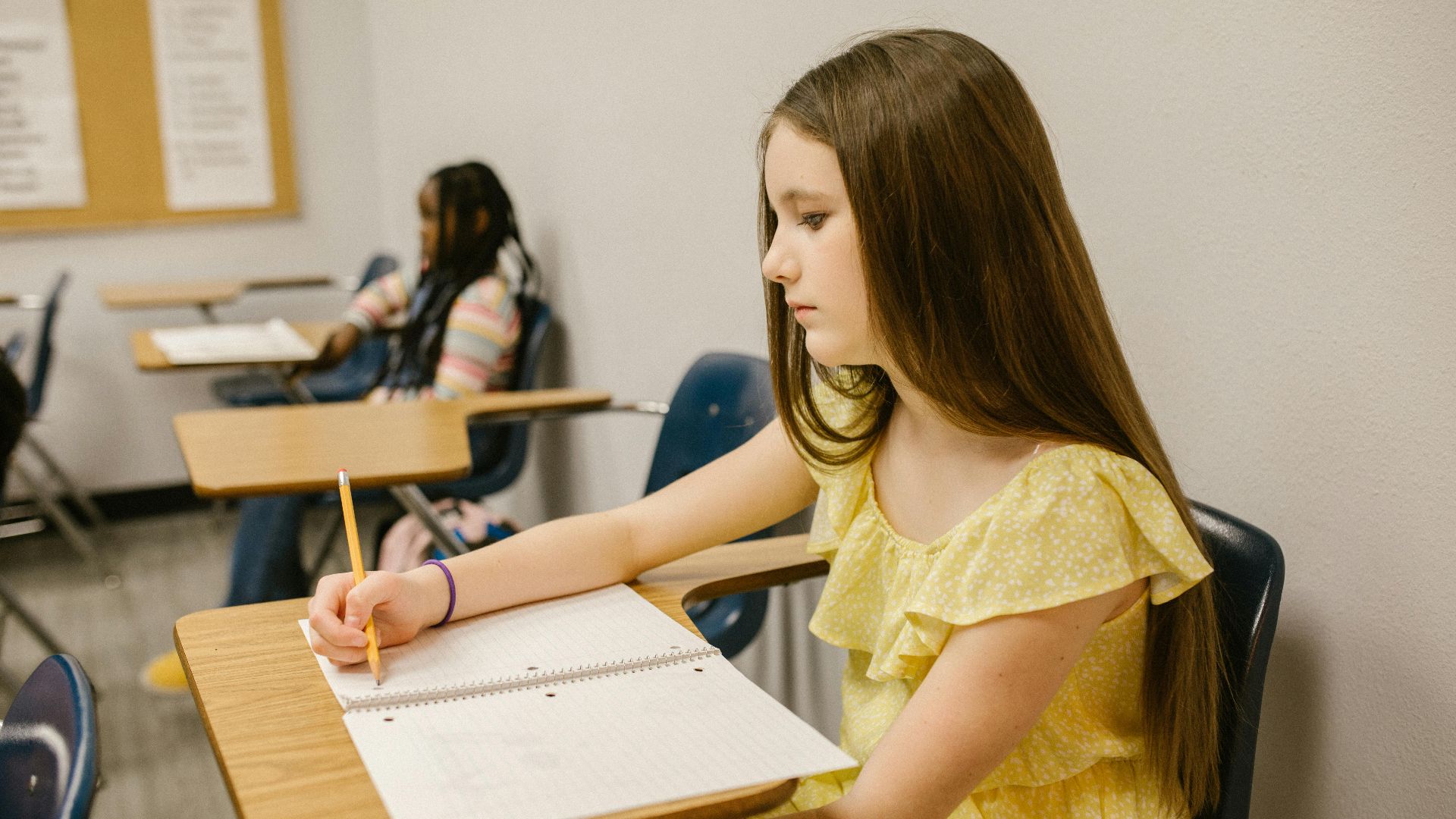
Your kid glances at a challenging problem and immediately declares, "I can't do this" without even attempting it. Repeated difficulty can reduce persistence, teaching kids that trying leads to failure. Children may stop trying, protecting their self-esteem by not engaging.
8. Constant Boredom With Materials
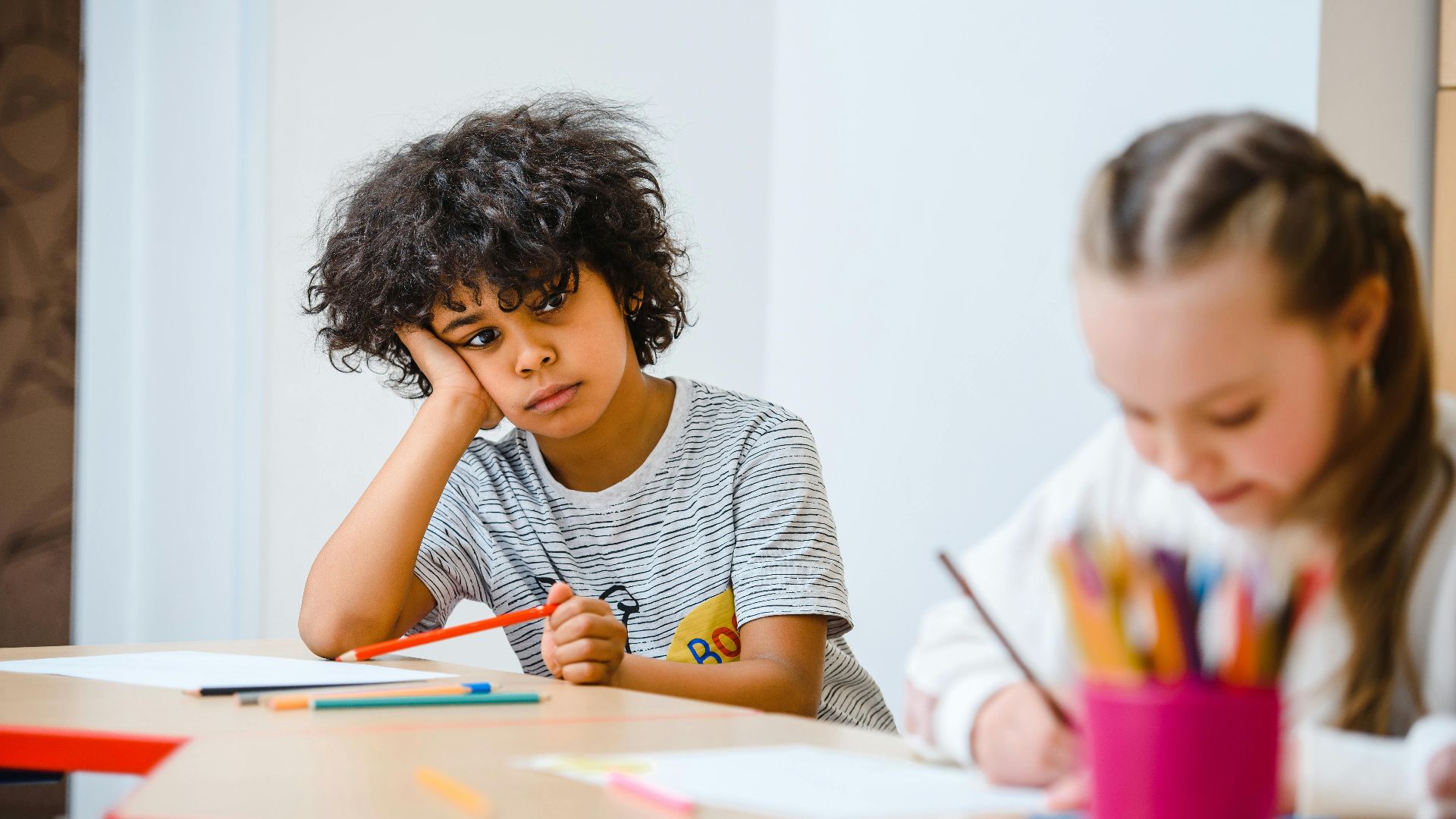
Boredom can signal a lack of challenge or relevance. It indicates the material isn't matching their learning level or interests. Unstimulating materials discourage sustained attention. Repetitive tasks reduce engagement, turning learning into a monotonous grind. Changing format can renew interest.

9. Resists Reading or Games
Even enjoyable formats can lose appeal under pressure, turning activities that should be fun into dreaded obligations. Your child, who once loved bedtime stories, now fights every reading session, and educational games get the same resistance as homework.
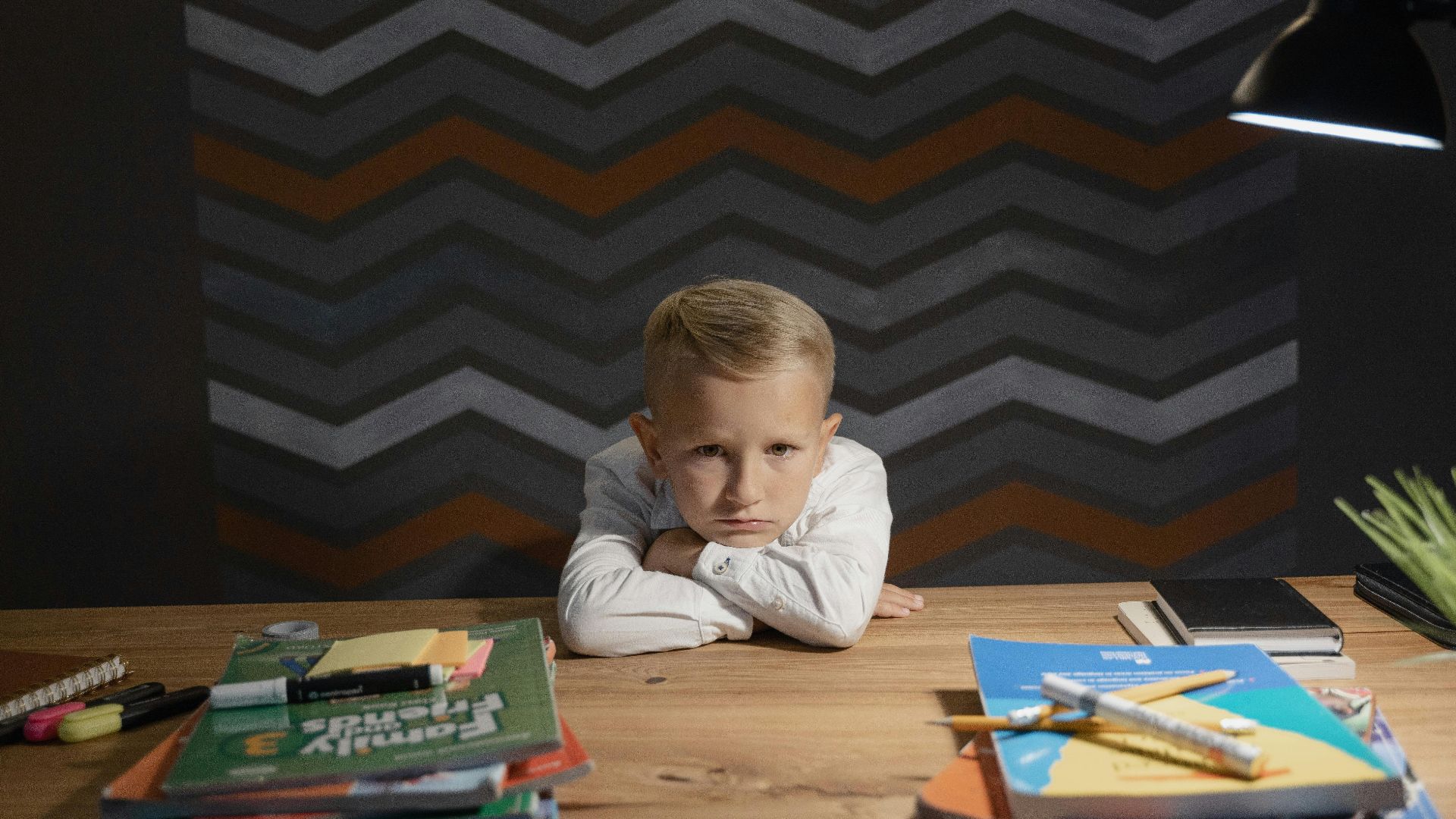
10. Prefers Isolation in Learning
Withdrawal can indicate disengagement or discouragement. This signals they've given up on learning being a social experience. Social learning requires emotional comfort that they're currently lacking and some children tend to re-engage when learning becomes cooperative again.
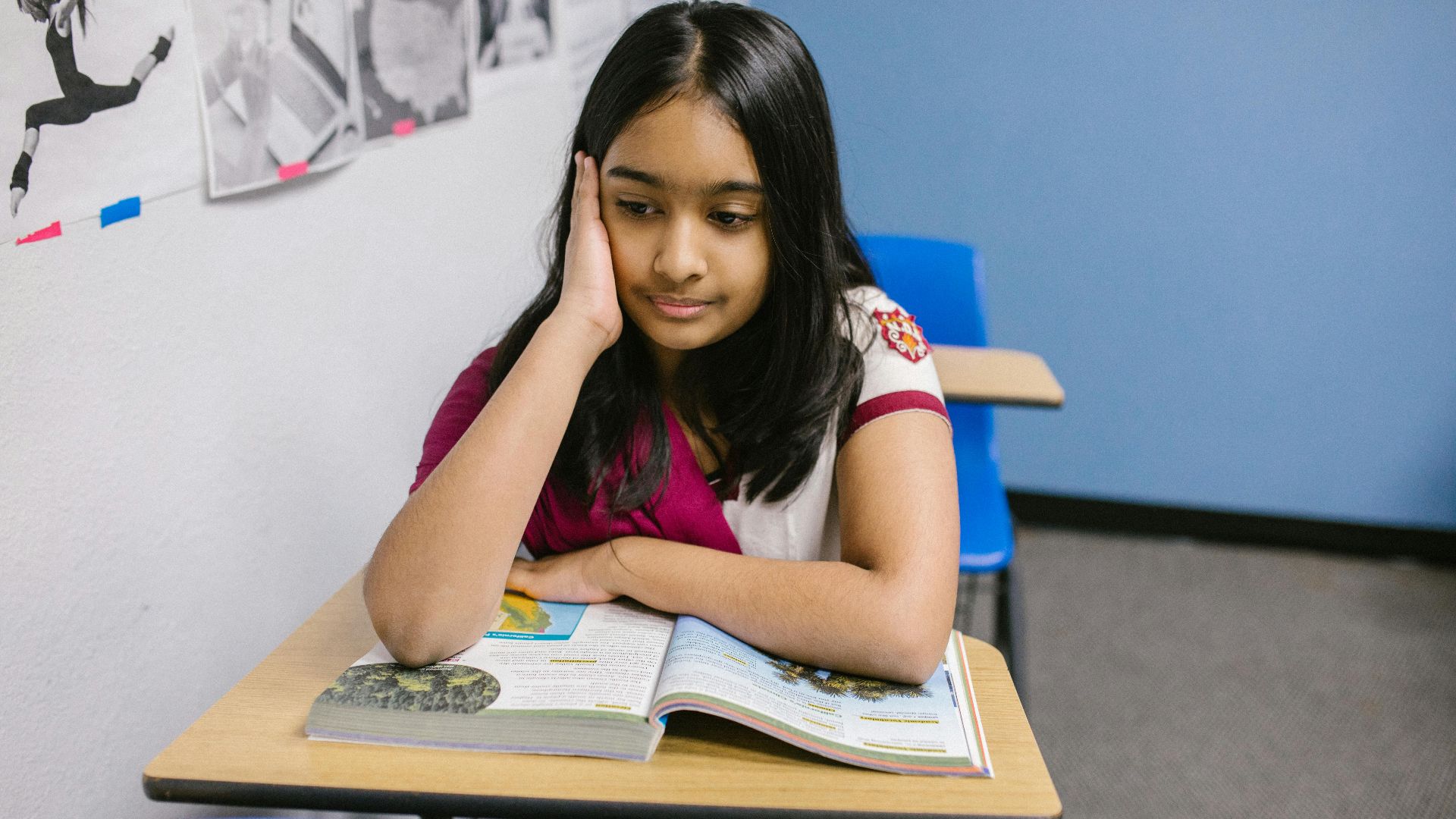
Spotted the signs? Time to turn things around.
1. Introduce Hands-On Experiments
Simple kitchen science can turn snack time into a fun lesson! Instead of another worksheet about chemical reactions, try putting together baking soda and vinegar to make a volcano, or freeze different liquids to explore states of matter.

2. Connect Lessons to Personal Interests
A child who loves soccer can learn math through scorekeeping, statistics, and calculating player averages without even realizing they're doing homework. The key is finding where their passion intersects with what they need to learn and building bridges between the two.
3. Use Storytelling as a Teaching Tool
Stories help young learners remember information more easily, tapping into the ancient human love of narrative. Turning math problems into adventures can make them exciting—instead of "solve for x," try “help the hero figure out how many supplies they need for their quest”.

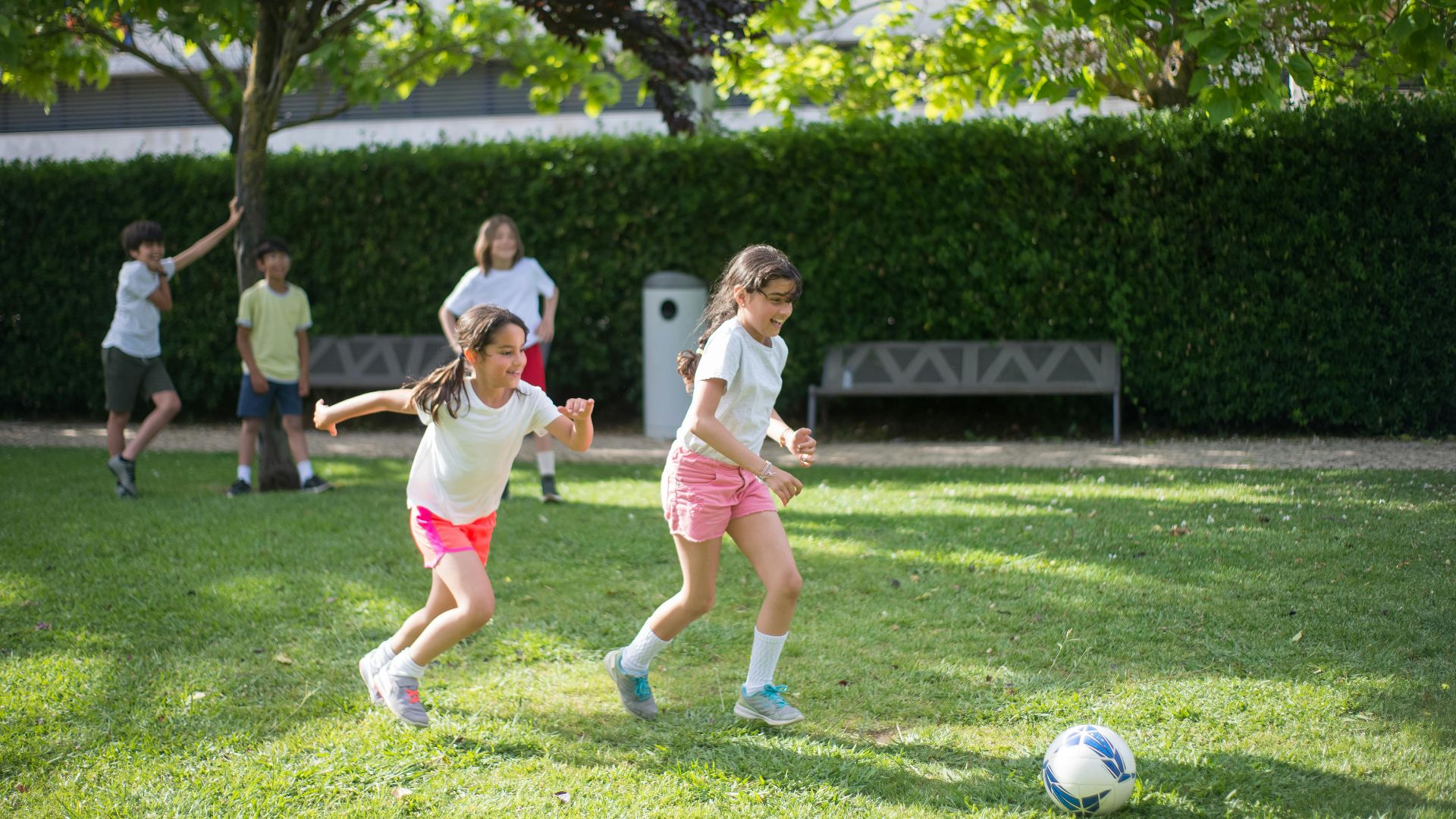
4. Incorporate Movement and Play
Jumping games make spelling practice feel like recess. It turns what would be sedentary memorization into active fun that gets hearts pumping and minds engaged. Physical activity boosts focus and energy, contradicting the old notion that kids need to sit still to learn.

5. Offer Creative Arts Integration
Children envision equations as geometric patterns that make sense to their creative minds when they paint math problems. Whether they're playing out historical events or learning multiplication tables through songs, music, and drama helps reinforce academic concepts.

6. Provide Choice in Learning Tasks
Picking between two assignments can feel like a small victory, giving children agency in situations where they typically have none. Options reduce feelings of being forced into learning, and they address one of the core frustrations many children feel about their education.

7. Break Work Into Small Wins
Checking off mini-goals can feel like collecting rewards, tapping into the same satisfaction we get from completing tasks on a to-do list. Instead of "finish your book report," try "read one chapter," then "write three sentences about the main character.”

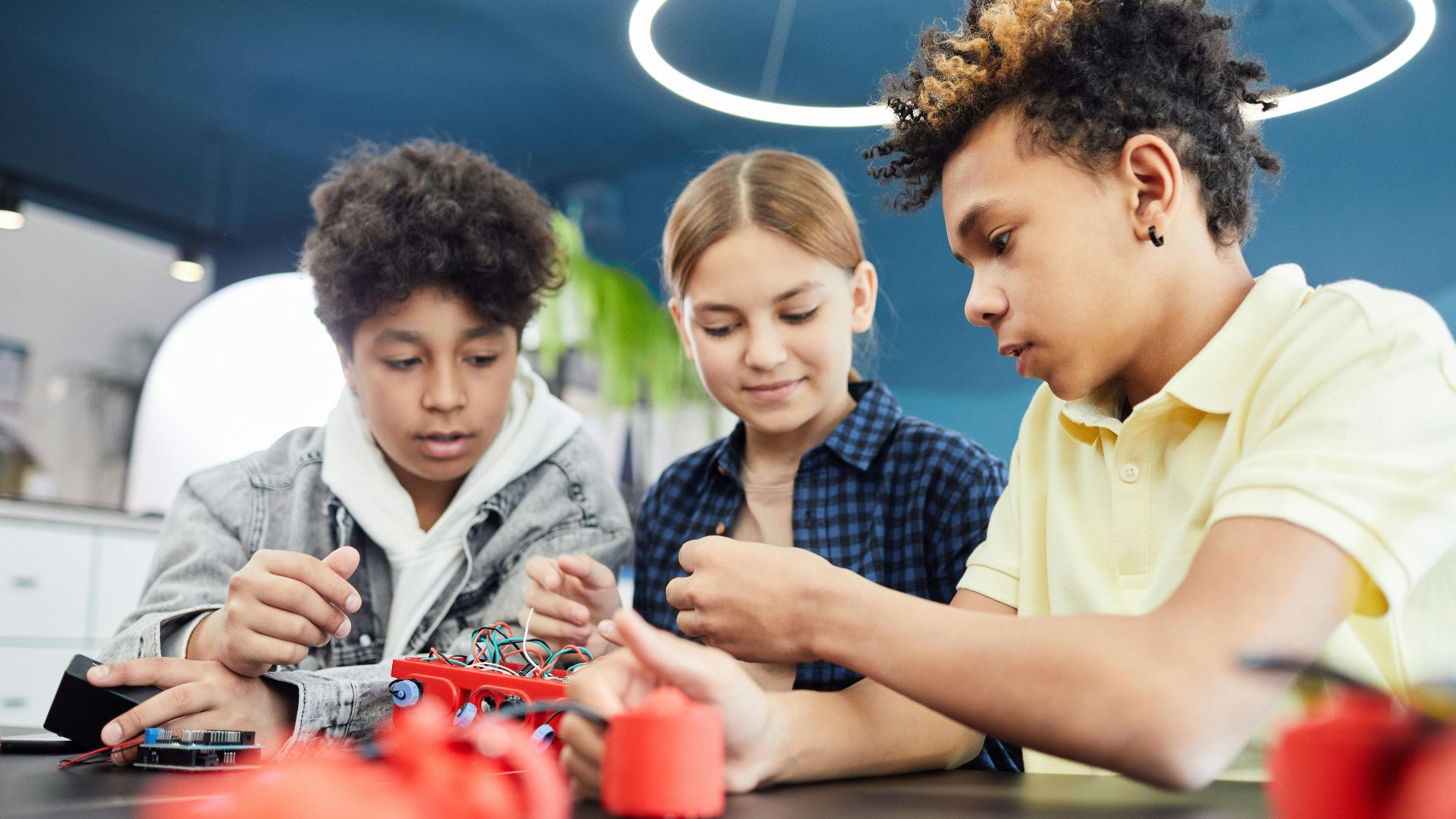
8. Introduce Peer Collaboration
Group projects can spark friendships alongside learning; it creates positive social associations with academic work that can reshape how children view education! Working with peers also builds social skills like communication, compromise, and collective problem-solving that they'll use throughout life.
9. Leverage Technology and Gamification
Learning through games can feel like playtime instead of homework. Educational apps make lessons interactive by responding to inputs in real time and adapting to individual learning speeds. Gamification turns tasks into challenges with rewards, adding points, badges, levels, and leaderboards.
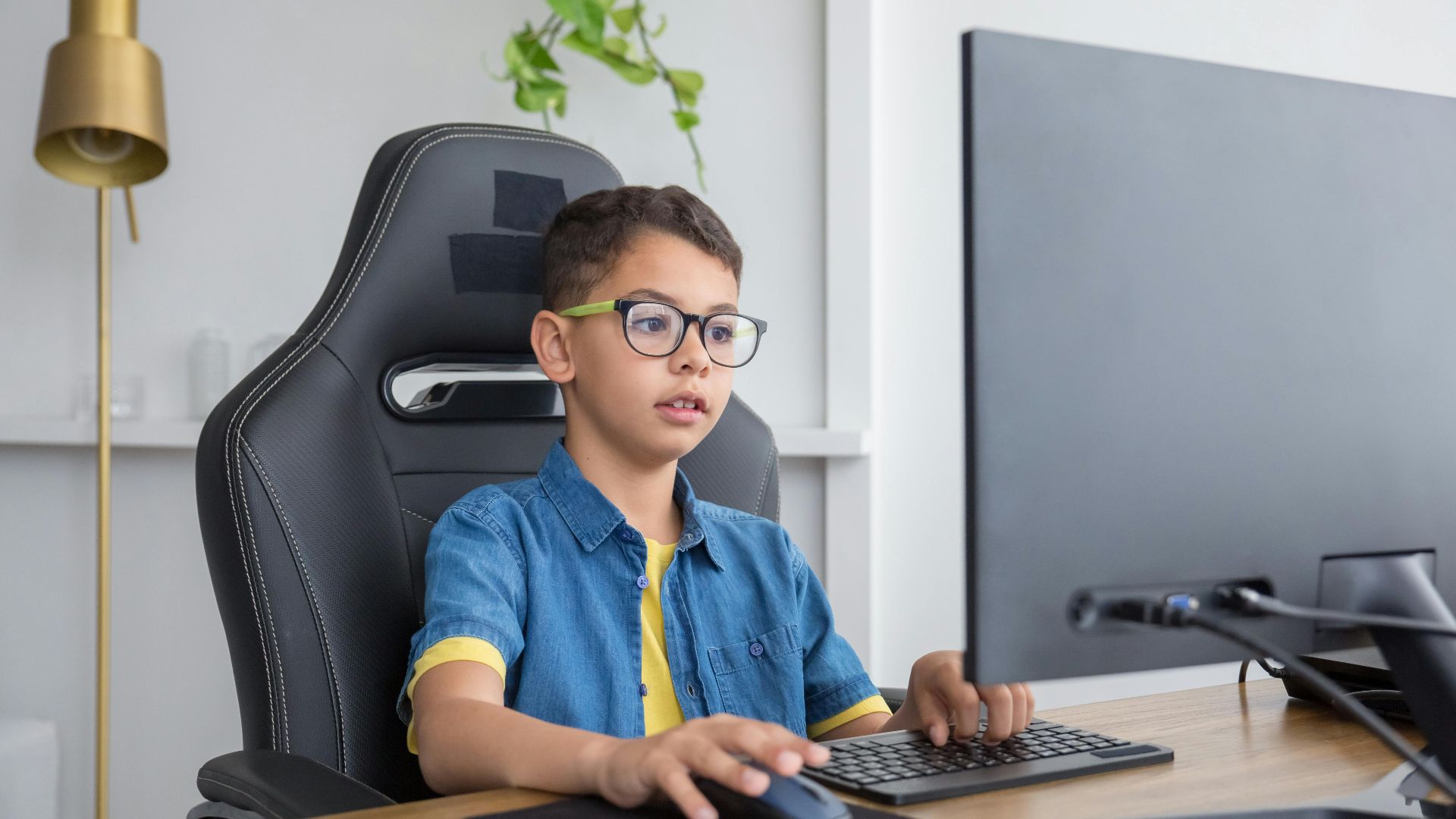
10. Create a Calm, Supportive Environment
A quiet space reduces distractions that pull focus away from challenging material, helping children concentrate on what they're learning. Calm environments encourage focus and persistence, lowering the ambient stress level that can make everything feel harder than it actually is.