
After graduating high school, many students face a pivotal decision: pursue a traditional college degree or take a shorter path to joining the workforce. For a long time, the belief was that a four-year degree would lead to higher lifetime earnings and more appealing career prospects. In recent years, however, that perception has shifted.
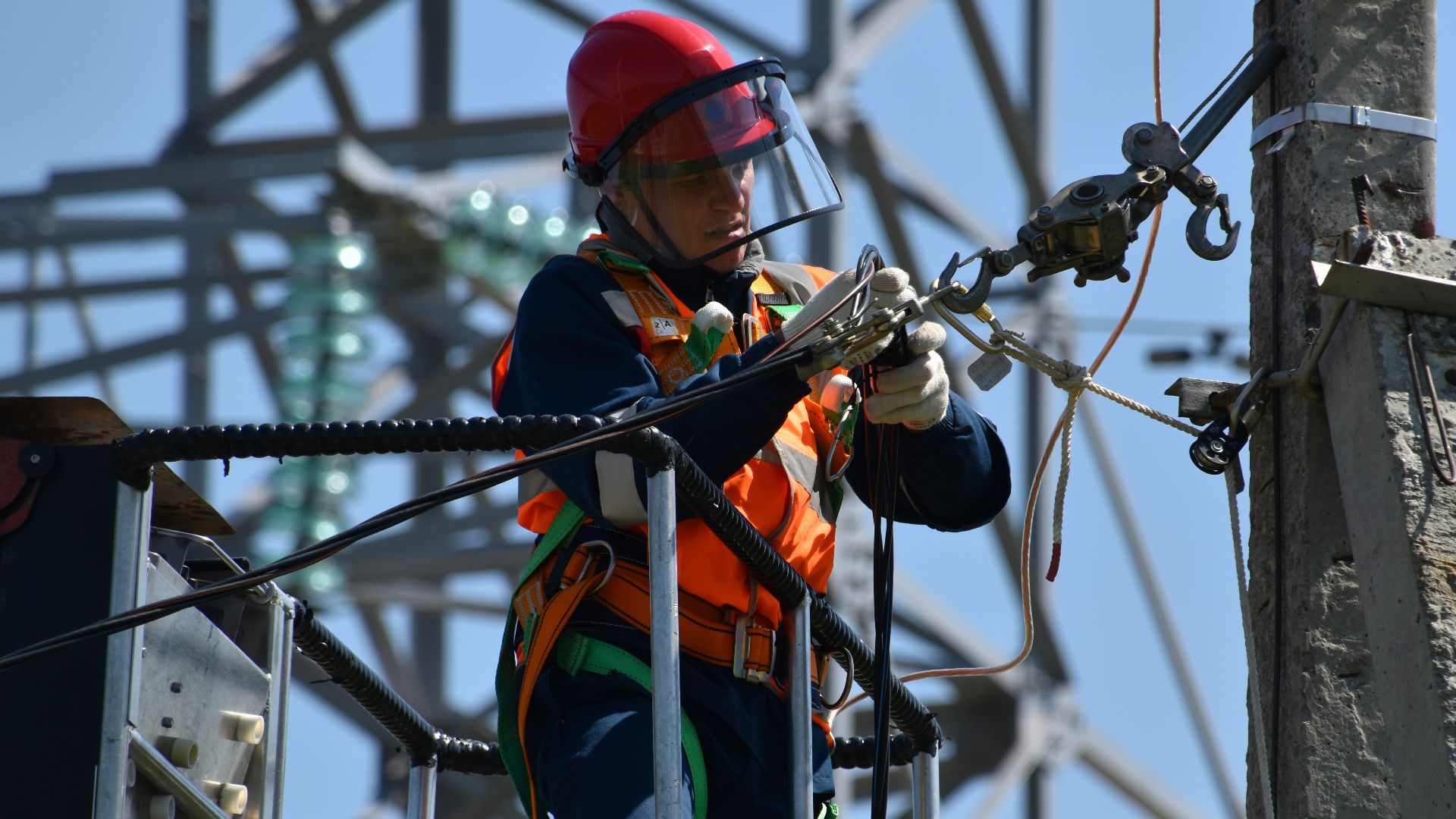
Skilled trade careers, such as plumbers, welders, sheet-metal workers, and electricians, have become more prominent. With increasing demand, low competition, and competitive pay, students with the appropriate aptitude need to consider a career in the trades.
Let’s look at some of the reasons why a career in the trades can lead to strong earnings, stability, and satisfaction.
High Earning Potential in the Trades
Compensation is a key metric to use when choosing a career path. According to the U.S. Bureau of Labor Statistics, median income for certain skilled trades is competitive with, if not higher than, the median wage across occupations.
Also, many of the common trades offer clear paths to apprenticeships, where workers earn while they learn on the job. Another benefit of this structure is that many students can avoid incurring the burden of student debt, something a high percentage of college graduates can’t avoid.
In general, it often pays to become a plumber, welder, or sheet metal worker compared to many professions, except for traditionally high-earning careers, such as lawyers and doctors.
Demand and Stability
Demand can drive pay. Skilled trades are typically in high demand due to retirements, demographic shifts, and societal needs. In many cases, the demand for electricians far exceeds the average for most occupations.
The U.S. faces a widening gap between open skilled trade positions and qualified workers, which is why some of the larger companies offer tuition-free training programs that even pay an hourly wage. This proves the urgent need for workers in certain trades.
This consistently strong demand contributes to appealing job stability and even some bargaining power for skilled workers. Those who obtain certifications or specialize in niche trades, like HVAC and solar installation, can reap the rewards.
 MohammadReza BaBaei on Unsplash
The Trades vs. Traditional College Paths
It requires nuance to compare college degree earnings to those of workers in the skilled trades. Traditional beliefs have long held that a bachelor’s degree provides higher lifetime earnings, but you have to consider rising tuition costs and student debt interest rates. Trade workers can begin earning money faster with little to no student debt. This would impact their early-career net income.
Top jobs in the trades, like elevator installers or advanced mechanics, can offer higher earnings than many fields that require a degree. Keep in mind that not every job in the trades offers a high income. Median wages vary by specialty, and wages can be boosted with overtime or licensure.
The evidence suggests that many students with the passion and right skillset should consider a job in the trades as they are researching colleges, and before diving into debt. Many of the trades offer a strong job market, competitive wages, and shorter paths to income. If this appeals to you, start looking for apprenticeship programs and the process to get licensed and join unions.