
The Invisible Applause Trap
At some point, most people leave the cafeteria behind but keep carrying the cafeteria politics around in their chest. The room changes, the clothes get better, and everyone starts pretending they are above all that, but the old scoreboard can still hum in the background. It is easy to mistake attention for affection, approval for safety, and being liked for being known. The tricky part is that nobody announces when the contest is over. Here are 20 signs you may still be campaigning for a crown no one is handing out.

1. You Rehearse Casualness
You do not just send a text. You workshop the punctuation until it looks like you barely thought about it. The goal is to seem effortless, which is funny because effortlessness has become a full-time job.

2. You Check Who Watched
Posting something is not really the end of the moment. It is the beginning of a small private investigation. You scan the views, notice who appeared, notice who did not, and pretend this is normal data collection.

3. You Need The Right People To Laugh
A room can be laughing, but somehow it only counts if one particular person looks impressed. Their reaction becomes the final grade. Everyone else is just extra credit.

4. You Downplay What You Care About
You say things like “it’s not a big deal” when it is, in fact, a pretty big deal to you. Enthusiasm feels risky, so you wrap it in sarcasm first. That way, nobody can accuse you of wanting too much.

5. You Keep Score Quietly
You remember who liked your news, who ignored your birthday, and who never asked a follow-up question. You may not mention it, but the ledger is open. The worst part is that keeping score rarely makes anyone feel less lonely.

6. You Dress For An Imaginary Audience
There is nothing wrong with caring about how you look. The trouble starts when every outfit has to answer to people who are not in the room. Suddenly, getting dressed becomes less about taste and more about managing a fictional panel.

7. You Make Opinions Sound Borrowed
You soften your take before anyone has pushed back. “Maybe this is weird, but…” becomes the doorway to every thought. Popularity trains people to enter their own opinions like guests who might be asked to leave.

8. You Fear Being Too Available
You want to reply, but you wait because eagerness feels like a loss of status. So you turn communication into theater. The other person sent a message, and somehow you are now playing chess with a clock.

9. You Curate Your Struggles
You can admit to having a hard week, but only if the story stays charming. The mess has to be relatable, not worrying. You offer vulnerability in flattering lighting and hope nobody asks what it looks like when the lighting is bad.

10. You Feel Weirdly Competitive About Fun
Someone mentions a trip, a dinner, or a party, and your brain immediately asks whether your life looks interesting enough. Joy becomes something to display instead of something to feel. That is how a perfectly good Saturday turns into a branding problem.

11. You Apologize For Taking Up Space
You say “sorry” before asking a reasonable question, entering a conversation, or needing a minute. It sounds polite, but sometimes it is fear wearing good manners. You are not being annoying just because you exist in three dimensions.

12. You Treat Silence Like Rejection
A delayed response can ruin your mood more than you want to admit. The mind starts filling in blanks with elaborate little horror stories. Most of the time, the other person is simply at the grocery store or trapped under their own emails.

13. You Laugh At Things You Do Not Find Funny
It happens fast, almost automatically. Someone makes a joke that does not land, and you laugh because the room seems to require it. After a while, people-pleasing can sound a lot like your own voice, just slightly louder and less honest.

14. You Make Yourself Easy To Agree With
You become flexible in a way that looks generous but feels draining. Restaurant choice, movie choice, weekend plans, group opinions—you can bend around anything. Eventually, nobody knows what you actually prefer, including you.

15. You Confuse Being Invited With Being Valued
An invitation can feel like proof that you still matter. Not getting one can feel like evidence in a case nobody else knew was being tried. But attendance is a flimsy measure of love, especially when half the people invited barely want to go.

16. You Perform Being Unbothered
You are hurt, but you would rather swallow glass than admit it plainly. So you become cool, breezy, and slightly dead behind the eyes. The performance may protect your pride, but it also blocks anyone from meeting you where you actually are.
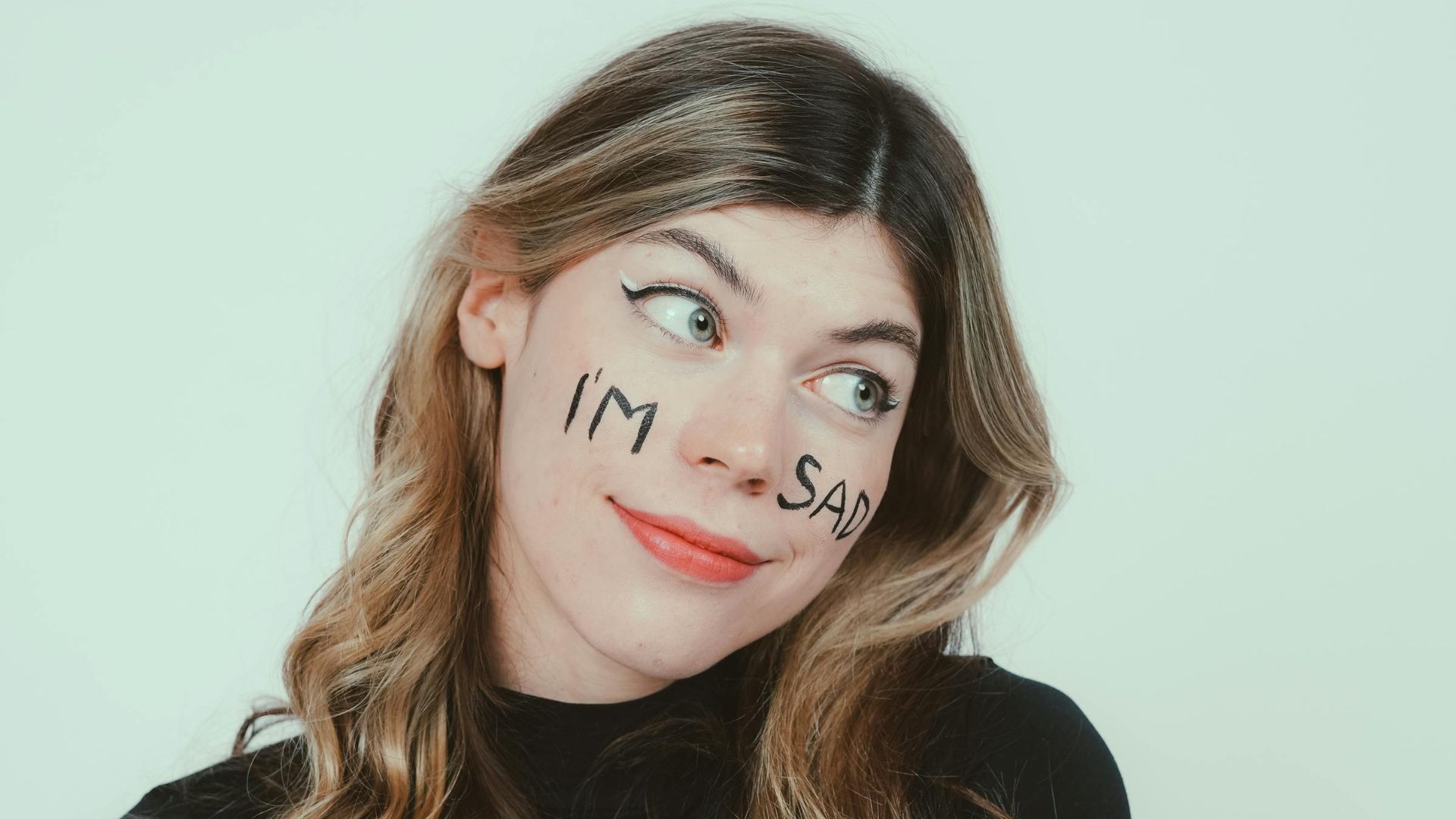
17. You Save Your Best Self For Public Rooms
You become charming around acquaintances and impatient around the people who already love you. Strangers get sparkle. Close friends and family get the tired leftovers, which is usually where the real repair work needs to happen.

18. You Panic When Someone Dislikes You
Not everyone will get you, enjoy you, or approve of you. That should be ordinary information, but it can feel like an emergency. Popularity logic says one person’s disinterest is a problem to solve, even when their opinion has no real claim on your life.

19. You Keep Updating Your Image
There is always a newer, sharper version of yourself to present. Better taste, better posture, better references, better photos, better proof that you are becoming someone worth noticing. Growth is healthy, but constant self-packaging can make peace feel suspiciously unproductive.
 Marcos Paulo Prado on Unsplash
20. You Forget What You Like When Nobody Is Watching
This is the clearest sign, and maybe the saddest one. When there is no audience, no reaction, no tiny social reward, you are not sure what you would choose. The way out starts there, in the quiet moment when something pleases you and nobody else needs to clap.